Neuromodulation
Transcranial magnetic stimulation, vagus nerve stimulation, neurofeedback, and brain-targeted therapies. What the evidence shows and what I see in practice.
By topic.
Transcranial Magnetic Stimulation (TMS)
FDA-cleared non-invasive brain stimulation for depression, OCD, and emerging indications.
Vagus Nerve Stimulation
Parasympathetic activation through invasive and non-invasive VNS approaches.
Neurofeedback
Real-time EEG training for self-regulation of brain activity patterns.
- 04PEMF TherapyPulsed electromagnetic field therapy for pain, inflammation, and tissue repair.Moderate Evidence
- 05PhotobiomodulationLow-level light therapy for brain health, mood, and cognitive performance.Emerging Research
- 06Brain Fog TreatmentNeuromodulation approaches for cognitive dysfunction in chronic illness.Emerging Research
Brain Health and Neuromodulation Guide
Download the complete physician's guide. Evidence-based, no hype.
All Articles
75 articles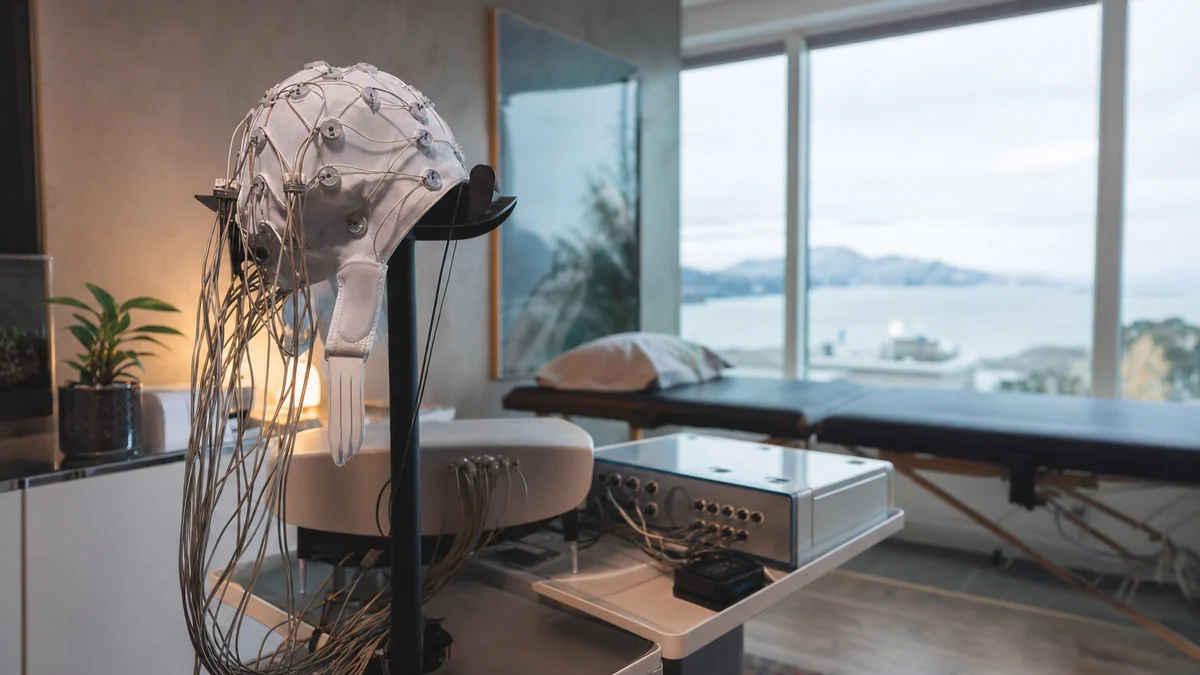 Neuromodulation
 PEMF Therapy for Osteoarthritis: Protocols, Clinical Evidence, and Who Benefits
Can pulsed electromagnetic field therapy slow cartilage loss and reduce OA pain? A physician-level review of mechanisms, RCT data, and optimal protocol parameters.
 Neuromodulation
 Methylene Blue as a Nootropic: Mitochondrial Mechanisms, Dosing Protocol, and Safety
Methylene blue enhances mitochondrial electron transport, improves memory, and reduces brain fog. Learn dosing protocols, evidence, and key safety limits.
 Neuromodulation
 TMS for PTSD: Clinical Evidence, Protocols, and What to Expect
Transcranial magnetic stimulation for PTSD — how it works, what the clinical evidence shows, who qualifies, and how it differs from TMS for depression.
Neuromodulation Photobiomodulation for Peripheral Neuropathy: Clinical Evidence and Protocol Guide
How red and near-infrared light therapy reduces nerve pain, improves sensation, and supports nerve repair in diabetic, Lyme-related, and chemotherapy-induced neuropathy.
 Neuromodulation
 Vagus Nerve Stimulation for Anxiety: Mechanisms, Techniques, and Clinical Evidence
Dr. Julian Douwes reviews how vagal tone influences anxiety, panic, and autonomic balance — with evidence-backed stimulation techniques, device options, and who benefits most.
Neuromodulation Ketamine Infusion Therapy: Protocol, Evidence, and Who Benefits
A clinical guide to IV ketamine infusions for treatment-resistant depression and chronic pain — dosing, mechanism, patient selection, and realistic expectations.
 Neuromodulation
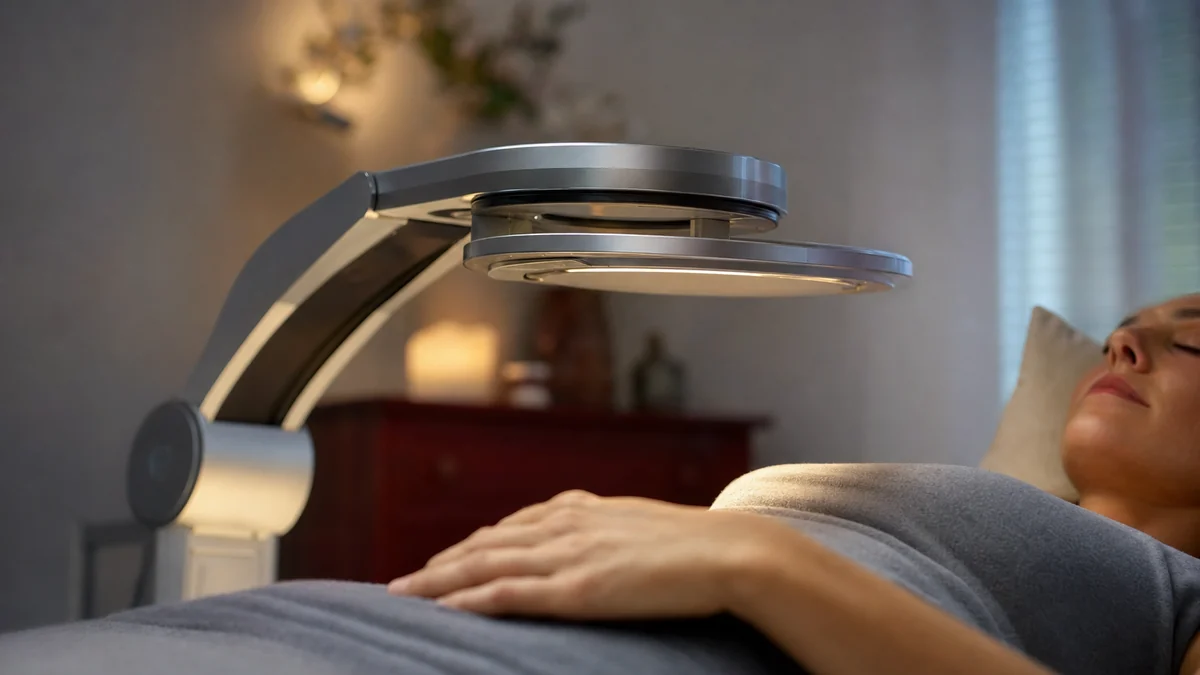
 PEMF Therapy for Fibromyalgia: Evidence, Protocols, and Clinical Experience
PEMF therapy reduces fibromyalgia pain scores, improves sleep quality, and modulates central sensitization. Clinical protocols, device settings, and patient selection criteria.
 Neuromodulation
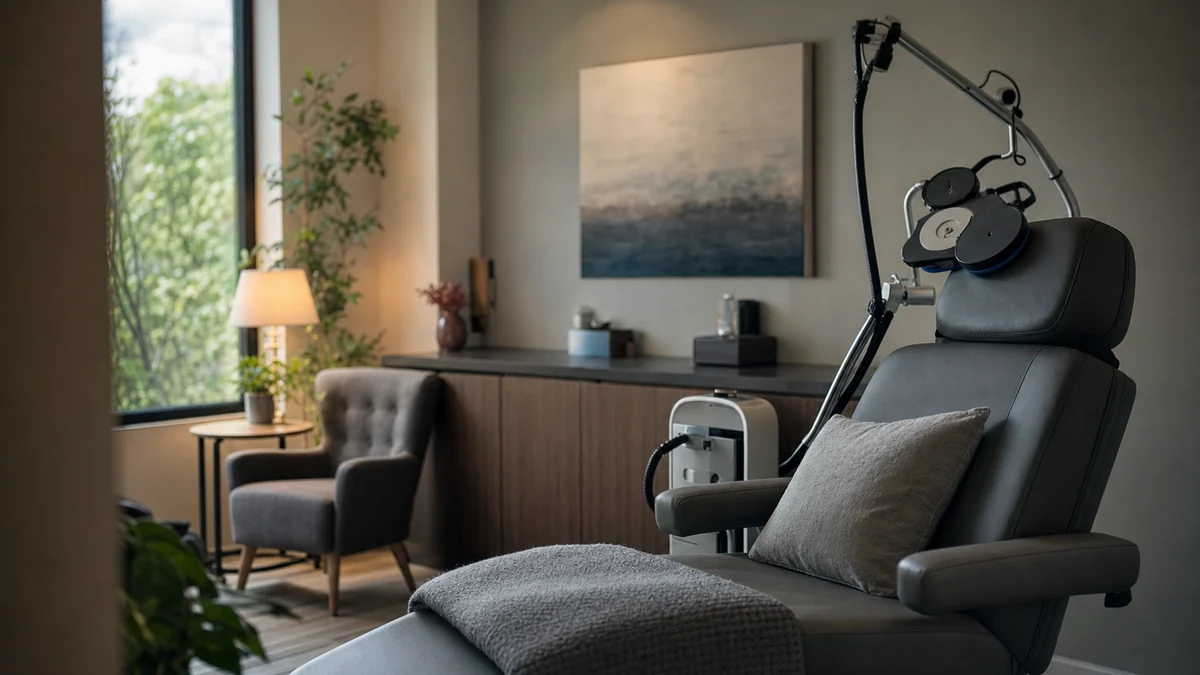
 TMS for Anxiety: How Transcranial Magnetic Stimulation Targets GAD, Social Anxiety, and OCD-Spectrum Disorders
Evidence-based guide to TMS therapy for anxiety disorders. Learn how repetitive TMS protocols differ from depression treatment and what outcomes to expect.
 Longevity
 GLP-1 Agonists and Alzheimer's Prevention: What the Evidence Shows in 2026
Semaglutide and tirzepatide do more than control weight. Here's what the clinical evidence shows about GLP-1 agonists for cognitive protection and Alzheimer's risk reduction.
 Supplements
 Creatine for Women: Dosage, Hormonal Effects & Clinical Evidence
A physician's guide to creatine supplementation for women — hormone interactions, optimal dosage by cycle phase, menopause benefits, and what the evidence actually shows.
 Immunology
 Psoriasis: An Integrative Medicine Protocol
A functional medicine approach to psoriasis addressing gut-skin axis, immune modulation, LDN, photobiomodulation, and dietary strategies—backed by clinical evidence.
 Neuromodulation
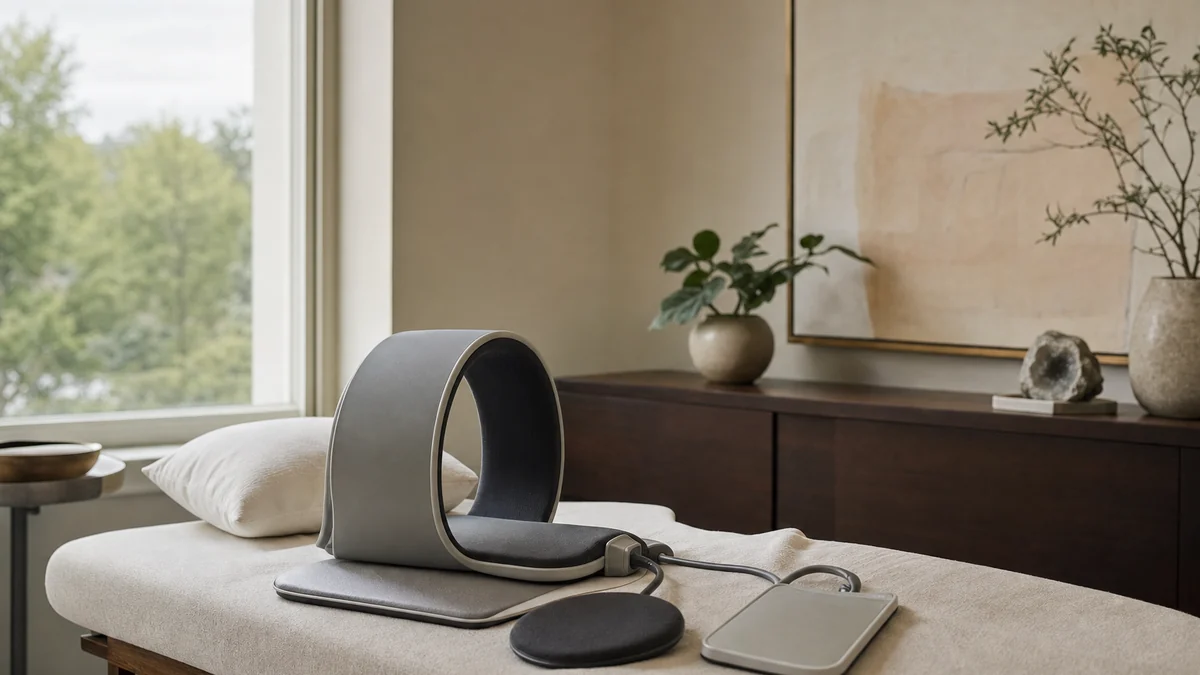
 PEMF Therapy for Osteoporosis: Evidence, Protocols, and Who Benefits Most
Can pulsed electromagnetic field therapy slow bone loss and improve density in osteoporosis? Dr. Douwes reviews the clinical trials, mechanisms, and protocols.
Supplements Berberine for PCOS: Clinical Evidence, Dosage Protocol, and Integrative Management
How berberine addresses insulin resistance, androgen excess, and anovulation in PCOS — clinical evidence, dosing, and what to combine it with.
 Supplements
 Bacopa Monnieri: A Physician's Evidence-Based Guide to Cognitive Enhancement and Stress Resilience
Bacopa monnieri improves memory, reduces anxiety, and protects neurons. Discover the clinical evidence, optimal dosing, forms, and who benefits most from this Ayurvedic nootropic.
 Protocols
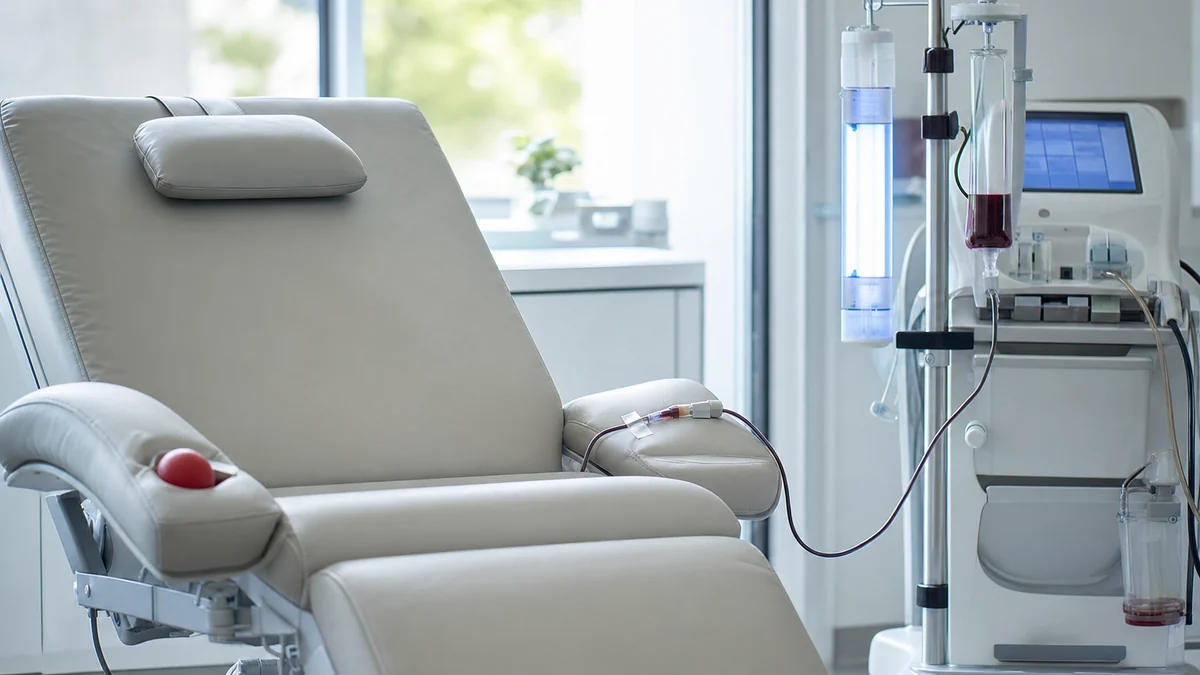
 Ultraviolet Blood Irradiation (UVBI): A Physician's Clinical Protocol Guide
Dr. Julian Douwes explains UVBI therapy — mechanisms, clinical indications, treatment protocol, contraindications, and how it compares to IV laser and ozone.
 Neuromodulation
 Photobiomodulation for Macular Degeneration: LIGHTSITE III Data and What It Means for Patients
Dr. Douwes reviews the 24-month LIGHTSITE III trial data on PBM for dry AMD, mechanism, patient selection, dosing protocols, and where this therapy fits in practice.
 Neuromodulation
 Photobiomodulation and Sleep Quality: Mechanisms, Evidence, and Clinical Protocol
How red and near-infrared light therapy modulates circadian rhythm, melatonin, and slow-wave sleep — with dosing protocol and patient selection criteria.
 Supplements
 Creatine for Brain Health: The Cognitive Benefits Your Longevity Stack Is Missing
Clinical evidence shows creatine monohydrate boosts cognitive performance under sleep deprivation, in vegetarians, and after TBI—far beyond its muscle reputation.
 Longevity
 Grip Strength as a Longevity Biomarker: What Your Handshake Predicts About Mortality
Grip strength is one of the most powerful predictors of all-cause mortality, cardiovascular disease, and cognitive decline. Here is what the evidence shows and what to do about it.
 Neuromodulation
 Vagus Nerve Stimulation for Rheumatoid Arthritis: Clinical Evidence and Patient Selection
VNS in rheumatoid arthritis — RESET-RA trial results, patient selection criteria, integration with DMARDs, and how bioelectronic medicine is reshaping RA treatment.
 Peptides
 Peptide Therapy for Athletes: What's Banned Under WADA Rules in 2026
Which therapeutic peptides are banned under WADA's anti-doping code in 2026, which are permitted, and how athletes can navigate therapeutic use exemptions.
 Peptides
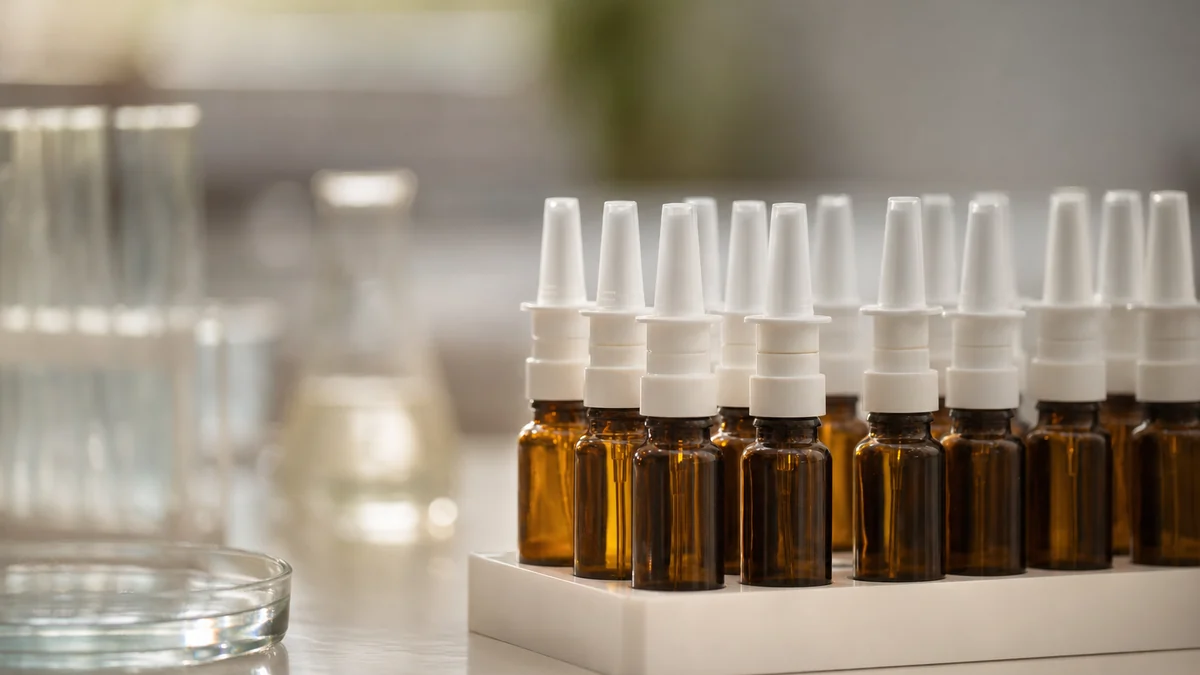
 Semax Dosage and Nasal Protocol: A Clinical Guide for Standard, NA-Semax, and the Amidate Form
Precise Semax dosing by variant — 0.1% standard, NA-Semax, NA-Semax Amidate — with cycling schedules, titration steps, and nasal administration technique.
 Peptides
 FDA 2026 Peptide Reclassification: What the Category 1 Compounding Ruling Means for Patients
The FDA's 2026 action returns roughly 14 peptides to Category 1 compounding eligibility. A physician explains what changed, which peptides are affected, and what this means for your access.
Supplements CDP-Choline (Citicoline): The Physician's Guide to Dosing, Evidence, and Clinical Use
A clinical review of CDP-choline (citicoline) for cognitive function, brain fog, and neuroprotection — with dosing protocols, mechanisms, and comparison to alpha-GPC.
 Longevity
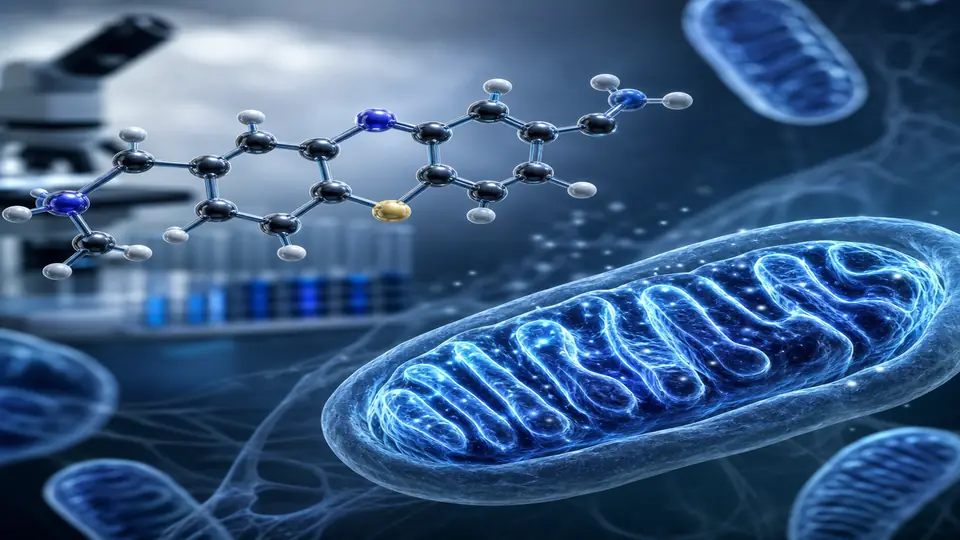
 Methylene Blue Dosage Guide: Clinical Protocols, Forms, and Safety
Evidence-based methylene blue dosage guide covering cognitive, mitochondrial, and antimicrobial applications with safety protocols and contraindications.
 Supplements
 5-HTP and Tryptophan: A Physician's Guide to Serotonin Precursors for Sleep, Mood, and Brain Fog
Dr. Julian Douwes explains 5-HTP vs tryptophan for serotonin support — dosing, safety, interactions, and clinical use in Lyme disease and post-COVID patients.
 Peptides
 Nootropic Peptides: A Physician's Guide to Cognitive Enhancement
Compare the top nootropic peptides—Semax, Selank, Dihexa, Humanin, and DSIP—with clinical evidence, dosing protocols, and candidacy criteria from an integrative physician.
 Longevity
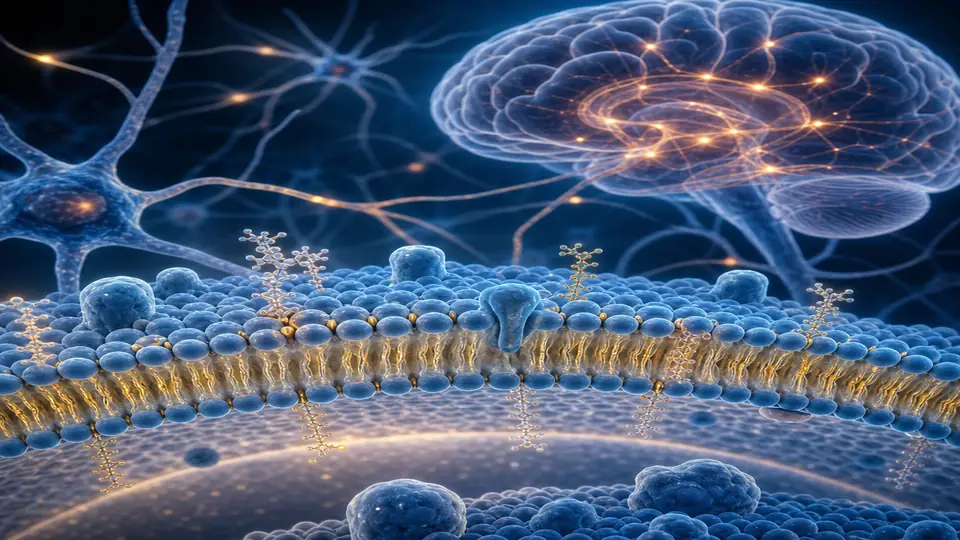
 Plasmalogens: The Brain Phospholipid Declining With Age (And How to Restore It)
Plasmalogen deficiency accelerates cognitive decline. Learn what these critical ether phospholipids do, why they drop with age, and the clinical evidence for supplementation.
 Protocols
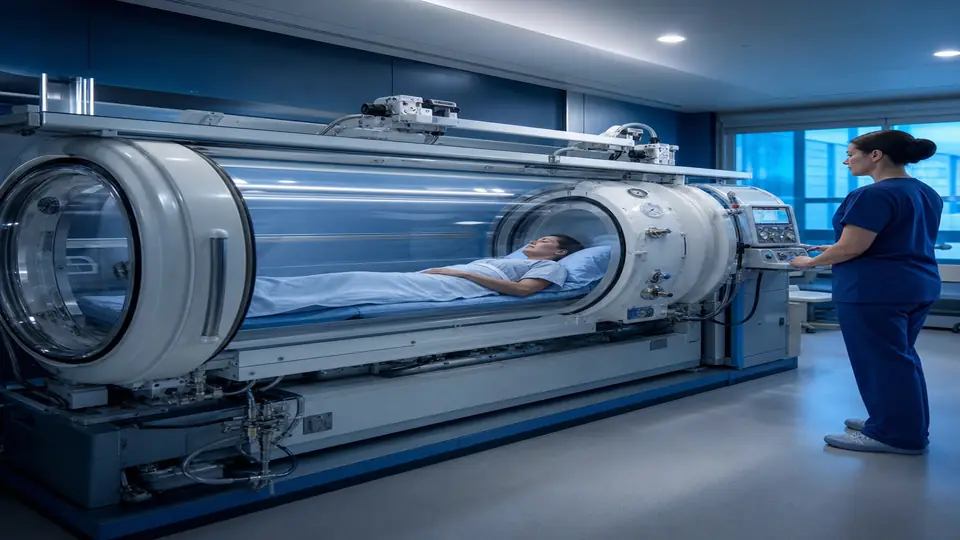
 Hyperbaric Oxygen Therapy for Long COVID: Evidence, Protocol, and What to Expect
A physician's guide to HBOT for Long COVID — covering the mechanisms, clinical trial data, patient selection, session protocols, and realistic outcome expectations.
 Protocols
 Mitochondrial Dysfunction: Root Causes, Testing, and Evidence-Based Treatment
How mitochondrial dysfunction drives fatigue, brain fog, and chronic illness — plus clinical testing and protocols to restore cellular energy production.
 Longevity
 Klotho Protein: The Anti-Aging Hormone That Controls How Fast You Age
Klotho protein declines with age and predicts cognitive decline, kidney disease, and cardiovascular risk. Here's what the science says about boosting it.
 Supplements
 Pregnenolone: The Neurosteroid That Powers Memory, Mood, and Stress Resilience
Pregnenolone is the master precursor to all steroid hormones. Learn how declining levels affect cognition, stress response, and how to supplement safely under clinical guidance.
 Longevity
 Heart Rate Variability (HRV): The Longevity Biomarker Every Patient Should Track
HRV measures autonomic nervous system health and predicts longevity outcomes. Learn what your HRV score means, how to improve it, and why physicians track it.
 Supplements
 L-Theanine: Evidence-Based Guide to Dosage, Benefits, and Synergistic Stacks
Clinical review of L-theanine: mechanisms, optimal dosing for anxiety, sleep, and cognitive performance, plus evidence-based stacking protocols for adult patients.
 Supplements
 Phosphatidylcholine: The Essential Phospholipid for Liver, Brain, and Cellular Health
Dr. Douwes explains how phosphatidylcholine supports liver detoxification, cognitive function, and cellular membrane integrity — and who needs it most.
 Supplements
 Alpha-GPC: The Physician's Guide to Choline for Cognitive Performance and Neuroprotection
Dr. Julian Douwes reviews Alpha-GPC dosing, mechanisms, clinical evidence for brain performance, acetylcholine synthesis, and how it compares to other choline sources.
Protocols POTS and Dysautonomia: A Functional Medicine Protocol
POTS and dysautonomia affect millions after infection or long COVID. This functional medicine protocol addresses root causes beyond symptom management.
 Longevity
 The Glymphatic System: How Sleep Cleans Your Brain — And What Happens When It Doesn't
The brain's waste-clearance network runs almost exclusively during deep sleep. Learn what the glymphatic system is, how it removes toxic proteins, and how to optimise it clinically.
Supplements Acetyl-L-Carnitine (ALCAR): Brain Health, Fatigue, and Neuropathy — A Physician's Review
Acetyl-L-Carnitine (ALCAR) supports mitochondrial energy, acetylcholine synthesis, and nerve repair. Dr. Douwes reviews the clinical evidence, dosing, and stacking strategies.
 Supplements
 Lithium Orotate: Neuroprotection, Mood Stability & Longevity
A physician's guide to lithium orotate microdosing — mechanisms of neuroprotection, evidence for mood stability, Alzheimer's prevention research, and safe dosing protocols.
 Supplements
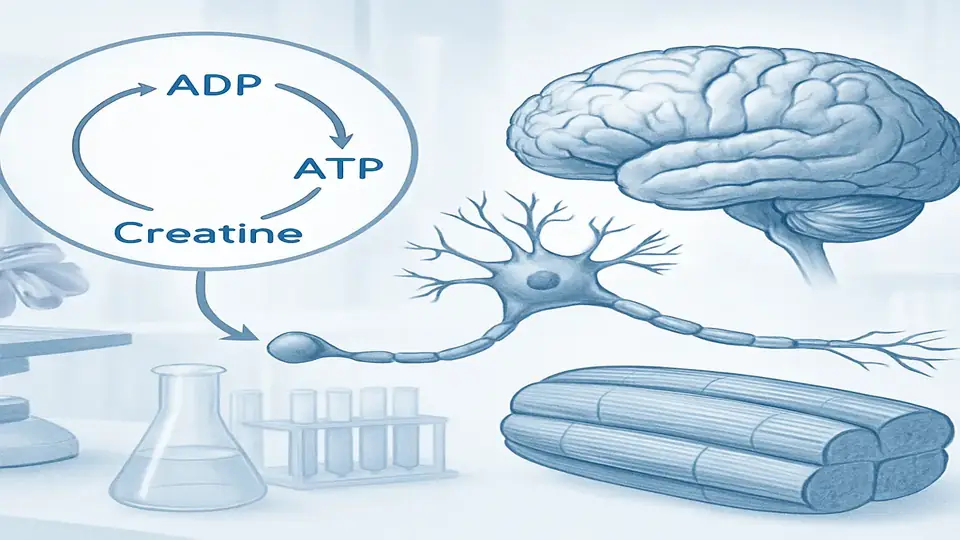
 Creatine for Longevity and Brain Health: What the Evidence Actually Shows
Creatine does far more than build muscle. This physician-reviewed guide covers creatine supplementation for longevity, cognitive health, and sarcopenia prevention.
 Supplements
 Shilajit: Fulvic Acid, Mitochondrial Energy, and Testosterone Support
A physician's clinical guide to shilajit — how fulvic acid drives mitochondrial energy, supports testosterone, and offers neuroprotective effects. Dosing, forms, and safety.
 Supplements
 Phosphatidylserine: Memory, Cortisol & Cognitive Aging
A physician's clinical guide to phosphatidylserine — how it supports memory, blunts cortisol, and slows cognitive aging. Evidence-based dosage and protocols.
 Supplements
 Rhodiola Rosea: Clinical Evidence for Fatigue, Cortisol, and Cognitive Performance
A physician's guide to Rhodiola rosea — how it modulates the HPA axis, reduces stress-related fatigue, and improves cognitive performance in clinical practice.
 Peptides
 Semax: The Nootropic Peptide That Amplifies BDNF and Protects the Brain
Semax is a synthetic ACTH-derived peptide that upregulates BDNF, enhances focus and memory, and offers neuroprotection — used clinically in Russia for decades.
 Neuromodulation
 PEMF Frequency Guide: Which Hz Settings Treat Which Conditions
Physician's guide to PEMF frequency selection—from 1 Hz sleep protocols to 100 Hz inflammation reduction. Know which settings match your condition.
 Protocols
 IV Laser Therapy: A Physician's Complete Guide to Intravenous Photobiomodulation
A physician's guide to intravenous laser blood irradiation: mechanisms, clinical evidence, treatment protocols, and who benefits most from ILBI therapy.
 Longevity
 Cold Plunge Science: What Cold Water Immersion Does to Your Body
A physician's evidence-based breakdown of cold plunge physiology — from norepinephrine spikes to metabolic shifts, and how to dose cold water immersion safely.
 Neuromodulation
 Photobiomodulation for Depression: What the Clinical Evidence Actually Shows
Dr. Douwes reviews transcranial photobiomodulation for depression — mechanisms, clinical trial data, dosing protocols, and how it fits an integrative mental health strategy.
 Neuromodulation
 Neurofeedback for Lyme Brain Fog
How neurofeedback retrains dysregulated brainwave patterns in Lyme disease patients. qEEG findings, clinical evidence, and what to expect from treatment.
 Neuromodulation
 Neurofeedback vs Biofeedback: Which Do You Need?
Clear comparison of neurofeedback and biofeedback. What each measures, how they work, conditions they treat, and how to choose the right one for your situation.
 Neuromodulation
 PEMF for Lyme Disease and Chronic Pain
How pulsed electromagnetic field therapy supports pain relief and inflammation reduction in Lyme disease — mechanism, clinical evidence, and practical considerations.
 Neuromodulation
 At-Home Vagus Nerve Exercises: Evidence-Based Techniques
Evidence-based vagus nerve exercises you can do at home — diaphragmatic breathing, cold exposure, humming, and why starting slow matters for dysautonomia patients.
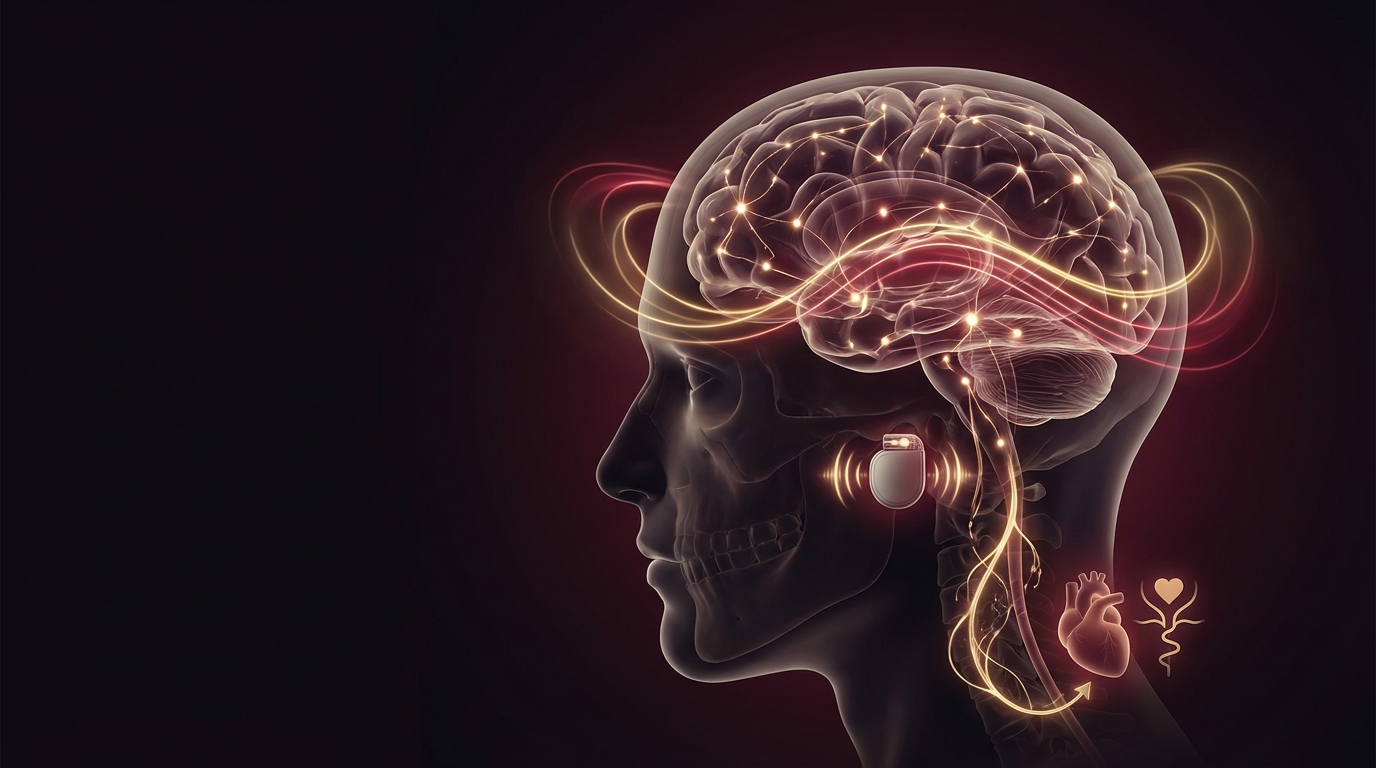 Neuromodulation
 Vagus Nerve Stimulation for Chronic Fatigue and POTS
How vagus nerve stimulation restores autonomic balance in chronic fatigue and POTS — the cholinergic anti-inflammatory pathway, clinical evidence, and treatment options.
 Neuromodulation
 PEMF Therapy Side Effects: What to Expect
What to expect during and after PEMF therapy — common responses, contraindications, how to titrate sessions, and when temporary symptom increases are normal.
 Neuromodulation
 Brain Fog and Neuroinflammation: The PET Scan Evidence
What causes brain fog in Lyme disease — Johns Hopkins PET scan findings showing glial activation, neuroinflammation mechanisms, and treatment implications.
 Neuromodulation
 PEMF vs TENS vs Red Light: Comparing Energy Therapies
Head-to-head comparison of PEMF, TENS, and red light therapy. Mechanisms, evidence, best use cases, and how to choose the right energy therapy for your condition.
 Neuromodulation
 Clearing Brain Fog After Treatment: Recovery Timeline
What to expect during brain fog recovery after Lyme treatment — the multi-system recovery approach, realistic timelines, and evidence-based strategies.
 Neuromodulation
 Neuropsychological Testing for Brain Fog: When and Why
When to get neuropsychological testing for brain fog. What the evaluation measures, how it differs from standard neurology exams, and what the results mean for treatment.
 Neuromodulation
 Photobiomodulation for Brain Fog: Mitochondrial Rescue
How photobiomodulation targets mitochondrial dysfunction to clear brain fog. Mechanism, clinical evidence, and practical application for chronic illness patients.
 Neuromodulation
 PBM vs Red Light Therapy: What's the Difference?
Photobiomodulation vs red light therapy explained. Terminology, wavelengths, clinical vs consumer devices, and why the distinction matters for brain health.
 Neuromodulation
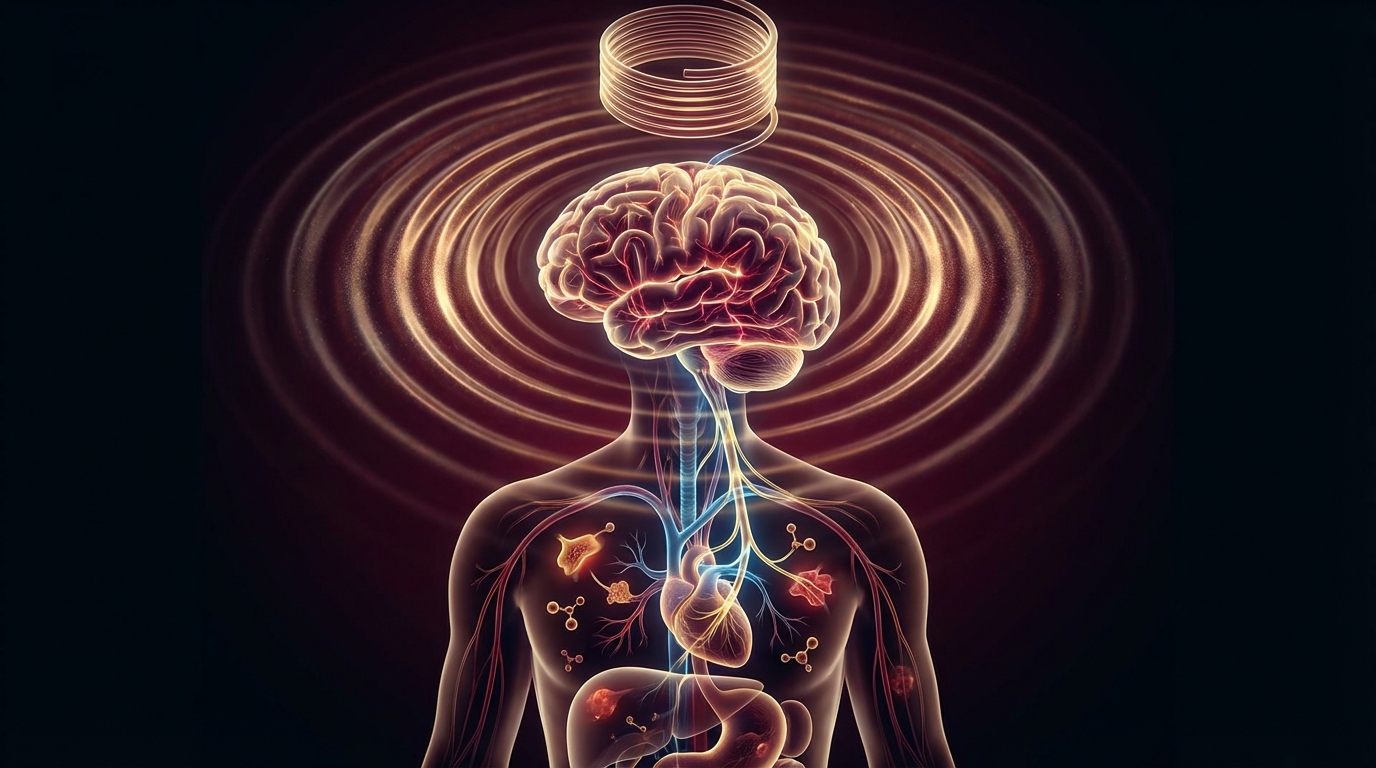
 The Vagus Nerve and Inflammation: Cholinergic Anti-Inflammatory Pathway
How the vagus nerve controls inflammation through the cholinergic anti-inflammatory pathway. Mechanism, clinical significance, and implications for chronic illness.
 Peptides
 Dihexa Dosage: Nootropic Protocol and Safety
Dihexa dosing guide by Dr. Julian Douwes. Oral and subcutaneous protocols, the c-Met safety question, and why caution is warranted with this potent nootropic peptide.
 Neuromodulation
 qEEG Brain Mapping: What It Shows and Who Needs It
Complete guide to quantitative EEG brain mapping. What the test measures, how it identifies brain dysregulation, and why it matters for neurofeedback and brain fog treatment.
 Neuromodulation
 Transcranial Photobiomodulation: Light Through the Skull
Evidence-based review of transcranial photobiomodulation for brain health. Wavelengths, mechanisms, clinical trial data, and what I see in practice.
 Neuromodulation
 Brain Fog Treatment: A Physician's Complete Guide
Brain fog treatment options from neuroinflammation workup to neuromodulation. Causes include post-COVID, Lyme, MCAS, and mold. TPS, NAD+, and hyperbaric oxygen covered.
 Neuromodulation
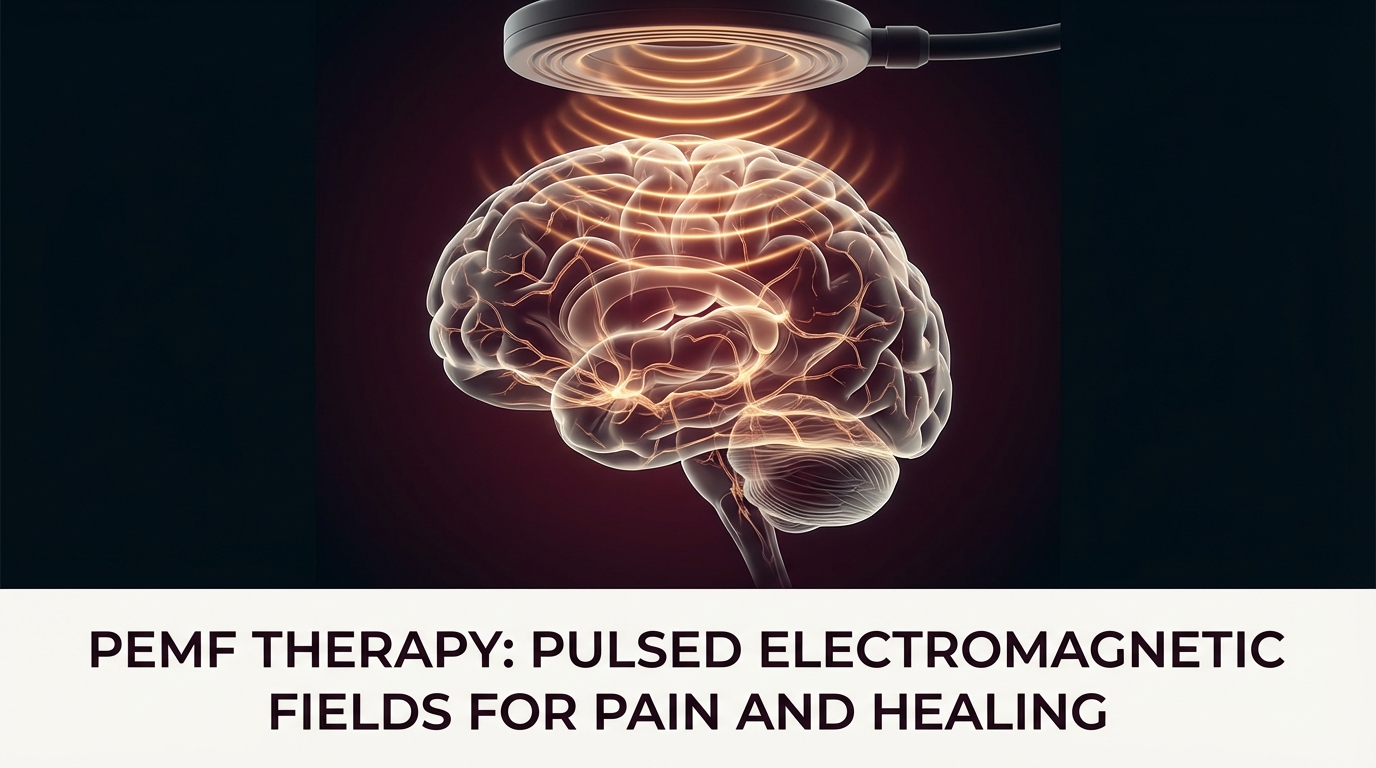
 PEMF Therapy: Pulsed Electromagnetic Fields for Pain and Healing
Evidence-based review of PEMF therapy. Mechanisms, clinical evidence for pain, bone healing, inflammation, and tissue repair. What the research shows and what we observe in practice.
 Immunology
 Chronic Fatigue Syndrome: A Physician's Complete Guide
A physician's complete guide to chronic fatigue syndrome. Mitochondrial dysfunction, immune dysregulation, diagnostic criteria, and the stepwise treatment approach we use at Klinik St. Georg.
 Neuromodulation
 Photobiomodulation: Red and Near-Infrared Light for the Brain
Evidence-based review of transcranial photobiomodulation. How red and near-infrared light affects brain metabolism, the evidence for TBI, dementia, depression, and cognitive enhancement.
 Infectiology
 Post-COVID Brain Fog: Mechanisms and Treatment
Why COVID-19 causes persistent cognitive dysfunction and what can be done about it. Mechanisms, assessment, and treatment strategies.
 Infectiology
 Neuroborreliosis: When Lyme Crosses the Blood-Brain Barrier
How Borrelia invades the central nervous system, why neuroborreliosis is underdiagnosed, and how hyperthermia, TPS, and multimodal protocols treat what antibiotics alone cannot reach.
 Neuromodulation
 Neurofeedback for ADHD: Does It Work?
Neurofeedback for ADHD reviewed honestly. EEG mechanism, theta/beta ratio, clinical trial evidence, limitations, session requirements, and realistic expectations from a physician.
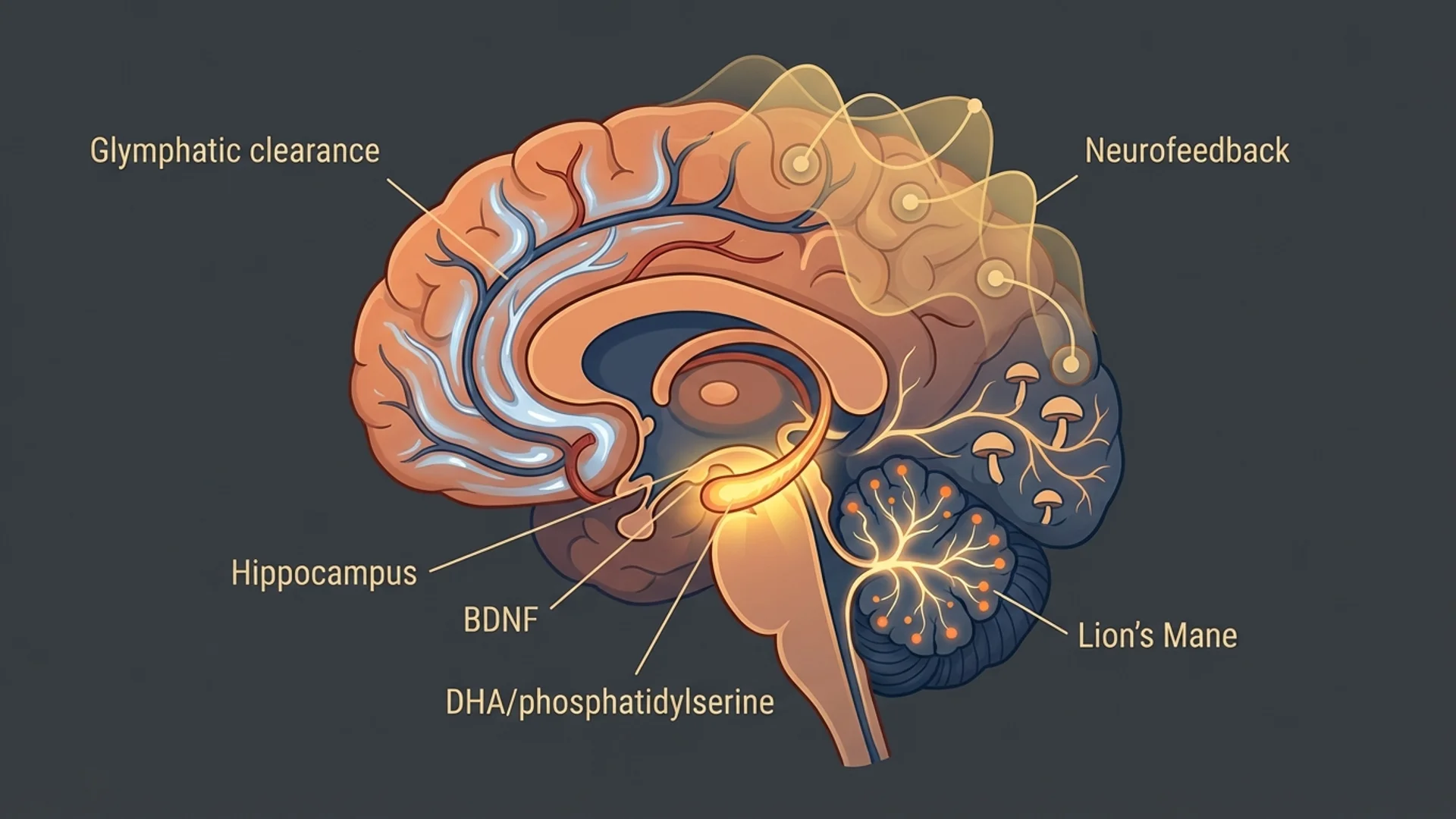 Protocols
 Cognitive Performance Protocol
Evidence-based protocol for mental clarity, focus, and memory from a physician who treats cognitive dysfunction daily.
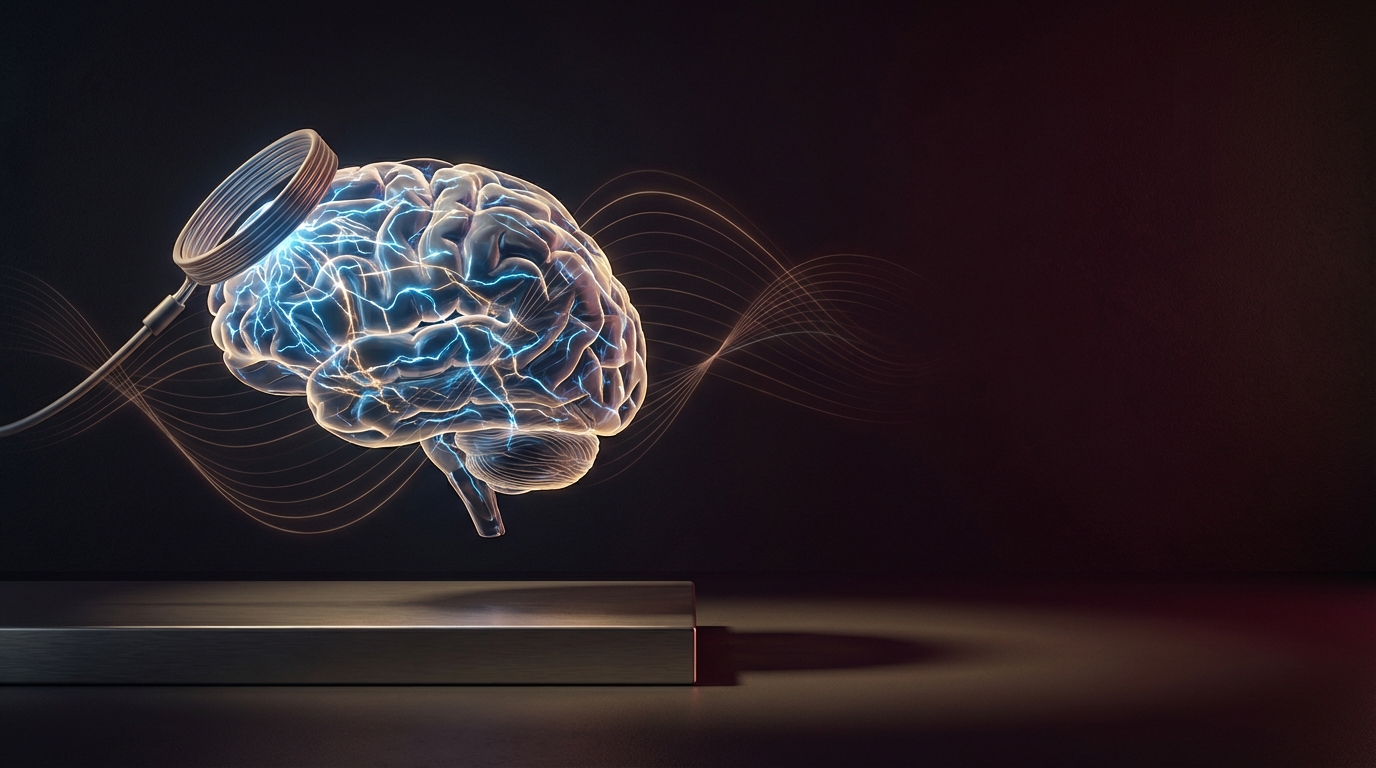 Neuromodulation
 TMS for Depression: What 20 Years of Evidence Shows
TMS depression treatment reviewed by a physician. FDA clearance history, rTMS protocols, theta burst stimulation, response rates, and who responds best.
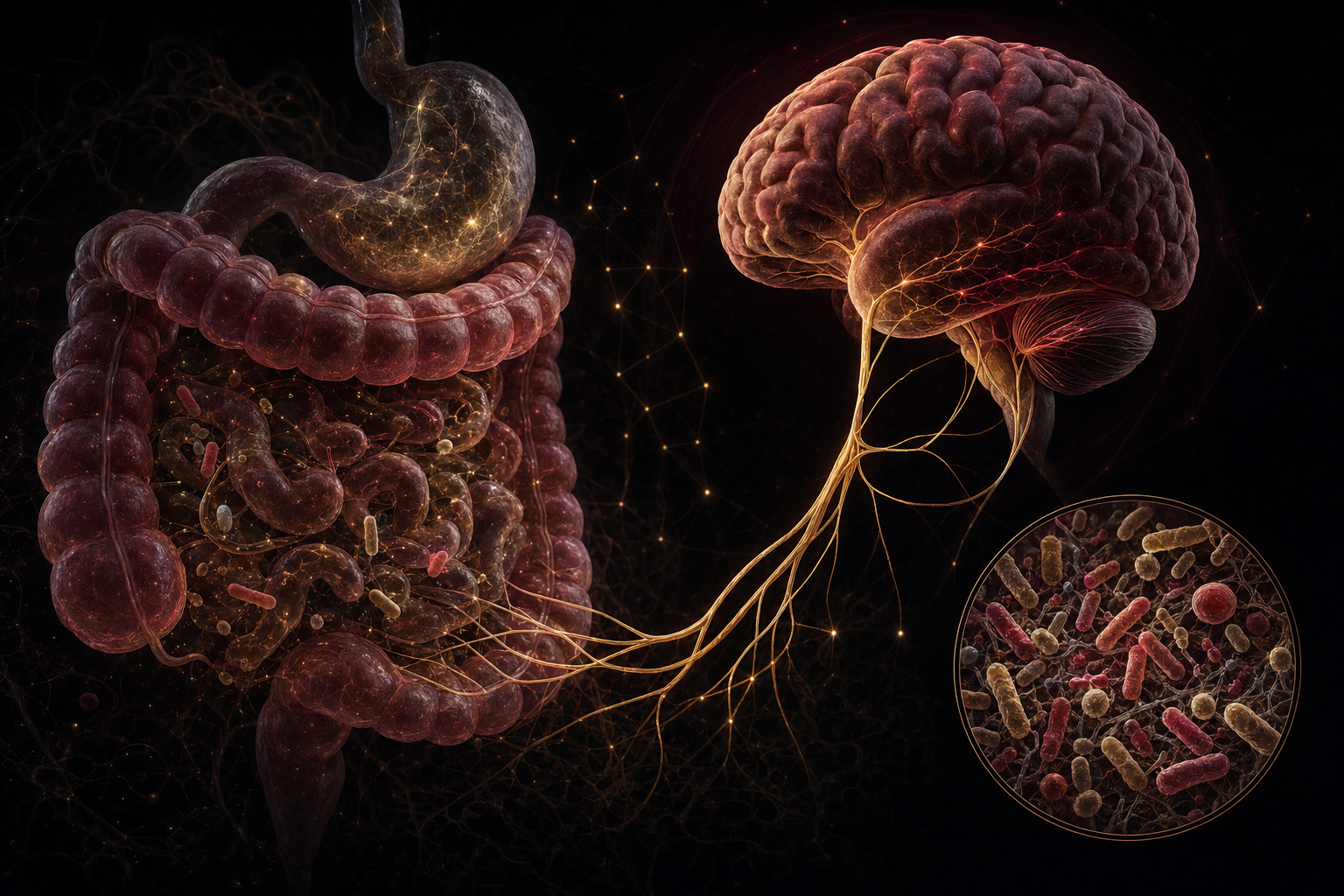
Gut-Brain Axis: How Healing Your Gut Can Transform Brain and Mood Health
The bidirectional gut-brain axis governs mood, cognition, and immune balance. Dr. Julian Douwes explains the science and integrative protocols for restoring this critical communication pathway.
The Physician's Guide to Neuromodulation
In-depth reference by Dr. Julian Douwes
What Is Neuromodulation?
Neuromodulation uses electrical, magnetic, acoustic, or light energy to alter brain and nerve function. Unlike medication — which changes chemistry globally — neuromodulation targets specific circuits with precision. Unlike surgery — which is irreversible — most neuromodulation is non-invasive and adjustable.
At St. George Hospital, we integrate neuromodulation into treatment programs for chronic pain, post-COVID brain fog, Lyme neuroborreliosis, depression, and cognitive decline. It complements our existing therapies — hyperthermia, apheresis, peptides, IV protocols — rather than replacing them.
The Therapies
Transcranial Magnetic Stimulation (TMS)
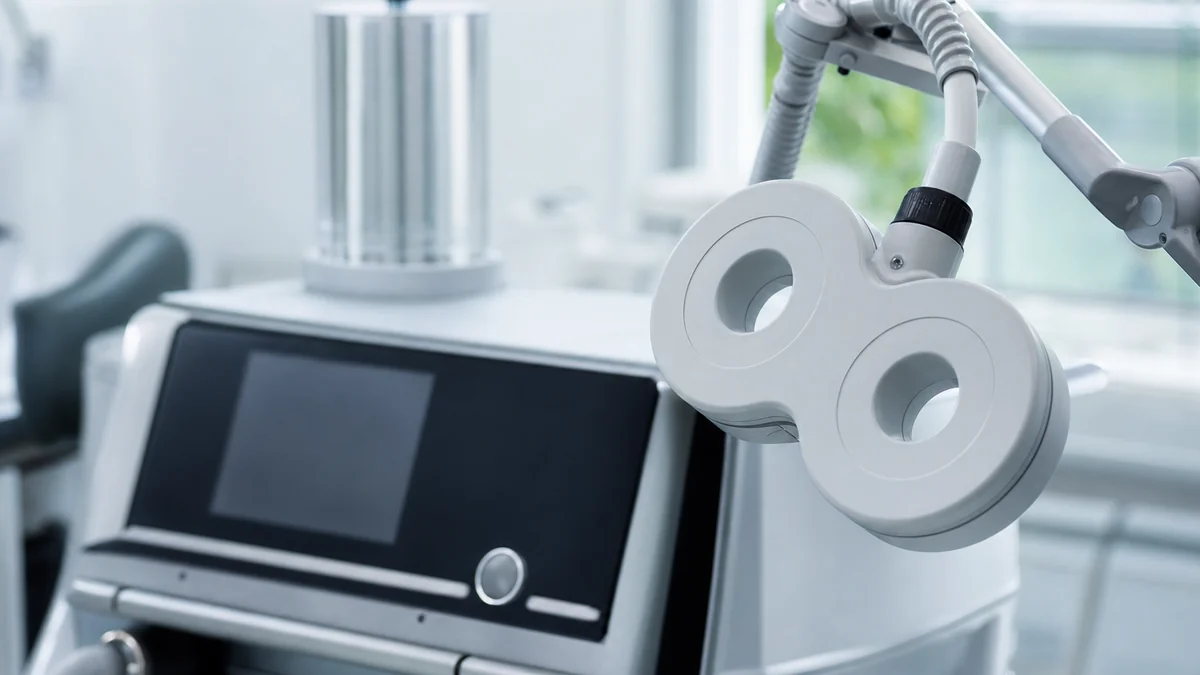
A coil placed against the scalp generates magnetic pulses that induce electrical currents in targeted brain regions. Repetitive TMS (rTMS) is FDA-cleared for treatment-resistant depression, OCD, and smoking cessation. The Stanford SAINT protocol achieved 79% remission in treatment-resistant depression — a remarkable result.
Evidence level: Strong. Multiple large RCTs and meta-analyses.
Conditions: Depression, OCD, chronic pain, migraine, PTSD, post-COVID cognitive symptoms.
Transcranial Direct Current Stimulation (tDCS)
Low-intensity direct current (1-2 mA) through scalp electrodes modulates cortical excitability. Anodal stimulation increases activity; cathodal decreases it. The Flow FL-100 became the first FDA-approved home tDCS device for depression in late 2025.
Evidence level: Moderate-strong. Hundreds of RCTs. Best evidence for depression and cognitive enhancement in aging.
Conditions: Depression, chronic pain, cognitive decline, post-stroke rehabilitation.
Vagus Nerve Stimulation (VNS)
The vagus nerve connects to the brainstem, limbic system, and cortex. Stimulating it activates the cholinergic anti-inflammatory pathway — reducing TNF-alpha, IL-1beta, and IL-6. Non-invasive transcutaneous auricular VNS (taVNS) stimulates the vagus through the ear, requiring no surgery.
Evidence level: Strong for epilepsy and depression (invasive). Moderate-emerging for taVNS across multiple conditions.
Conditions: Epilepsy, depression, inflammatory bowel disease, rheumatoid arthritis, chronic pain, PTSD, dysautonomia, post-COVID.
This is where I see enormous potential for Lyme disease. Columbia University is currently recruiting for a VNS trial for post-treatment Lyme disease. The anti-inflammatory mechanism directly addresses persistent neuroinflammation.
Neurofeedback
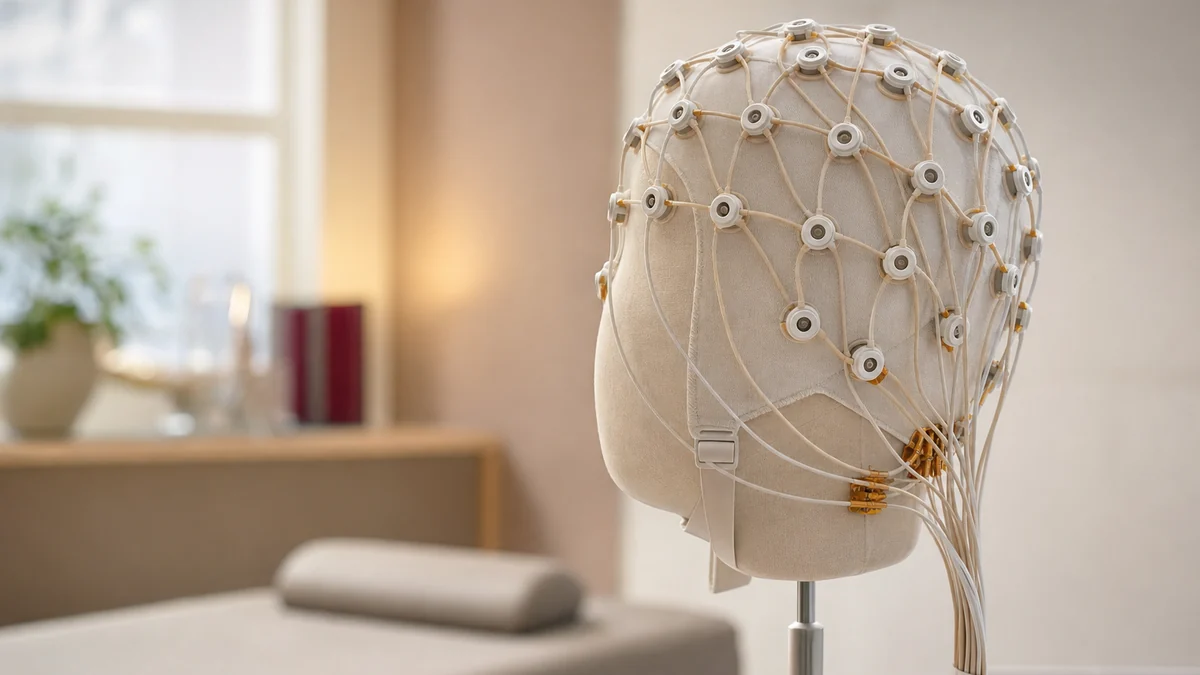
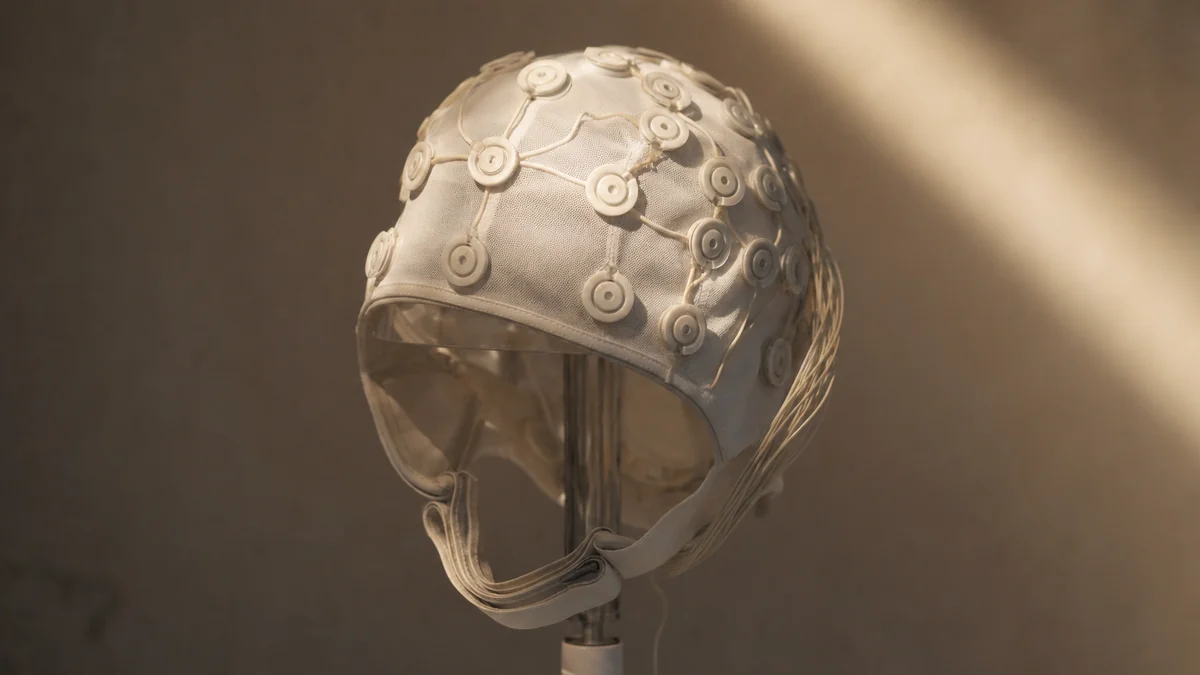
Real-time EEG monitoring provides feedback to train patients to self-regulate brainwave patterns. Quantitative EEG (qEEG) brain mapping identifies aberrant patterns that guide protocol selection.
Evidence level: Moderate. Over 3,000 peer-reviewed studies. Level 1 evidence for ADHD.
Conditions: ADHD, anxiety, depression, PTSD, insomnia, chronic pain, cognitive decline.
In Lyme patients, abnormal qEEG patterns are found in approximately 75% of active cases. Published case reports show significant cognitive improvement after neurofeedback training.
PEMF (Pulsed Electromagnetic Field Therapy)
Pulsed electromagnetic fields at specific frequencies influence DNA synthesis, gene expression, and mitochondrial function. FDA-cleared for bone healing since 1979.
Evidence level: Mixed. Strong for bone healing and spinal pain. A 2025 meta-analysis found highly fragmented evidence for neuropathic pain.
Conditions: Bone fracture non-union, osteoarthritis, chronic pain (especially spinal/radicular), wound healing.
Transcranial Photobiomodulation
Near-infrared light (810nm or 1064nm) absorbed by cytochrome c oxidase in mitochondria enhances ATP production, reduces neuroinflammation, improves cerebral blood flow, and promotes neurogenesis.
Evidence level: Emerging. Compelling preclinical data. Clinical validation in early phases.
Conditions: Alzheimer’s, Parkinson’s, traumatic brain injury, depression, cognitive enhancement.
Transcranial Pulse Stimulation (TPS)
Focused ultrasound pulses reach deep brain structures non-invasively. A February 2025 RCT published in JAMA Network Open showed significant cognitive improvement in Alzheimer’s patients aged 70 or under. Approved in Europe for clinical treatment of Alzheimer’s disease.
Evidence level: Moderate-strong for Alzheimer’s.
Cranial Electrotherapy Stimulation (CES)
Low-level alternating microcurrent via ear-clip electrodes. FDA-cleared for anxiety, depression, and insomnia. A 2025 real-world study found 48% achieved insomnia remission by day 21.
Evidence level: Moderate. High certainty for anxiety. Large effect size for insomnia.
How We Choose the Right Therapy
Every neuromodulation program begins with assessment:
- qEEG brain mapping — identifies specific brainwave pattern abnormalities
- Autonomic testing — HRV analysis, tilt-table if dysautonomia suspected
- Neurocognitive assessment — baseline cognitive function measurement
- Clinical history — the underlying condition determines which modalities apply
We do not apply neuromodulation blindly. The diagnostic workup determines which circuits need modulation and in which direction.
Integration with Other Therapies
Neuromodulation is most powerful when combined with other treatment modalities:
- Post-COVID: taVNS for autonomic regulation + apheresis for microclot removal + NAD+ IV for mitochondrial support + neurofeedback for cognitive rehabilitation
- Lyme neuroborreliosis: Antimicrobial therapy + neurofeedback for cognitive recovery + taVNS for neuroinflammation + TMS for depression
- Cancer pain: TMS for pain modulation + PEMF for musculoskeletal symptoms + CES for anxiety and sleep
- Longevity: TPS for cognitive preservation + neurofeedback for brain performance + photobiomodulation for neuroprotection
Safety
Non-invasive neuromodulation has an excellent safety profile. Common side effects are mild and transient — scalp discomfort with TMS, mild headache with tDCS, skin irritation with electrode placement.
Contraindications vary by modality but generally include: metal implants near the stimulation site (TMS), active seizure disorder (some modalities), and pregnancy (precautionary).
The Evidence Honest Assessment
I want to be transparent about where the evidence stands:
- Strong: TMS for depression, VNS for epilepsy, CES for anxiety, TPS for Alzheimer’s
- Moderate: tDCS for depression and pain, neurofeedback for ADHD, PEMF for bone healing
- Emerging: VNS for Lyme disease, photobiomodulation for neurodegeneration, tDCS for post-COVID
- Preliminary: Binaural beats for cognitive enhancement, LIFU for mood disorders
We use modalities across this spectrum, but we are always honest with patients about evidence levels. A therapy with emerging evidence may still be worth trying when conventional options have been exhausted — but the patient deserves to know where we stand scientifically.