
At a Glance
| Feature | L-Tryptophan | 5-HTP |
|---|---|---|
| Pathway step | Precursor (2 steps from serotonin) | Direct precursor (1 step) |
| CNS penetration | Moderate | High |
| Melatonin production | Yes | Minimal |
| Typical dose | 500–2,000 mg/day | 50–300 mg/day |
| Onset | Slower (days–weeks) | Faster (hours–days) |
| Drug interactions | Moderate | Significant (SSRIs, MAOIs) |
| Best for | Sleep, gentler mood support | Mood, anxiety, acute insomnia |
| Evidence level | Moderate RCT data | Good RCT data (depression, sleep) |
Among patients dealing with chronic Lyme disease, post-COVID syndrome, or prolonged stress, few complaints are as universal as disrupted sleep, low mood, and mental fog. Before reaching for prescription antidepressants or hypnotics, many patients — and thoughtful clinicians — ask whether restoring the serotonin precursor pool is a better first step. In my clinical experience, 5-HTP and L-tryptophan fill a genuine therapeutic niche when used correctly. The key word is correctly: these are biologically active compounds that demand the same clinical precision as any pharmaceutical.
This guide covers the biochemistry, the evidence, clinical dosing strategies, and the safety signals that matter most in a medically complex population.
The Serotonin Pathway: Where Tryptophan and 5-HTP Fit
Serotonin synthesis follows a short but tightly regulated sequence:
L-Tryptophan → 5-Hydroxytryptophan (5-HTP) → Serotonin (5-HT) → N-Acetylserotonin → Melatonin
L-tryptophan is an essential amino acid obtained from diet (turkey, eggs, dairy, pumpkin seeds). The enzyme tryptophan hydroxylase converts it to 5-HTP — a rate-limiting step controlled by cofactors including iron, tetrahydrobiopterin (BH4), and molecular oxygen. This enzyme is active predominantly in the gut (enterochromaffin cells) and brainstem raphe nuclei.
5-HTP is then decarboxylated by aromatic L-amino acid decarboxylase (AADC, which requires pyridoxal-5-phosphate, the active form of B6) to yield serotonin.
Why this matters clinically
Because tryptophan must pass through the rate-limiting hydroxylation step, its conversion to serotonin is variable. Competition from other large neutral amino acids (LNAAs) at the blood-brain barrier transporter further limits brain entry. 5-HTP bypasses all of this: it crosses the BBB readily and is decarboxylated directly in the CNS.
This explains why 5-HTP at 100–200 mg produces measurably greater central serotonergic effects than several hundred milligrams of tryptophan. It also explains why the risk profile differs.
What the Evidence Shows
5-HTP for depression
A 2002 Cochrane review identified two methodologically sound RCTs comparing 5-HTP (150–300 mg/day) against placebo in mild-to-moderate depression, both showing significant improvement in Hamilton Depression Rating Scale scores. A 1991 trial by van Praag and colleagues showed 5-HTP comparable to fluvoxamine for unipolar depression over six weeks.
The limitation is small sample sizes and short follow-up. No large, long-term RCTs exist. I use 5-HTP as an adjunct or in patients who prefer to avoid pharmaceuticals — not as a first-line treatment for major depression.
5-HTP for sleep
A well-designed pediatric RCT (Bruni et al., 2004, European Journal of Pediatric Neurology) demonstrated 5-HTP at 2 mg/kg reduced night-waking episodes in children with sleep terrors. Adult data is more limited but mechanistically plausible: serotonin is the direct precursor to melatonin in the pineal gland, and gut-derived serotonin modulates intestinal motility and circadian entrainment.
In practice, 5-HTP (50–100 mg, 30–60 minutes before bed) reliably shortens sleep latency in patients with elevated arousal. It pairs well with magnesium glycinate and low-dose melatonin.
L-Tryptophan for sleep and seasonal mood
Tryptophan’s strongest evidence base is in sleep. A meta-analysis in Nutritional Neuroscience (2016) of five controlled trials found 1 g L-tryptophan significantly reduced sleep latency versus placebo. At the same dose, tryptophan also produced daytime alertness benefit the following morning — an effect not seen with benzodiazepines.
For seasonal affective disorder (SAD), tryptophan has been studied as an adjunct to light therapy, with modest additive benefit in serotonin-depleted winter states.
Relevance to chronic illness
In Lyme disease and post-COVID, chronic immune activation elevates indoleamine 2,3-dioxygenase (IDO) — the enzyme that shunts tryptophan down the kynurenine pathway rather than toward serotonin. This is the biochemical basis for the immune-serotonin connection: inflammation literally robs the brain of serotonin precursor. Measuring kynurenine:tryptophan ratios in chronically ill patients often reveals IDO overactivation, which partially explains the profound mood and cognitive symptoms in this population.
Restoring the tryptophan substrate while modulating neuroinflammation — not simply supplementing one compound — is the more complete strategy.
Clinical Dosing Protocols
L-Tryptophan
- Starting dose: 500 mg at bedtime with a low-protein snack (reduces LNAA competition)
- Therapeutic range: 1,000–2,000 mg/day; most clinical benefit at 1–1.5 g
- Timing: Bedtime dosing for sleep; split dosing (morning and evening) for mood support
- Duration: 4–8 weeks to assess response; may continue long-term if well-tolerated
- Cofactors: Ensure adequate B6 (P5P form preferred), zinc, and iron — all required for enzymatic conversion
5-HTP
- Starting dose: 25–50 mg with evening meal (peripheral decarboxylation before CNS entry is reduced when taken with food)
- Therapeutic range: 100–300 mg/day; titrate up by 50 mg every two weeks
- Timing: 50–100 mg at bedtime for sleep; 50 mg morning + 50 mg afternoon for mood/anxiety
- Duration: 4–6 weeks trial; reassess at 3 months
- Carbidopa considerations: When higher doses are needed, adding 50–75 mg carbidopa (a peripheral AADC inhibitor) prevents gut conversion of 5-HTP to serotonin, reducing GI side effects and improving CNS delivery — only in specialist settings
Special population: chronically ill patients
In Lyme disease or post-COVID patients on complex protocols, I typically start with tryptophan (500 mg at bedtime) rather than 5-HTP because:
- Lower risk of serotonin excess with concurrent cytokine dysregulation
- Dual pathway to melatonin supports disrupted circadian rhythm
- Gentler onset reduces the risk of overwhelming a sensitized nervous system
5-HTP is reserved for patients who have trialled tryptophan without adequate sleep response, or when a targeted anxiolytic/mood effect is needed.
Safety and Drug Interactions
Serotonin syndrome
This is the non-negotiable concern. Serotonin syndrome — ranging from shivering and diarrhea to hyperthermia, rigidity, and death — occurs when serotonergic load exceeds CNS tolerance.
Contraindications and high-caution combinations:
- MAO inhibitors (irreversible: phenelzine, tranylcypromine; reversible: moclobemide): absolute contraindication
- SSRIs and SNRIs: avoid 5-HTP; use tryptophan only with physician oversight
- Tricyclic antidepressants: moderate caution
- Tramadol: underappreciated serotonergic risk; avoid combination
- Linezolid (antibiotic with MAO-inhibiting properties): clinically relevant in Lyme patients on antibiotic protocols
- St. John’s Wort: additive serotonergic effect
- Dextromethorphan (many OTC cold preparations): avoid
Serotonin syndrome is dose-dependent and pharmacokinetically driven. In clinical practice, mild combinations (e.g., low-dose tryptophan + low-dose SSRI) rarely cause full-blown syndrome but can produce headache, GI cramping, and sleep fragmentation — symptoms that should prompt dose reduction.
Eosinophilia-myalgia syndrome (EMS)
A 1989–1990 outbreak of EMS was traced to contaminated L-tryptophan from a single Japanese manufacturer (Showa Denko) using a modified fermentation process. The causative contaminant was 1,1’-ethylidenebis(tryptophan) and several other impurities — not tryptophan itself.
Pharmaceutical-grade L-tryptophan manufactured under current GMP standards has an excellent long-term safety record. Patients should source from established supplement manufacturers with third-party testing.
GI side effects
Both compounds can cause nausea, particularly 5-HTP at higher doses. Taking with food reduces peripheral decarboxylation and GI serotonin exposure. If nausea persists above 100 mg 5-HTP, consider splitting the dose or switching to tryptophan.
Practical Considerations for Patients
What to track:
- Sleep onset time and wake frequency (subjective log for 4 weeks)
- Morning mood score (simple 1–10 scale)
- Brain fog rating (relevant to post-COVID and Lyme patients)
- GI tolerance
Red flags requiring dose reduction or discontinuation:
- Headache, confusion, or restlessness within hours of dosing
- Muscle twitching or myoclonus
- Elevated heart rate at rest
- Any fever: serotonin syndrome must be excluded
Labs to consider:
- Tryptophan + kynurenine + kynurenate panel (specialized labs): identifies IDO overactivation
- Urinary organic acids (OAT): may show elevated xanthurenic or kynurenic acid indicating B6 insufficiency
- Serum B6 (P5P): ensure adequate cofactor status before supplementation
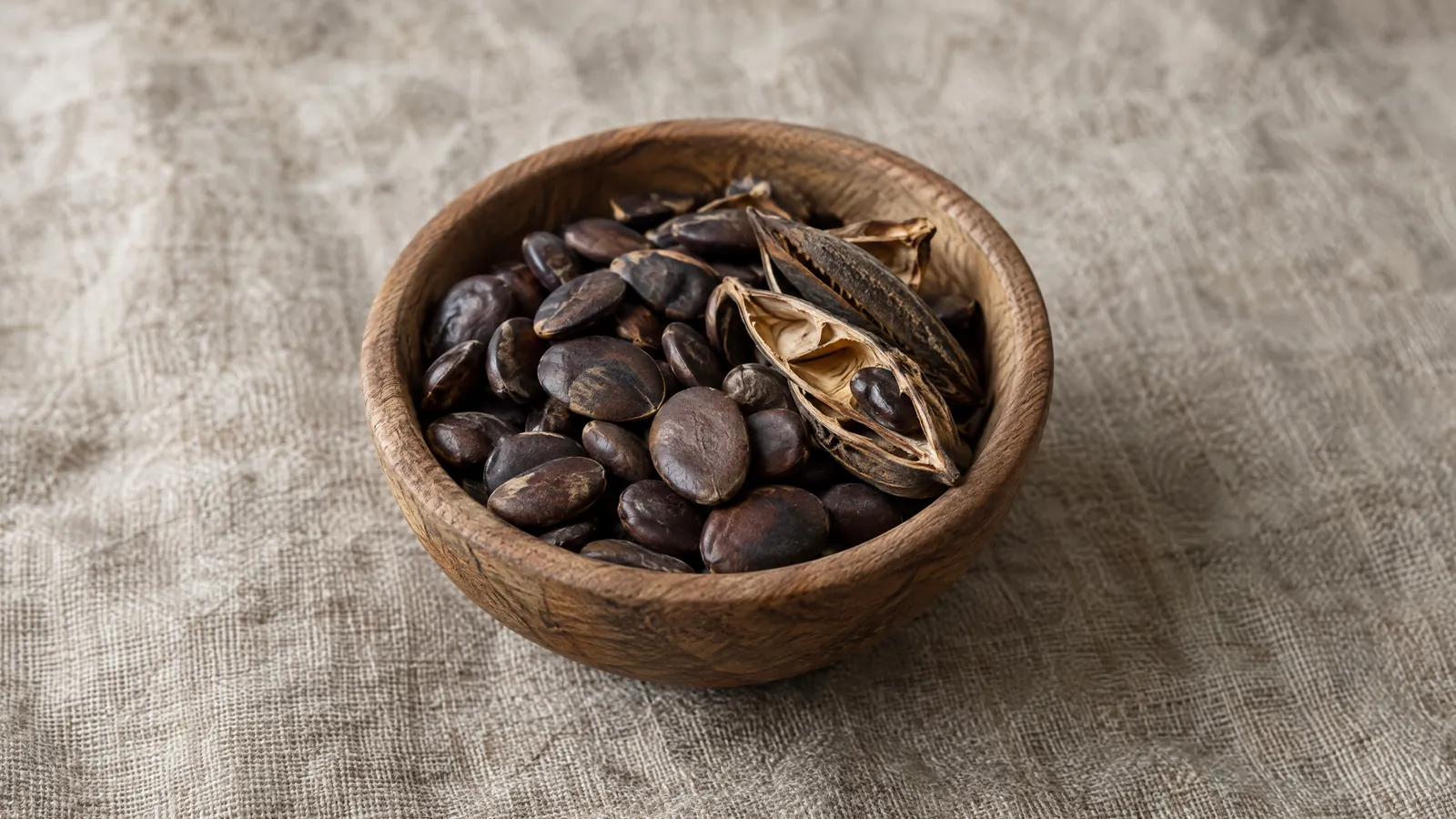
Forms and quality: L-tryptophan is available as a free amino acid supplement; choose pharmaceutical-grade with COA. 5-HTP is derived from Griffonia simplicifolia seed extract — a well-tolerated botanical source with a long clinical use record.
Related Articles
- Magnesium for Sleep: Forms, Dosing, and Why Most People Are Deficient
- Sleep Optimization Protocol: A Functional Medicine Approach
- Post-COVID Brain Fog: Mechanisms and Treatment Protocols
- Gut-Brain Axis: How Intestinal Health Drives Neurological Function
- Vagus Nerve and Chronic Inflammation: The Neuroscience Connection
References
- Shaw K, Turner J, Del Mar C. “Tryptophan and 5-Hydroxytryptophan for depression.” Cochrane Database Syst Rev. 2002;(1):CD003198. PMID: 11869656
- Bruni O, Ferini-Strambi L, Miano S, Verrillo E. “L-5-Hydroxytryptophan treatment of sleep terrors in children.” Eur J Pediatr Neurol. 2004;8(1):1–7. PMID: 15146330
- Silber BY, Schmitt JA. “Effects of tryptophan loading on human cognition, mood, and sleep.” Neurosci Biobehav Rev. 2010;34(3):387–407. PMID: 19715722
- Cervenka I, Agudelo LZ, Ruas JL. “Kynurenines: Tryptophan’s metabolites in exercise, inflammation, and mental health.” Science. 2017;357(6349):eaaf9794. PMID: 28751584
- Heyes MP, Saito K, Crowley JS, et al. “Quinolinic acid and kynurenine pathway metabolism in inflammatory and non-inflammatory neurological disease.” Brain. 1992;115(Pt 5):1249–1273. PMID: 1422788
- Rondanelli M, Opizzi A, Faliva M, et al. “Relationship between the absorption of 5-hydroxytryptophan from an integrated diet, by means of Griffonia simplicifolia extract, and the effect on satiety in overweight females after oral spray administration.” Eat Weight Disord. 2012;17(1):e22–28. PMID: 22142813
- van Praag HM, Lemus C. “Monoamine precursors in the treatment of psychiatric disorders.” Nutrition and the Brain. 1986;7:89–138.