At a Glance
| Parameter | Detail |
|---|---|
| Common forms | USP oral solution, compounded capsules, IV pharmaceutical grade |
| Cognitive dose range | 0.5–4 mg/kg (oral, intermittent) |
| IV protocol dose | 0.5–1 mg/kg over 30–60 min |
| Daily microdose | 5–15 mg oral (low-dose hormesis model) |
| Onset (oral) | 30–60 minutes |
| Half-life | ~5–6 hours |
| Key contraindications | G6PD deficiency, SSRIs/SNRIs, MAOIs, pregnancy |
| Urine color change | Blue-green at doses >1 mg/kg (harmless) |
Methylene blue occupies a rare position in pharmacology: it is simultaneously one of medicine’s oldest synthetic drugs (first synthesized 1876) and among the most actively researched compounds in longevity, neuroprotection, and mitochondrial medicine. In my practice, I use pharmaceutical-grade methylene blue for specific clinical indications — but the dosing questions I receive most often are from patients who have heard about its benefits without understanding how dramatically context changes the appropriate dose.
This guide covers the clinical evidence behind methylene blue dosing across its primary applications, with the contraindications and safety considerations that are non-negotiable before use.
How Methylene Blue Works: The Dose-Response Relationship
Before any dosage discussion, the most important concept to grasp is methylene blue’s hormetic dose-response curve — its effects are U-shaped, meaning:
- Very low doses (≤1 mg/kg): metabolic stimulation, enhanced mitochondrial electron transport, cognitive benefit
- Moderate doses (1–4 mg/kg, intermittent): maintained cognitive effects, some antimicrobial activity, used in research protocols
- High doses (>4 mg/kg chronically): pro-oxidant effects, potential neurotoxicity, serotonin syndrome risk
- Very high doses (>7 mg/kg): methemoglobin formation paradoxically worsens rather than treats methemoglobinemia
This U-shaped curve is not theoretical — multiple preclinical studies and human trials confirm it. A landmark paper by Rojas et al. (2012) demonstrated that the mitochondrial benefit (complex I and IV enhancement) peaks at low doses and reverses at high doses. This is why more is emphatically not better with methylene blue.
Mechanism of Action
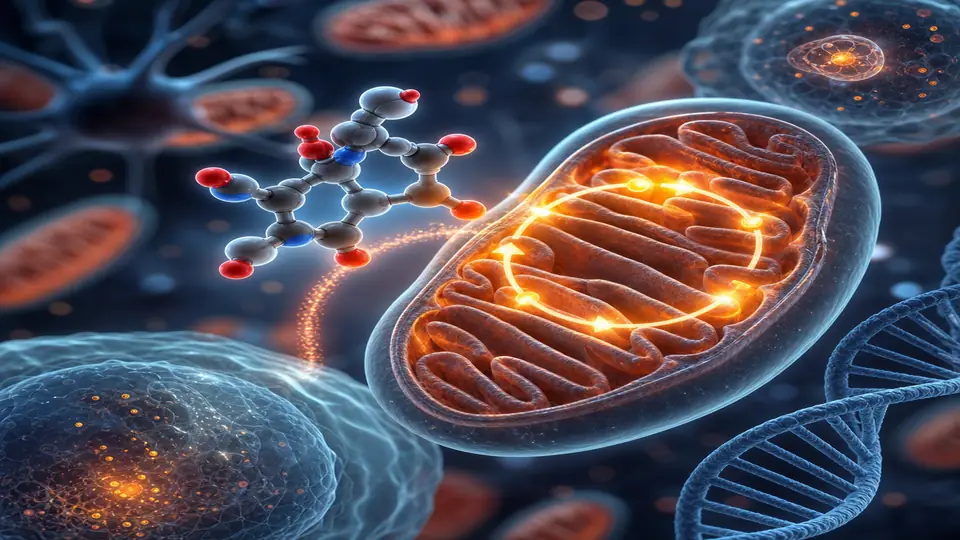
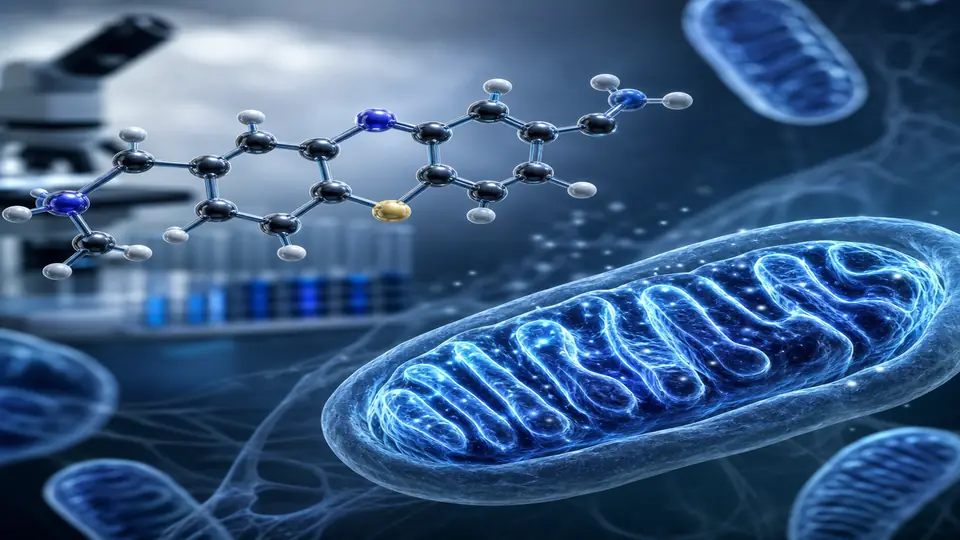
Methylene blue acts as an alternative electron carrier that can bypass dysfunctional segments of the mitochondrial electron transport chain (complexes I through IV). In cells with impaired mitochondrial function, it accepts electrons from NADH and transfers them directly to cytochrome c, allowing ATP synthesis to continue when the normal chain is blocked.
Additionally, methylene blue:
- Inhibits nitric oxide synthase (NOS) and guanylate cyclase, reducing pathological NO excess
- Demonstrates antiviral, antibacterial, and antifungal activity via photodynamic mechanisms
- Inhibits tau protein aggregation relevant to Alzheimer’s pathology
- Crosses the blood-brain barrier readily and concentrates in neural tissue
Methylene Blue Forms: Why Source Matters Enormously
This is not a topic where product quality is incidental. Methylene blue sold as a “lab reagent” or “industrial” grade contains heavy metal contaminants — arsenic, cadmium, lead — at concentrations that are harmful. The distinction between grades is clinical, not cosmetic.
Pharmaceutical Grade (USP)
The only form appropriate for human consumption. Must meet:
- Heavy metals <10 ppm total
- Purity ≥98% (active compound)
- Absence of specific contaminants per USP monograph
In Germany and Europe, this is available as licensed medicinal product or through compounding pharmacies under physician prescription.
Reagent/Research Grade
Not for human use. Despite widespread online sales and recommendations, reagent-grade methylene blue contains metal impurities that accumulate with repeated dosing. I see patients who have self-administered this form; the risk profile is unjustifiable when USP-grade is accessible.
Available Formulations
1% Aqueous Solution (oral): The most common pharmaceutical preparation. Each 1 mL contains 10 mg methylene blue. Allows precise microdosing. The characteristic blue-green staining of mucous membranes and urine is dose-dependent and harmless but should be anticipated.
Compounded Capsules: Available through compounding pharmacies. Useful for fixed-dose convenience but less titrateable. Verify the compounding pharmacy uses USP raw material.
Intravenous Solution: Pharmaceutical 1% methylene blue for injection. Hospital-grade product. Should only be administered by trained medical staff with resuscitation capability available.
Dosage Protocols by Clinical Application
1. Cognitive Enhancement and Neuroprotection (Nootropic Use)
The most extensive human research on methylene blue’s cognitive effects comes from memory consolidation studies. Wrubel et al. and subsequent researchers established that methylene blue enhances memory consolidation and retrieval at low doses — an effect tied to mitochondrial enhancement in hippocampal neurons.
Starting microdose protocol:
- Dose: 5–10 mg oral (approximately 0.1 mg/kg for an 80 kg adult)
- Frequency: 3–5 times per week (not daily — tolerance and receptor downregulation are observed with daily use)
- Timing: Morning, preferably with food
- Duration: 8–12 week cycles with 4-week breaks
Escalation to low-dose protocol:
- Dose: 15–30 mg oral (0.2–0.4 mg/kg)
- Same frequency and timing as above
- Only escalate after 2+ weeks tolerating starting microdose
Research-based cognitive protocol (under physician supervision):
- Dose: 0.5–4 mg/kg oral, intermittent
- This range is derived from the Tucker et al. (2018) memory enhancement trials
- Reserved for patients with documented cognitive decline, not general wellness
- Monitor liver enzymes and complete blood count with extended use at this range
2. Mitochondrial Support and Fatigue Protocols
In patients with mitochondrial dysfunction — including chronic Lyme disease, post-COVID fatigue, ME/CFS, and chemotherapy-associated fatigue — methylene blue represents a pharmacological approach to bypass acquired electron transport chain deficits.
Standard mitochondrial protocol:
- Dose: 0.5–1 mg/kg oral, 3 days per week
- Start at the lower end; assess response over 3 weeks before escalating
- Combine with CoQ10 (200–400 mg/day) and mitochondrial co-factors for synergy
- Total cycle: 8 weeks on, 4 weeks off
Signs of appropriate dosing: improved energy within 2–4 weeks, reduced post-exertional malaise, improved cognitive clarity
Signs of overdosing: increased fatigue (paradoxical), anxiety, elevated heart rate, blue-green mucous membranes without accompanying symptom improvement
3. IV Methylene Blue Protocols
Intravenous administration delivers higher peak brain concentrations with more rapid onset. At our clinic, IV methylene blue is used for:
- Acute cognitive acceleration protocols (combined with other IV nutrients)
- Vasoplegic shock (classical indication — 1–2 mg/kg)
- Methemoglobinemia treatment (1–2 mg/kg IV)
- Photodynamic antimicrobial therapy (specialist protocols)
Longevity/cognitive IV protocol (physician-administered only):
- Dose: 0.5–1 mg/kg in 250 mL normal saline
- Rate: Infuse over 30–60 minutes
- Frequency: Monthly or bi-monthly within a comprehensive protocol
- Monitoring during infusion: blood pressure, heart rate, oxygen saturation
- Post-infusion: avoid driving for 2–4 hours; blue-green urine is expected and harmless
IV methylene blue at this dose range produces a noticeable but generally well-tolerated experience. Patients commonly report a metallic taste, mild warmth, and sometimes transient visual changes (blue tinge to vision) that resolve within minutes of infusion completion.
4. Antimicrobial Applications (Lyme and Co-infections)
Methylene blue demonstrates antimicrobial activity against Borrelia burgdorferi, Mycobacterium species, and various biofilm-forming organisms through photodynamic mechanisms. Its electron-transport interference also disrupts anaerobic ATP generation pathways used by many obligate intracellular pathogens.
In my clinical experience with Lyme disease patients, methylene blue is not a monotherapy but a useful adjunct within broader treatment protocols. The antimicrobial doses studied in laboratory settings are higher than the neuroprotective doses and should not be self-administered.
Antimicrobial adjunct protocol (within comprehensive Lyme protocol, physician-managed):
- Dose: 1–2 mg/kg oral, 3 times per week
- Combine with photobiomodulation therapy (synergistic photodynamic effect)
- Not appropriate during Herxheimer reactions — begin after initial treatment stabilization
- 6-week cycles maximum; comprehensive labs before and during
Safety Profile and Contraindications
Absolute Contraindications
G6PD (Glucose-6-Phosphate Dehydrogenase) Deficiency: This is the most critical safety consideration. G6PD-deficient individuals cannot process the oxidative stress generated during methylene blue metabolism. The result can be life-threatening hemolytic anemia. G6PD deficiency must be ruled out with a blood test before any methylene blue use — even at microdose levels.
Prevalence is higher than commonly recognized: 5–15% in populations from Africa, the Mediterranean, and Southeast Asia. Always test first.
Serotonergic Drugs (SSRIs, SNRIs, TCAs, Triptans, Tramadol): Methylene blue is a potent inhibitor of monoamine oxidase A (MAO-A). Co-administration with serotonergic agents creates a serious serotonin syndrome risk — characterized by hyperthermia, agitation, tremor, hyperreflexia, and in severe cases, cardiovascular collapse. This interaction has resulted in deaths and FDA safety communications. For a comprehensive list of every contraindicated drug class and agent-specific washout periods, see Methylene Blue Drug Interactions: Serotonin Syndrome Risk and What to Avoid.
This is an absolute, not relative, contraindication. A minimum washout of 14 days (5 half-lives) is required after stopping SSRIs before methylene blue can be considered, and vice versa. Note: fluoxetine requires 4–6 weeks due to its long half-life.
MAOIs: As above — direct pharmacodynamic interaction.
Pregnancy and Breastfeeding: Insufficient safety data; contraindicated.
Relative Contraindications and Cautions
- Renal impairment: Methylene blue is renally cleared; reduce dose by 50% in CrCl <50 mL/min
- Hepatic impairment: Hepatic metabolism is involved; use with caution and reduced doses
- Hypersensitivity to phenothiazines: Structural similarity; rare cross-reactivity
- Chloroquine use: Potential for additive oxidative stress
Drug Interactions Beyond Serotonergics
| Drug/Class | Interaction | Action |
|---|---|---|
| SSRIs/SNRIs | Serotonin syndrome | Absolute contraindication |
| MAOIs | Serotonin syndrome | Absolute contraindication |
| Chloroquine | Additive oxidant stress | Avoid combination |
| Anticholinergics | Enhanced anticholinergic effects | Use with caution |
| Warfarin | Unpredictable INR changes | Monitor closely |
| Dextromethorphan | Serotonin effects | Avoid combination |
Side Effect Profile
At doses ≤1 mg/kg oral:
- Blue-green urine and stool: very common, harmless
- Nausea: 10–20%, minimized by taking with food
- Headache: 5–15%, usually dose-dependent
- Transient anxiety or restlessness: uncommon at low doses
At doses >2 mg/kg:
- Increased risk of all above
- Tachycardia, hypertension
- Paradoxical fatigue (hormetic curve exceeded)
- Blue discoloration of mucous membranes
Practical Dosing Protocol: How I Start Patients
For patients who have been cleared of contraindications (G6PD test confirmed normal, off serotonergic drugs, baseline labs including CBC and metabolic panel completed):
Week 1–2 (Calibration):
- 5 mg oral USP methylene blue, 3 mornings per week
- Assessment: energy, sleep, cognition, urine color, any adverse symptoms
Week 3–6 (Therapeutic range):
- If well tolerated: increase to 10–15 mg oral, 3–4 mornings per week
- For patients >90 kg: can consider 20 mg
Week 7–8 (Assessment and cycle completion):
- Reassess labs
- If continued use is indicated: 4-week off cycle before restarting
- Consider monthly IV protocol (0.5 mg/kg) as alternative to daily oral
What to watch for:
- Good response: noticeable cognitive clarity, improved energy, better exercise recovery
- Overdose signal: paradoxical increased fatigue after week 2–3 → reduce dose by 50%
- Alarm symptoms: tachycardia, significant agitation, severe headache → stop and seek evaluation
Methylene Blue Combinations and Stacking
Methylene blue pairs well with several supplements through complementary mechanisms:
Methylene blue + CoQ10: Both support mitochondrial electron transport through different mechanisms. Synergistic in mitochondrial dysfunction states.
Methylene blue + Alpha-lipoic acid: ALA recycles MB from its leucomethylene blue form, extending active duration. Use R-ALA 100–200 mg with each MB dose.
Methylene blue + Red/near-infrared light: Photobiomodulation (PBM) and MB share overlapping mechanisms in cytochrome c oxidase activation. The combination is additive.
Methylene blue + NAD+ precursors: Both address mitochondrial energetics from different angles. Not contraindicated; clinically complementary in fatigue-predominant presentations.
Do not combine with: Vitamin C at high doses within 2 hours (reduces MB back to leucoform, blunting acute effects).
Related Articles
- Methylene Blue: Clinical Applications and Evidence Overview
- NAD IV Therapy: What to Expect
- Mitochondrial Dysfunction: A Functional Medicine Protocol
- BPC-157 Dosage and Administration Guide
- Magnesium and Sleep: The Overlooked Connection
References
-
Rojas JC, Bruchey AK, Gonzalez-Lima F. Neurometabolic mechanisms for memory enhancement and neuroprotection of methylene blue. Prog Neurobiol. 2012;96(1):32–45. PMID: 22067440
-
Wrubel KM, Riha PD, Maldonado MA, et al. The brain metabolic enhancer methylene blue improves discrimination learning in rats. Pharmacol Biochem Behav. 2007;86(4):712–717. PMID: 17418895
-
Oz M, Lorke DE, Hasan M, Petroianu GA. Cellular and molecular actions of methylene blue in the nervous system. Med Res Rev. 2011;31(1):93–117. PMID: 19739216
-
Tucker D, Lu Y, Zhang Q. From mitochondrial function to neuroprotection — an emerging role for methylene blue. Mol Neurobiol. 2018;55(6):5137–5153. PMID: 28840456
-
Porrini C, Ramalingam A, Manzanero S, et al. Methylene blue as a neuroprotective agent: A mini-review. Front Pharmacol. 2020;11:420. PMID: 32322208
-
Walter-Sack I, Klotz U. Influence of diet and nutritional status on drug metabolism. Clin Pharmacokinet. 1996;31(1):47–64. PMID: 8827397
-
FDA Drug Safety Communication. Methylene blue can cause serious CNS reactions when given with serotonergic psychiatric drugs. FDA.gov, 2011. Updated 2016.