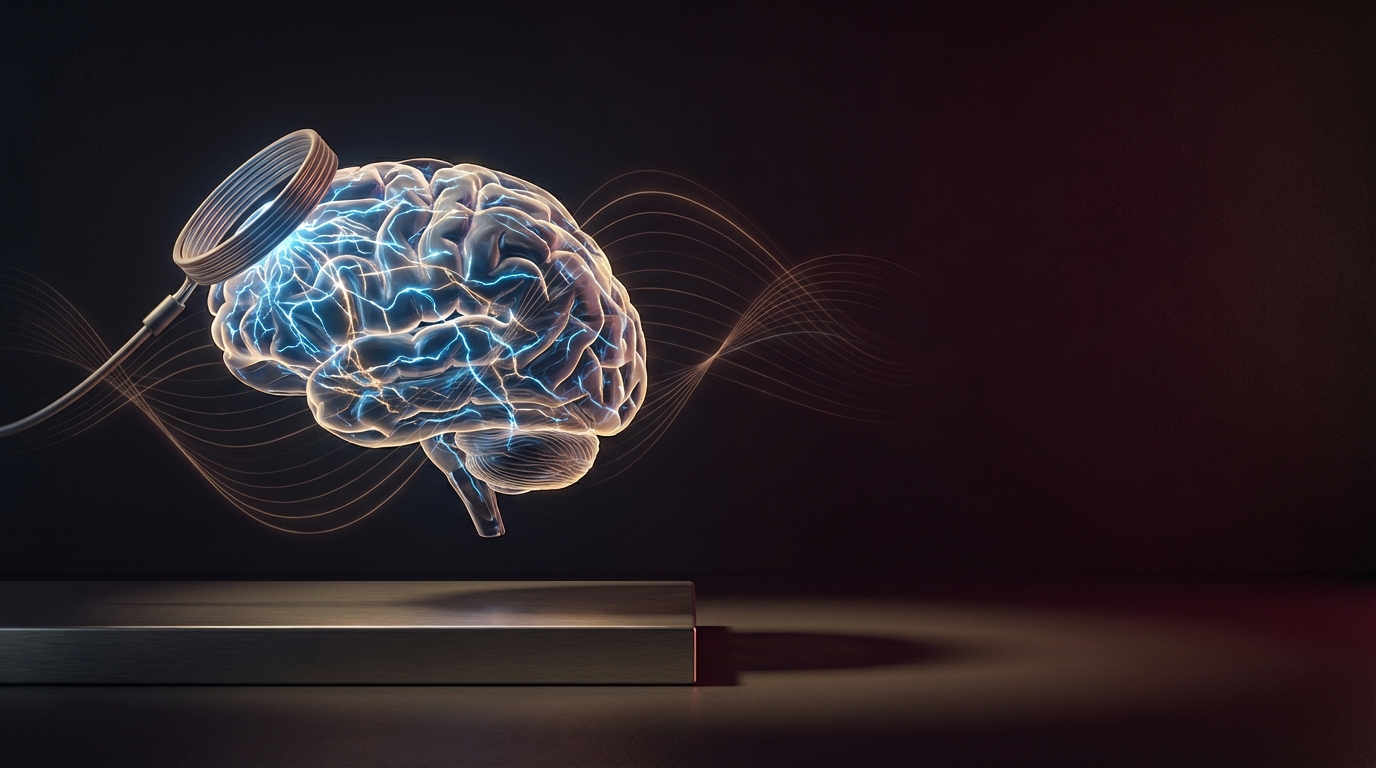
Foundational
What Is TMS? Transcranial Magnetic Stimulation Explained
Transcranial magnetic stimulation explained by a physician. TMS vs TPS, FDA clearance, session protocols, and why I rank TPS as the top neuromodulation tool in my practice.
Neuromodulation
Strong EvidenceFDA-cleared non-invasive brain stimulation for depression, OCD, and emerging indications.
Transcranial magnetic stimulation explained by a physician. TMS vs TPS, FDA clearance, session protocols, and why I rank TPS as the top neuromodulation tool in my practice.
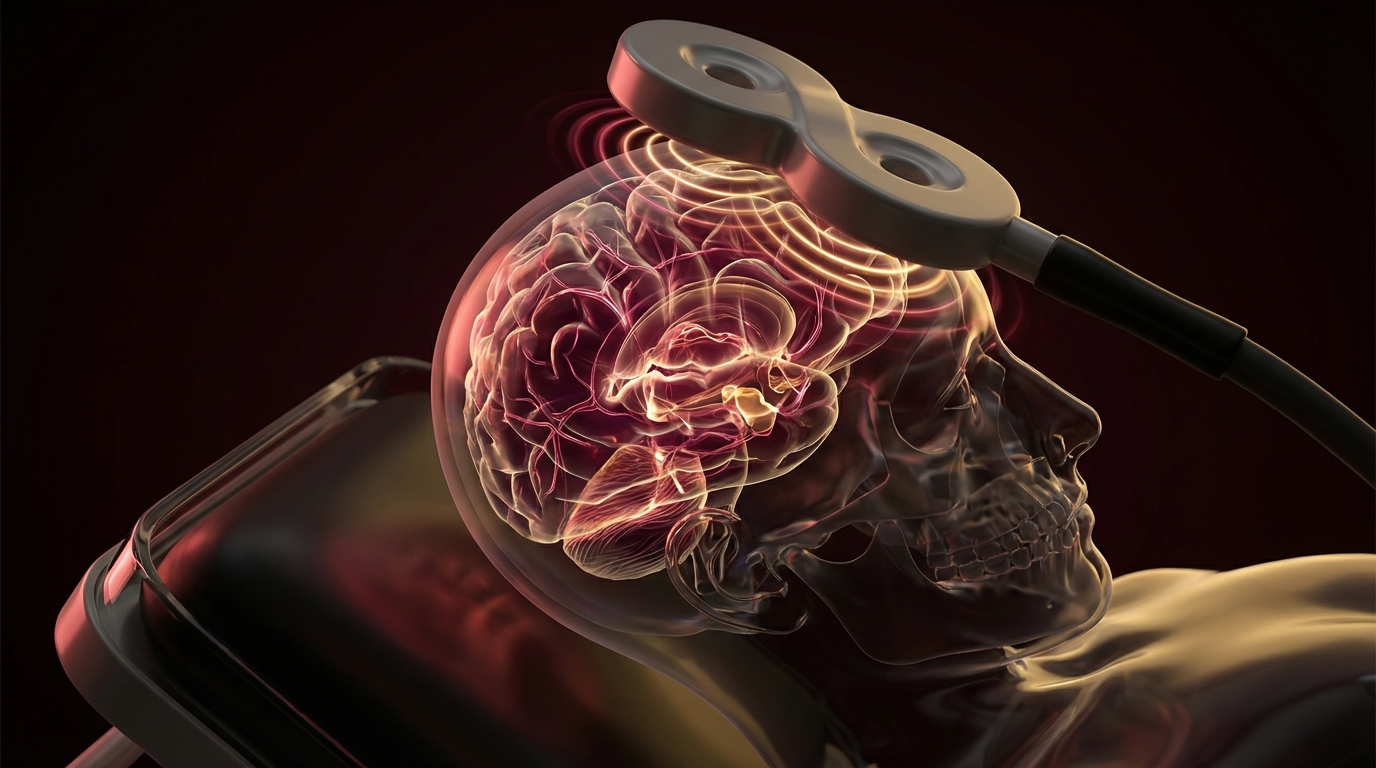
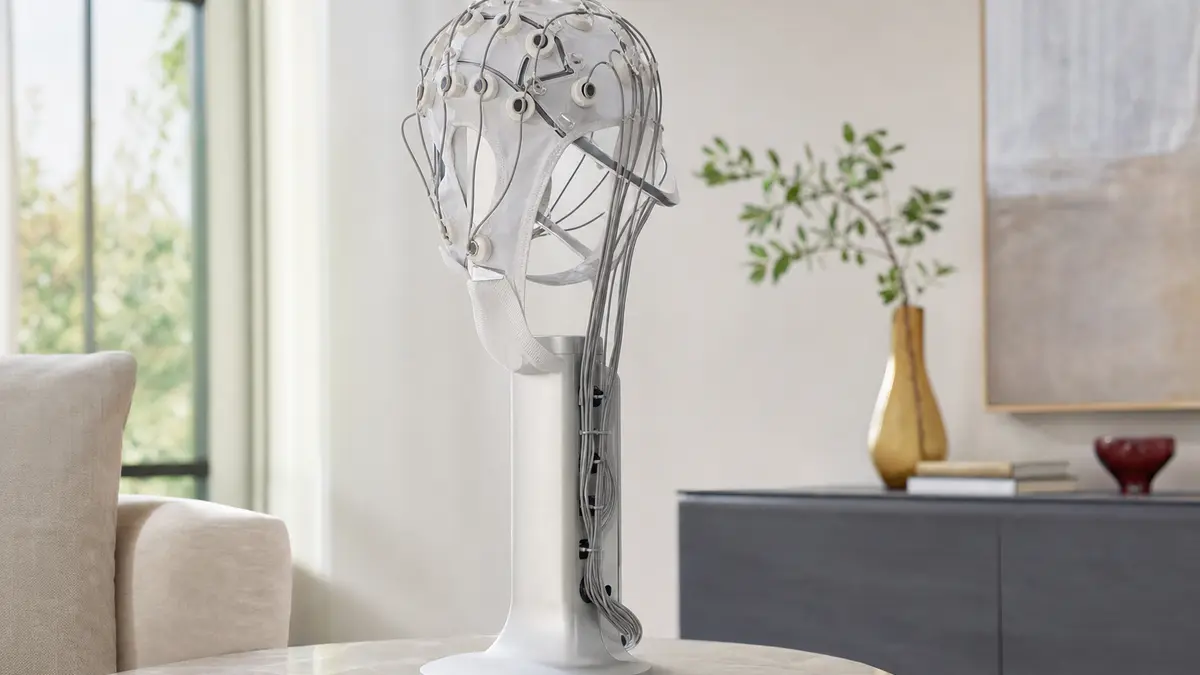
Two FDA-approved at-home brain stimulation devices for depression are now available. Here is what the clinical evidence says and when they are — or are not — the right choice.
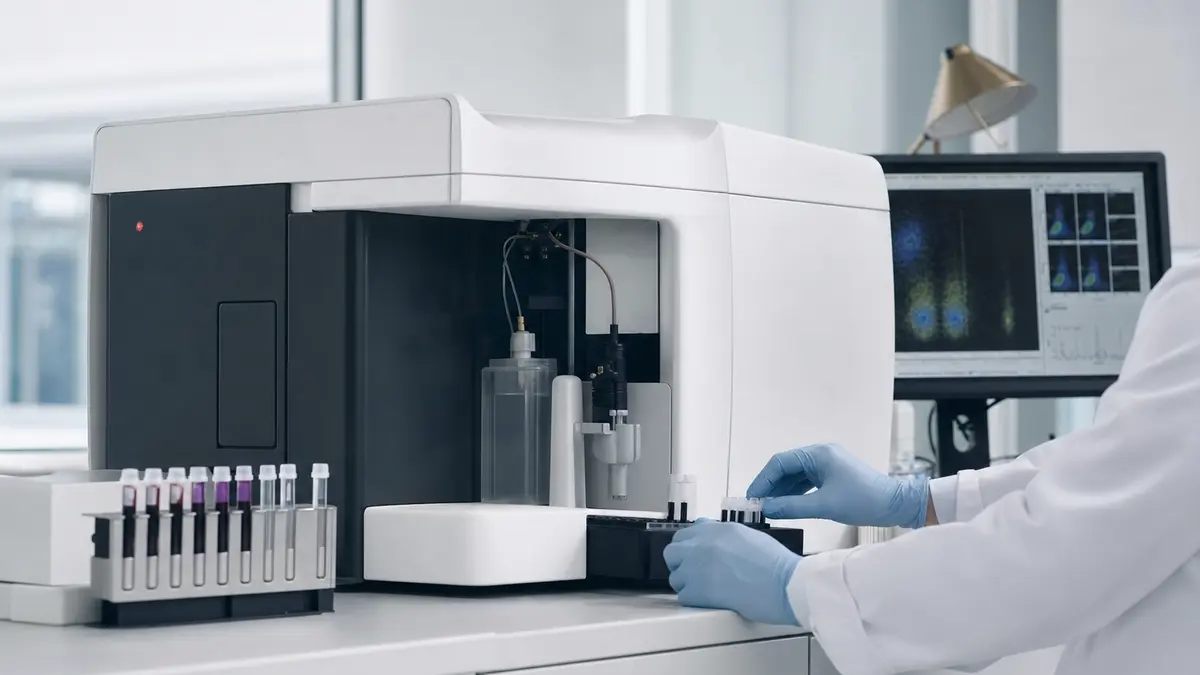
CRP and cytokine testing before TMS for depression identifies the inflamed subtype, predicts response, and guides whether inflammation must be treated first.
When TMS for depression takes weeks to build effect, IV ketamine can bridge the gap — acute relief while circuits remodel. Protocol, evidence, and patient selection.
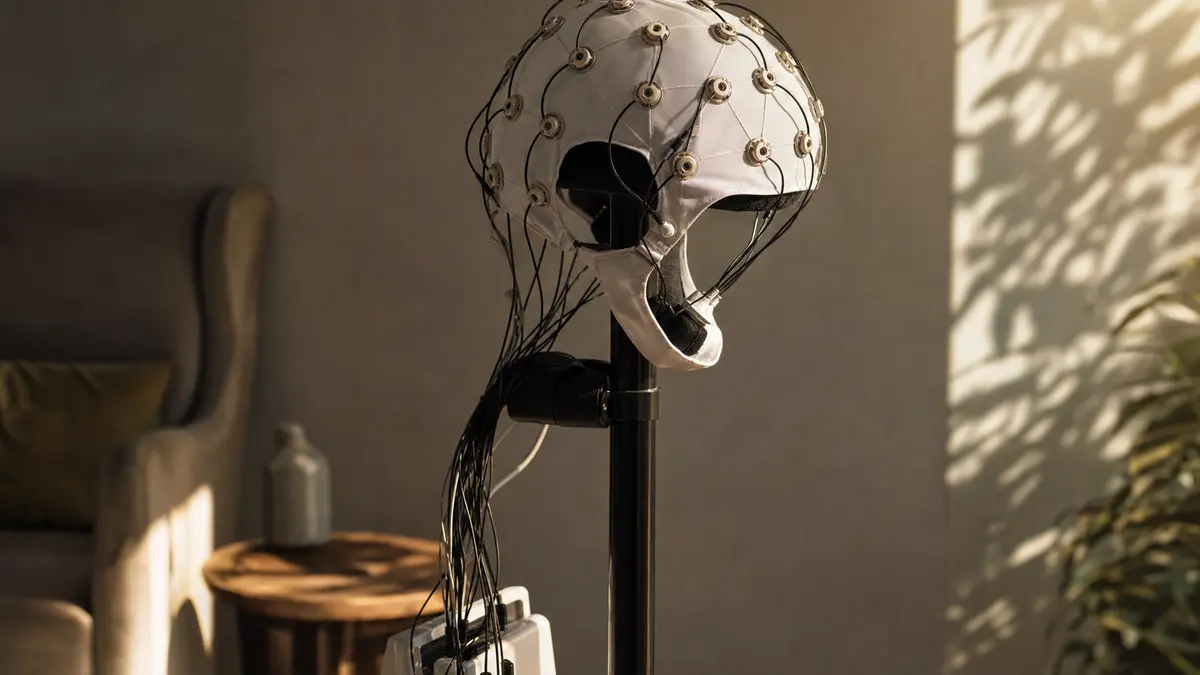
SWIFT deep TMS and 5×5 accelerated rTMS compress depression treatment to 5–6 days. What the 2026 evidence shows, who qualifies, and how Julian positions these protocols.
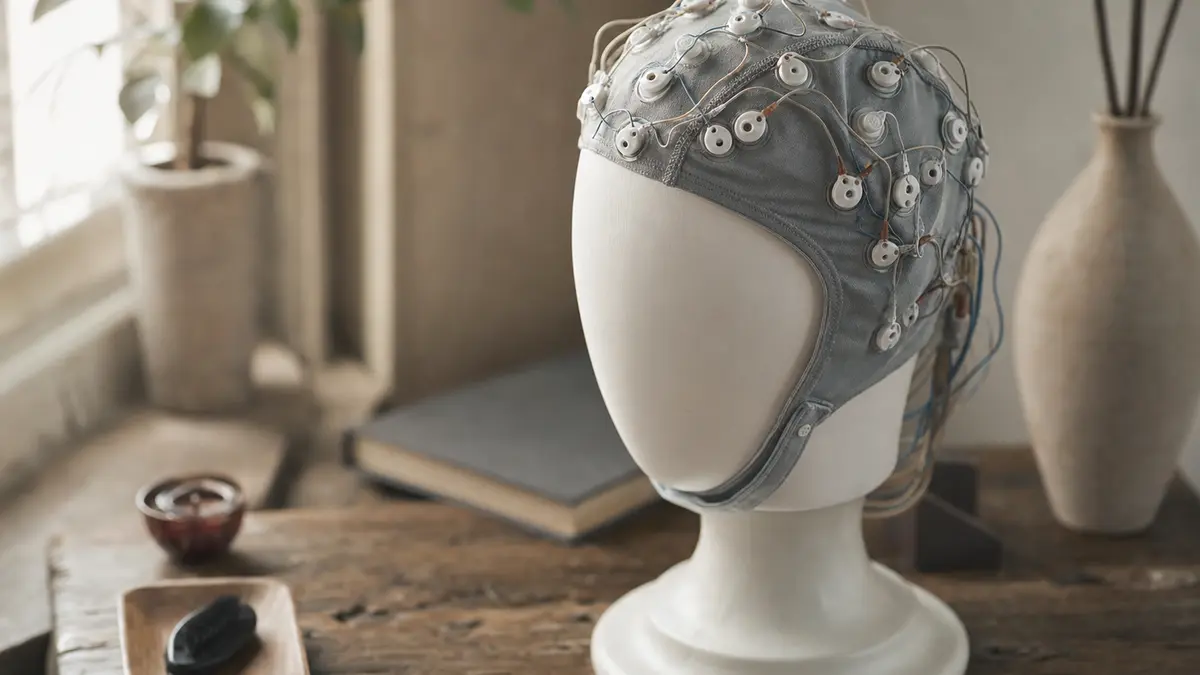
Before treating TRD, investigate the cause: qEEG brain mapping, CRP inflammation testing, Lyme/viral infections, and toxic relationships. Julian's clinical protocol.

How repetitive TMS targets the motor cortex and prefrontal regions to reduce chronic neuropathic pain, fibromyalgia, and CRPS — protocols, evidence levels, and who qualifies.
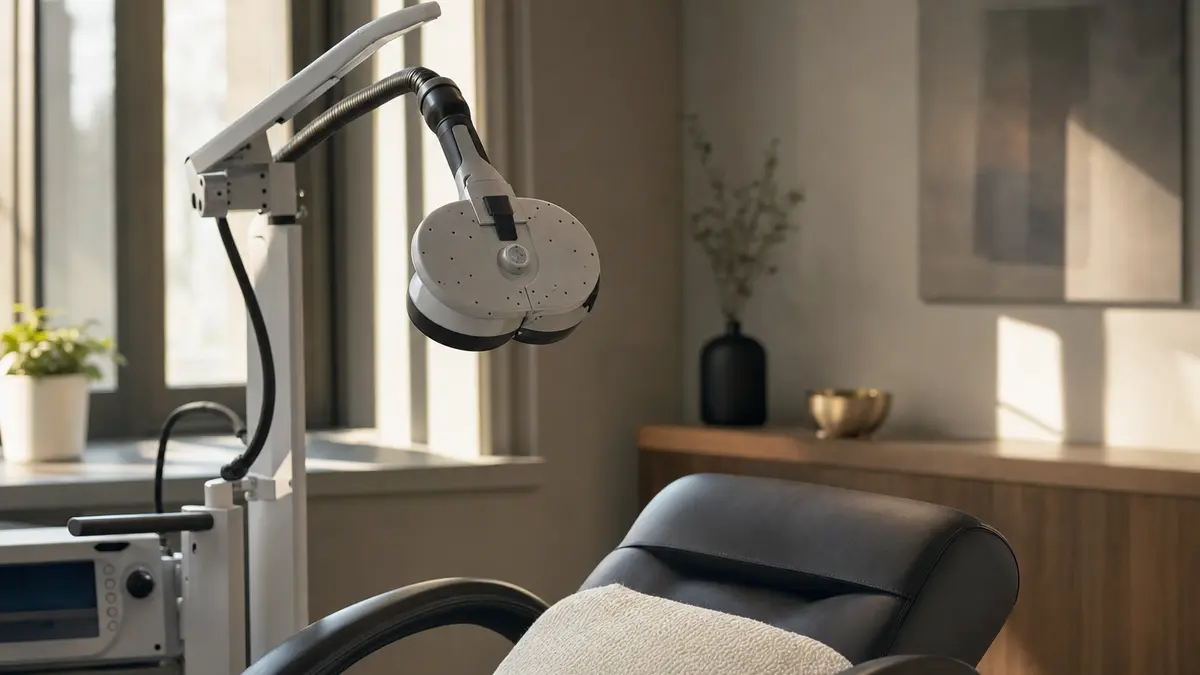
A physician's guide to repetitive TMS for chronic tinnitus — auditory cortex targets, 1 Hz protocols, multisite approaches, what the evidence shows, and who responds best.
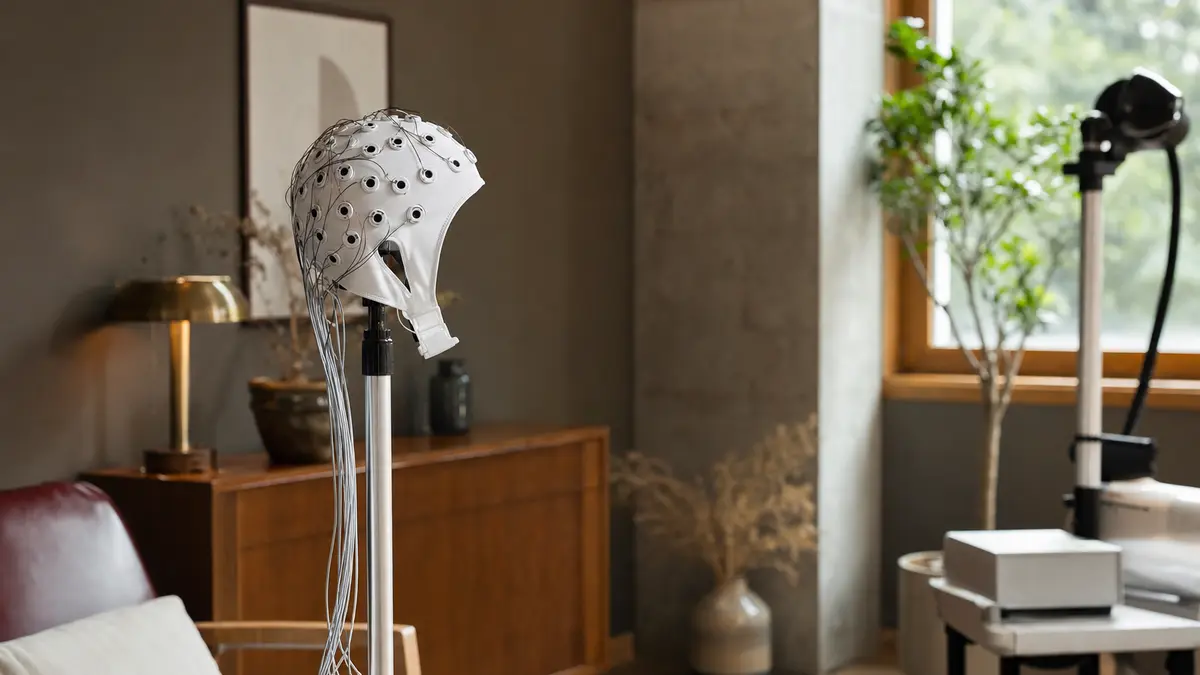
A physician's case for banning electroconvulsive therapy: permanent memory loss, falling brain metabolism on PET and SPECT, high relapse, thin consent, and the targeted alternatives.

Dr. med. univ. Julian Douwes reviews TMS and deep TMS for OCD — the CSTC circuit target, H7 coil protocol with symptom provocation, clinical response rates, and patient selection.
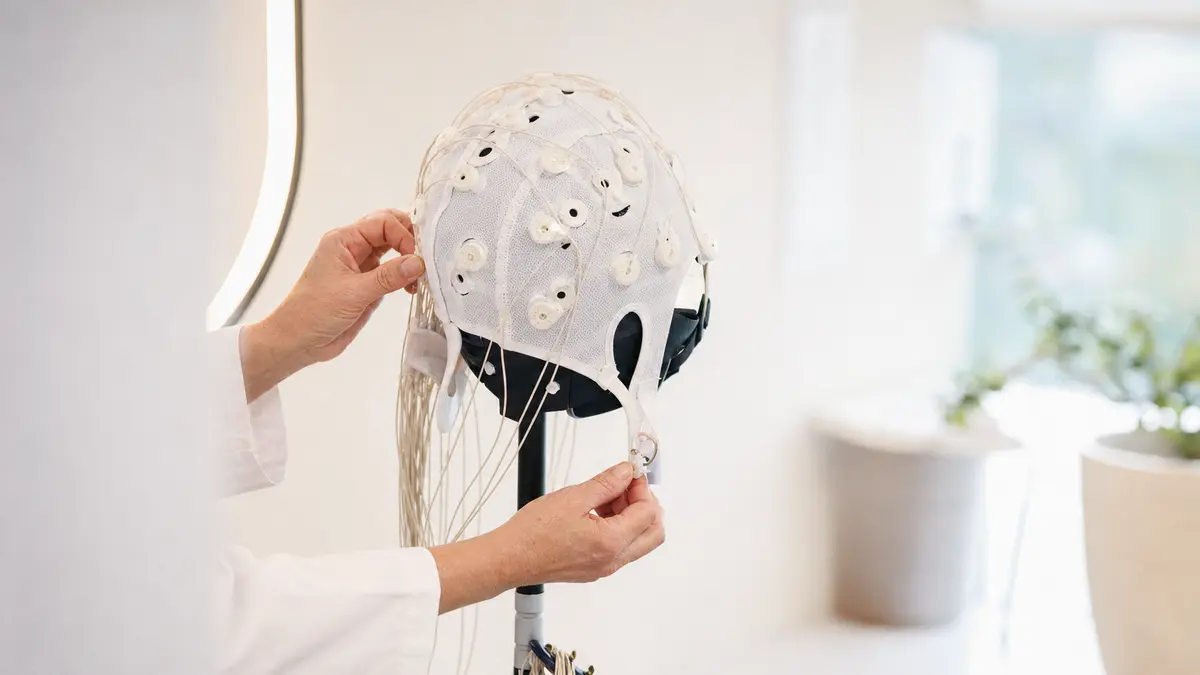
What protects the aging brain? Risk factors and lifestyle trials vs zoster-vaccine signals and neuromodulation, each graded by strength of evidence.

Transcranial magnetic stimulation for PTSD — how it works, what the clinical evidence shows, who qualifies, and how it differs from TMS for depression.
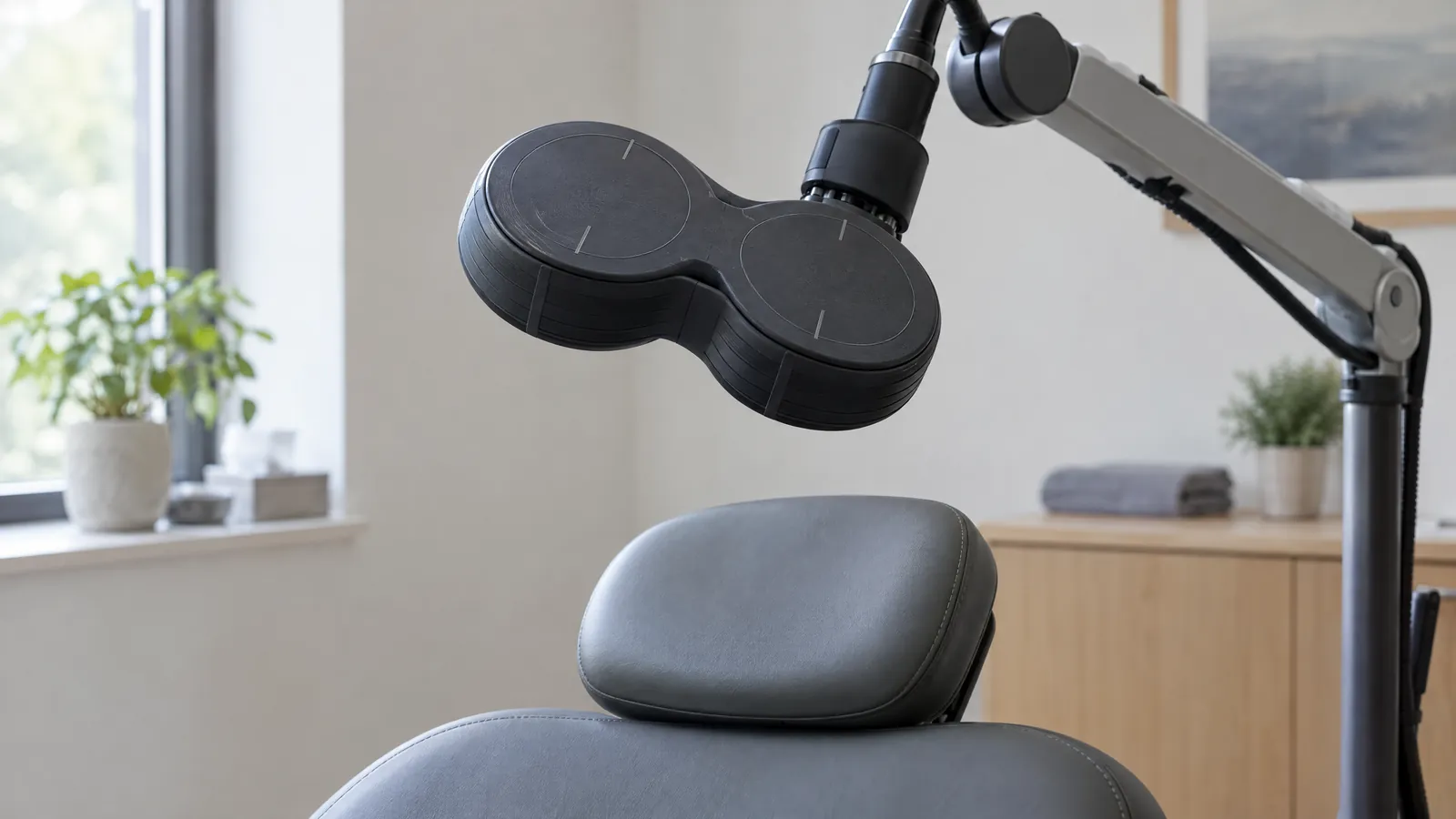
Evidence-based guide to TMS therapy for anxiety disorders. Learn how repetitive TMS protocols differ from depression treatment and what outcomes to expect.
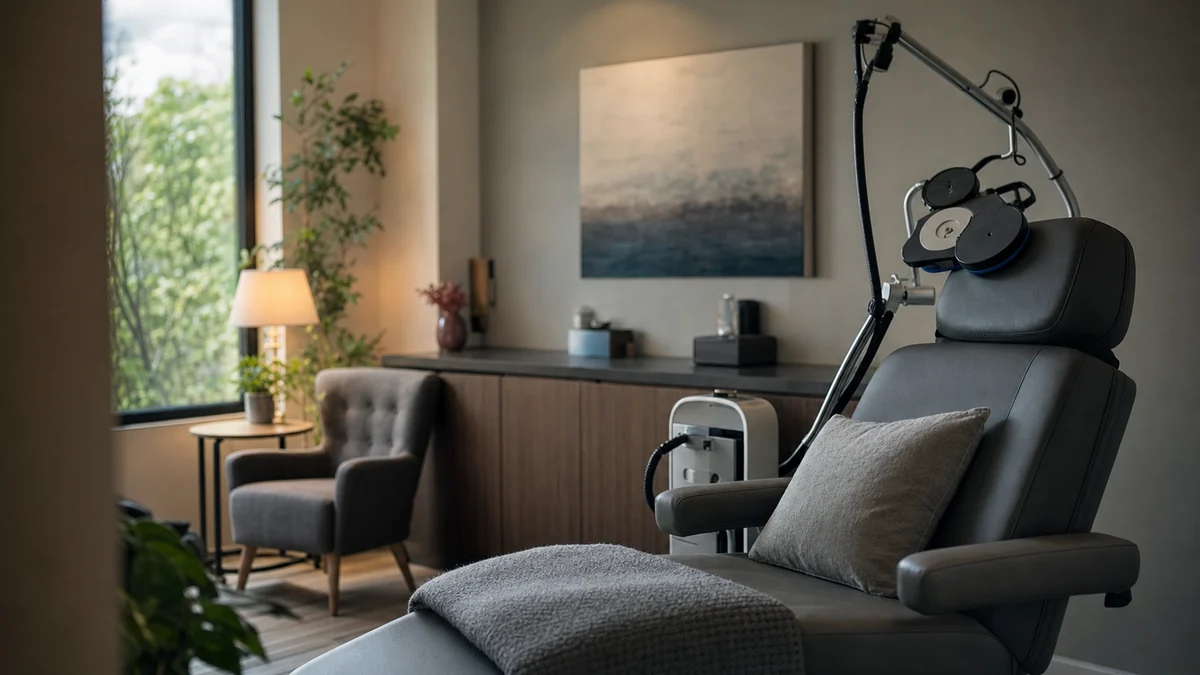
TMS depression treatment explained by a physician. FDA clearance history, rTMS protocols, theta burst stimulation, response rates, and who responds best.