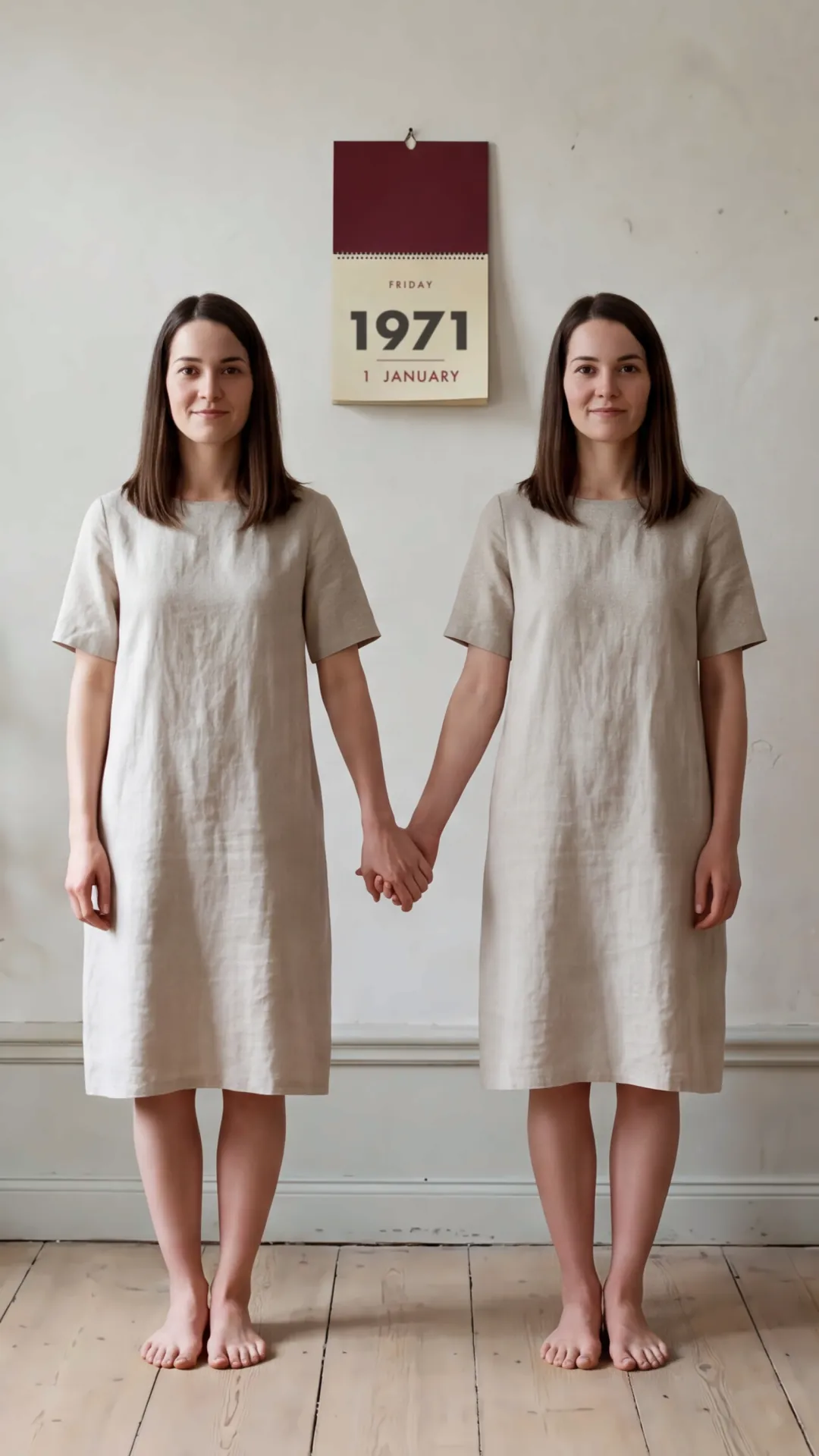
Generated film. A metaphor, not a treatment result.
Healthy aging, read by a physician
Healthy aging, graded by evidence.
How aging works, what changes its pace, and how strong the proof is. Free to read.
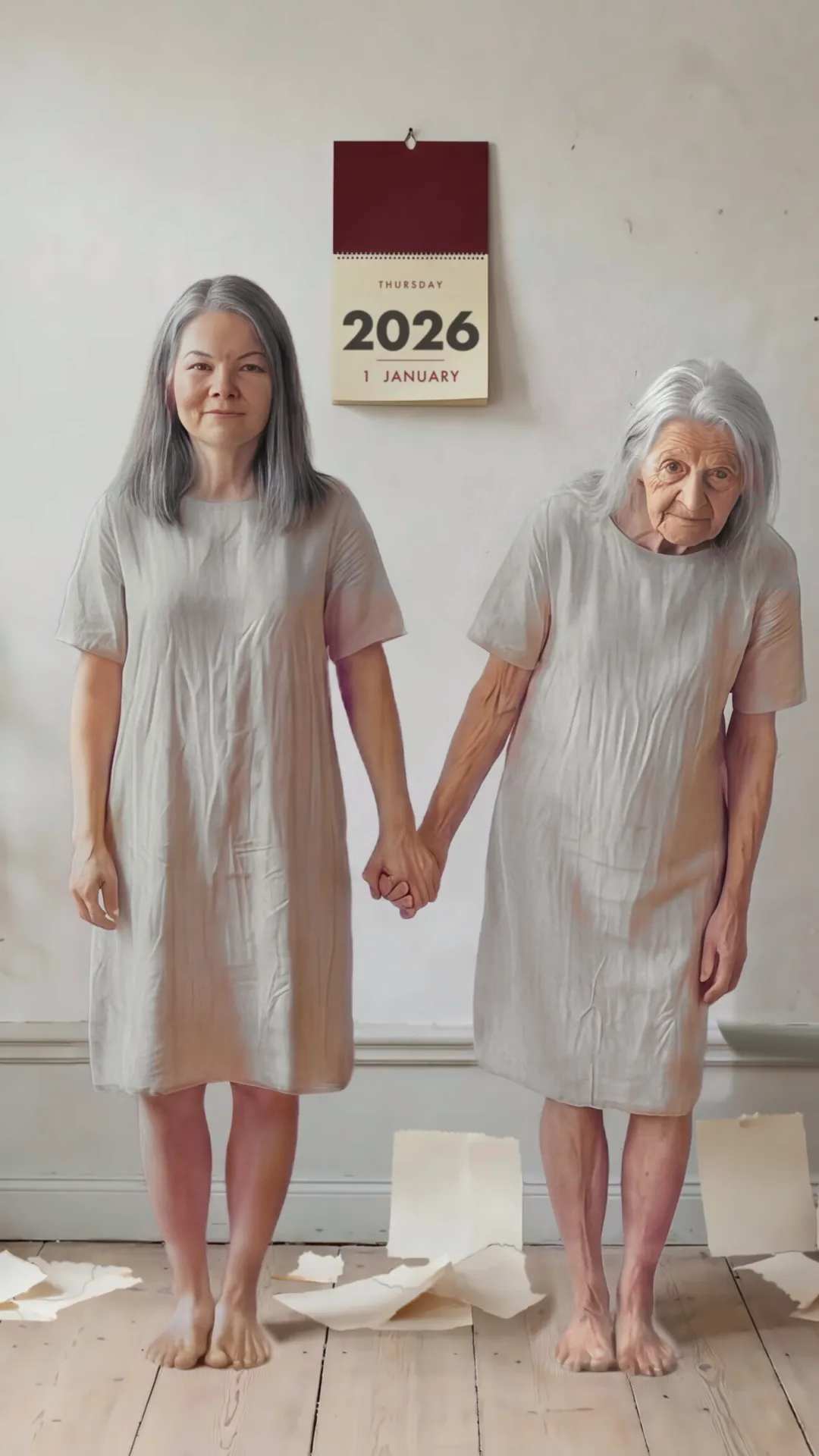
- Same genes. Same birthday.
-
What differs between people is the speed. In 954 New Zealanders born in the same year, some were already aging faster than others before 40, and they looked older.
Belsky 2015 · PMID 26150497 - Both are 80 on paper. One looks 60. The other looks 90.
- Part of that difference can be measured. Part of it is in your hands.
Genes and epigenetics
Same piano. Different player.
Your genes are the keys you were given. Epigenetics is the player: it decides which keys get played, how hard and how often. Identical twins share one piano. Over a lifetime, their players drift apart.
Twin A
Twin B
Carrying APOE4, the best-known Alzheimer gene, raises the risk. Many carriers never develop the disease. For most people, genes shift the odds and the player still has a say.
Young identical twins carry nearly the same epigenetic marks; older pairs differ much more. Fraga and colleagues, PNAS 2005 (PMID 16009939 (opens in a new tab)).
Read: genes, epigenetics and what you can changeThe twelve hallmarks of aging
What actually ages
Researchers have named twelve processes that drive aging. They start as damage inside your cells and end as changes you can feel in the whole body. Read them from the inside out.
Chapter 1 of 3 Inside the cell
Damage builds up
- 01 DNA damage Your DNA takes hits every day. With age, repair falls behind. Genomic instability
- 02 Shorter chromosome caps The protective ends of your chromosomes wear down as cells divide. Telomere attrition
- 03 Gene switches drift The chemical marks that decide which genes are read slowly drift. Epigenetic alterations
- 04 Proteins misfold Protein quality control weakens, and misfolded proteins pile up. Loss of proteostasis
- 05 Recycling slows Cells clear out worn parts, and some microbes, more slowly. Disabled macroautophagy
Chapter 2 of 3 The cell
The cell’s responses misfire
- 06 Growth signals stay on Nutrient sensors such as mTOR and insulin keep saying “grow” when the cell should repair. Deregulated nutrient sensing
- 07 Power plants leak Mitochondria make energy less efficiently and leak more. Mitochondrial dysfunction
- 08 Cells retire but stay Damaged cells stop dividing and keep sending inflammatory signals. Cellular senescence
Chapter 3 of 3 The whole person
The whole body feels it
- 09 Repair crews run low The stem cells that renew your tissues lose capacity. Stem cell exhaustion
- 10 Signals get noisy Hormone, nerve and immune signals between cells degrade. Altered intercellular communication
- 11 A low fire that stays lit Low-grade inflammation rises with age and doesn’t settle. Researchers call it inflammaging. Chronic inflammation
Infections feed this fire. More on that next.
- 12 Gut microbes shift The community in your gut changes and its barrier weakens. Dysbiosis
Infection and immune aging
Your immune system remembers your infections. Some of them never leave.
That memory is what protects you. Carried for decades, part of it may also feed the low-grade inflammation that rises with age. How much, researchers are still working out.
-
Childhood Colds and fevers. Most leave useful memory and nothing else. Mark: cleared.
-
Childhood Chickenpox. The virus stays silent in nerve cells and can return decades later as shingles. Mark: a thread that stays for life.
-
Teens Epstein-Barr virus, often as glandular fever. Most adults carry it for life. Mark: a thread that stays for life.
-
Any age Cytomegalovirus, usually without symptoms. In older carriers it can take up a large share of T‑cell memory. Mark: a thread that stays for life.
-
Adult A tick bite and Lyme disease. Most people recover with antibiotics; a minority keep symptoms for months. Mark: a dotted tail, symptoms that outlast the infection.
-
Adult COVID-19. For some, symptoms last for months. Mark: a dotted tail, symptoms that outlast the infection.
-
Later life The thymus has shrunk, fewer new T cells are made, and inflammation runs higher. Mark: the line thickens.
- Tick cleared
- Thread stays for life
- Dotted tail symptoms that outlast the infection
Guess first
Before you read the grades below, try one. How strong is this?
Emerging. CMV is one of the largest non-heritable influences on the immune system, and CMV-positive older adults had higher mortality in a UK cohort. The data are observational, so whether CMV causes faster aging is not settled.
Brodin 2015 · PMID 25594173; Savva 2013 · PMID 23442093
Most of what you’ll read about infection and aging sits at this level: a real signal, cause not proven. The Evidence Brief grades one new study like this every week.
Six claims, graded
-
Low-grade inflammation rises with age and is tied to the major diseases of aging.
Strong evidence
In older adults, higher IL-6 and CRP predicted higher mortality. Franceschi 2018 · PMID 30046148; Harris 1999 · PMID 10335721
-
The immune system itself ages.
Strong evidence
The thymus shrinks, fewer naive T cells are made and the repertoire narrows. Nikolich-Žugich 2018 · PMID 29242543
-
Lyme disease can leave symptoms that outlast treatment.
Strong evidence
Most patients recover with antibiotics; for a minority, fatigue, pain and thinking problems persist for months. Why is still debated. Wong 2022 · PMID 34687445
Show all six claimsShow fewer claims
-
Epstein-Barr virus comes before multiple sclerosis.
Strong, for MS
In more than 10 million young US service members, EBV infection preceded MS and raised its risk about 32-fold. Strong for one disease; it says nothing about EBV and aging in general. Bjornevik 2022 · PMID 35025605
-
Long COVID involves the immune system.
Emerging evidence
It affects many organ systems. Immune dysregulation and reactivated latent viruses are among the leading explanations; treatments are still being tested. Davis 2023 · PMID 36639608
-
Antiviral pills slow Alzheimer’s in people with herpes antibodies.
Tested: it didn’t help
In the VALAD trial, 78 weeks of valacyclovir did not slow decline; cognition worsened more than with placebo. VALAD, JAMA 2026 · PMID 41405855
The library
Start anywhere. It's free.
555 physician-written articles on how aging works and what affects it. No account needed.


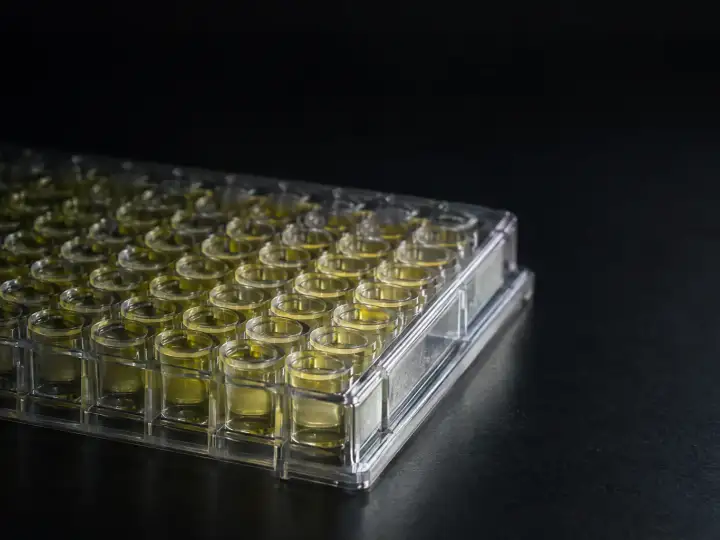

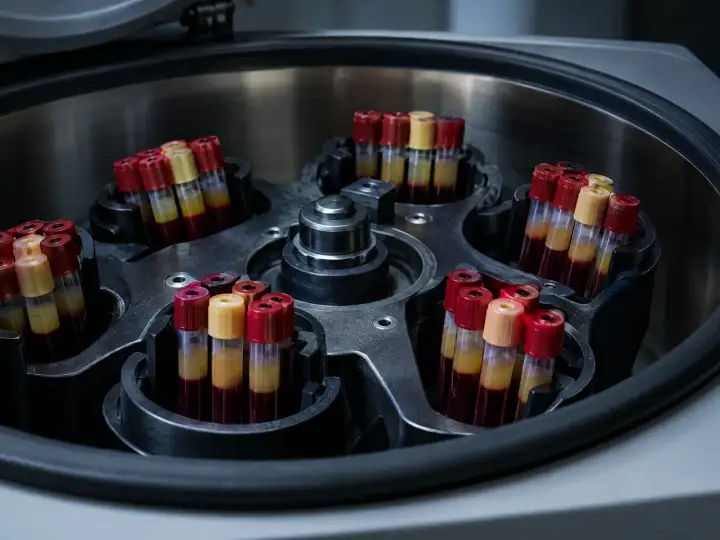
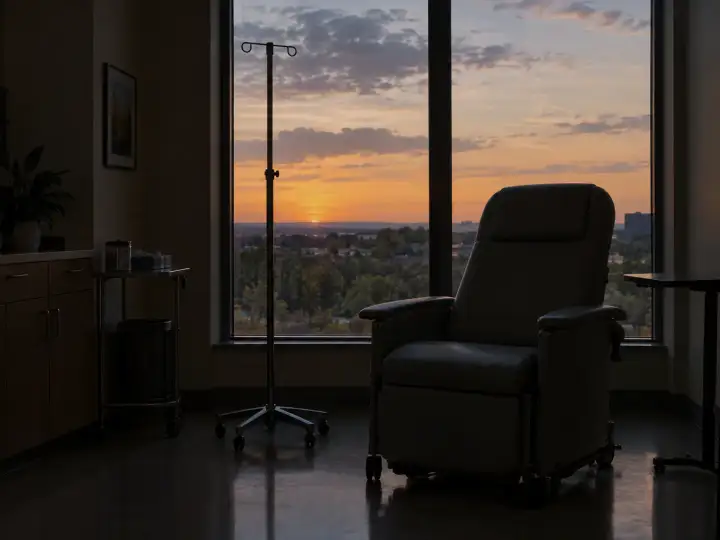
 Longevity 92 articles What changes how fast you age, and what has human data behind it.
 Infection 63 articles Lyme, long COVID, chronic viruses, and what years of infection do to the immune system.
 Peptides 141 articles What was studied in humans, at which doses, with which risks, and the legal status.
 Brain and neuromodulation 46 articles TMS, TPS and vagus nerve stimulation, including the trials that failed.
- At-Home Brain Stimulation for Depression: ProlivRx and Flow FL-100 — What the 2025–2026 FDA Approvals Mean for Patients
- Ketamine as a Bridge to TMS: The Induction Protocol for Treatment-Resistant Depression
Start with brain and neuromodulation All 46 articles Looking for treatment? Douwes Brain Center (external site)
 Diagnostics 30 articles Which blood tests are worth doing, and what a result can and can’t tell you.
 Supplements 104 articles Vitamin D, magnesium, NAC and others: dose, quality, and how good the data is.
 Immunology 27 articles Autoimmunity, the gut and the immune system, and how immune function changes with age.
 Protocols 52 articles Practical routines, each step linked to its source.
Tools to check things yourself
-
Evidence Explorer
Look up an intervention and see how strong the human evidence is, sorted by hallmark.
Opening soon. Subscribers hear first. Tell me when it opens
-
Peptide Evidence Checker
Pick a peptide and see its evidence level, FDA, EU and WADA status and top safety flag. Compare two side by side.
Free, every week
The Evidence Brief
One new study each week. What it found, how strong it is, and whether it should change anything you do.
Email only, no medical details needed. Privacy policy.

Who reads the studies
I'm Julian Douwes.
I'm a physician licensed in Germany and Chief Medical Officer at St. George Hospital in Bad Aibling. My father, Friedrich Douwes, founded the hospital in 1991, and I grew up in its corridors. That is where I learned the habit this site runs on: ask why, then check.
St. George Hospital: founded 1991, patients from 90+ countries. The hospital's figures, not mine.
“Every conventional medicine was once alternative medicine.”
More about me Treatment at St. George Hospital (external site)