At a Glance
| Property | Detail |
|---|---|
| Pathogen | Bartonella henselae (and rarely other species) |
| Transmission route in children | Cat scratch or bite (primary); flea feces inoculated into wound; tick exposure (less common, non-henselae species) |
| Peak age | 5–9 years; highest incidence in this group |
| Most common presentation | Regional lymphadenopathy (axillary, cervical, inguinal) — present in ~79% of cases |
| Atypical presentations | Fever of unknown origin, hepatosplenic, ocular (neuroretinitis), neurological (encephalopathy, seizures) |
| Serology sensitivity | 50–88% — negative serology does not exclude infection |
| First-line treatment (uncomplicated) | Azithromycin 10 mg/kg day 1, then 5 mg/kg days 2–5 |
| Neurological/severe disease | Rifampicin + doxycycline (≥8 years) or rifampicin + azithromycin (younger children) |
| Self-limiting? | Yes in immunocompetent children with uncomplicated CSD; no in hepatosplenic or neurological forms |
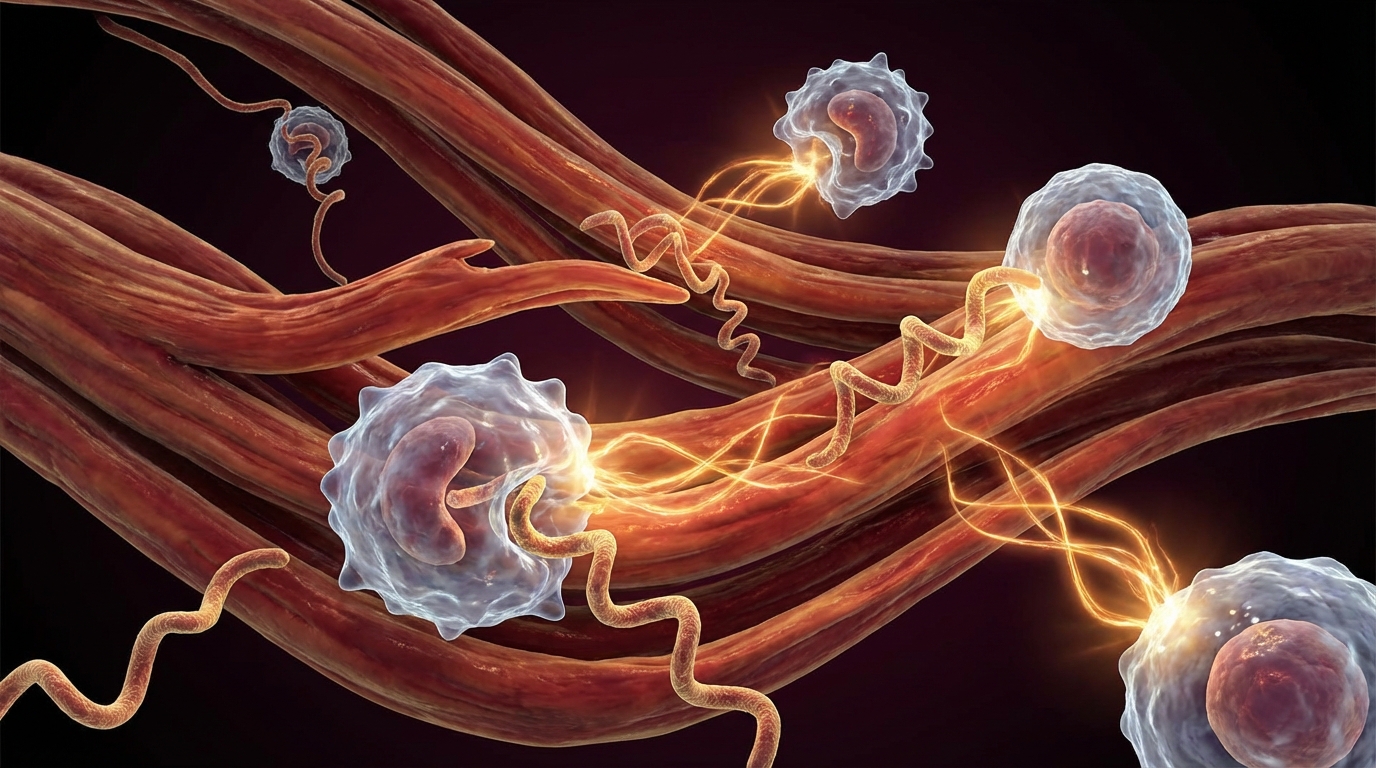
Bartonella henselae is the third most common infectious cause of prolonged fever of unknown origin (FUO) in children, responsible for approximately 10% of pediatric FUO cases in prospective studies. Despite this, Bartonella is chronically underdiagnosed in pediatric practice. Standard serology fails to detect 20–50% of infections, most children do not recall a cat scratch, and the clinical picture often mimics lymphoma, autoimmune disease, or primary psychiatric disorders when neurological manifestations dominate.
This article focuses on the pediatric-specific clinical landscape: how Bartonella presents differently in children compared to adults, which presentations carry diagnostic traps, and how treatment is adjusted for age and disease severity.
The Classic Picture: Cat Scratch Disease
Cat scratch disease (CSD) is the most recognizable manifestation of B. henselae in children. The sequence is predictable: a papule or pustule develops at the inoculation site within 3–10 days of cat contact, followed 1–3 weeks later by regional lymphadenopathy that is tender, warm, and sometimes fluctuant.
Distribution of lymphadenopathy in pediatric cohorts (from a 2024 single-center study of 29 children):
- Axillary: most common
- Cervical / submandibular: second most common
- Inguinal: less frequent
- Epitrochlear: uncommon but characteristic when present
The key diagnostic trap in clinical practice is that most children will have already received one or more courses of non-specific antibiotics (amoxicillin-clavulanate, cephalosporins) before the diagnosis is considered — and these drugs have minimal or no efficacy against Bartonella. Penicillins, cephalosporins, and erythromycin have been shown to have little clinical impact on CSD, which is why a lymph node that persists and enlarges despite standard antibiotic courses should trigger specific Bartonella workup.
Incidence context. CSD incidence is estimated at approximately 4 per 100,000 in the general population, but substantially higher in the 5–9 year age group, who have the highest rate of cat contact and play behavior that leads to scratches and bites.
Atypical and Systemic Presentations in Children
Approximately 10–15% of pediatric CSD cases are classified as atypical, meaning the infection has disseminated beyond regional lymph nodes. These are the cases that lead to prolonged hospitalizations, misdiagnosis, and delayed treatment.
Fever of Unknown Origin
FUO is defined in children as fever above 38.3°C lasting ≥14 days without a clear diagnosis after initial evaluation. Bartonella is now recognized as one of the most common infectious causes in this category — a Frontiers in Pediatrics analysis reported it accounts for 10.4% of infectious FUO in children.
The clinical pattern in pediatric FUO from Bartonella is often nocturnal or evening-predominant fever with accompanying lymphadenopathy that may be subtle or at an atypical location. A 2024 World Journal of Clinical Cases report described a 4-year-old with this exact pattern who was only diagnosed after specific serology was added to a broad FUO workup. Hepatomegaly or splenomegaly detected on ultrasound should substantially raise clinical suspicion.
Hepatosplenic Bartonellosis
Hepatosplenic involvement is the most common form of systemic, atypical CSD. Children typically present with prolonged fever, abdominal pain, hepatomegaly, and splenomegaly. Abdominal ultrasound or CT reveals multiple hypoechoic nodules in the liver and spleen representing granulomatous foci. These lesions are frequently misidentified as lymphoma, tuberculosis, or histoplasmosis on initial imaging.
Hepatosplenic CSD requires a full course of antibiotic therapy — it does not reliably self-resolve — and serological follow-up to document treatment response. Liver enzyme elevation (ALT, AST) is common and resolves with appropriate treatment.
Ocular: Neuroretinitis
Neuroretinitis is the most recognizable ocular manifestation. Children develop unilateral visual loss, afferent pupillary defect, and on fundoscopy a star-shaped macular exudate with optic disc edema — the classic “macular star.” It may occur in isolation, without typical lymphadenopathy, making Bartonella serology an important part of any unexplained optic neuritis or macular star workup in a child.
A 2024 Turkish retrospective study of 29 pediatric CSD patients identified neuroretinitis as one of the atypical presentations in their cohort, alongside encephalopathy, underscoring that ocular involvement is not rare and warrants aggressive antibiotic treatment.
Neurological: Encephalopathy and Status Epilepticus
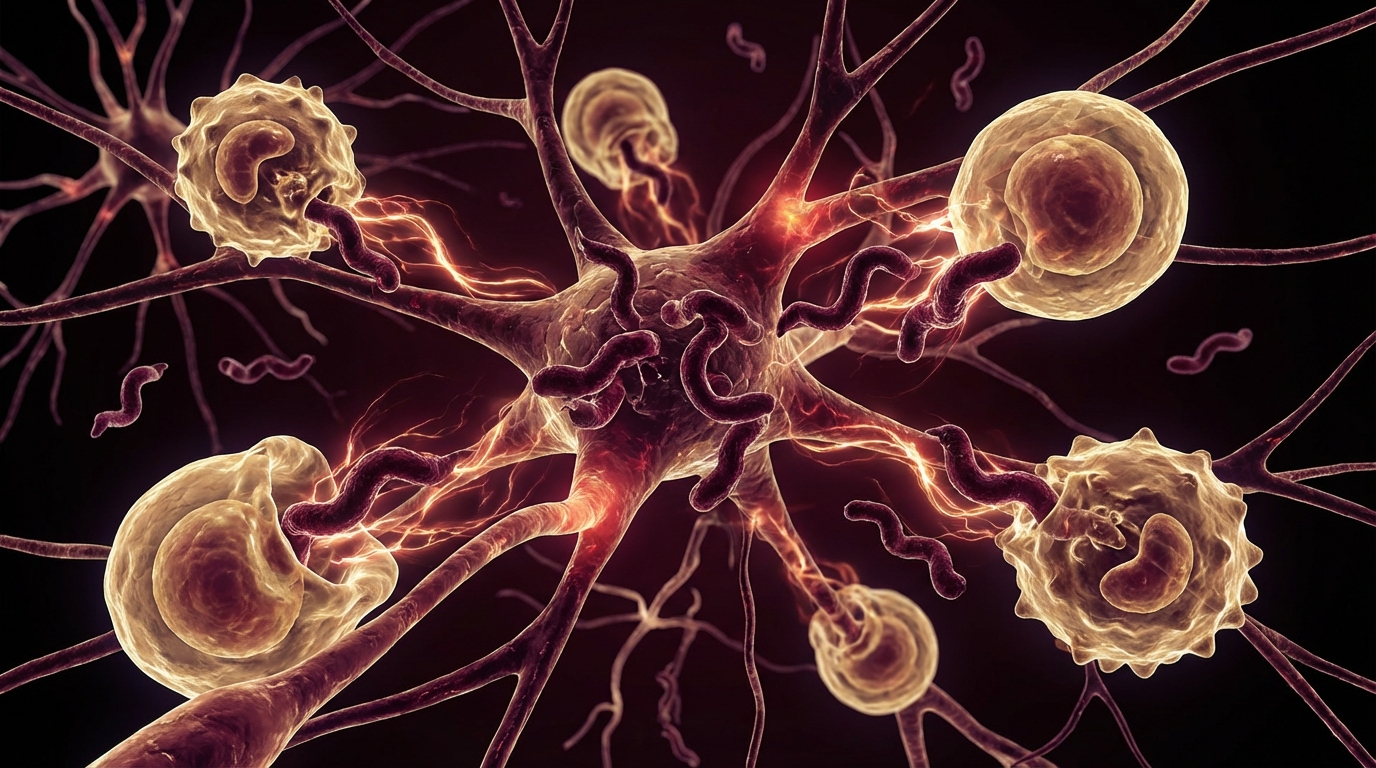
The most alarming pediatric presentation is neurological. Bartonella can infect endothelial cells in CNS vasculature, triggering encephalopathy, generalized seizures, and focal neurological deficits. A well-documented 2016 case report described convulsive status epilepticus in an immunocompetent child caused by B. henselae, with no prior immunodeficiency or other predisposing factors. A 2020 case report and treatment review similarly documented B. henselae encephalopathy in a pediatric patient, with seizure recurrence after antibiotic discontinuation requiring reinduction.
Neurological B. henselae disease in children can include:
- Encephalopathy with altered consciousness
- Generalized or partial seizures / status epilepticus
- Cerebellar ataxia
- Transverse myelitis (rare)
- Meningitis (confirmed by CSF analysis in a 2025 Turkish pediatric case using metagenomic next-generation sequencing)
The clinical concern: many children presenting with acute encephalopathy and new psychiatric symptoms have a standard infectious meningitis/encephalitis workup that does not include Bartonella. Because standard EEG, MRI, and CSF analysis can appear non-specific, these children risk being misdiagnosed with autoimmune encephalitis or primary seizure disorder unless serology is specifically requested.
A 2024 retrospective analysis of systemic B. henselae infection in children published in Microorganisms confirmed that neurological manifestations are present in a clinically meaningful subgroup and that outcomes correlate with time to diagnosis.
Diagnostic Approach in Children
The standard workup for suspected Bartonella in a child includes:
1. Serology (IFA or ELISA)
- IgG ≥1:128 and/or IgM >1:20 is considered positive in most protocols
- Sensitivity: 50–88% depending on assay and timing; seroprevalence in the general population can reach 30–60%, so low titers must be interpreted cautiously
- A 1998 reference serology study found that one commercial assay achieved 100% sensitivity using an IgG cutoff of 1:128, while a second had sensitivity of 93% and specificity of only 73%
- Repeat serology 2–3 weeks later can capture seroconversion in early-negative cases
2. PCR on lymph node biopsy or aspirate
- Higher specificity than serology; preferred when tissue is available
- PCR from blood has lower sensitivity due to low bacteremia
3. Histopathology
- Characteristic finding: stellate necrotizing granulomas in lymph node biopsy
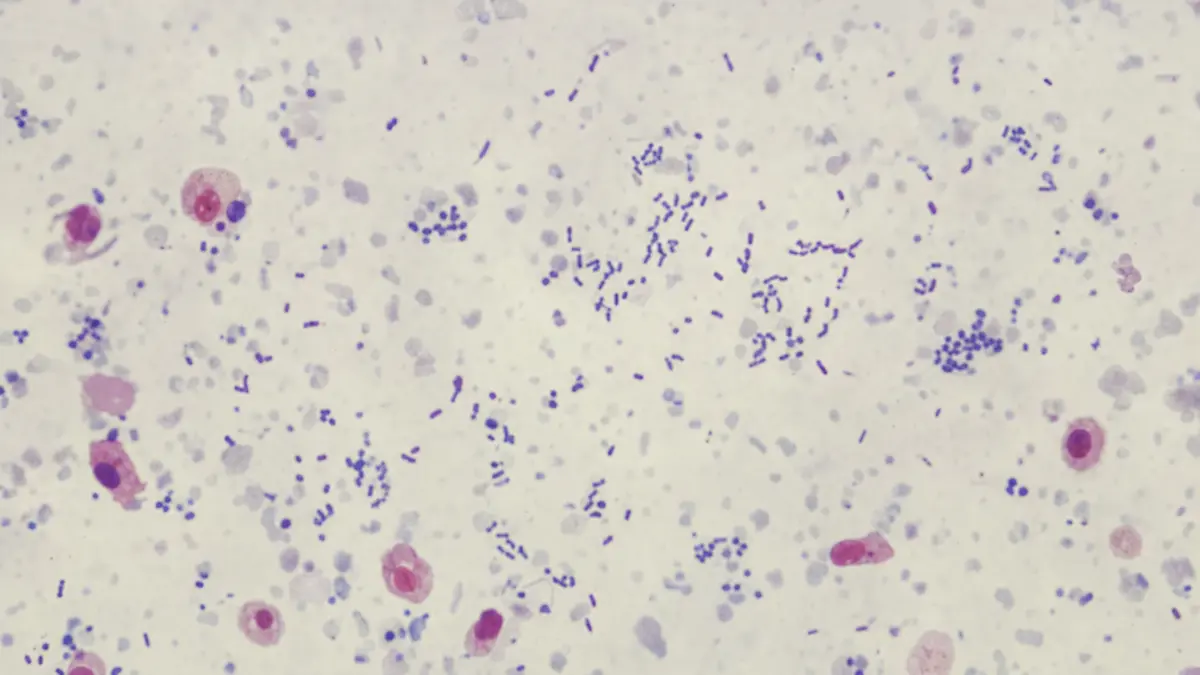
- Warthin-Starry silver stain may reveal pleomorphic bacilli
4. Ultrasound
- Lymph node ultrasound: heterogeneous, hypervascular nodes; central liquefaction suggests suppuration
- Abdominal ultrasound: hypoechoic nodules in liver/spleen are strongly suggestive of hepatosplenic involvement
5. Metagenomic next-generation sequencing (mNGS)
- Emerging tool, particularly useful in neurological presentations where conventional workup is negative
- Demonstrated in a 2025 pediatric meningitis case to identify B. henselae from blood when cultures and standard serology were initially inconclusive
When to broaden beyond classic CSD serology. A child with tick exposure history, persistent neuropsychiatric symptoms, or failure to respond to azithromycin warrants evaluation for non-henselae Bartonella species (e.g., B. quintana, B. elizabethae), which may not be detected by standard henselae serology. This is the intersection with tick-borne disease and the broader diagnostic challenge of Bartonella as a co-infection.
Treatment in Children
Uncomplicated CSD (Regional Lymphadenopathy, Immunocompetent)
Spontaneous resolution occurs in 2–4 months without antibiotic treatment in many immunocompetent children. Antibiotic therapy is used to accelerate resolution, particularly for persistent or enlarging nodes.
Azithromycin is the best-evidenced option based on a prospective randomized placebo-controlled trial (PMID 11176245 — Conrad DA, Curr Opin Pediatr 2001, reviewing the Bass et al. data): 10 mg/kg orally on day 1, then 5 mg/kg once daily on days 2–5. Ultrasound-confirmed lymph node size reduction was significantly faster in the azithromycin group.
Trimethoprim-sulfamethoxazole (TMP-SMX) is an acceptable alternative and comparable to azithromycin in retrospective cohort data. Penicillins, cephalosporins, and erythromycin have minimal efficacy and should not be used.
Hepatosplenic or Moderate Systemic Disease
Prolonged treatment (4–6 weeks) with rifampicin, azithromycin, or TMP-SMX is typically used. A combination regimen is preferred for hepatosplenic disease given the risk of relapse.
Neurological / Severe Disease
Combination antibiotic therapy for a minimum of 6–12 weeks:
- Children ≥8 years: rifampicin 10 mg/kg/day (max 600 mg) + doxycycline 2–4 mg/kg/day
- Children <8 years: rifampicin + azithromycin (to avoid tetracycline-class agents before dental maturity)
- Corticosteroids have been used adjunctively in severe encephalopathy, though evidence is limited to case reports
- Antiepileptic drugs may be required for seizure management until infection is controlled
Key treatment principle: restarting antibiotics after seizure recurrence (as documented in PMID 32419222) suggests that neurological Bartonella disease requires sustained treatment beyond symptom resolution, not a standard 5-day course.
When to Look Beyond Classic Cat Scratch Disease
A child presenting with regional lymphadenopathy after cat exposure, positive serology, and prompt response to azithromycin fits a clean CSD picture. But several scenarios should prompt a broader evaluation:
Red flags for disseminated or non-henselae Bartonella:
- Persistent fever >4 weeks despite azithromycin
- Neuropsychiatric symptoms (sudden-onset anxiety, rage, behavioral regression) without fever or lymphadenopathy
- Tick exposure history with negative Lyme and Bartonella henselae serology
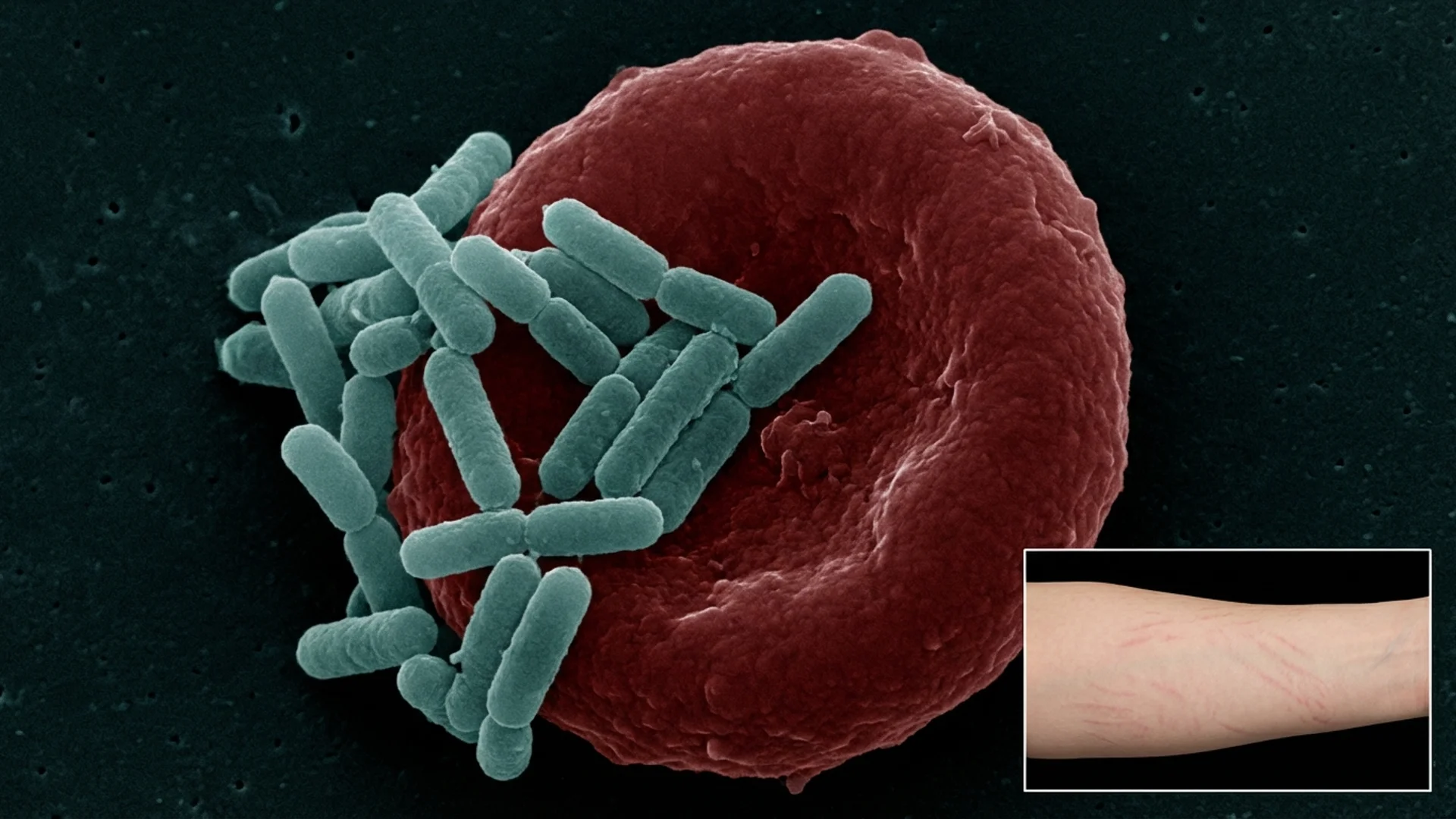
- Stretch mark-like skin lesions (striae) in the absence of rapid growth — these are characteristic of non-CSD Bartonella in tick-borne disease
- Multiple co-infections (Lyme, Babesia, MCAS-like picture)
For children with neuropsychiatric symptoms raising the suspicion of Bartonella, the diagnostic approach and clinical rationale are covered in detail in a separate article. Children in this group often carry a primary psychiatric diagnosis for years before an infectious driver is considered.
Related Articles
- Bartonella: The Stealth Pathogen — full overview of Bartonella co-infection patterns, clinical hallmarks, and advanced diagnostics
- Bartonella and Neuropsychiatric Symptoms — anxiety, rage, OCD, and psychiatric presentations driven by Bartonella CNS involvement
- Lyme Disease Co-infections Overview — Bartonella in context of the full tick-borne disease picture
- Lyme and Bartonella Diagnostic Testing — IFA, Western blot, PCR, and when to use each
- Bartonella Stretch Mark Sign — the distinctive skin finding in non-CSD Bartonella
References
- Conrad DA. Treatment of cat-scratch disease. Curr Opin Pediatr. 2001;13(1):56–59. PMID: 11176245
- Waldron S, et al. Vague Presentation of Cat Scratch Disease in a Child. Ochsner J. 2024 Summer;24(2):e62–e65. PMID: 38912188
- Guisado-Gil AB, et al. Bartonella henselae encephalopathy in a paediatric patient: a case report and treatment review. J Clin Pharm Ther. 2020 Aug;45(4):856–860. PMID: 32419222
- Santisteban J, et al. Encephalitis with convulsive status in an immunocompetent pediatric patient caused by Bartonella henselae. Asian Pac J Trop Med. 2016 Jun;9(6):601–603. PMID: 27262077
- Sander A, et al. Seroprevalence of antibodies to Bartonella henselae in patients with cat scratch disease and in healthy controls: evaluation and comparison of two commercial serological tests. Clin Diagn Lab Immunol. 1998 Jul;5(4):486–490. PMID: 9665953
- Klotz SA, et al. Cat-scratch disease. Am Fam Physician. 2011 Jan 15;83(2):152–155. PMID: 21243990
- Liang Z, et al. A Retrospective Analysis of Systemic Bartonella henselae Infection in Children. Microorganisms. 2024 Mar 27;12(4):666. PMID: 38674610
Readers in acute danger: if you or a child in your care has a seizure or sudden loss of consciousness, call emergency services immediately (112 in Germany / 999 in the UK / 911 in the US).