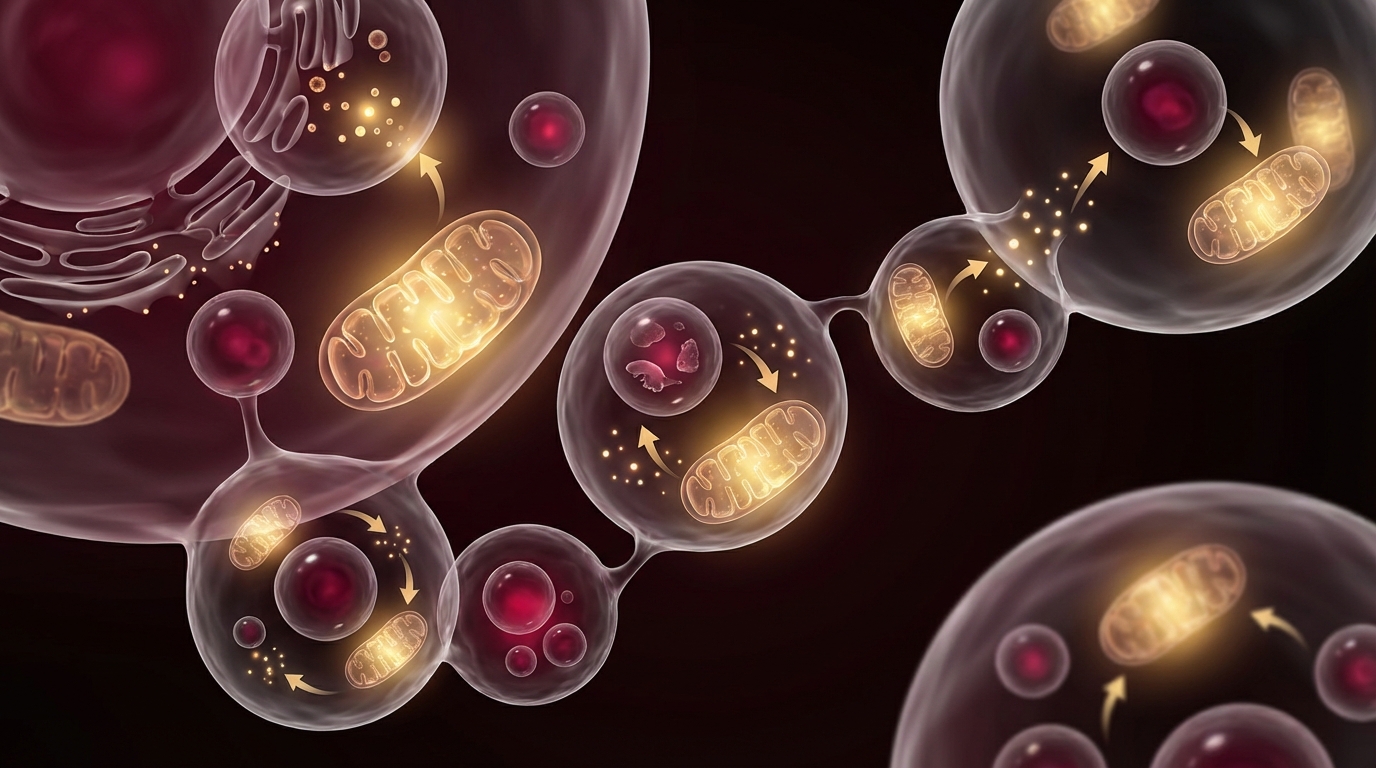
A neuron in your hippocampus and a liver cell under your ribs carry the same DNA. One stores memories, the other clears your blood. What separates them is which genes are switched on, which are silenced and how strongly each one is read. That layer of control is called epigenetics, and it is why I treat a genetic test result as the opening of a conversation about your health and never as its last line.
At a Glance
| Question | Short answer |
|---|---|
| The analogy | Genes are the piano you were given. Epigenetics is the player who decides which keys are pressed |
| What epigenetics is | Chemical marks and packaging (DNA methylation, histone marks, chromatin) that control how DNA is read without changing its sequence |
| How much of lifespan is genetic? | Roughly 25% in classic twin studies; well below 10% in a large pedigree analysis that corrected for partner choice |
| APOE ε4 (“the Alzheimer gene”) | Raises risk substantially, especially with two copies. Most single-copy carriers do not develop Alzheimer’s by 85 |
| Can lifestyle help at high genetic risk? | Associated with about a third lower dementia risk in UK Biobank; does not cancel the genetic risk |
| The exception | Rare APP, PSEN1 and PSEN2 mutations cause early-onset Alzheimer’s almost regardless of lifestyle |
| Evidence level | Strong for the genetics and the twin data; moderate for lifestyle and dementia; emerging for changing epigenetic clocks |
The piano and the player
Think of your genome as a piano. You received it at conception, with its keys, its tuning and perhaps a key or two that sticks. You cannot exchange it for another instrument.
Epigenetics is the player. The player decides which keys are pressed, how hard, how often and which ones stay silent for decades. The same piano can carry a lullaby or a march. Give it to another player, or to the same player after thirty years of different habits, and the music changes while every key stays exactly where it was.
I like this picture because it holds two facts at once that people often keep apart. Your genes matter: a piano with a missing octave cannot play certain pieces. And a large share of what actually sounds depends on what happens at the keyboard.
The analogy has limits. A few pianos have a key broken in a way no player can work around; those are the rare single-gene diseases, and I come back to them below. The player is also not entirely you. Age, chance, early-life conditions and the environment all have a hand on the keyboard. A meaningful part of the playing, though, responds to how you move, eat, sleep and drink, whether you smoke, and how well your blood pressure, blood sugar and cholesterol are controlled. That is the part medicine and daily life can work on together.
What epigenetics actually is
Epigenetics describes the chemical marks and packaging that control how DNA is read, without altering the DNA sequence itself (Bird 2007). Three mechanisms do most of the work.
DNA methylation. Small chemical tags called methyl groups attach to DNA at specific spots, mostly where the base cytosine sits next to guanine (so-called CpG sites). Dense methylation near the start of a gene usually keeps that gene quiet.
Histone modification. DNA is wound around spool-like proteins called histones. Tags on the histone tails, such as acetyl or methyl groups, loosen or tighten that winding. Loosely wound DNA is accessible and gets read. Tightly packed DNA mostly does not.
Chromatin. DNA, histones and their marks together form chromatin. Its shape decides which stretches of the genome are open for use in a given cell at a given moment.
This is how one genome builds a body with hundreds of cell types. The NIH Roadmap Epigenomics Consortium mapped 111 reference human epigenomes from different cells and tissues. Each tissue carried its own pattern of histone marks, DNA methylation and accessible regulatory regions, and genetic variants linked to disease clustered in the epigenetic marks of the tissues relevant to that disease (Kundaje 2015). Your neurons and your liver cells have identical keys and play entirely different pieces.
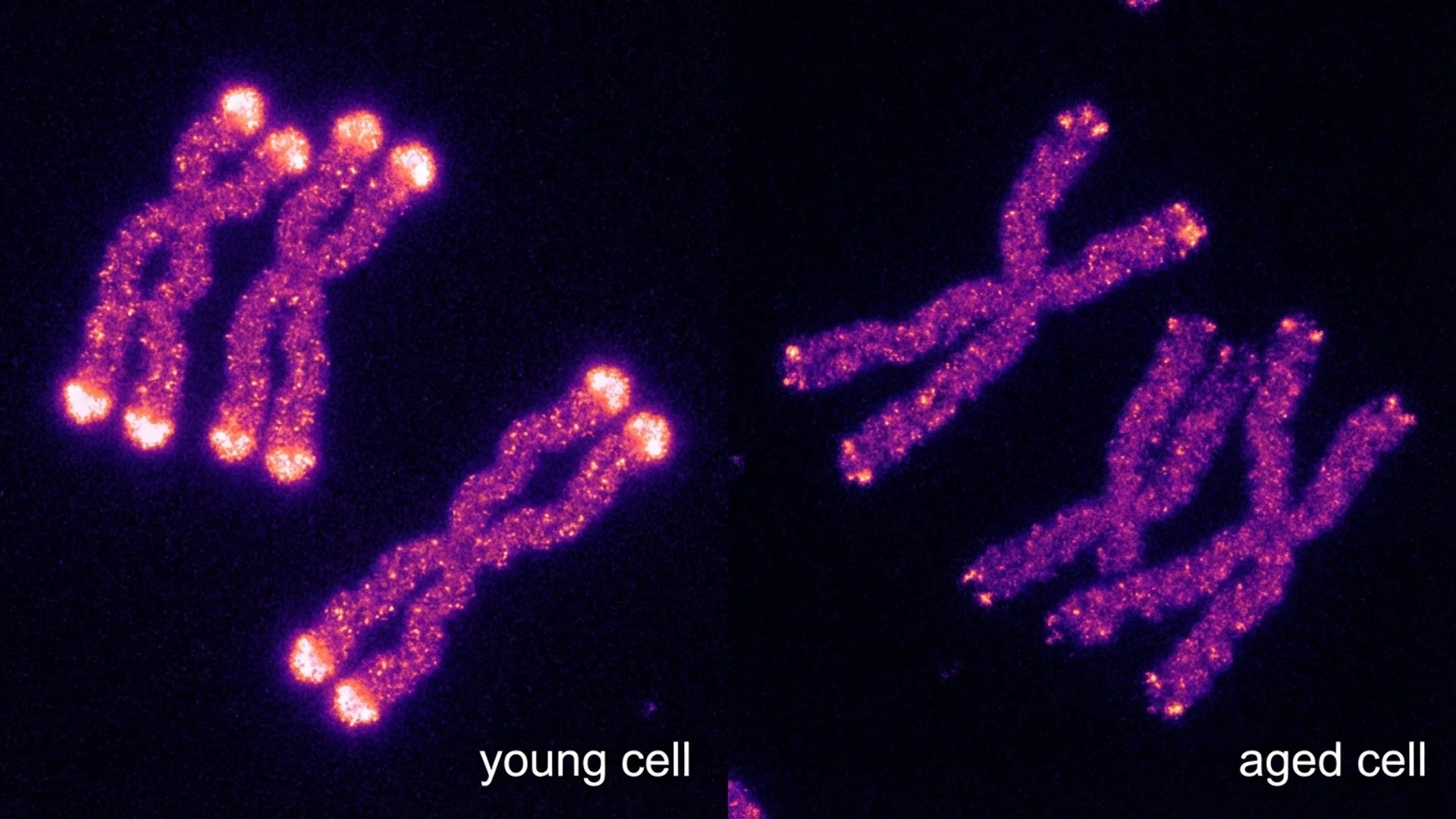
Some epigenetic marks are copied faithfully each time a cell divides, which is why a liver cell stays a liver cell. Others drift with age and shift with exposures and metabolic state. That second property is what makes the rest of this article possible.
Identical twins: same piano, different players
Identical twins begin life with the same genome. If genes alone wrote the music, they would age in step, develop the same diseases and die at about the same time. They often don’t.
In 2005, Fraga and colleagues measured DNA methylation and histone acetylation across a large group of identical twin pairs (Fraga 2005). Young twins were epigenetically almost indistinguishable. Older twins showed marked differences in both the amount and the genomic distribution of DNA methylation and histone acetylation, and those differences changed which genes were active. Two players had spent decades at the same piano and were no longer playing the same tune.
Twin and family studies also put a figure on how much of lifespan is inherited. A study of all 2,872 same-sex Danish twin pairs born between 1870 and 1900 estimated the heritability of longevity at 0.26 for men and 0.23 for women (Herskind 1996). Roughly a quarter of the variation in how long those people lived could be traced to genetic differences between them.
Later work suggests even that is generous. Ruby and colleagues analysed public family trees covering hundreds of millions of historical people (Ruby 2018). Lifespan correlations between blood relatives matched the familiar 15 to 30 percent, but in-laws, who share no genes, showed much of the same correlation. People tend to choose partners with similar habits and circumstances. After correcting for that, the authors estimated the heritability of lifespan for people born in the 1800s and early 1900s at well below 10 percent.
The exact number will keep being debated, and heritability is a statistic about populations that cannot be applied precisely to one person. The direction, however, has held across methods: for the length of an ordinary human life, inherited DNA explains a minority of the differences between people.
”The Alzheimer gene”
Few genetic results frighten people more than APOE ε4. Precise numbers help here, because the fear usually runs ahead of the data.
What APOE ε4 does to risk
The APOE gene comes in three common versions: ε2, ε3 and ε4. Everyone carries two copies, one from each parent, and ε3/ε3 is the usual reference. In 1993, Corder and colleagues showed that the risk of late-onset Alzheimer’s rises with each ε4 copy a person carries (Corder 1993).
The most quoted pooled estimate comes from a meta-analysis of 5,930 patients and 8,607 controls (Farrer 1997). Among people of European ancestry in clinic and autopsy studies, compared with ε3/ε3, one copy (ε3/ε4) raised the odds of Alzheimer’s about 3.2-fold and two copies (ε4/ε4) about 14.9-fold. The effect depends on ancestry: in a 2023 analysis of 68,756 people, the odds ratio for ε3/ε4 was 4.54 in East Asian, 3.46 in non-Hispanic White, 2.18 in Black and 1.90 in Hispanic participants (Belloy 2023).
Odds ratios sound frightening without a baseline. Lifetime risk is more useful. Using US incidence data in people of European ancestry, Genin and colleagues estimated the risk of developing Alzheimer’s by age 85 (Genin 2011):
| APOE genotype | Men | Women |
|---|---|---|
| All genotypes together | 11% | 14% |
| ε3/ε4 (one copy) | 23% | 30% |
| ε4/ε4 (two copies) | 51% | 60% |
Population cohorts give lower figures. In the Framingham and Rotterdam studies, the lifetime incidence of mild cognitive impairment or dementia up to age 80 to 85 among ε4/ε4 carriers was roughly 31 to 40 percent, with wide confidence intervals (Qian 2017). The estimates differ because the studies recruited different people and defined the outcome differently.
Most carriers never develop Alzheimer’s
Read the table from the other side. By 85, about 70 to 77 percent of people with one ε4 copy in that analysis had not developed Alzheimer’s. One copy is by far the more common situation, and for most of those carriers the feared piece is never played. ε4 makes it easier to play. It does not play it for you.
Two copies are a different situation, and I want to be clear about it. In a 2024 analysis of more than 10,000 people, almost all ε4 homozygotes showed Alzheimer’s biology on biomarkers. By 65, nearly all had abnormal amyloid in their spinal fluid and 75 percent had positive amyloid scans, and symptoms began at an average age of 65.1 (Fortea 2024). The authors propose regarding ε4/ε4 as a genetic form of Alzheimer’s in its own right. If you carry two copies, the right next step is a conversation with a physician or genetic counsellor who knows your full history.
What modifiable factors are associated with
The largest dataset on genes and lifestyle together comes from UK Biobank. Lourida and colleagues followed 196,383 adults aged 60 and over, all of European ancestry, for a median of eight years (Lourida 2019). Genetic risk was measured with a polygenic score, which includes APOE among many other variants. A favourable lifestyle meant no current smoking, regular physical activity, a healthy diet and moderate alcohol intake.
Among people at high genetic risk, 1.13 percent of those with a favourable lifestyle developed dementia, against 1.78 percent of those with an unfavourable one: a hazard ratio of 0.68, about a third lower. The same high-risk group with a favourable lifestyle still had more dementia than people at low genetic risk overall (0.63 percent). Lifestyle moved people within their genetic range without erasing it.
Randomised evidence exists, and it is modest. The FINGER trial assigned 1,260 Finnish adults aged 60 to 77 at raised dementia risk to two years of diet, exercise, cognitive training and vascular risk management, or to general health advice (Ngandu 2015). The intervention group did better on cognitive testing, with a small difference. In a prespecified subgroup analysis, the 362 APOE ε4 carriers benefited at least as much as non-carriers; the difference between the two groups was not statistically significant (Solomon 2018). FINGER measured cognitive scores over two years. It was not designed to show fewer dementia diagnoses.
At the population level, the Lancet Commission on dementia estimated in 2020 that 12 modifiable risk factors account for around 40 percent of dementia worldwide (Livingston 2020). Its 2024 update listed 14 factors, adding high LDL cholesterol and untreated vision loss, and put the share at nearly half, about 45 percent (Livingston 2024). The 14 are less education early in life, hearing loss, high LDL cholesterol, depression, traumatic brain injury, physical inactivity, diabetes, smoking, high blood pressure, obesity, excessive alcohol, social isolation, air pollution and untreated vision loss.
Most of this evidence is associational. People who live healthily differ from others in many ways, and the Commission’s percentages are modelled estimates that assume the links are causal. Lifestyle does not cancel APOE ε4. What the data support is narrower and still useful: at every level of genetic risk, people with better-controlled risk factors tend to fare better.
The exception: when the piano decides
Some mutations work differently. Changes in the APP, PSEN1 or PSEN2 genes cause autosomal dominant Alzheimer’s disease. A person who carries one will almost certainly develop the disease, usually with symptoms in midlife, before 65, whatever their lifestyle. In the Dominantly Inherited Alzheimer Network, amyloid levels in spinal fluid began to fall about 25 years before the expected onset of symptoms (Bateman 2012).
These mutations are rare and account for a small fraction of all Alzheimer’s cases. The same applies to other single-gene conditions such as Huntington’s disease. So the honest framing is this: for most people, for most common diseases, genes load the odds and the way a life is lived shapes a large part of the outcome. For a small number of families, one broken key decides.
Measuring the player: epigenetic clocks
If epigenetics is the player, can we listen to it? Epigenetic clocks try. They read DNA methylation at selected CpG sites, usually from blood, and turn the pattern into an age estimate or a speed of aging.
- Horvath clock (2013). Built from about 8,000 samples covering 51 tissues and cell types, using 353 CpG sites. It estimates age across tissues and showed accelerated methylation age in cancer tissue (Horvath 2013).
- GrimAge (2019). Trained to predict lifespan rather than calendar age, partly through methylation-based estimates of plasma proteins and smoking history. It predicted time to death, coronary heart disease and cancer better than earlier clocks (Lu 2019).
- DunedinPACE (2022). Distilled from two decades of measured decline in 19 indicators of organ function in a New Zealand birth cohort born in 1972 and 1973. It reports how fast someone is aging right now, and higher values were associated with disease, disability and death (Belsky 2022).
These are research tools with real limits: results vary between laboratories, tissues and clocks, and a single reading carries measurement noise. The epigenetic clock tests comparison and the biological age testing guide cover the practical side.
What has been shown to shift them in humans
Calorie restriction (moderate evidence). In the CALERIE trial, 220 adults without obesity were randomised to a 25 percent calorie restriction target or their usual diet for two years. A post hoc analysis found that restriction slowed DunedinPACE, while PhenoAge and GrimAge did not change significantly. Effect sizes were small (Waziry 2023). This is the strongest human evidence so far that the pace of epigenetic aging can be modified, and it rests on one trial and one clock.
Combined diet and lifestyle programmes (emerging evidence). In a pilot trial of 43 healthy men aged 50 to 72, an eight-week programme of diet, sleep, exercise and relaxation guidance plus probiotics and plant supplements was followed by a Horvath clock result 3.23 years lower than in controls (Fitzgerald 2021). The trial was small, short and used saliva, and the change within the treated group alone did not reach statistical significance. It is a reason to run larger trials.
Exercise, diet and body weight (associations). In 4,173 women from the Women’s Health Initiative and 402 adults from an Italian cohort, slower epigenetic aging was associated with higher blood carotenoids (a marker of fruit and vegetable intake), fish intake, education, moderate alcohol and physical activity, and faster aging with higher BMI and metabolic syndrome (Quach 2017). These are cross-sectional associations.
Smoking (strong evidence for an effect on methylation). A meta-analysis of 15,907 blood samples found 2,623 CpG sites that differed between current and never smokers. In former smokers many of these differences had faded, while some persisted for years after quitting (Joehanes 2016).
What has not been shown
No trial has yet shown that lowering an epigenetic clock score leads to less disease or a longer life. The CALERIE authors say so themselves: settling the question will need long trials with chronic disease and death as endpoints. Researchers are still agreeing on the standards a biomarker of aging must meet before it can be used to judge an intervention (Moqri 2023). A lower score after eight weeks is a measurement worth following over time, and it is no proof that anyone’s aging has been turned back.
What this means for you
Genes set the range. For most people, how they live shapes much of where in that range they land. In practice, that leads to a few concrete points.
A risk gene is a reason to act early. If you know you carry APOE ε4, the 14 Lancet factors are where the evidence points: blood pressure, LDL cholesterol, blood sugar, hearing, vision, physical activity, smoking, alcohol, mood and social contact. Most of these can be measured at a routine check-up, and several can be treated.
Two copies, or early-onset Alzheimer’s in the family, call for specialist advice. Genetic counselling helps you understand what a result means for you and for relatives before you act on it.
Be wary of anyone selling a reprogrammed genome. You cannot change your DNA sequence with a diet or a supplement. Epigenetic clocks are interesting research instruments, and a better score is no guarantee of a longer life.
Choose the measurable next step. The most useful thing most people can do this month is to know their numbers: blood pressure, LDL cholesterol and HbA1c, plus a hearing test if they have never had one. Those are the keys the player can reach.
The hallmarks of aging article shows where epigenetic alterations sit among the other processes that drive aging.
Evidence summary
| Claim | Evidence level | Key source |
|---|---|---|
| Cells with identical DNA differ through epigenetic marks | Strong | Kundaje 2015 |
| Identical twins diverge epigenetically with age | Strong | Fraga 2005 |
| Genes explain a minority of variation in lifespan | Strong (exact figure debated) | Herskind 1996; Ruby 2018 |
| APOE ε4 raises Alzheimer’s risk in a dose-dependent way | Strong | Corder 1993; Farrer 1997; Belloy 2023 |
| Most single-copy ε4 carriers do not develop Alzheimer’s by 85 | Moderate | Genin 2011; Qian 2017 |
| Nearly all ε4/ε4 carriers develop Alzheimer’s biology by their mid-60s | Moderate | Fortea 2024 |
| Healthy lifestyle is associated with lower dementia risk at high genetic risk | Moderate (observational) | Lourida 2019 |
| A multidomain lifestyle programme improves cognitive scores, including in ε4 carriers | Moderate (one RCT, small effect) | Ngandu 2015; Solomon 2018 |
| Up to about 45% of dementia is linked to modifiable factors | Moderate (modelled estimate) | Livingston 2020; Livingston 2024 |
| APP, PSEN1 and PSEN2 mutations cause early-onset Alzheimer’s | Strong | Bateman 2012 |
| Calorie restriction slows DunedinPACE | Moderate (one RCT, post hoc) | Waziry 2023 |
| Diet and lifestyle programmes lower epigenetic age | Emerging | Fitzgerald 2021 |
| Smoking alters DNA methylation; quitting partly reverses it | Strong | Joehanes 2016 |
| Lowering a clock score improves health outcomes | Limited (not yet tested) | Moqri 2023 |
Related Articles
- Biological Age Testing: What Epigenetic Clocks Actually Measure
- Epigenetic Clock Tests Compared: TruAge, GlycanAge, and OMICmAge
- The 12 Hallmarks of Aging: A Physician’s Framework
- Brain Aging and Cognitive Reserve: What Is Established, What Is Emerging
- GLP-1 Agonists and Alzheimer’s Prevention: What the Evidence Shows in 2026
Frequently asked questions
What is the difference between genetics and epigenetics?
Genetics is the DNA sequence you inherit, which stays essentially the same in every cell for life. Epigenetics is the layer of chemical marks and packaging (DNA methylation, histone modifications, chromatin structure) that controls which genes are read in which cell and how strongly. Epigenetic marks change during development, with age and with exposures such as smoking.
If I carry the APOE4 gene, will I get Alzheimer's disease?
Not necessarily. One copy roughly triples the odds compared with the common ε3/ε3 genotype, and one US-based estimate puts the risk of Alzheimer's by age 85 at about 23% for men and 30% for women with one copy (Genin 2011). Most single-copy carriers therefore do not develop it by 85. Two copies carry a much higher risk, and almost all ε4/ε4 carriers show Alzheimer's biology on biomarkers by their mid-60s (Fortea 2024); that situation deserves a conversation with a physician or genetic counsellor.
Can lifestyle offset a high genetic risk of dementia?
Partly, according to observational data. In UK Biobank, people at high genetic risk with a favourable lifestyle had about a third lower dementia risk than those at high genetic risk with an unfavourable lifestyle (Lourida 2019). They still had a higher risk than people at low genetic risk. In the randomised FINGER trial, APOE ε4 carriers benefited from a multidomain lifestyle programme at least as much as non-carriers on cognitive tests.
How much of lifespan is determined by genes?
Less than most people think. A study of 2,872 Danish twin pairs estimated heritability at about 0.23 to 0.26. A larger pedigree analysis that accounted for people choosing partners with similar lifestyles put it well below 10% for people born in the 1800s and early 1900s (Ruby 2018).
Can you reverse your epigenetic age?
Some interventions shift epigenetic clock scores in trials, for example calorie restriction slowed DunedinPACE in the CALERIE trial. No study has yet shown that lowering a clock score leads to less disease or a longer life, so a lower score is a research signal, and it does not mean aging has been reversed.
Are there genes that cause Alzheimer's no matter how you live?
Yes. Rare mutations in APP, PSEN1 and PSEN2 cause autosomal dominant Alzheimer's disease, usually with symptoms in midlife, before 65. Carriers develop the disease almost regardless of lifestyle. These mutations account for a small fraction of all Alzheimer's cases.
References
- Bird A. Perceptions of epigenetics. Nature. 2007. PMID: 17522671
- Kundaje A, et al. Integrative analysis of 111 reference human epigenomes. Nature. 2015. PMID: 25693563
- Fraga MF, et al. Epigenetic differences arise during the lifetime of monozygotic twins. Proc Natl Acad Sci U S A. 2005. PMID: 16009939
- Herskind AM, et al. The heritability of human longevity: a population-based study of 2872 Danish twin pairs born 1870-1900. Hum Genet. 1996. PMID: 8786073
- Ruby JG, et al. Estimates of the heritability of human longevity are substantially inflated due to assortative mating. Genetics. 2018. PMID: 30401766
- Corder EH, et al. Gene dose of apolipoprotein E type 4 allele and the risk of Alzheimer’s disease in late onset families. Science. 1993. PMID: 8346443
- Farrer LA, et al. Effects of age, sex, and ethnicity on the association between apolipoprotein E genotype and Alzheimer disease: a meta-analysis. JAMA. 1997. PMID: 9343467
- Belloy ME, et al. APOE genotype and Alzheimer disease risk across age, sex, and population ancestry. JAMA Neurol. 2023. PMID: 37930705
- Genin E, et al. APOE and Alzheimer disease: a major gene with semi-dominant inheritance. Mol Psychiatry. 2011. PMID: 21556001
- Qian J, et al. APOE-related risk of mild cognitive impairment and dementia for prevention trials: an analysis of four cohorts. PLoS Med. 2017. PMID: 28323826
- Fortea J, et al. APOE4 homozygozity represents a distinct genetic form of Alzheimer’s disease. Nat Med. 2024. PMID: 38710950
- Lourida I, et al. Association of lifestyle and genetic risk with incidence of dementia. JAMA. 2019. PMID: 31302669
- Ngandu T, et al. A 2 year multidomain intervention of diet, exercise, cognitive training, and vascular risk monitoring versus control to prevent cognitive decline in at-risk elderly people (FINGER): a randomised controlled trial. Lancet. 2015. PMID: 25771249
- Solomon A, et al. Effect of the apolipoprotein E genotype on cognitive change during a multidomain lifestyle intervention: a subgroup analysis of a randomized clinical trial. JAMA Neurol. 2018. PMID: 29356827
- Livingston G, et al. Dementia prevention, intervention, and care: 2020 report of the Lancet Commission. Lancet. 2020. PMID: 32738937
- Livingston G, et al. Dementia prevention, intervention, and care: 2024 report of the Lancet standing Commission. Lancet. 2024. PMID: 39096926
- Bateman RJ, et al. Clinical and biomarker changes in dominantly inherited Alzheimer’s disease. N Engl J Med. 2012. PMID: 22784036
- Horvath S. DNA methylation age of human tissues and cell types. Genome Biol. 2013. PMID: 24138928
- Lu AT, et al. DNA methylation GrimAge strongly predicts lifespan and healthspan. Aging (Albany NY). 2019. PMID: 30669119
- Belsky DW, et al. DunedinPACE, a DNA methylation biomarker of the pace of aging. eLife. 2022. PMID: 35029144
- Waziry R, et al. Effect of long-term caloric restriction on DNA methylation measures of biological aging in healthy adults from the CALERIE trial. Nat Aging. 2023. PMID: 37118425
- Fitzgerald KN, et al. Potential reversal of epigenetic age using a diet and lifestyle intervention: a pilot randomized clinical trial. Aging (Albany NY). 2021. PMID: 33844651
- Quach A, et al. Epigenetic clock analysis of diet, exercise, education, and lifestyle factors. Aging (Albany NY). 2017. PMID: 28198702
- Joehanes R, et al. Epigenetic signatures of cigarette smoking. Circ Cardiovasc Genet. 2016. PMID: 27651444
- Moqri M, et al. Biomarkers of aging for the identification and evaluation of longevity interventions. Cell. 2023. PMID: 37657418
This content is educational and does not replace individual medical advice. Genetic test results, especially APOE ε4/ε4 or a family history of early-onset dementia, are best interpreted with a physician or genetic counsellor.