Showing the 24 newest of 553 articles
Articles

At-Home Brain Stimulation for Depression: ProlivRx and Flow FL-100 — What the 2025–2026 FDA Approvals Mean for Patients
Two FDA-approved at-home brain stimulation devices for depression are now available. Here is what the clinical evidence says and when they are — or are not — the right choice.

Supplement Contamination Warnings 2026: Yellow Oleander, Tejocote Root, and Undeclared Stimulants
FDA warnings now cover 33+ weight-loss supplements adulterated with toxic yellow oleander. Here is what patients and physicians need to know to stay safe.

How to Evaluate a Longevity Clinic: Separating Evidence from Marketing
A physician's checklist for distinguishing genuine evidence-based longevity medicine from expensive wellness marketing — what to test, ask, and avoid.

IDSA vs ILADS: The Lyme Disease Guideline War and What It Means for Patients
Why the IDSA and ILADS Lyme disease guidelines have been in conflict for decades, what each says, and how the evidence debate affects real patients.

Oral Peptide Delivery in 2026: How Icotrokinra's FDA Approval Rewrites the Rules
The first oral targeted peptide approved for psoriasis signals a new era. Here is what the science of oral peptide delivery means for integrative medicine.

Senolytics: Who Should NOT Take Them — A Physician's Safety Guide
A clinical guide to senolytics contraindications: active cancer, cardiac risk, drug interactions, active infection, and the 2026 demyelination finding from PNAS.
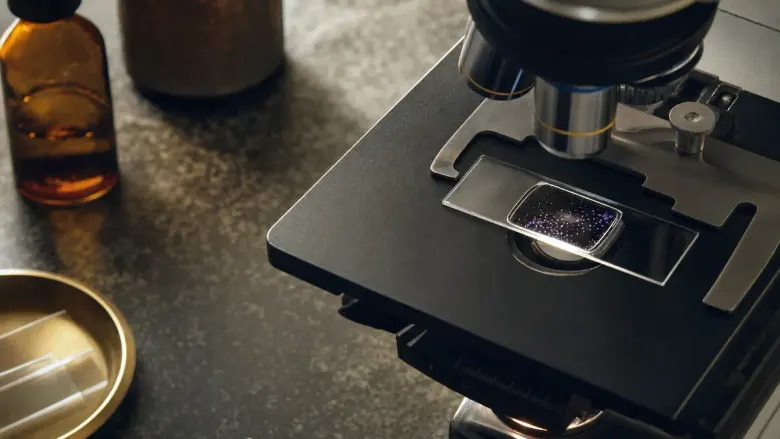
Combination Antibiotics for Lyme Disease: What the Tulane and Northwestern Research Means for PTLDS Patients
New animal research finds combination antibiotic regimens outperform monotherapy for persistent Lyme infection — and piperacillin shows microbiome-sparing promise.
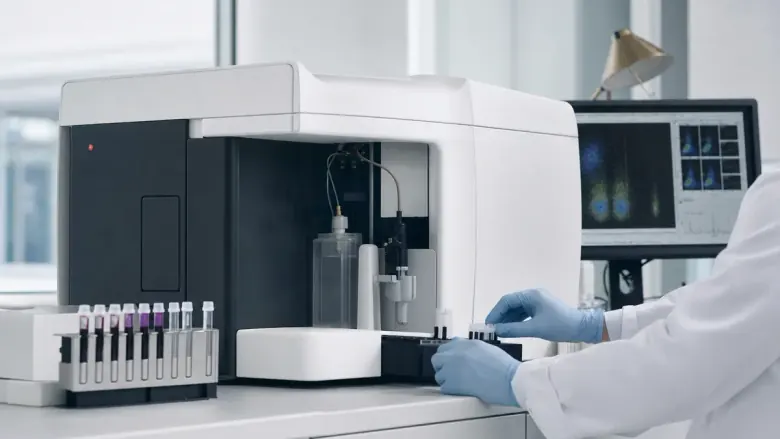
CRP and Depression: What Inflammation Testing Reveals Before You Start TMS
CRP and cytokine testing before TMS for depression identifies the inflamed subtype, predicts response, and guides whether inflammation must be treated first.

Ketamine as a Bridge to TMS: The Induction Protocol for Treatment-Resistant Depression
When TMS for depression takes weeks to build effect, IV ketamine can bridge the gap — acute relief while circuits remodel. Protocol, evidence, and patient selection.

Senolytics for Osteoporosis: How Clearing Senescent Cells Can Restore Bone Density
The case for senolytic therapy in osteoporosis: how zombie cells disrupt bone remodeling, what the 2024 Phase 2 trial showed, and which patients benefit most.

Accelerated TMS in 2026: SWIFT, 5×5 rTMS, and Faster Routes to Depression Remission
SWIFT deep TMS and 5×5 accelerated rTMS compress depression treatment to 5–6 days. What the 2026 evidence shows, who qualifies, and how Julian positions these protocols.

Treatment-Resistant Depression: The Cause-First Workup Before TMS
Before treating TRD, investigate the cause: qEEG brain mapping, CRP inflammation testing, Lyme/viral infections, and toxic relationships. Julian's clinical protocol.

TMS for Chronic Pain: rTMS Protocols, Evidence, and Patient Selection
How repetitive TMS targets the motor cortex and prefrontal regions to reduce chronic neuropathic pain, fibromyalgia, and CRPS — protocols, evidence levels, and who qualifies.
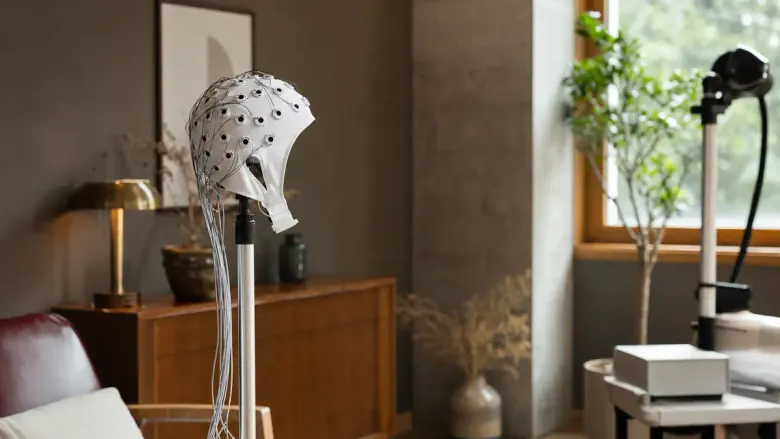
TMS for Tinnitus: rTMS Protocols, Evidence, and Who Responds Best
A physician's guide to repetitive TMS for chronic tinnitus — auditory cortex targets, 1 Hz protocols, multisite approaches, what the evidence shows, and who responds best.
Creatine Dosage Guide: Loading, Maintenance, and Timing Protocols
Evidence-based creatine dosage protocols — loading vs skip-load, daily maintenance, timing windows, and form selection for performance and longevity.

ECT Must Be Banned: A Treatment With No Going Back
A physician's case for banning electroconvulsive therapy: permanent memory loss, falling brain metabolism on PET and SPECT, high relapse, thin consent, and the targeted alternatives.

TMS for OCD: Deep TMS Protocols, FDA Clearance, and What the Evidence Shows
Dr. med. univ. Julian Douwes reviews TMS and deep TMS for OCD — the CSTC circuit target, H7 coil protocol with symptom provocation, clinical response rates, and patient selection.

Zinc-L-Carnosine: The Gut Mucosal Protectant Used in Japanese Medicine for Decades
Zinc-L-carnosine protects and repairs the gastric lining, fights H. pylori, and reduces chemotherapy mucositis. A physician's guide to dosing, evidence, and clinical use.

Photobiomodulation for Wound Healing: Clinical Evidence and Protocols
How red and near-infrared light therapy accelerates wound closure, reduces inflammation, and promotes tissue regeneration — a physician's evidence-based guide.
5-Amino-1MQ: The NNMT Inhibitor With No Human Data
5-Amino-1MQ blocks NNMT, raising NAD+ and suppressing fat storage in mice. The rodent evidence is strong and consistent. Human trials: zero. What that means in practice.
Abaloparatide (Tymlos): Bone-Building Peptide, Label Facts
Abaloparatide is an approved PTHrP analogue that builds bone and cut new vertebral fractures by 86% in the ACTIVE trial. Label dosing, side effects, limits.

ACE-031: The Myostatin Blocker That Was Stopped, and Why
ACE-031 added 3.3% lean mass from one dose, then its Duchenne trial was halted over nosebleeds and telangiectasias. What happened and what it teaches.

Adamax: The Semax Analog With No Published Studies
Adamax is a designer Semax analog with an adamantane cap borrowed from P021. No study has tested it; what is known, what users report, and the dosing in circulation.

Adipotide (FTPP): Fat-Cell Ablation and the Kidney Problem
Adipotide kills the blood supply of white fat. It reversed obesity in mice and monkeys, caused dose-limiting kidney changes, and its only human trial stopped after four patients.
No articles match these filters.
Try another format, or . You can also search all pages, including guides and topic hubs.