Foundational
What Is TMS? Transcranial Magnetic Stimulation Explained
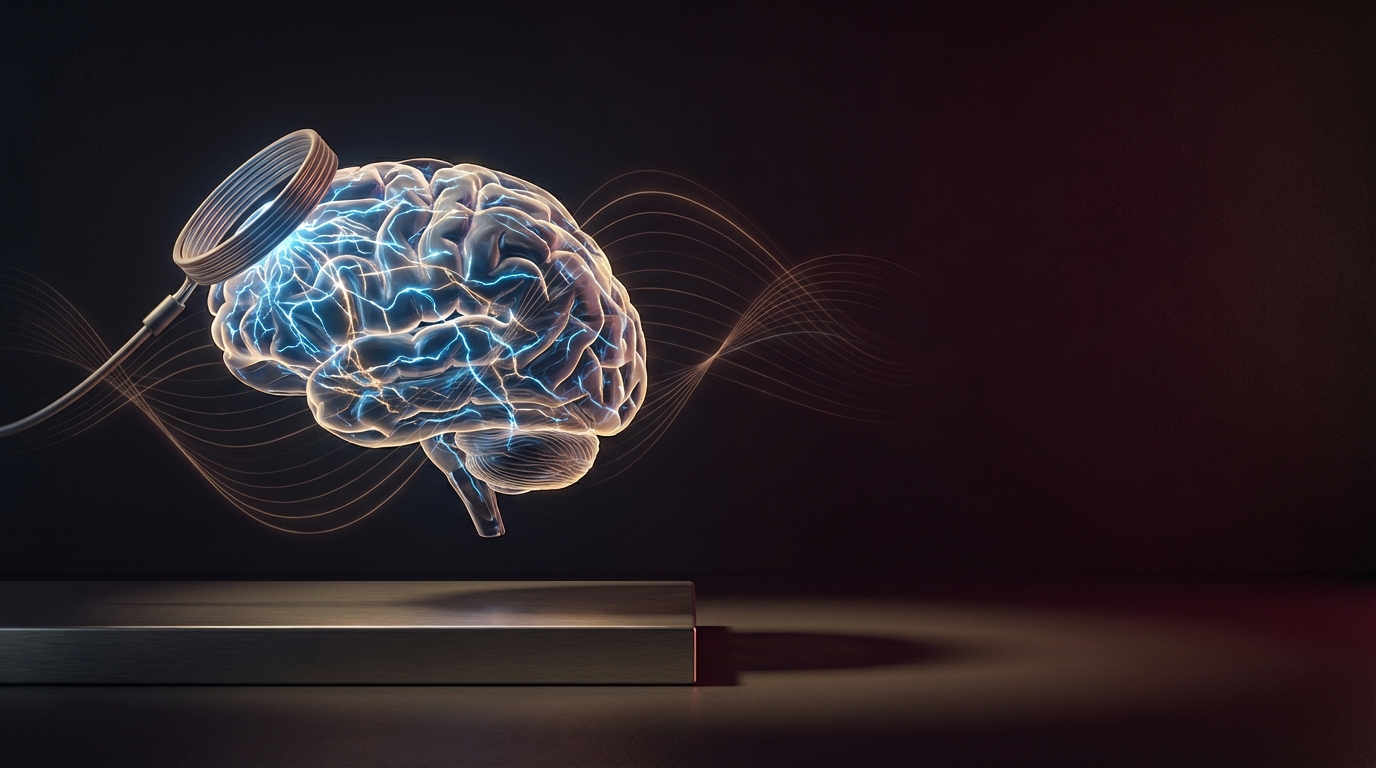
Transcranial magnetic stimulation explained by a physician. TMS vs TPS, FDA clearance, session protocols, and why I rank TPS as the top neuromodulation tool in my practice.
Clinical Protocols
Treatment-Resistant Depression: The Cause-First Workup Before TMS. Part of the Clinical Protocols library by Dr. med. univ. Julian Douwes
Transcranial magnetic stimulation explained by a physician. TMS vs TPS, FDA clearance, session protocols, and why I rank TPS as the top neuromodulation tool in my practice.
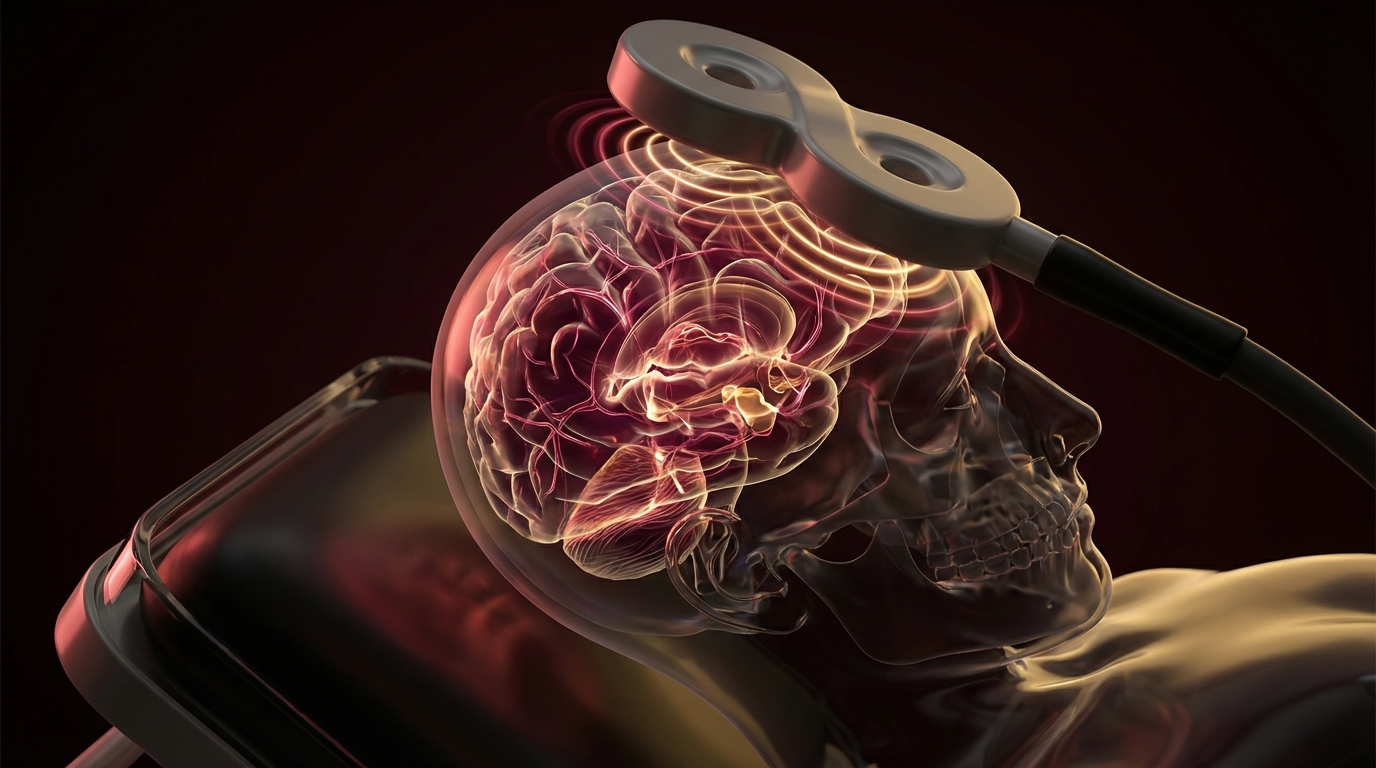
Two FDA-approved at-home brain stimulation devices for depression are now available. Here is what the clinical evidence says and when they are — or are not — the right choice.
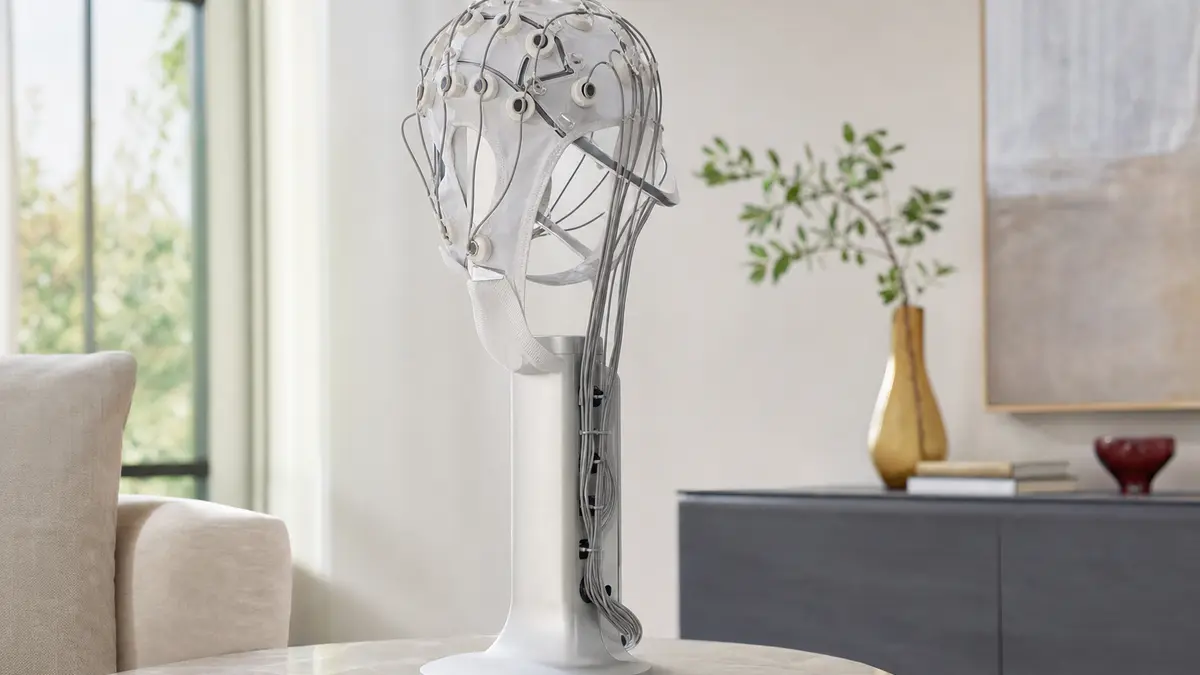
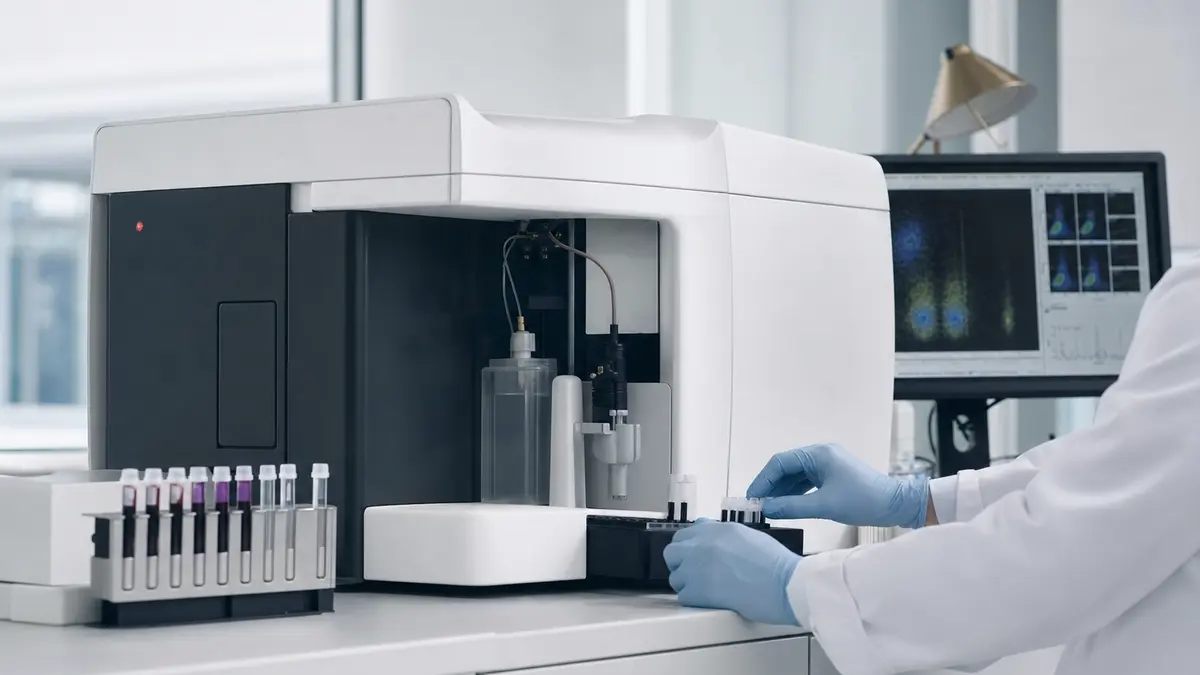
CRP and cytokine testing before TMS for depression identifies the inflamed subtype, predicts response, and guides whether inflammation must be treated first.
When TMS for depression takes weeks to build effect, IV ketamine can bridge the gap — acute relief while circuits remodel. Protocol, evidence, and patient selection.
SWIFT deep TMS and 5×5 accelerated rTMS compress depression treatment to 5–6 days. What the 2026 evidence shows, who qualifies, and how Julian positions these protocols.
Before treating TRD, investigate the cause: qEEG brain mapping, CRP inflammation testing, Lyme/viral infections, and toxic relationships. Julian's clinical protocol.

A physician's case for banning electroconvulsive therapy: permanent memory loss, falling brain metabolism on PET and SPECT, high relapse, thin consent, and the targeted alternatives.

PE-22-28 is a 7-amino-acid spadin analog that blocks the TREK-1 channel and acted as a fast antidepressant in mice. No human has received it in a study.
A clinical guide to IV ketamine infusions for treatment-resistant depression and chronic pain — dosing, mechanism, patient selection, and realistic expectations.
How vitamin D acts as a lifespan neuroimmune signal in psychiatry — from depression and schizophrenia to autism and cognitive decline. Clinical dosing and evidence.
Dr. Douwes reviews transcranial photobiomodulation for depression — mechanisms, clinical trial data, dosing protocols, and how it fits an integrative mental health strategy.
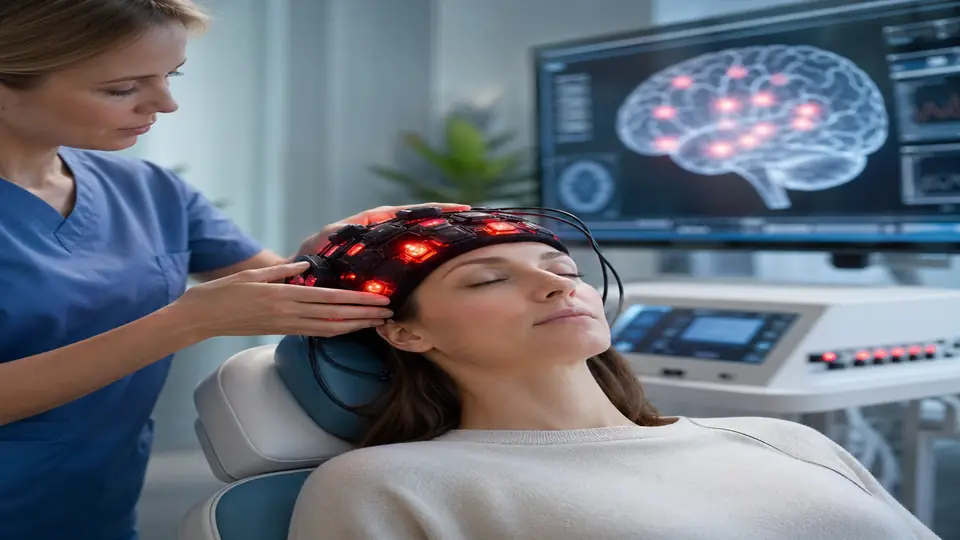
TMS depression treatment explained by a physician. FDA clearance history, rTMS protocols, theta burst stimulation, response rates, and who responds best.