At a Glance
| Factor | Oral / Sublingual | Subcutaneous / IM Injection |
|---|---|---|
| Bioavailability | Low–moderate (estimated 2–10%) | High (estimated 60–80%) |
| Onset | 30–90 min | 15–45 min |
| Primary target | GI tract, esophagus, intestines | Systemic — tendons, muscles, CNS, joints |
| Dosing range | 250–500 mcg twice daily | 200–400 mcg once or twice daily |
| Needle required | No | Yes (insulin syringe, 29–31 G) |
| Stability in stomach acid | Partially degraded | N/A |
| Best for | IBS, leaky gut, GERD, ulcers | Tendon/ligament repair, neurological, systemic |
| Evidence quality | Animal models + clinical extrapolation | Predominantly animal; human case series |
BPC-157 — Body Protection Compound 157 — is a synthetic pentadecapeptide derived from a gastric protein that has been studied for its remarkable regenerative and cytoprotective properties. As interest in this peptide has grown well beyond research circles and into clinical integrative practice, one question consistently arises during patient consultations: does it matter whether you take it orally or inject it? For context on how BPC-157 fits within the full spectrum of therapeutic peptides — from immune support to metabolic health — see our evidence-based guide to peptide therapy benefits.
The short answer is yes — substantially. The route of administration determines where BPC-157 acts, how much reaches systemic circulation, and therefore what clinical goals it can realistically support. In my practice I prescribe both routes, but for very different indications.
Why Route of Administration Matters for Peptides
Peptides are short chains of amino acids. Unlike small-molecule drugs, they are inherently vulnerable to enzymatic degradation in the gastrointestinal tract. Proteases — particularly pepsin in the stomach and trypsin/chymotrypsin in the small intestine — cleave peptide bonds before the molecule can be absorbed intact through the intestinal wall.
BPC-157 is unusual among peptides in one important respect: it appears to be partially resistant to acid and enzymatic breakdown compared to other peptide sequences. Research in rodent models has demonstrated that orally administered BPC-157 retains biological activity within the GI lumen even when injected directly into gastric acid. This property is likely why it exerts such pronounced local effects on the gastrointestinal mucosa when taken by mouth.
However, “partially resistant” is not the same as “fully bioavailable.” A meaningful portion of oral BPC-157 is still degraded before reaching the bloodstream, which limits its systemic reach. Injection bypasses this barrier entirely.
Oral BPC-157: The GI-Tract Specialist
How It Works
When BPC-157 is swallowed — whether in capsule, powder, or liquid form — it interacts directly with the mucosal surface along the entire gastrointestinal tract. The peptide’s cytoprotective mechanisms operate locally: it upregulates growth factors (EGF, VEGF), promotes angiogenesis in damaged tissue, modulates nitric oxide synthesis, and activates cytoskeletal reorganization in epithelial cells.
This means oral BPC-157 essentially bathes the route it travels — esophagus, stomach, small intestine, colon — in regenerative signaling.
Clinical Indications for Oral Dosing
In my clinical experience, oral BPC-157 is the preferred route for:
- Inflammatory bowel disease (IBD) — Crohn’s disease and ulcerative colitis; the peptide reduces mucosal inflammation and promotes healing of intestinal fistulas in animal models
- Irritable bowel syndrome (IBS) — particularly IBS-D where mucosal barrier dysfunction is suspected
- GERD and esophagitis — direct contact with esophageal mucosa provides a protective effect not achievable via injection
- Gastric ulcers and gastritis — including NSAID-induced ulceration
- Leaky gut / intestinal hyperpermeability — BPC-157 appears to tighten tight junctions and reduce zonulin-mediated permeability
- Dysbiosis recovery — post-antibiotic gut repair; particularly relevant in my Lyme disease patients after prolonged antibiotic courses
Dosing Protocol (Oral)
The dosing range I use clinically is 250–500 mcg twice daily, typically on an empty stomach. Some practitioners dose up to 1,000 mcg/day in divided doses for active IBD flares. Capsules should ideally be opened and dissolved in water if sublingual absorption is desired as a partial workaround for first-pass degradation.
Duration: 8–12 weeks for active GI pathology; 4 weeks for maintenance or post-antibiotic recovery.
Subcutaneous Injection: Systemic Reach and Faster Onset
How It Works
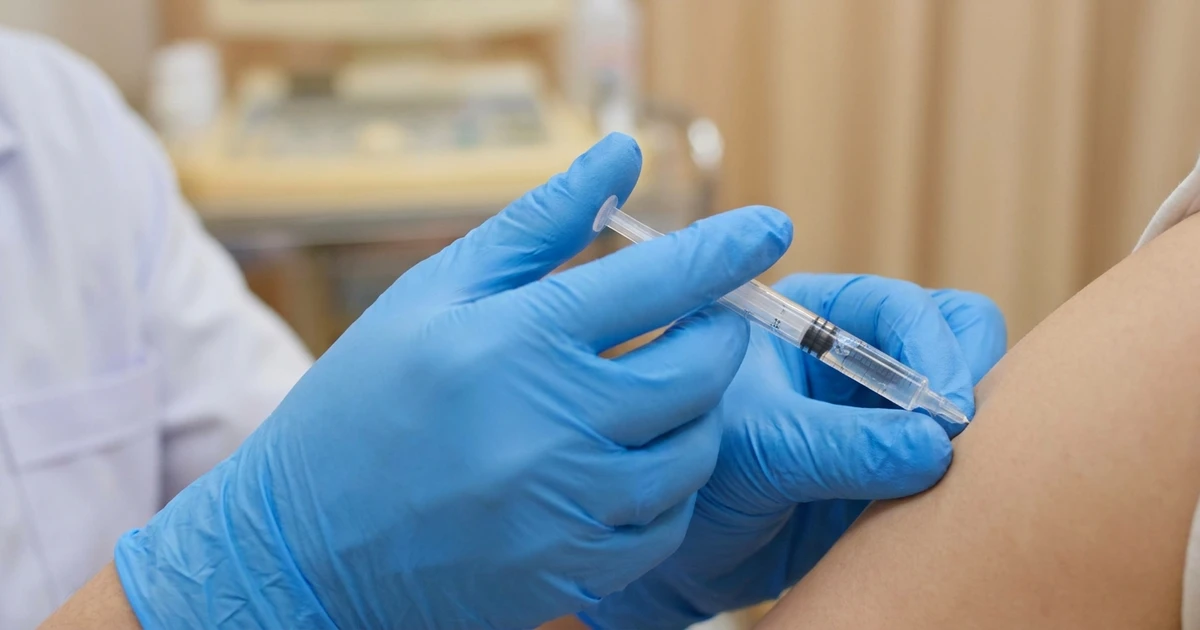
Subcutaneous (SC) or intramuscular (IM) injection delivers BPC-157 directly into tissue, bypassing the GI tract entirely. Absorption from subcutaneous fat is rapid and nearly complete relative to the dose administered. The peptide enters systemic circulation and can reach targets that oral administration cannot: tendons, ligaments, cartilage, skeletal muscle, the central nervous system, and peripheral nerves.
Clinical Indications for Injection
Injection is the route I recommend for:
- Tendon and ligament injuries — rotator cuff tears, Achilles tendinopathy, patellar tendinitis; BPC-157 accelerates collagen remodeling via VEGF upregulation and tendon-to-bone attachment healing
- Muscle tears and strains — both acute injuries and chronic overuse; injection near the injury site (not directly into the lesion) enhances local repair
- Joint pain and cartilage degradation — particularly knee and shoulder; can be injected locally or subcutaneously at distance
- Neurological applications — traumatic brain injury recovery, peripheral neuropathy, post-stroke neuroregeneration (all based on animal data with clinical extrapolation)
- Systemic inflammation — when gut-route delivery is insufficient for a systemic inflammatory burden
- Post-surgical healing acceleration — particularly where wound healing is compromised
Injection Technique
SC injection is the most practical approach for self-administration under medical supervision:
- Reconstitute lyophilized BPC-157 with bacteriostatic water (0.9% benzyl alcohol) — typically 2 mL per 5 mg vial
- Draw desired dose (200–400 mcg) with a 29–31 G insulin syringe
- Inject subcutaneously into the lower abdomen or near the injury site, 1–2 cm from the target area
- Rotate injection sites to prevent local tissue irritation
- Store reconstituted peptide refrigerated; use within 28–30 days
Dosing: 200–400 mcg once or twice daily. For musculoskeletal injuries, a 6–12 week course is typical. Some protocols use a higher initial dose (500 mcg/day) for the first 2 weeks, tapering thereafter.
Head-to-Head: What the Research Tells Us
Most of the foundational BPC-157 research is from Croatian researchers, particularly the laboratory of Predrag Sikiric at the University of Zagreb, using rodent models. Human clinical trials are limited, though several are now underway.
Key findings relevant to route comparison:
- Oral vs. IP injection in IBD models: Both routes reduced gut inflammation in TNBS-induced colitis; oral was superior for mucosal healing scores, while IP injection showed greater systemic anti-inflammatory markers (Sikiric et al., 2018)
- Tendon healing: Exclusively injection-based studies; oral administration has not been studied for tendon endpoints in published literature
- Neurological effects: Only injection-based studies in CNS models; oral bioavailability for CNS penetration is likely minimal
- Angiogenesis: Injection studies consistently show VEGF upregulation systemically; oral studies show localized GI angiogenesis
The clinical implication is clear: for anything outside the GI tract, injection is the evidence-supported route. Oral use for musculoskeletal or neurological goals is extrapolation without strong mechanistic or empirical backing.
Can You Use Both Routes Together?
Yes — and this is a strategy I employ in specific patient populations. Consider a patient with:
- Active Crohn’s disease and a chronic Achilles tendinopathy
In this case, oral BPC-157 (300 mcg twice daily) targets the gut while subcutaneous injection (250 mcg once daily near the tendon) addresses the musculoskeletal pathology. There are no known pharmacokinetic interactions between routes, and animal studies have not demonstrated toxicity concerns at these dose levels.
Combined use requires careful monitoring for any early signs of peptide-related side effects — nausea, transient hypotension, or dizziness — which appear dose-related rather than route-related.
Safety Considerations by Route
BPC-157 has an excellent safety profile in animal studies across multiple species at pharmacologically relevant doses. No maximum tolerated dose has been established in humans, and no serious adverse events have been reported in published human case series. That said, route-specific considerations apply:
Oral:
- Generally well tolerated; occasional nausea if taken with food
- No injection site reactions
- Capsule quality varies by compounding pharmacy — purity testing is essential
- Watch for paradoxical gastric discomfort in the first 1–2 days (resolves spontaneously)
Injection:
- Injection site bruising or mild erythema
- Transient lightheadedness in some patients (related to nitric oxide modulation — advise patients to inject sitting down)
- Sterility is critical — use alcohol swabs, sterile needles, and bacteriostatic water
- Source matters: pharmaceutical-grade BPC-157 from a licensed compounding pharmacy only
Related Articles
- BPC-157 Complete Guide: Mechanisms, Benefits, and Clinical Use
- BPC-157 Dosage Protocol: How Physicians Approach It
- BPC-157 vs TB-500: Which Peptide Heals Faster?
- Peptide Injection Guide: How to Self-Administer Safely
- Gut-Healing Peptides: BPC-157, KPV, and LL-37 in Clinical Practice
References
-
Sikiric P, Seiwerth S, Rucman R, et al. Stable gastric pentadecapeptide BPC 157: novel therapy in gastrointestinal tract. Curr Pharm Des. 2011;17(16):1612-1632. PMID: 21548867
-
Gwyer D, Bhatt DL, Bhattacharya C. Pentadecapeptide BPC 157 and its mechanism of action in the gastrointestinal tract. Inflammopharmacology. 2019;27(2):153-166. PMID: 30831520
-
Chang CH, Tsai WC, Lin MS, Hsu YH, Pang JH. The promoting effect of pentadecapeptide BPC 157 on tendon healing involves tendon outgrowth, cell survival, and cell migration. J Appl Physiol. 2011;110(3):774-780. PMID: 21148333
-
Seiwerth S, Rucman R, Turkovic B, et al. BPC 157 and Standard Angiogenic Growth Factors. Curr Pharm Des. 2018;24(18):1947-1956. PMID: 29773054
-
Vukojevic J, Siroglavic M, Kasnik K, et al. Rat inferior caval vein (ICV) ligature and particular new insights with the stable gastric pentadecapeptide BPC 157. Vascul Pharmacol. 2018;106:54-66. PMID: 29360591
-
Sikiric P, Drmic D, Sever M, et al. Fistulas healing. Stable gastric pentadecapeptide BPC 157 therapy. Curr Pharm Des. 2020;26(25):2991-3000. PMID: 32452319
-
Tudor M, Jandric I, Marovic A, et al. Translational research in biomedicine: novel anti-ulcer compound-stable gastric pentadecapeptide BPC 157. Transl Res. 2022;241:33-50. PMID: 34896604