BPC-157 Contraindications: Who Should Not Use This Peptide
A clinical guide to BPC-157 contraindications, relative cautions, and drug interactions — covering cancer patients, transplant recipients, pregnancy, and autoimmune conditions.
Peptide Therapy
Moderate EvidenceGastric pentadecapeptide for tissue repair, angiogenesis, and gastrointestinal healing.
A clinical guide to BPC-157 contraindications, relative cautions, and drug interactions — covering cancer patients, transplant recipients, pregnancy, and autoimmune conditions.
The FDA's 2026 action returns roughly 14 peptides to Category 1 compounding eligibility. A physician explains what changed, which peptides are affected, and what this means for your access.
Discover how immunomodulatory peptides like Thymosin Alpha-1, BPC-157, and LL-37 can help regulate immune dysfunction in autoimmune conditions. Clinical protocols and evidence.
Learn how to safely combine therapeutic peptides like BPC-157, TB-500, and GHK-Cu for synergistic healing, with dosing protocols and clinical evidence.
Dr. Douwes reviews the clinically relevant benefits of peptide therapy — from tissue repair and immune modulation to longevity and brain health. What evidence supports each claim.
Dr. Julian Douwes ranks the most effective peptides for tissue repair, wound healing, and recovery — with dosing context and evidence grades for each.
Physician comparison of BPC-157 oral capsules versus subcutaneous injection — covering bioavailability, onset, dosing, and clinical use cases for each route.
A physician's evidence-based guide to peptide therapy for women — covering hormonal interactions, key peptides, dosing considerations, and who is a suitable candidate.

Honest physician assessment of BPC-157 side effects, contraindications, FDA status, and what patients report. Evidence levels clearly distinguished.
Honest assessment of BPC-157 side effects, safety data, FDA warnings, and theoretical risks. What we know, what we don't, and what to watch for.
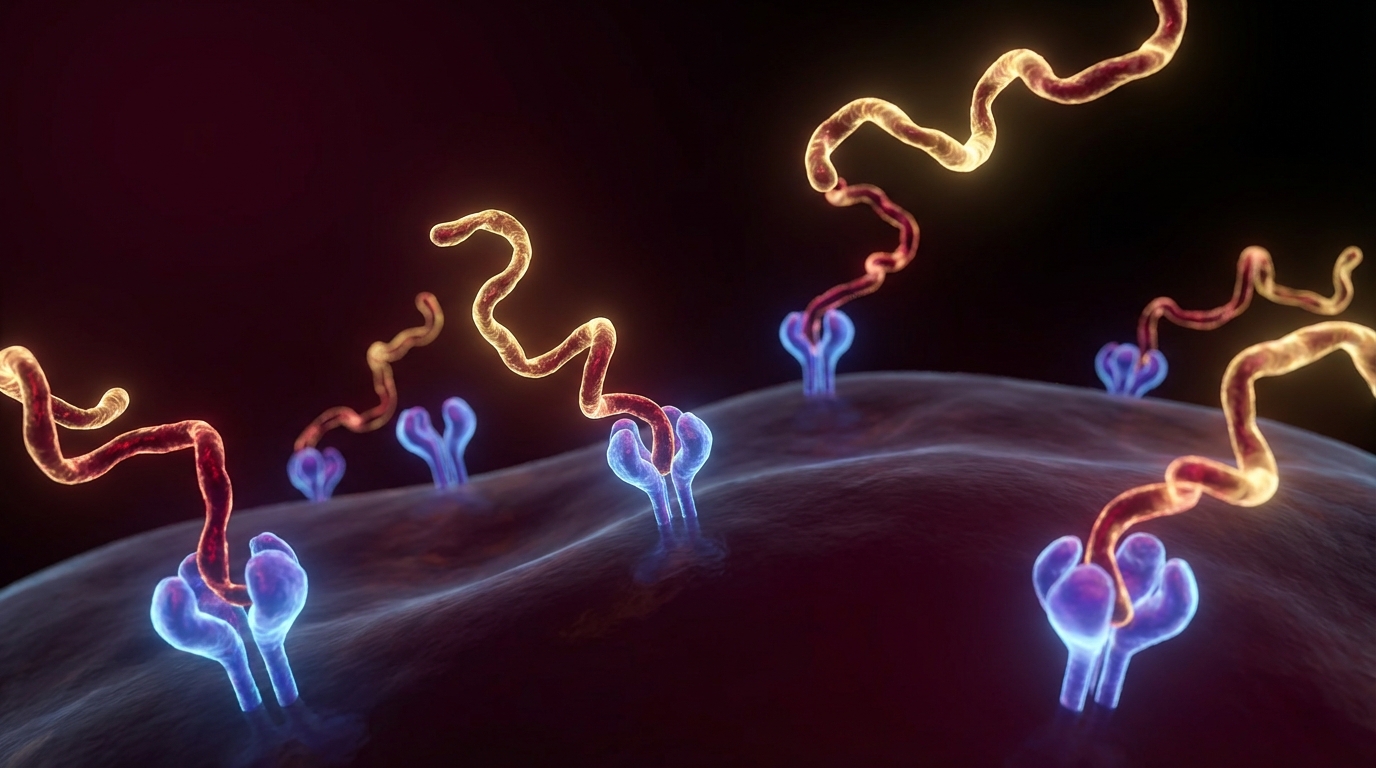
Evidence-based BPC-157 dosing protocols. Subcutaneous vs oral routes, loading vs maintenance, body weight calculations, and clinical observations.

A clinical comparison of BPC-157 and TB-500 for tissue repair. Mechanisms, evidence quality, best use cases, combination protocols, and what I observe in practice.
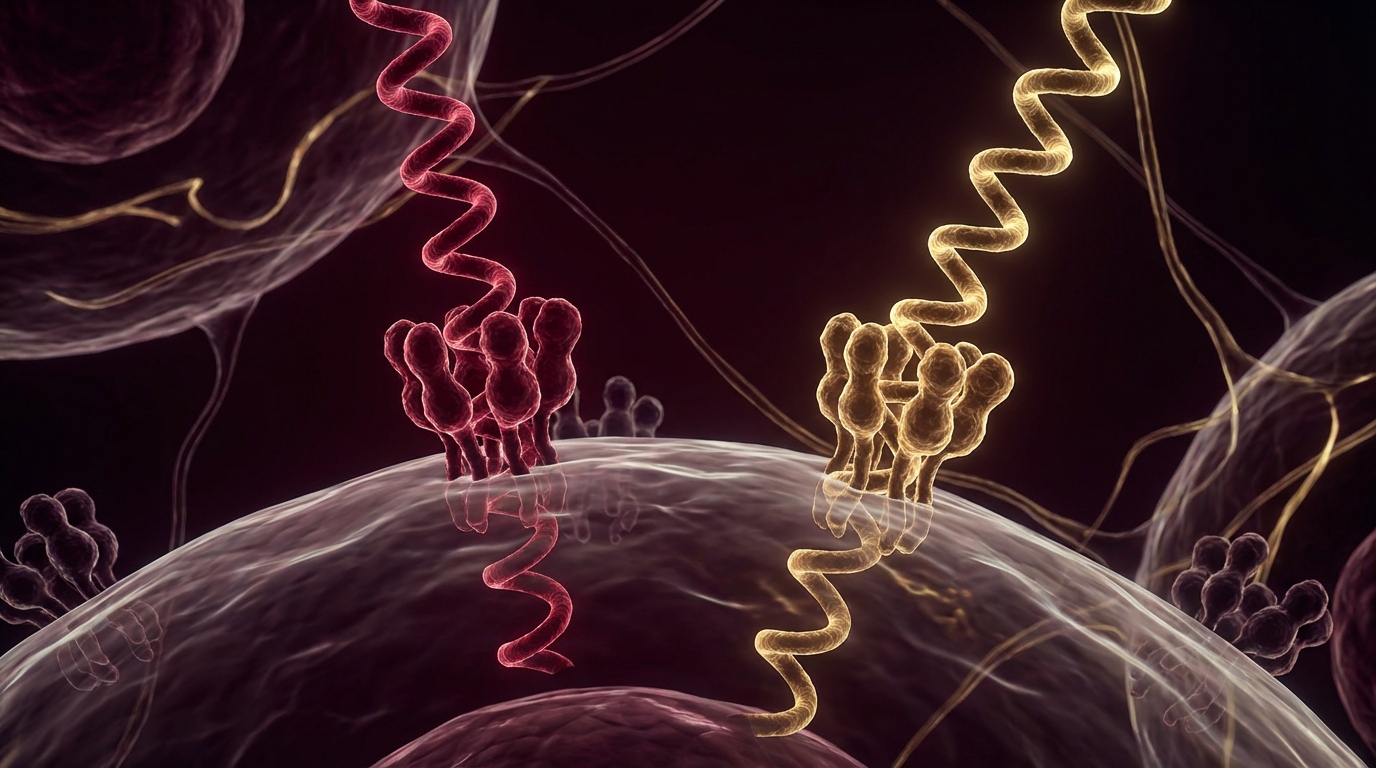
Honest physician's assessment of BPC-157 peptide. Mechanisms, animal vs human evidence, dosing, safety, and clinical observations from Dr. Julian Douwes.