At a Glance
| Parameter | Detail |
|---|---|
| Compound | Alpha-ketoglutarate (α-ketoglutarate, 2-oxoglutarate, AKG) |
| Primary role | TCA cycle intermediate; co-factor for ~60 dioxygenase enzymes |
| Age-related decline | ~10-fold drop between age 40 and 80 in blood levels |
| Key human study | Rejuvant RCT (2021): −8.0 years biological age on methylation clock |
| Common form | Calcium alpha-ketoglutarate (Ca-AKG); arginine AKG (AAKG) |
| Typical dose | 1,000–3,000 mg Ca-AKG daily |
| Safety profile | Well tolerated; mild GI symptoms at high doses |
| Best candidate | Adults 40+ with interest in biological age optimization |
Alpha-ketoglutarate sits at one of the most consequential crossroads in human metabolism. It is not a botanical extract or a synthetic pharmaceutical — it is a molecule your cells have always depended on, and one that becomes harder to maintain at adequate levels as the decades pass. What makes AKG particularly interesting from a clinical standpoint is that its decline is not merely a symptom of aging; accumulating evidence suggests it is a driver of it. Understanding where AKG fits in the broader longevity landscape requires a brief detour into the biochemistry, but the clinical conclusions are practical and actionable.
What Is Alpha-Ketoglutarate? The Biochemistry Simplified
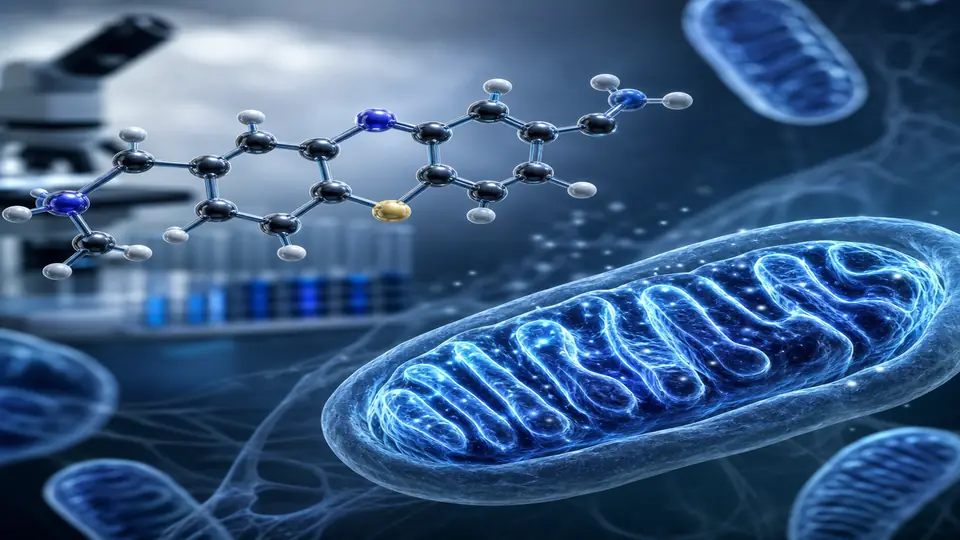
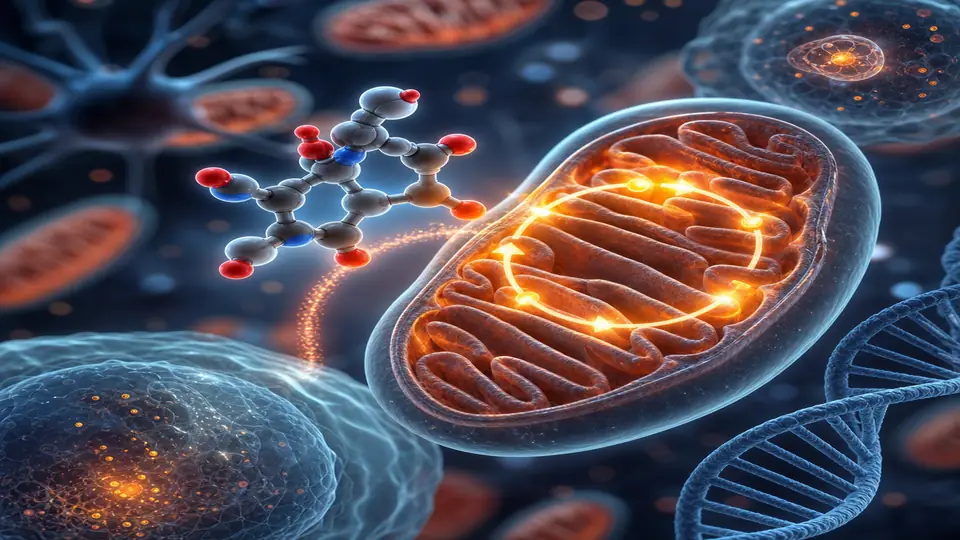
Alpha-ketoglutarate is a five-carbon dicarboxylic acid that occupies a pivotal position in the tricarboxylic acid (TCA) cycle — the metabolic hub through which every cell converts nutrients into ATP. In the TCA cycle, AKG is produced from isocitrate and subsequently converted to succinyl-CoA, a step that also regenerates NADH and releases CO₂. This places AKG directly upstream of the electron transport chain, linking it to mitochondrial energy production.
What textbook biochemistry rarely emphasizes, however, is AKG’s second life as a co-substrate for a large family of enzymes called 2-oxoglutarate-dependent dioxygenases. This superfamily includes:
- Ten-eleven translocation (TET) methylcytosine dioxygenases — which convert 5-methylcytosine to 5-hydroxymethylcytosine, the first step in active DNA demethylation
- Histone demethylases (KDMs) — which reverse repressive chromatin marks
- Prolyl hydroxylases (PHDs) — which regulate HIF-1α stability and collagen cross-linking
This means AKG is not just an energy molecule. It is a direct substrate for the machinery that controls gene expression through epigenetic modifications. When AKG is abundant, these enzymes have sufficient fuel to maintain youthful methylation patterns, flexible chromatin, and robust collagen structure. When AKG is depleted — as it is in older adults — those programs stall.
The Glutamine Connection
AKG is also the carbon skeleton produced when glutamine (or glutamate) is deaminated. This relationship is clinically relevant: elevated AKG availability can suppress excessive glutamine catabolism in cancer cells, and conversely, chronic glutamine depletion can exhaust AKG reserves. For patients with heavy infectious burdens, post-COVID inflammatory states, or high metabolic stress, this pathway may be particularly compromised.
How AKG Levels Change With Age
The age-related decline in circulating AKG is steeper than most clinicians appreciate. A large cross-sectional metabolomics study found that blood AKG levels in individuals over age 80 were approximately 10-fold lower than in those under 40. The decline is not linear — it accelerates through the fifth decade, which correlates broadly with the same period when biological aging markers begin diverging most sharply from chronological age.
Several mechanisms drive this decline:
- Reduced mitochondrial density — fewer mitochondria means less TCA cycle flux overall
- NAD⁺ depletion — isocitrate dehydrogenase (which produces AKG) is NAD⁺-dependent; as NAD⁺ falls, so does AKG output
- Decreased glutamine turnover — muscle wasting and reduced protein intake in older adults reduces the glutamine supply that feeds AKG production
- Increased AKG consumption — inflammatory states and chronic immune activation upregulate 2-oxoglutarate-dependent enzymes, depleting substrate faster than it can be replenished
The clinical implication is that oral AKG supplementation may serve as a kind of metabolic repletion — restoring a substrate that was once abundant and whose scarcity now limits downstream epigenetic and bioenergetic functions.
The 2021 Human RCT: What the Data Actually Show
The most cited human evidence comes from a randomized, double-blind, placebo-controlled trial published in Aging (2021) by Demidenko and colleagues examining a proprietary calcium AKG formulation (Rejuvant). The study enrolled 42 adults (average age 65.6 years) who received 1,000 mg Ca-AKG daily for an average of 7 months.
Primary finding: Using the Horvath epigenetic methylation clock, the AKG group showed a mean biological age reduction of 8.0 years compared to baseline, while the placebo group showed no significant change. A subset analysis found even larger effects in some individuals (up to 11 years of clock reversal).
Important caveats I discuss with patients:
- The sample size is small (n=42)
- Methylation clock reversal does not automatically translate to clinical outcomes — it is a surrogate biomarker
- The study was funded by the manufacturer of the product under investigation
- The duration was short; long-term effects beyond 12 months are unknown
Despite these limitations, the biological plausibility is high, and the safety signal is excellent. The study recorded no serious adverse events, and mild GI symptoms (reported by 3 participants) resolved without discontinuation.
Animal Data: Stronger Signal, More Caution Required
The preclinical evidence is more robust. A landmark 2014 study in Nature demonstrated that AKG extended median lifespan in C. elegans by approximately 50% via mTOR inhibition. A subsequent mouse study by Asadi Shahmirzadi et al. (2020) showed that dietary Ca-AKG supplementation in aged mice:
- Extended median lifespan in females by ~12%
- Reduced frailty index scores
- Suppressed systemic inflammatory markers (IL-6, TNF-α)
- Extended healthspan (period of functional independence) disproportionately compared to lifespan extension
The female-specific lifespan benefit in mice raises an interesting question about sex-dimorphic responses that has not yet been fully explored in human trials.
Mechanisms: How AKG Influences Aging Biology
1. Epigenetic Regulation via TET Enzyme Activation
The best-understood mechanism involves AKG’s role as the obligate co-substrate for TET enzymes. As we age, the epigenome undergoes progressive hypermethylation at specific CpG sites — the molecular signature captured by Horvath and other aging clocks. TET enzymes, when adequately supplied with AKG (and vitamin C as a co-factor), actively demethylate these sites, pulling the methylation pattern toward a younger state.
This is distinct from passive demethylation that occurs during cell division. TET-mediated demethylation is an active, energy-requiring process that can be fueled by exogenous AKG even in post-mitotic cells such as neurons and cardiomyocytes — two cell types where aging-associated methylation drift has significant functional consequences.
2. mTOR Complex 1 (mTORC1) Inhibition
AKG suppresses mTORC1 activity through at least two pathways:
- Direct inhibition of ATP synthase, which reduces the ATP-to-AMP ratio and activates AMPK (an mTOR antagonist)
- Stabilization of HIF-1α via PHD inhibition, altering the metabolic signaling environment
mTORC1 suppression is one of the most reproducible longevity interventions across model organisms. Rapamycin, caloric restriction, and now AKG all converge on this target. Unlike rapamycin, AKG does not produce immunosuppression at physiological concentrations, making it a safer long-term option for most patients.
3. Collagen and Connective Tissue Support
Prolyl hydroxylases require AKG to hydroxylate proline residues in procollagen — a mandatory step before collagen can be cross-linked and secreted. Inadequate AKG availability functionally mimics the connective tissue phenotype of mild scurvy: impaired wound healing, joint laxity, and reduced skin tensile strength. In older patients, this manifests as the well-recognized clinical pattern of slow healing, easy bruising, and dermal thinning.
Calcium AKG’s effects on connective tissue may partially explain the healthspan improvements seen in mouse studies, independent of direct effects on the aging epigenome.
4. Amino Acid and Nitrogen Metabolism
As a central nitrogen acceptor, AKG participates in transamination reactions that regulate the balance between amino acid catabolism and anabolic use. In patients with chronic infections, muscle wasting, or post-COVID metabolic dysfunction, this buffering function may be particularly impaired. AKG supplementation appears to reduce urea production, suggesting improved nitrogen retention — a potentially significant benefit for sarcopenic older adults.
Forms, Dosing, and Practical Considerations
Available Forms
| Form | Notes |
|---|---|
| Calcium AKG (Ca-AKG) | Best-studied form; used in human RCT; calcium content is modest (~15-20% elemental Ca) |
| Arginine AKG (AAKG) | Common in sports supplements; arginine component may boost nitric oxide; evidence for longevity is thinner |
| Magnesium AKG | Theoretical appeal given Mg²⁺ is required by TCA cycle enzymes; minimal human data |
| Free acid (AKG) | Poor oral stability; not recommended for supplementation |
In my clinical practice, calcium AKG is the default choice for patients pursuing longevity optimization, mirroring the compound studied in the human RCT. AAKG may be appropriate for patients with concurrent cardiovascular risk or performance goals who would benefit from the arginine component.
Dosing
The human RCT used 1,000 mg Ca-AKG daily. Animal studies used doses that, when scaled allometrically, suggest human equivalents in the range of 1,000–3,000 mg/day. I typically begin patients at 1,000 mg with breakfast and reassess after 3–6 months using a methylation clock or biological age panel if they wish to track response. Doses above 3,000 mg/day have not demonstrated additional benefit and increase the likelihood of GI discomfort.
Timing: AKG is best taken with meals to slow gastric transit and reduce the likelihood of nausea. Morning dosing is practical; there is no compelling evidence that splitting the dose provides meaningful pharmacokinetic advantage.
Drug and Supplement Interactions
AKG is generally well-tolerated alongside other longevity compounds. A few considerations:
- With NAD+ precursors (NMN, NR): These share upstream metabolic pathways, and the combination may synergize — the NAD⁺ generated from NMN/NR supports isocitrate dehydrogenase, which in turn produces more endogenous AKG
- With rapamycin: Both inhibit mTOR; the combination may be additive but has not been formally studied; watch for metabolic effects
- With iron: AKG and iron are co-substrates for many dioxygenases; iron deficiency will limit AKG’s efficacy regardless of dose; check ferritin before attributing non-response to AKG failure
Who Is a Candidate for AKG Supplementation?
Based on current evidence, I consider AKG supplementation most appropriate for:
Strong candidates:
- Adults 45+ pursuing comprehensive biological age optimization
- Patients with documented accelerated epigenetic aging on methylation clock testing
- Post-COVID patients with persistent metabolic and mitochondrial dysfunction
- Patients on chronic corticosteroids or other agents that impair connective tissue synthesis
Consider with caution:
- Active malignancy (AKG can be utilized by some tumors; the net effect on cancer progression is uncertain)
- Oxalate kidney stones (AKG is metabolized to oxalate; maintain adequate hydration and test urinary oxalate if risk is elevated)
- Pregnancy and lactation (insufficient safety data)
Not a replacement for:
- Addressing underlying mitochondrial dysfunction through lifestyle (zone 2 training, sleep, metabolic health)
- Correcting NAD⁺ depletion if that is the primary bottleneck
- Standard preventive care
Monitoring Response
If patients want to track outcomes, I recommend:
- Biological age panel (methylation clock — TruAge, Elysium, or similar) at baseline and after 6–12 months
- Metabolic labs (fasting glucose, insulin, lipid panel) — AKG should not worsen these; mild improvements in insulin sensitivity have been reported
- Body composition — lean mass and grip strength are practical healthspan markers that respond to AKG-supported nitrogen retention
- Inflammatory markers (hsCRP, IL-6 if available) — the mouse data showing anti-inflammatory effects deserve investigation in individual patients
Subjective improvements — energy, wound healing, skin quality — are commonly reported and clinically meaningful even if harder to quantify.
Related Articles
- NAD+ Supplement Guide: NMN, NR, and IV Therapy Explained — AKG and NAD+ precursors work synergistically through overlapping mitochondrial pathways
- The Longevity Supplement Stack: What a Physician Actually Takes — where AKG fits alongside rapamycin, senolytics, and other evidence-informed compounds
- Mitochondrial Health: Why It’s the Engine of Longevity — the foundational science behind AKG’s role in bioenergetics and aging
- Rapamycin for Longevity: A Clinical Perspective — comparing and contrasting mTOR-inhibiting strategies
- Understanding Biological Age Testing — how to interpret methylation clock results and track AKG response
References
- Demidenko O, et al. “Rejuvant®, a potential life-extending compound formulation with alpha-ketoglutarate and vitamins, conferred an average 8-year reduction in biological aging…” Aging (Albany NY). 2021;13(22):24485–24499. PMID: 34816833
- Asadi Shahmirzadi A, et al. “Alpha-ketoglutarate, an endogenous metabolite, extends lifespan and compresses morbidity in aging mice.” Cell Metabolism. 2020;32(3):447–456. PMID: 32877690
- Su Y, et al. “Alpha-ketoglutarate extends Drosophila lifespan by inhibiting mTOR and activating AMPK.” Aging. 2019;11(12):4183–4197. PMID: 31253764
- Chin RM, et al. “The metabolite alpha-ketoglutarate extends lifespan by inhibiting ATP synthase and TOR.” Nature. 2014;510(7505):397–401. PMID: 24828042
- Horvath S, Raj K. “DNA methylation-based biomarkers and the epigenetic clock theory of ageing.” Nature Reviews Genetics. 2018;19(6):371–384. PMID: 29643443
- Bakshi A, et al. “Alpha-ketoglutarate as a molecule with pleiotropic activity: well-known and novel possibilities of therapeutic use.” Archives of Medical Science. 2020. doi:10.5114/aoms.2019.89activation
- Liu S, et al. “Alpha-ketoglutarate modulates macrophage polarization through metabolic and epigenetic reprogramming.” Nature Communications. 2021;12:1–15. PMID: 34385466