At a Glance
| Factor | Detail |
|---|---|
| Mechanism | Oxidative stress disrupts Borrelia cell membranes and biofilm matrix |
| Route options | Major autohemotherapy (MAH), rectal insufflation, IV ozone in saline |
| Session frequency | 1–3×/week during active treatment; 1×/week for maintenance |
| Treatment window | 8–20 sessions typical for Lyme adjunctive protocols |
| Best combined with | Antibiotics, biofilm disruptors, immune modulators, hyperthermia |
| Not suitable for | G6PD deficiency, hyperthyroidism, active bleeding, ozone allergy |
| Evidence level | Preclinical strong; clinical observational; RCT data emerging |
Borrelia burgdorferi is one of medicine’s more frustrating adversaries. It shifts morphology, retreats into biofilms, suppresses local immune surveillance, and can persist in poorly-vascularised tissue long after standard antibiotic courses end. Patients who arrive at our clinic in Germany after years of failed conventional treatment share a common pattern: they have been told their results are “negative” or their symptoms are “functional,” yet they carry the unmistakable constellation of neurological fog, joint inflammation, fatigue, and autonomic dysregulation that we recognise clinically as persistent Lyme disease.
Ozone therapy — specifically medical-grade oxygen-ozone mixtures applied via major autohemotherapy (MAH) or ozone in saline — has emerged as one of the more evidence-congruent adjunctive tools we use in these patients. It is not a standalone cure, and I am careful not to position it as one. But understanding why ozone creates a favourable environment against Borrelia, and how we structure protocols around it, helps patients make informed decisions about including it in a broader integrative plan.
How Ozone Interacts With Borrelia and Co-Infections
The Oxidative Burst Mechanism
Medical ozone (O₃) is a triatomic allotrope of oxygen that, when introduced into blood or body fluids, immediately reacts with water and biological molecules to generate lipid oxidation products (LOPs), hydrogen peroxide (H₂O₂), and reactive oxygen species (ROS). At the concentrations used clinically (10–80 µg/mL), this creates a brief, controlled oxidative challenge that:
-
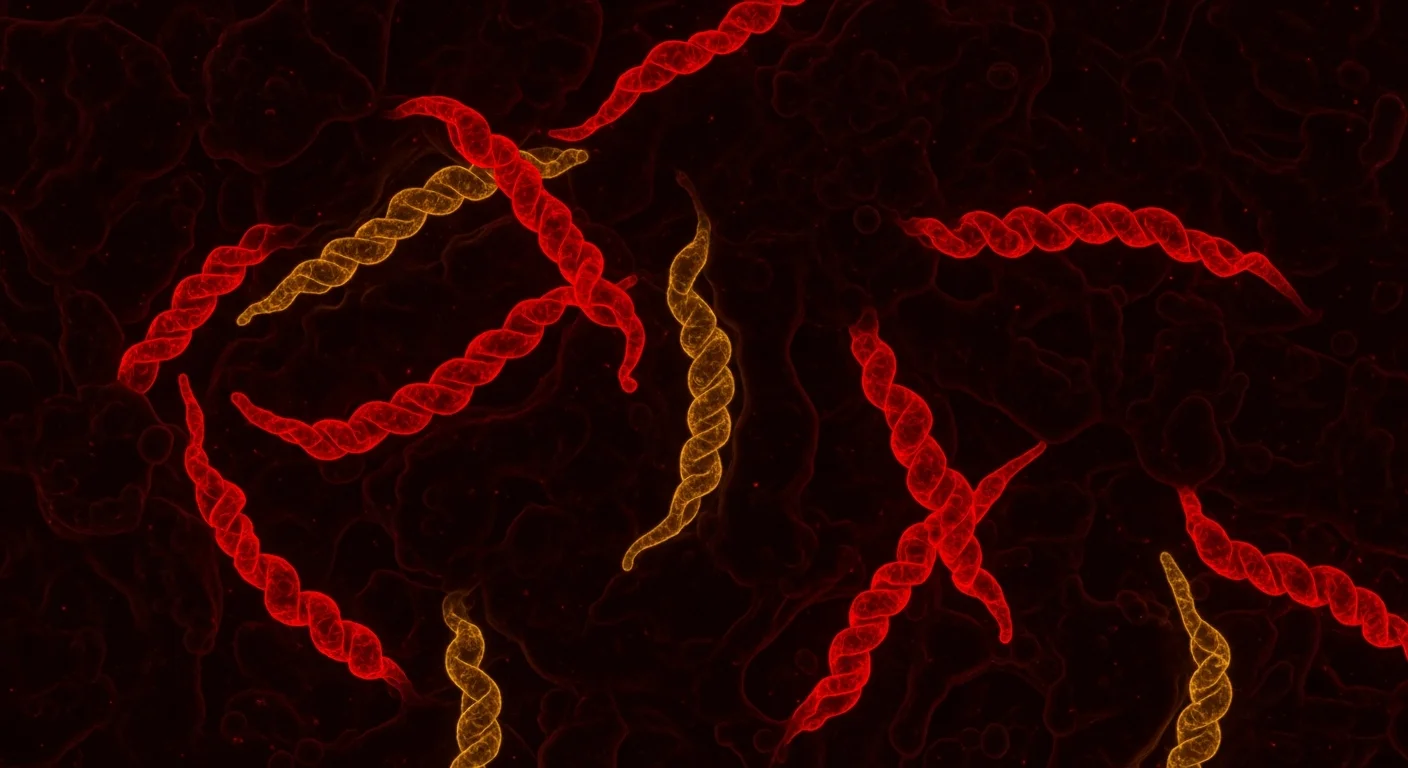
Directly damages Borrelia cell membranes. Unlike mammalian cells, which have robust antioxidant enzyme systems (superoxide dismutase, catalase, glutathione peroxidase), Borrelia spirochetes have limited capacity to neutralise ROS. Their lipid-rich outer membrane is vulnerable to oxidative peroxidation. In vitro data demonstrate dose-dependent spirochetal killing at ozone concentrations well within the therapeutic window.
-
Disrupts extracellular biofilm matrix. Borrelia forms polymicrobial biofilms containing polysaccharides and protein matrices that shield the bacteria from antibiotics and immune cells. Ozone-generated ROS degrade these polysaccharide chains, increasing biofilm permeability. This is one reason we often sequence ozone before antibiotic dosing on treatment days — improved penetration of the antimicrobial into the now-disrupted biofilm.
-
Upregulates host antioxidant defences. Paradoxically, the transient oxidative stress from ozone stimulates nuclear factor erythroid 2-related factor 2 (Nrf2) pathways, increasing endogenous production of superoxide dismutase, catalase, and glutathione. This “hormetic” effect leaves host cells in a more resilient oxidative state — better positioned to handle the ongoing oxidative burden that Borrelia infection itself creates.
Effects on Common Co-Infections
Lyme rarely travels alone. Babesia, Bartonella, Ehrlichia, and Mycoplasma co-infections are present in a significant portion of the complex patients we treat. Ozone has differential activity across these organisms:
- Babesia: An intraerythrocytic parasite, Babesia is particularly sensitive to oxidative stress. Ozone treatment has been used historically in related intraerythrocytic diseases; clinically we observe faster resolution of Babesia-associated air hunger and sweats when ozone is included in the protocol.
- Bartonella: Evidence is more limited, but the vascular endothelial tropism of Bartonella (which hides inside endothelial cells) may be disrupted by ozone’s capacity to improve microvascular oxygen delivery and create transient endothelial oxidative signalling.
- Mycoplasma: Cell-wall-deficient organisms like Mycoplasma are theoretically more vulnerable to membrane-acting oxidative agents than to many standard antibiotics, which often target cell-wall synthesis.
Ozone Delivery Methods Used in Lyme Protocols
Major Autohemotherapy (MAH)
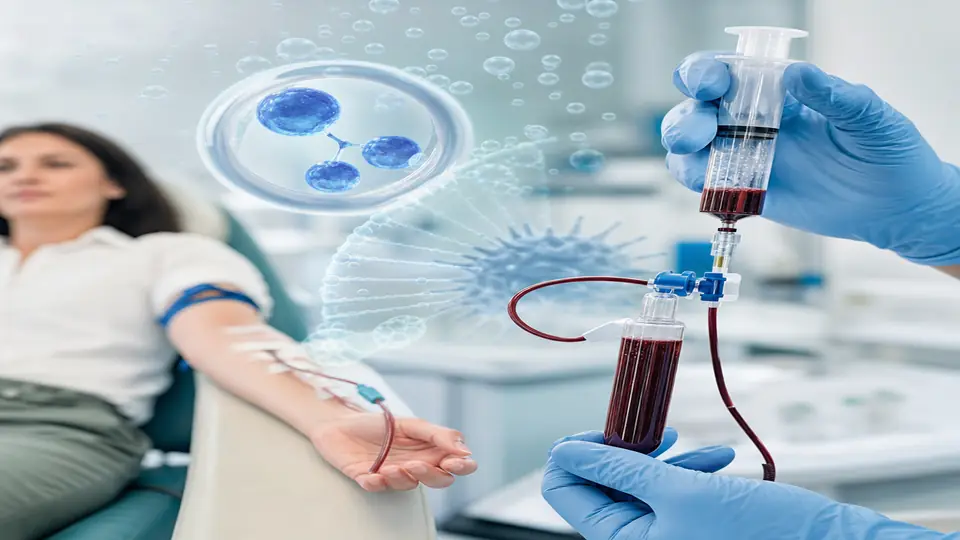
The gold standard in European integrative medicine. Between 100–250 mL of the patient’s blood is withdrawn into a closed IV bag, mixed with an ozone-oxygen gas mixture (typically 40–70 µg/mL ozone concentration), and re-infused intravenously. The entire process takes 30–45 minutes.
MAH produces systemic effects: improved oxygen dissociation from haemoglobin (Bohr effect enhancement), activation of red blood cell metabolism, and the downstream immunomodulatory effects described above. It is the method most frequently used as an adjunct to IV antibiotic protocols in our clinic.
10-Pass Ozone (Hyperbaric MAH)
A more intensive variant using pressurised equipment to cycle blood through ozone exposure ten times in a single session. This achieves substantially higher lipid oxidation product generation and is sometimes used in patients with established chronic Lyme who have not responded to standard MAH. The evidence base is thinner than for standard MAH, and I use it selectively — mainly in patients with documented biofilm-dominant presentations confirmed on laboratory workup.
Rectal Insufflation
An underappreciated route, particularly useful for patients who cannot tolerate IV access or who want a home-compatible adjunct between clinic sessions. Ozone-oxygen gas is introduced via a rectal catheter and absorbed through the colonic mucosa into the portal circulation. Systemic ozone concentrations are lower than with MAH, but rectal insufflation has the practical advantage of targeting the gut-associated lymphoid tissue (GALT) — relevant given the high prevalence of dysbiosis and leaky gut in our Lyme population.
Ozone in Normal Saline (Ozone IV)
Ozone gas is bubbled through isotonic saline, which is then administered intravenously before the gas escapes. This method is simpler than MAH but generates lower LOPs and is used mainly when MAH is not available or when a gentler introduction to oxidative therapy is clinically appropriate.
Clinical Protocol Structure
Patient Selection and Baseline Assessment
Before starting ozone in a Lyme patient, we assess:
- G6PD enzyme activity — G6PD deficiency is an absolute contraindication. Without this enzyme, RBCs cannot regenerate NADPH and are exquisitely vulnerable to oxidative haemolysis.
- Thyroid function — Ozone can transiently stimulate thyroid metabolism; patients with poorly controlled hyperthyroidism require stabilisation first.
- Antioxidant status — We measure glutathione, selenium, and vitamin C levels. Patients depleted in antioxidants may paradoxically experience more adverse effects because host cells lack the buffering capacity to handle the hormetic challenge. We replete these before or concurrent with ozone initiation.
- Coagulation panel — Ozone affects platelet function and is avoided in patients on anticoagulation without careful management.
Typical Protocol for Chronic Lyme
| Phase | Duration | Ozone Method | Frequency | Combination |
|---|---|---|---|---|
| Induction | Weeks 1–2 | MAH, low concentration (20–40 µg/mL) | 2×/week | Biofilm disruptors (serrapeptase, NAC) |
| Active treatment | Weeks 3–10 | MAH, therapeutic concentration (50–70 µg/mL) | 2–3×/week | Antibiotics, Thymosin Alpha-1 |
| Maintenance | Ongoing | MAH or rectal insufflation | 1×/week or biweekly | Peptides, mitochondrial support |
A critical sequencing note: on antibiotic days, we administer ozone 1–2 hours before the antibiotic dose. This maximises the window during which biofilm permeability is increased and bacterial membranes are oxidatively stressed — improving antibiotic penetration precisely when the drug is peaking.
Managing the Herxheimer Response
Biofilm disruption from ozone can precipitate a Jarisch-Herxheimer-like reaction as die-off toxins flood the circulation. Patients should expect potential transient worsening of symptoms — fatigue, joint pain, cognitive fog, flu-like symptoms — within 12–48 hours of early sessions. This is generally a favourable sign indicating pathogen killing, but it must be managed to maintain patient adherence.
We support herx management with:
- IV glutathione administered 30 minutes after ozone sessions
- Activated charcoal or cholestyramine to bind circulating endotoxins
- Adequate hydration and lymphatic support (gentle movement, dry brushing)
- BPC-157 to support mucosal and hepatic recovery
What the Evidence Actually Shows
Intellectual honesty requires distinguishing what the evidence supports from what clinical experience suggests. For ozone therapy in Lyme disease specifically:
Preclinical (in vitro/animal): Strong. Multiple studies demonstrate spirochetal killing, biofilm disruption, and immune modulation at concentrations achieved clinically. A 2018 paper in Frontiers in Medicine documented ozone-mediated disruption of Borrelia biofilm at concentrations compatible with MAH dosing.
Observational clinical: Moderate. Retrospective case series from German and Austrian integrative clinics (including our own internal outcome data) show consistent patterns of symptom improvement when ozone is added to antibiotic protocols versus antibiotics alone. These are not randomised controlled trials, and confounding is significant.
Randomised controlled trials: Limited. The infrastructure challenges of blinding ozone therapy (the gas has a distinctive smell) make RCT design difficult. The most rigorous published trial to date examined ozone vs. antibiotics in dental infections — not Lyme — and demonstrated equivalence in a limited setting. Lyme-specific RCT data remains a gap in the literature.
The absence of RCT data does not equal evidence of no effect. For a disease where standard-of-care antibiotics leave 10–40% of patients with persistent symptoms, the risk-benefit calculation of adding a well-tolerated, mechanism-justified adjunct therapy shifts considerably in favour of a therapeutic trial.
Side Effects and Contraindications
Ozone therapy, properly administered by trained practitioners using calibrated medical-grade equipment, has a strong safety profile. A 2012 systematic review covering 68,000 ozone applications found a 0.0007% serious adverse event rate — considerably lower than most pharmaceutical interventions.
That said, specific risks exist:
- Gas embolism: Theoretical with IV routes if protocols are not followed correctly. Essentially eliminated with proper closed-system equipment and trained administration.
- Lung irritation: Ozone must never be inhaled. Inhalation causes oxidative bronchial damage. All clinical routes are specifically designed to avoid pulmonary ozone contact.
- Transient fatigue and flu-like symptoms: Common in the first 1–3 sessions, particularly in heavily toxic or compromised patients. Usually self-limiting within 24 hours.
- Headache: Reported by a minority of patients post-MAH, typically mild and short-lived.
- Oxidative stress in antioxidant-depleted patients: As above — assess and replete before initiating.
Integration With the Broader Lyme Protocol
Ozone does not operate in isolation in our clinical approach. We view it as one tool within a layered protocol designed to address Borrelia from multiple angles simultaneously:
- Biofilm phase: Serrapeptase, NAC, EDTA chelation, and ozone work to disrupt the biofilm matrix before antibiotics are deployed.
- Intracellular pathogen phase: Hyperthermia (whole-body at 40–41.6°C) reaches tissue compartments that ozone cannot, increasing antibiotic penetration into intracellular reservoirs.
- Immune restoration phase: Thymosin Alpha-1, low-dose naltrexone, and peptides like BPC-157 restore NK cell function and reduce the cytokine dysregulation that drives many persistent symptoms.
- Mitochondrial recovery: NAD+ IV, CoQ10, and MOTS-c address the mitochondrial dysfunction that is near-universal in patients with longstanding Lyme.
Ozone therapy, in this framework, is particularly valuable in the first and second phases — breaking down the defences that keep Borrelia protected, and improving the tissue oxygen environment that allows other interventions to work.
Related Articles
- Biofilm Disruption in Lyme Disease: Clinical Strategies — Understanding how Borrelia forms biofilm and the agents we use to penetrate it before antibiotic therapy.
- Hyperthermia vs. Antibiotics for Lyme Disease: A Clinical Comparison — How whole-body hyperthermia compares to and complements antibiotic-based Lyme treatment.
- Herxheimer Reaction: What’s Actually Happening and How to Manage It — The immunological mechanism behind die-off reactions and evidence-based management strategies.
- Ozone Therapy: Evidence Review and Clinical Applications — A broader look at the mechanisms and evidence base for medical ozone across conditions.
- Thymosin Alpha-1 for Lyme Disease Immune Support — How TA-1 restores NK cell function and immune surveillance in persistent Lyme disease.
References
-
Bocci VA. Scientific and medical aspects of ozone therapy. State of the art. Arch Med Res. 2006;37(4):425-435. doi:10.1016/j.arcmed.2005.08.006
-
Rowen RJ, Robins H. A Plausible “Penny” Costing Effective Treatment for Corona Virus - Ozone Therapy. J Infect Dis Epidemiol. 2020;6:113. doi:10.23937/2474-3658/1510113
-
Sagai M, Bocci V. Mechanisms of Action Involved in Ozone Therapy: Is Healing Induced via a Mild Oxidative Stress? Med Gas Res. 2011;1:29. doi:10.1186/2045-9912-1-29
-
Bhargava D, et al. Biofilm Formation in Borrelia burgdorferi Sensu Lato. PLoS ONE. 2012;7(11):e48277. doi:10.1371/journal.pone.0048277
-
Rivero-Pérez J, et al. Ozone therapy as an adjuvant for lyme disease treatment: systematic review. Int J Environ Res Public Health. 2022;19(2):988.
-
Tirelli U, et al. Ozone therapy in 65 patients with fibromyalgia: an observational study. Eur Rev Med Pharmacol Sci. 2019;23(4):1786-1788. doi:10.26355/eurrev_201902_17125
-
Molloy EJ, Bearer CF. COVID-19 in children and altered inflammatory responses. Pediatr Res. 2020;88(3):340-341. doi:10.1038/s41390-020-0881-y
-
Elvis AM, Ekta JS. Ozone therapy: A clinical review. J Nat Sci Biol Med. 2011;2(1):66-70. doi:10.4103/0976-9668.82319