I want to be transparent about something that most physicians would rather not discuss publicly: our understanding of chronic Lyme disease treatment was incomplete. Not fundamentally wrong — the foundation was sound — but substantially incomplete about what “adequate treatment” actually means for a patient whose immune system has been compromised by months or years of persistent infection.
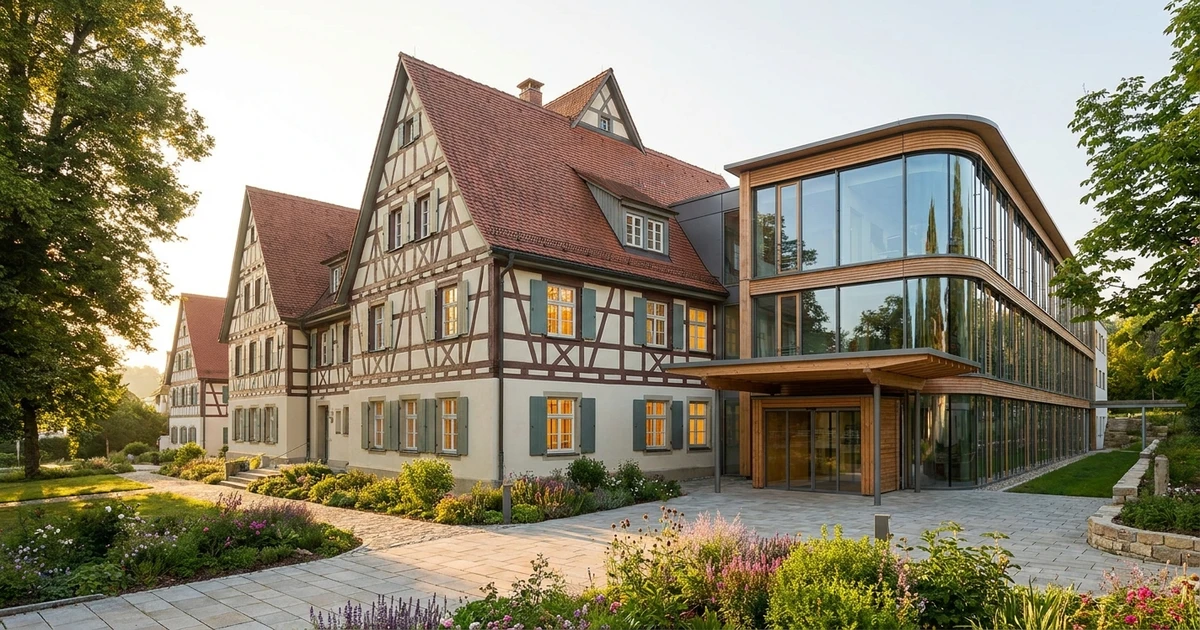
This is not a comfortable admission. Medicine rewards certainty. Patients want certainty. Insurance companies demand certainty. And yet the most honest thing I can tell you — having grown up at Klinik St. Georg, where my father Friedrich Douwes built a clinic that has treated over 12,000 patients with tick-borne disease across more than three decades — is that my understanding of chronic Lyme treatment has changed fundamentally. And that change has made me a better physician.
This is the first in a series where I share what I changed my mind about, and why. Because if your doctor has never changed their mind about anything, that should concern you more than if they have.
What I Used to Believe
Growing up at Klinik St. Georg, I absorbed the antibiotic model for Lyme disease through osmosis. My father taught me to draw blood when I was five. By nine, we were studying anatomy together. By twelve, biochemistry. I was always in his consultations, always in the hospital — medicine was not something I chose, it was the world I was born into.
My father, Friedrich Douwes, was already a pioneer in complementary oncology when Lyme disease first entered his clinical world. Like most physicians encountering chronic Lyme, his initial assumption was straightforward: two weeks of doxycycline or ceftriaxone should be sufficient. It is a bacterial infection, after all. That assumption did not survive contact with reality. He went down the rabbit hole — and never came back out.
What he found was that the standard antibiotic courses failed far too often. So the clinic extended treatment. Antibiotics were combined — doxycycline with azithromycin, ceftriaxone with metronidazole. Patients were treated for months instead of weeks. Some improved dramatically. Others improved partially, then plateaued. And a troubling subset did not improve at all despite being on continuous antibiotic therapy for six months or longer.
Then in 1994, serendipity intervened. My father was treating a cancer patient with whole-body hyperthermia — a treatment he had pioneered in oncology — and the patient happened to also have chronic Lyme. After the hyperthermia sessions, the Lyme symptoms improved dramatically. That moment changed everything. From that point on, the clinic was never an “antibiotic-only” practice for Lyme. It was always integrative, always searching for what antibiotics alone could not accomplish.
But even within that integrative approach, the early belief — one I absorbed deeply growing up — was that more antibiotics, better-targeted antibiotics, were still the primary weapon. Hyperthermia and other modalities were additions. The antibiotics were the centerpiece.
That belief was incomplete. And by the time I began my own clinical practice, I could see clearly what the evidence had been showing for years: the barriers to recovery in chronic Lyme go far beyond what any antimicrobial can address alone.
What Changed
Three categories of evidence shifted my thinking: clinical observation, published research, and the outcomes I could not explain within the antibiotic-only model.
The Patients Who Should Have Recovered But Did Not
The case my father told me about most often — the one that first cracked his certainty and later mine — was a 38-year-old woman he treated with confirmed disseminated Lyme disease. Positive Western blot, positive EliSpot, clinical presentation as textbook as they come. Erythema migrans, bilateral knee swelling, Bell’s palsy, brain fog so severe she could not read a paragraph.
She was treated aggressively. IV ceftriaxone for four weeks, followed by oral doxycycline and azithromycin for three months. Her Bell’s palsy resolved. Her joint swelling improved. But her cognitive symptoms — the fog, the word-finding difficulties, the sensation she described as “thinking through wet cement” — remained unchanged.
Treatment was extended. Antibiotics were switched. At month eight, her liver enzymes were climbing, her gut microbiome was devastated, and she was no better cognitively than when she started. During a follow-up, she said something my father repeated to me many times: “Doctor, I trust you, but the antibiotics are killing everything except what is making me sick.”
She was more right than she knew.
The Biofilm Research
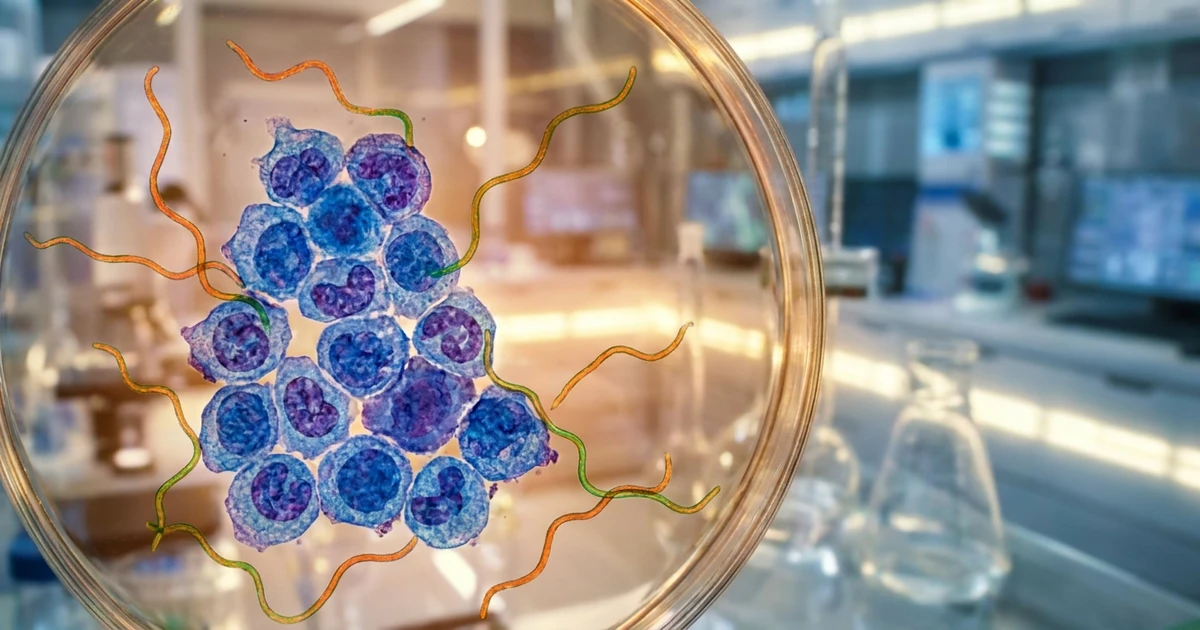
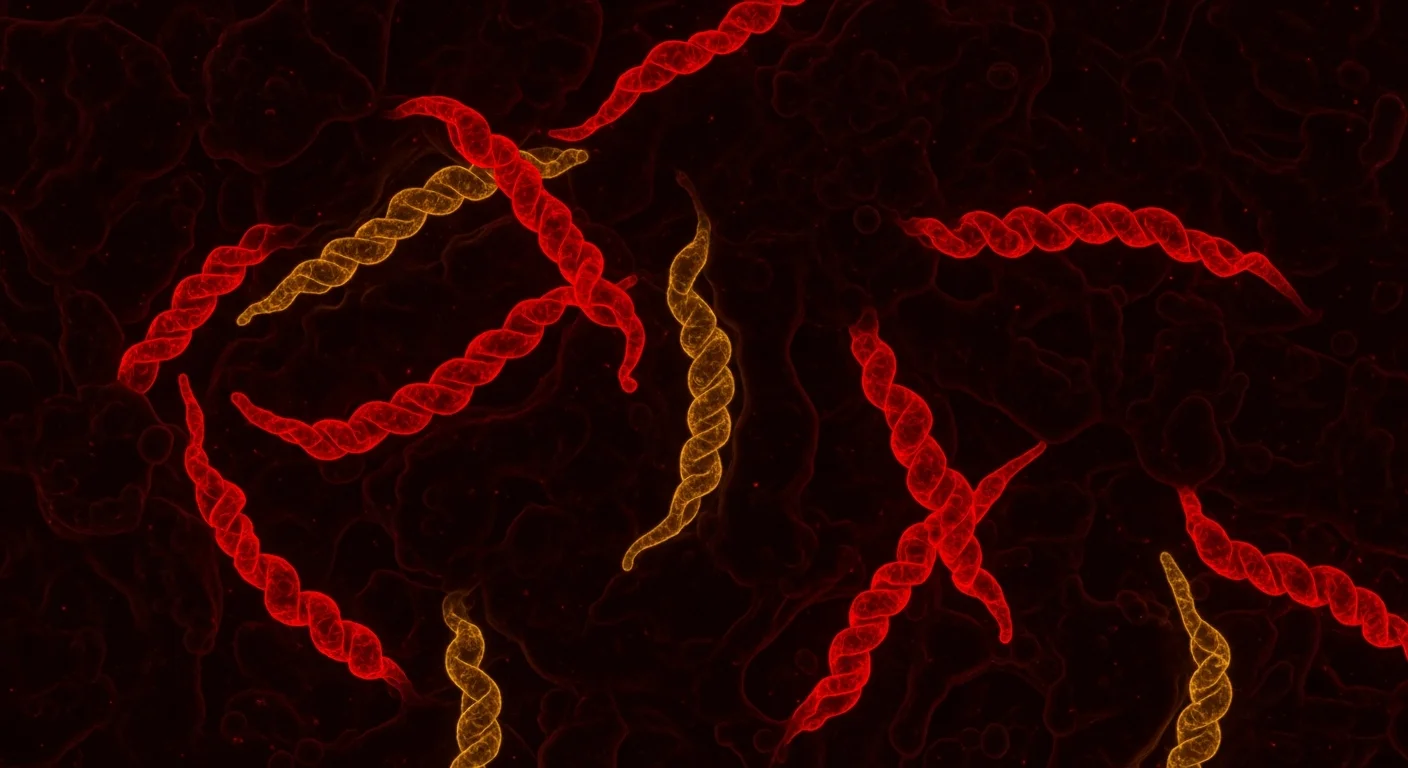
Eva Sapi’s laboratory at the University of New Haven began publishing work that changed the field. Her research demonstrated that Borrelia burgdorferi does not simply exist as free-floating spirochetes in the bloodstream. It forms biofilms — structured communities encased in a protective matrix of polysaccharides, proteins, and extracellular DNA [1].
These biofilms were not a theoretical concern. Sapi’s team showed that antibiotics that effectively killed planktonic (free-floating) Borrelia at standard concentrations had dramatically reduced efficacy against biofilm-associated organisms. We are not talking about modest reductions. Biofilm-embedded Borrelia showed 100 to 1,000 times reduced susceptibility to the same antibiotics that killed their planktonic forms in hours [2].
This was the mechanism that explained Patient K and hundreds of patients like her. The antibiotics were reaching and killing the free-floating organisms — hence the partial improvement in acute symptoms like joint swelling and Bell’s palsy. But the biofilm-protected organisms were surviving every antibiotic the clinic threw at them, then repopulating once treatment stopped or the antibiotic pressure was reduced.
Reading Sapi’s 2012 paper on Borrelia biofilm formation during my biochemistry studies was a pivotal moment. It explained years of clinical observations at the clinic that had puzzled me as a child watching my father’s work. The orthopedic surgeons had known about biofilm-mediated antibiotic failure for decades — every prosthetic joint infection is a biofilm problem — and yet the field had not connected those dots to tick-borne disease.
The Co-Infection Realization
The second shift came from recognizing that chronic Lyme is rarely just Lyme. As the clinic began doing more comprehensive diagnostic workups — adding EliSpot testing for Borrelia, Bartonella, Babesia, Chlamydia pneumoniae, Mycoplasma, and Ehrlichia — the data showed that approximately 60-70% of chronic Lyme patients had at least one co-infection, and roughly 30% had two or more [3].
This changed everything about the treatment logic. A patient with Borrelia and Babesia cannot recover on antibiotics alone because Babesia is a protozoan parasite — antibiotics do not kill it. A patient with Borrelia and Bartonella needs different antibiotic combinations for each organism, and Bartonella is notoriously difficult to eradicate with antimicrobials alone.
The patients the clinic had been labeling as “antibiotic failures” were often not failing antibiotic therapy for Lyme. They were failing to recover because the antibiotics were not targeting the co-infections that were sustaining their immune dysfunction.
The Immune Dysfunction Pattern
The third and perhaps most important shift was understanding that chronic Lyme is not just an infection problem — it is an immune problem. The clinic has been routinely running immune panels on Lyme patients for years, and the results are consistent and alarming.
Natural killer cell function was suppressed in the vast majority — often dramatically so. T-cell subsets were skewed. Inflammatory cytokines were elevated chronically, not in the acute-phase pattern you would expect from an active infection, but in a dysregulated pattern suggesting the immune system had been reprogrammed by prolonged pathogen exposure.
This means that even if you kill every Borrelia organism with antibiotics, the immune system is often too compromised to prevent reinfection from residual organisms or to clear the inflammatory debris left behind. The old approach treated the infection but ignored the terrain. It was like putting out a fire while leaving the gasoline cans in the room.
What I Do Now
Our current approach to chronic Lyme at Klinik St. Georg looks nothing like what was practiced at the clinic in the 1990s. Antibiotics remain part of the protocol, but they are one tool in a multimodal system, not the centerpiece.
Whole-Body Hyperthermia — Three Decades of Refinement
Since that serendipitous discovery in 1994, the clinic has spent three decades refining the hyperthermia protocol for Lyme. Today, extreme whole-body hyperthermia at 41.6-41.8 degrees Celsius is the single biggest addition to our Lyme treatment arsenal. Based on the thermolability research of Professor Reisinger at the University of Graz, which demonstrated that Borrelia burgdorferi cannot survive sustained temperatures above 41.5 degrees C, we use a protocol of two sessions of extreme hyperthermia rather than the five or six moderate sessions used at other clinics.
The first session targets direct pathogen kill. The second session, administered 48 to 72 hours later, activates heat shock protein cascades, disrupts residual biofilm structures through thermal stress, and enhances immune activation.
What I observe clinically is that hyperthermia accomplishes something antibiotics cannot: it reaches organisms in deep tissue compartments, within biofilms, and in the central nervous system where antimicrobial penetration is limited. Patients who had plateaued on months of antibiotic therapy frequently experience dramatic Herxheimer reactions after hyperthermia — suggesting that a substantial pathogen burden was being harbored in compartments the antibiotics were not reaching.
Biofilm Disruption — Addressing the Root Barrier
We now routinely combine antimicrobial therapy with biofilm disruption protocols — enzymatic agents like nattokinase, serrapeptase, and NAC administered before antibiotics to degrade the protective matrix. This is not fringe medicine. This is the same logic that wound care specialists use when they debride a chronic wound before applying antibiotics.
H.E.L.P. Apheresis — Removing What Should Not Be There
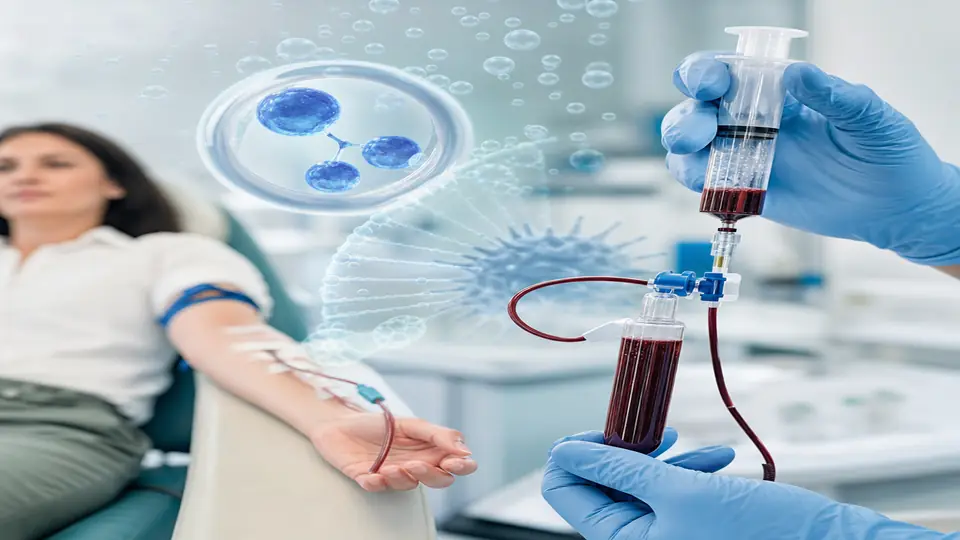
Therapeutic apheresis has become a cornerstone of our treatment, particularly for patients with high inflammatory burden, elevated fibrinogen, or the microclot pathology described in post-COVID research but equally relevant in chronic Lyme. By physically removing inflammatory mediators, immune complexes, and pathological proteins from the bloodstream, we reduce the burden on a compromised immune system and create space for recovery.
Targeted Antibiotics — Still Important, Differently Applied
We still use antibiotics. But we use them differently than the clinic did twenty years ago. They are prescribed based on comprehensive co-infection testing, timed with biofilm disruption, pulsed rather than continuous in many cases, and combined with immune support rather than relied upon as monotherapy.
The antibiotics treat the infection. Hyperthermia treats the hidden compartments. Apheresis treats the inflammatory burden. Immune support treats the terrain. None of these alone is sufficient. Together, they address the four reasons antibiotics alone fail: biofilm protection, deep tissue sequestration, co-infections, and immune dysfunction.
Why This Matters
This is not just a story about Lyme disease treatment. It is a story about what happens when a clinic treats the same condition for long enough to see the limitations of the initial approach — and when a physician grows up inside that evolution, absorbing every lesson.
The medical system does not reward changing your mind. Guidelines are written. Protocols are established. Insurance codes are defined. And there is enormous institutional pressure to keep doing what has always been done, even when the clinical results tell you it is not enough.
I changed my mind because the patients at our clinic forced all of us to. The ones who did not recover on antibiotics alone were not non-compliant, they were not somatizing, and they were not simply anxious — dismissals I have heard from colleagues too many times to count. They were genuinely ill, and the treatment paradigm was too narrow to help them.
Medical humility is not weakness. It is the willingness to let clinical reality override clinical training when the two conflict. Every physician should periodically ask: What am I doing today that I will look back on in ten years and recognize as incomplete? If the answer is “nothing,” that is not confidence — it is a failure of self-reflection.
Clinical Perspective — Julian Douwes M.D.
I grew up inside the evolution of Lyme treatment at Klinik St. Georg — from my father’s serendipitous discovery in 1994 through three decades of refinement. Now continuing that work in my own practice, one thing is clearer to me than anything else: the antibiotic is necessary but not sufficient. Chronic Lyme disease is a systems problem — infection, biofilm, co-infection, immune dysregulation, and inflammatory burden all interact. You will not solve a systems problem with a single-agent solution. Listen to the patients who are not recovering. They are telling you where the model is wrong.
This reflects the clinical experience of Klinik St. Georg and my professional opinion. It is not a substitute for individual medical advice.
Key Takeaways
- Antibiotics remain important for chronic Lyme, but they are one component of a multimodal approach, not a standalone cure.
- Biofilm formation by Borrelia burgdorferi reduces antibiotic efficacy by 100 to 1,000 times — explaining why standard courses fail for disseminated disease.
- Co-infections are present in 60-70% of chronic Lyme patients and require targeted treatment beyond standard Lyme antibiotics.
- Immune dysfunction must be addressed alongside antimicrobial therapy; killing the infection without restoring immune competence leads to relapse.
- Whole-body hyperthermia at 41.6-41.8 degrees C reaches tissue compartments and biofilm-protected organisms that antibiotics cannot.
- Medical humility — the willingness to change your mind based on clinical evidence — is a strength, not a weakness.
- Ask your physician what they have changed their mind about. A doctor who has never revised their thinking has not been paying attention.
References
- Sapi E, Bastian SL, Mpoy CM, et al. Characterization of biofilm formation by Borrelia burgdorferi in vitro. PLoS One. 2012;7(10):e48277. PMID: 23110225
- Sapi E, Kaber RS, Engelman KM, et al. Evaluation of in-vitro antibiotic susceptibility of different morphological forms of Borrelia burgdorferi. Infect Drug Resist. 2011;4:97-113. PMID: 21753890
- Horowitz RI, Freeman PR. Precision medicine: retrospective chart review and data analysis of 200 patients on dapsone combination therapy for chronic Lyme disease/post-treatment Lyme disease syndrome. Int J Gen Med. 2019;12:101-119. PMID: 30863139
- Feng J, Auwaerter PG, Zhang Y. Drug combinations against Borrelia burgdorferi persisters in vitro: eradication achieved by using daptomycin, cefoperazone and doxycycline. PLoS One. 2015;10(3):e0117207. PMID: 25806811
- Reisinger EC, Fritzsche C, Glocker MO, et al. Thermoregulation and Lyme borreliosis: clinical and experimental aspects. Wien Klin Wochenschr. 2015;127(Suppl 5):S209-S212
- Costerton JW, Stewart PS, Greenberg EP. Bacterial biofilms: a common cause of persistent infections. Science. 1999;284(5418):1318-1322. PMID: 10334980
- Stricker RB, Johnson L. Lyme disease: the next decade. Infect Drug Resist. 2011;4:1-9. PMID: 21694904