At a Glance
| Property | Detail |
|---|---|
| Why Germany | Recognition of chronic/persistent Lyme, access to WBH, integrative hospital setting |
| Key Treatment | Extreme whole-body hyperthermia (41.6-41.8°C) — directly lethal to Borrelia |
| Treatment Duration | Typically 2-3 weeks for a full course |
| Klinik St. Georg Experience | 30+ years treating chronic Lyme, thousands of patients |
| Cost Range | 8,000-25,000 EUR depending on protocol complexity |
| Patient Origin | US, UK, Canada, Australia, Scandinavia, Middle East |
| What Makes It Different | Hospital-based integrative infectiology, not alternative medicine |
| Insurance | German statutory insurance covers inpatient care; international patients typically self-pay |
Every month, patients fly to Germany from the United States, Canada, the United Kingdom, Australia, and beyond — not for vacation, but for Lyme disease treatment. They come because they have exhausted the options available in their home countries. They have tried multiple rounds of antibiotics. They have seen infectious disease specialists who told them their symptoms are not from Lyme. They have been offered antidepressants for what they know is an infection.
I understand their frustration. And I understand why Germany has become the destination they turn to.
Why Germany?
The answer is not that German medicine is inherently superior. It is that the German medical system handles chronic Lyme disease differently in three critical ways.
1. Recognition of Persistent Lyme Disease
In the United States and United Kingdom, the dominant position of the Infectious Diseases Society of America (IDSA) has been that “chronic Lyme disease” does not exist — that patients with persistent symptoms after standard antibiotic treatment either have a different diagnosis or are experiencing post-treatment Lyme disease syndrome (PTLDS), which is considered a post-infectious autoimmune phenomenon rather than active infection [1].
This position has consequences. If persistent Lyme infection is not recognized, treatments targeting ongoing infection are not offered. Patients are told to manage symptoms, pursue physical therapy, and wait.
German medicine takes a different position. The German Borreliosis Society (Deutsche Borreliose-Gesellschaft) recognizes persistent Borrelia infection as a clinical entity. German guidelines acknowledge that standard antibiotic regimens may fail to eradicate the organism in all cases, and that extended or alternative treatment approaches may be warranted.
This is not a fringe position in Germany. It is reflected in the practice patterns of German infectious disease physicians, in the availability of specialized Lyme treatment facilities, and in the reimbursement of Lyme treatment by statutory health insurance.
2. Access to Treatments Not Available Elsewhere
Several treatments used in German Lyme clinics are simply not available in most other countries:
Whole-body hyperthermia. This is our primary treatment at Klinik St. Georg and our most significant differentiator. Extreme whole-body hyperthermia raises core body temperature to 41.6-41.8°C using water-filtered infrared-A radiation. At this temperature, Borrelia burgdorferi is directly killed — not through immune stimulation, but through heat-induced protein denaturation and membrane disruption [2].
The thermolability of Borrelia was established by Prof. Reisinger at the University of Graz. His research demonstrated that Borrelia spirochetes cannot survive at temperatures above 41.5°C. Our protocol is designed around this lethal temperature threshold. This is fundamentally different from the moderate hyperthermia (39.5-40.5°C) offered at some clinics, which aims at immune modulation rather than direct pathogen kill.
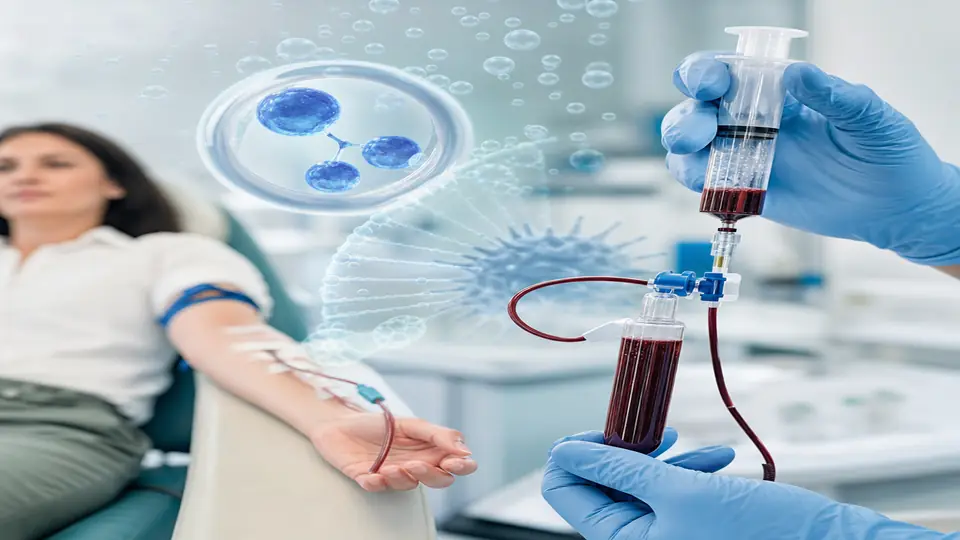
H.E.L.P. Apheresis. Heparin-induced Extracorporeal LDL Precipitation removes inflammatory mediators, lipoproteins, fibrinogen, and other pro-inflammatory molecules from the blood. In Lyme patients, this addresses the systemic inflammatory burden that persists even after successful pathogen eradication.
IV laser therapy. Intravenous photobiomodulation using multiple wavelengths of laser light — red, green, blue, yellow, and infrared — delivered directly to the bloodstream via a fiber-optic catheter. This supports immune function, reduces inflammation, and enhances mitochondrial energy production.
Ozone therapy. Major autohemotherapy with medical-grade ozone has a long history in German medicine. It stimulates antioxidant enzyme systems, modulates immune function, and improves tissue oxygenation.
These treatments are available in Germany because the regulatory environment permits their use in licensed hospital settings. They are not experimental in the German context — they are established clinical tools with decades of institutional experience.
3. Integrative Hospital Setting
This is an important distinction. German Lyme treatment is not “alternative medicine” in the way many Americans understand that term. At Klinik St. Georg, patients are treated in a fully licensed hospital with:
- Board-certified physicians in internal medicine and infectious disease
- Full ICU backup for extreme hyperthermia procedures
- Inpatient nursing care around the clock
- Full diagnostic laboratory on site
- Anesthesiology coverage for sedated procedures
- Standard pharmaceutical treatment (antibiotics, anti-parasitics) integrated with adjunctive therapies
The integration is what matters. We are not replacing conventional medicine with alternatives. We are combining conventional infectious disease approaches with evidence-based adjunctive therapies that address the aspects of chronic Lyme that antibiotics alone cannot reach — biofilms, intracellular persistence, immune dysregulation, and tissue damage.
What Treatment at Klinik St. Georg Looks Like
Initial Assessment (Day 1-2)
Every patient begins with a comprehensive evaluation:
- Detailed medical history including prior Lyme treatments, co-infections, and symptom timeline
- Physical examination
- Comprehensive laboratory work: Lyme serology (ELISA, Western blot), EliSpot/iSpot testing for active infection markers, co-infection panels (Babesia, Bartonella, Ehrlichia, Anaplasma), comprehensive metabolic panel, inflammatory markers, immune function panels
- Diagnostic imaging if indicated
- Assessment of co-infections — many chronic Lyme patients have concurrent Babesia, Bartonella, or viral reactivations (EBV, HHV-6) that must be addressed
- Treatment plan development — individualized, not one-size-fits-all
Core Treatment Protocol
Extreme whole-body hyperthermia: Two sessions at 41.6-41.8°C, spaced 48 to 72 hours apart. Session 1 targets direct pathogen eradication. Session 2 triggers HSP/interleukin immune cascades, disrupts surviving biofilm structures, and increases tissue permeability for detoxification. The sessions are performed under sedation with continuous cardiac monitoring, temperature monitoring, and full anesthesia support. For a detailed explanation of why we use two sessions rather than five or six, see our hyperthermia protocol article.
Antibiotic therapy: Targeted antibiotics are administered alongside hyperthermia. The elevated body temperature increases antibiotic tissue penetration and disrupts biofilm structures that normally shield bacteria from antimicrobials. This combination — heat plus antibiotics — attacks the infection from multiple angles simultaneously.
H.E.L.P. Apheresis: Typically 2-4 sessions during the treatment course. Removes inflammatory mediators, reduces the inflammatory burden, and improves circulation to tissue compartments where Borrelia may persist.
IV laser therapy: Multiple wavelength photobiomodulation sessions throughout the treatment course. Supports immune function, reduces neuroinflammation, and enhances mitochondrial recovery.
Supportive Treatments
Depending on the individual patient’s needs:
- IV micronutrient therapy (vitamin C, B vitamins, magnesium, zinc)
- Detoxification support (glutathione, binders)
- Gut restoration (particularly in patients with extensive prior antibiotic exposure)
- Peptide therapy for tissue repair (BPC-157, thymosin alpha-1)
- Neurological support for patients with Lyme neuroborreliosis
Typical Timeline
| Day | Activity |
|---|---|
| 1-2 | Assessment, diagnostics, treatment planning |
| 3 | Pre-treatment preparation, IV loading |
| 4 | Hyperthermia session 1 + concurrent antibiotics |
| 5-6 | Recovery, supportive treatments, apheresis |
| 7 | Hyperthermia session 2 + concurrent antibiotics |
| 8-10 | Recovery, apheresis, IV laser, detoxification |
| 11-14 | Continued supportive care, discharge planning |
Total stay: typically 10 to 21 days depending on protocol complexity and patient response.
Costs and Logistics
Treatment Costs
| Component | Approximate Cost |
|---|---|
| Initial assessment and diagnostics | 1,500-3,000 EUR |
| Whole-body hyperthermia (2 sessions) | 4,000-8,000 EUR |
| H.E.L.P. Apheresis (2-4 sessions) | 2,000-5,000 EUR |
| IV laser therapy | 500-1,500 EUR |
| Antibiotic therapy | 500-1,500 EUR |
| Supportive treatments | 1,000-3,000 EUR |
| Inpatient accommodation | Included in treatment package |
| Total range | 8,000-25,000 EUR |
These are approximate figures. Individual treatment plans vary based on complexity, co-infections, and duration of stay.
Insurance
- German statutory insurance: Covers inpatient treatment at licensed hospitals, including most of the treatments described. German residents with Lyme disease can access this care through standard insurance.
- International private insurance: Some policies cover treatment abroad. We provide detailed documentation for insurance claims, including medical necessity letters. Reimbursement varies by policy and insurer.
- Self-pay: Most international patients pay out of pocket. We provide transparent pricing before treatment begins.
Practical Logistics
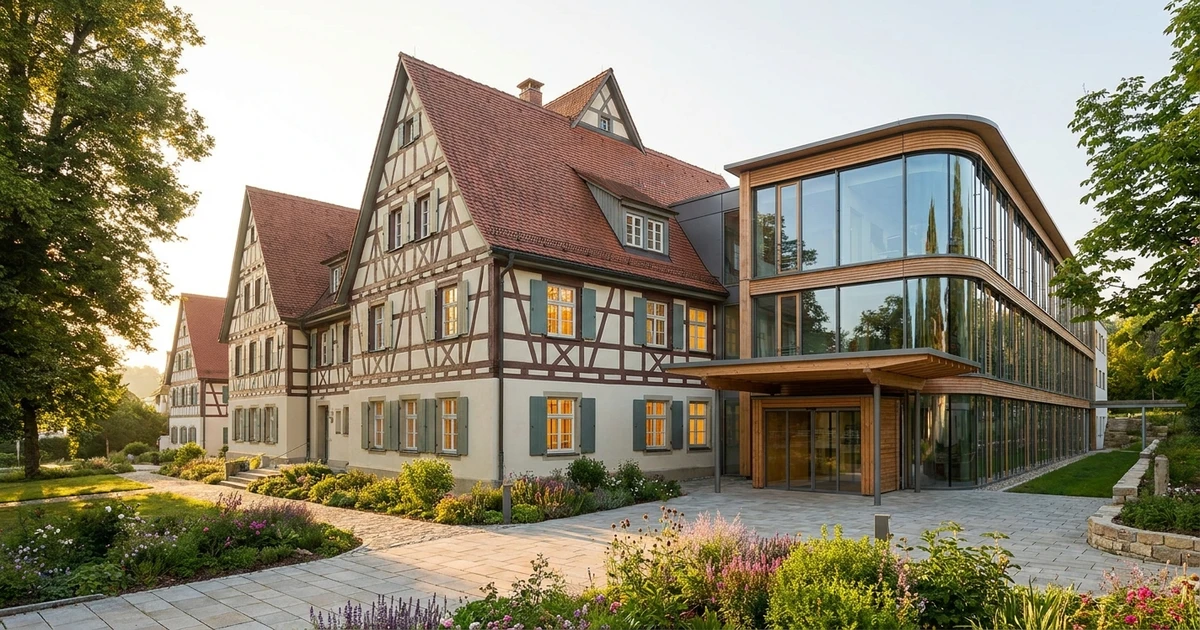
Getting there. Klinik St. Georg is located in Bad Aibling, Bavaria — approximately one hour from Munich International Airport (MUC). Direct flights from most major international cities reach Munich.
Language. Medical consultations are available in German and English. Our team includes physicians who are fluent in English and accustomed to working with international patients.
Accommodation. Inpatient care is provided at the clinic. For family members or patients in the outpatient phase, nearby hotels and apartments are available. The Bad Aibling area is accessible and well-equipped for longer stays.
Follow-up. We develop a detailed follow-up protocol before discharge, including laboratory monitoring timelines, medication schedules, and communication channels. Many patients’ home physicians collaborate with us on post-treatment monitoring. Telemedicine follow-up is available for international patients.
Who Comes to Germany for Lyme Treatment?
In my clinical experience, patients who travel to Germany for Lyme treatment typically share several characteristics:
They have failed standard treatment. Most have completed one or more courses of antibiotics — often including IV ceftriaxone — without resolution of symptoms. Some have been sick for years or decades.
They have been dismissed. Many have been told by physicians in their home countries that their symptoms are not from Lyme, that they should pursue psychiatric care, or that there is nothing more to do. This experience of medical dismissal is one of the most common and most damaging features of the chronic Lyme journey.
They have done their research. Patients who travel internationally for medical care tend to be well-informed. They understand the controversy around chronic Lyme. They have read the research. They come with specific questions about evidence levels and expected outcomes.
They understand the investment. Treatment in Germany is not inexpensive, and most international patients pay out of pocket. They have made a considered decision that the potential benefit justifies the cost.
What Realistic Outcomes Look Like
I do not make cure claims. That is not honest medicine. What I can share is what I observe across the thousands of Lyme patients treated at our clinic:
Significant symptom improvement: The majority of patients experience meaningful improvement in their symptom burden. Joint pain, fatigue, neurological symptoms, and cognitive dysfunction commonly improve over the weeks and months following treatment.
Symptom resolution in a subset: Some patients achieve complete or near-complete symptom resolution. This is more common in patients with shorter disease duration and fewer co-infections.
Ongoing management needed in some: Patients with extensive co-infections, severe autoimmune sequelae, or prolonged disease duration may require ongoing supportive care after the acute treatment course. Hyperthermia addresses the infection, but reversing years of tissue damage requires additional time and support.
Not everyone responds equally. Individual outcomes vary. Factors that predict better response include shorter disease duration, fewer co-infections, stronger baseline immune function, and capacity for post-treatment rehabilitation.
I present these outcomes honestly because patients deserve accurate expectations, not marketing promises.
The Difference Between Integrative and Alternative
This distinction matters. What we practice at Klinik St. Georg is integrative infectiology — the systematic combination of conventional medical approaches (antibiotics, diagnostic workup, inpatient monitoring) with evidence-based adjunctive therapies (hyperthermia, apheresis, photobiomodulation).
This is different from alternative medicine, which typically replaces conventional treatment. We do not advise patients to abandon antibiotics in favor of herbs alone. We do not treat Lyme disease with dietary changes and supplements exclusively. We use every tool that has evidence behind it, regardless of whether it originated in conventional or complementary medicine.
The integration is possible because the German medical system permits it within licensed hospital settings, with proper oversight, monitoring, and institutional accountability.
The Bottom Line
Patients travel to Germany for Lyme disease treatment because German medicine offers what most other medical systems do not: recognition of persistent Lyme infection as a clinical entity, access to treatments like whole-body hyperthermia that directly kill the pathogen, and an integrative hospital setting that combines conventional and adjunctive therapies under proper medical supervision.
This is not a vacation decision. It is a serious medical commitment — significant cost, international travel, and a two-to-three-week treatment course. For patients who have failed conventional approaches and are living with debilitating symptoms, it represents an option that their home medical system does not provide.
If you are considering treatment in Germany, do your research. Ask about evidence levels. Ask about physician qualifications and hospital licensure. Ask for realistic outcome expectations. The right clinic will answer these questions with the same calibrated honesty that I have tried to apply here.
References
- Wormser GP, et al. The clinical assessment, treatment, and prevention of Lyme disease, human granulocytic anaplasmosis, and babesiosis: clinical practice guidelines by the IDSA. Clinical Infectious Diseases. 2006;43(9):1089-1134. doi:10.1086/508667.
- Reisinger EC, et al. In vitro activity of thermotherapy against Borrelia burgdorferi. Conference presentation, University of Graz, Austria.
- Hildebrandt B, et al. The cellular and molecular basis of hyperthermia. Critical Reviews in Oncology/Hematology. 2002;43(1):33-56. doi:10.1016/S1040-8428(01)00179-2.
- Stricker RB, Johnson L. Lyme disease: the next decade. Infection and Drug Resistance. 2011;4:1-9. doi:10.2147/IDR.S15653.
- Sapi E, et al. Evaluation of in-vitro antibiotic susceptibility of different morphological forms of Borrelia burgdorferi. Infection and Drug Resistance. 2011;4:97-113. doi:10.2147/IDR.S19201.
- Miklossy J. Chronic or late Lyme neuroborreliosis: analysis of evidence compared to chronic or late neurosyphilis. Open Neurology Journal. 2012;6:146-157. doi:10.2174/1874205X01206010146.
This content is educational and does not constitute medical advice. Lyme disease treatment decisions should be made in consultation with qualified physicians who understand both the conventional and integrative approaches available. Contact Klinik St. Georg directly for treatment inquiries and current pricing.