
Topic
Clinical Protocols
Treatment protocols, supplement stacks, daily routines, and preparation guides. Evidence-based frameworks from clinical practice — not prescriptions.
Explore by Topic
Morning Protocol
Evidence-based morning routine for energy, focus, and circadian alignment.
Gut Reset Protocol
30-day gut restoration combining dietary modification, supplementation, and microbiome support.
Immune Support Protocol
Targeted immune enhancement through supplementation, lifestyle, and clinical interventions.
Detoxification Protocol
Evidence-based detoxification support — not pseudoscience cleanses.
Sleep Optimization Protocol
Comprehensive sleep protocol targeting circadian rhythm, sleep architecture, and recovery.
Brain Performance Protocol
Cognitive enhancement through nootropics, neurofeedback, and lifestyle interventions.
Lyme Support Protocol
Adjunctive support protocol for patients undergoing Lyme disease treatment.
Post-COVID Recovery Protocol
Structured recovery framework for Long COVID patients.
Anti-Inflammation Protocol
Dietary, supplemental, and lifestyle strategies for resolving chronic inflammation.
Travel Health Protocol
Pre-travel immune support, jet lag mitigation, and on-the-road wellness.
Pre-Treatment Preparation
How to prepare your body before intensive medical treatment programs.
Free Guide
Clinical Protocol Templates
Download the complete physician's guide. Evidence-based, no hype.
Articles
19 articles
Managing Herxheimer Reactions at Home
Evidence-based strategies for managing Jarisch-Herxheimer reactions during Lyme treatment — hydration, detox support, dose pacing, and when to call your doctor.
How to Increase Deep Sleep Naturally: A Physician's Protocol
Evidence-based protocol to increase deep sleep and slow-wave sleep. Temperature, light, exercise timing, supplements, and what actually works according to sleep research.

BPC-157 Dosage Guide: Subcutaneous, Oral, and Injection Protocols
Evidence-based BPC-157 dosing protocols. Subcutaneous vs oral routes, loading vs maintenance, body weight calculations, and clinical observations.
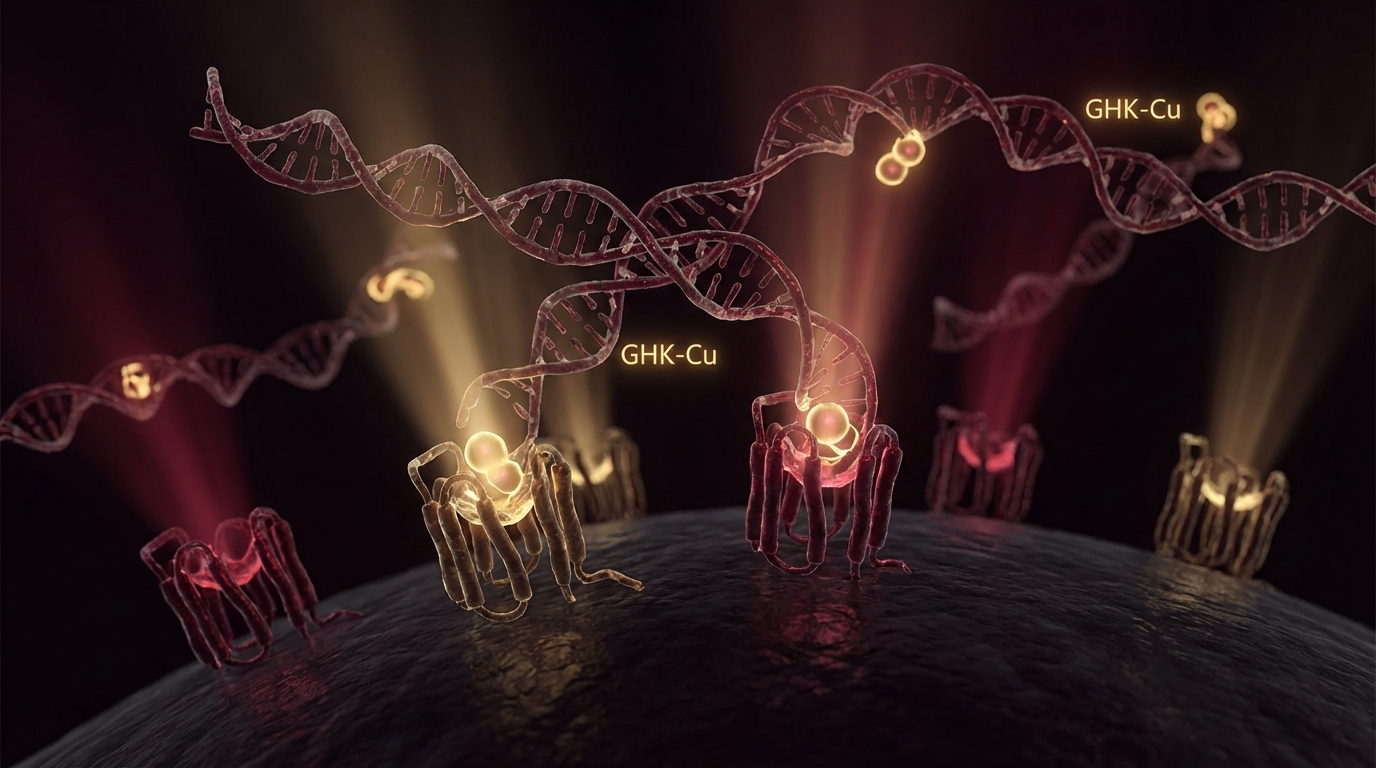
GHK-Cu Dosage: Topical, Injection, and Combination Protocols
Complete GHK-Cu dosing guide. Topical concentrations, subcutaneous injection protocols, microneedling delivery, and combination strategies.
Thymosin Alpha-1 Dosage and Protocol
Evidence-based Thymosin Alpha-1 dosing. Subcutaneous protocols for immune support, cancer adjunct, infection, and chronic disease applications.
NAC vs. Glutathione: Which Antioxidant Should You Take?
Physician comparison of NAC vs glutathione supplements. Oral bioavailability, mechanisms, when to use each, liposomal glutathione, and evidence-based recommendations.
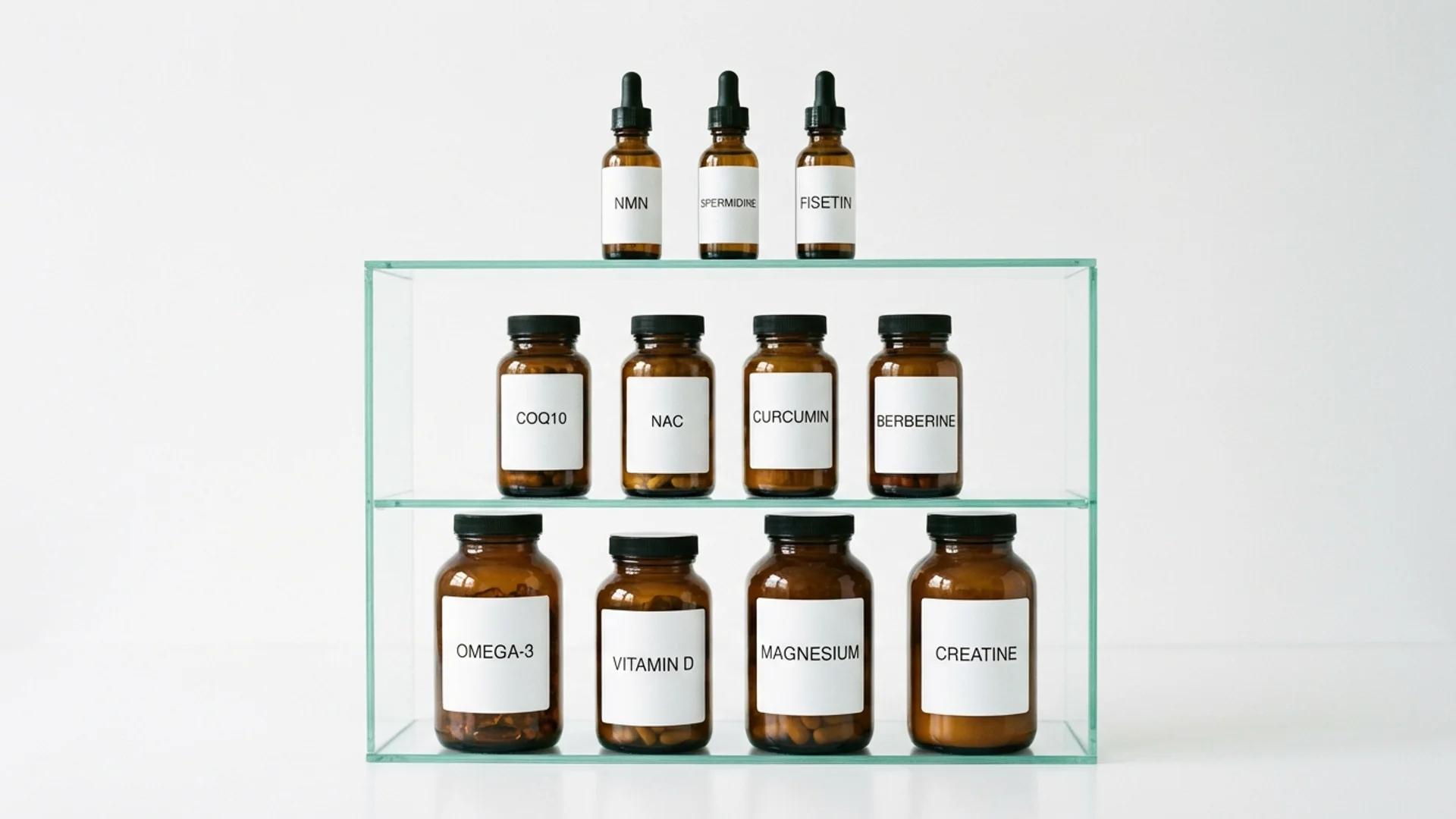
Building Your Longevity Stack
Evidence-tiered approach to longevity supplements. What works, what might work, and what to skip -- from a physician's perspective.
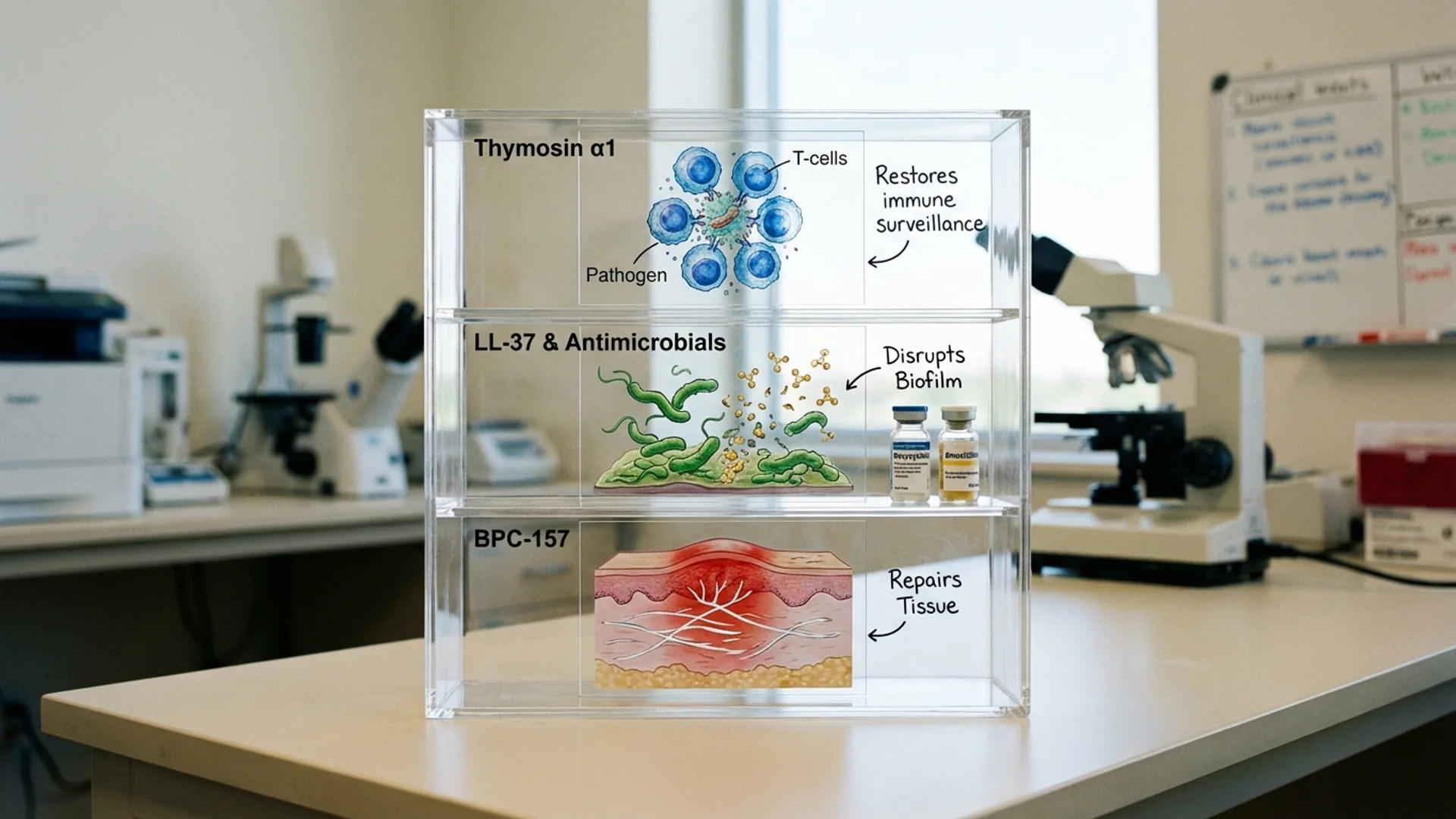
Peptide Therapy for Lyme Disease
How Dr. Julian Douwes uses peptides in chronic Lyme disease treatment. Thymosin alpha-1, LL-37, BPC-157 protocols alongside standard Lyme therapy.
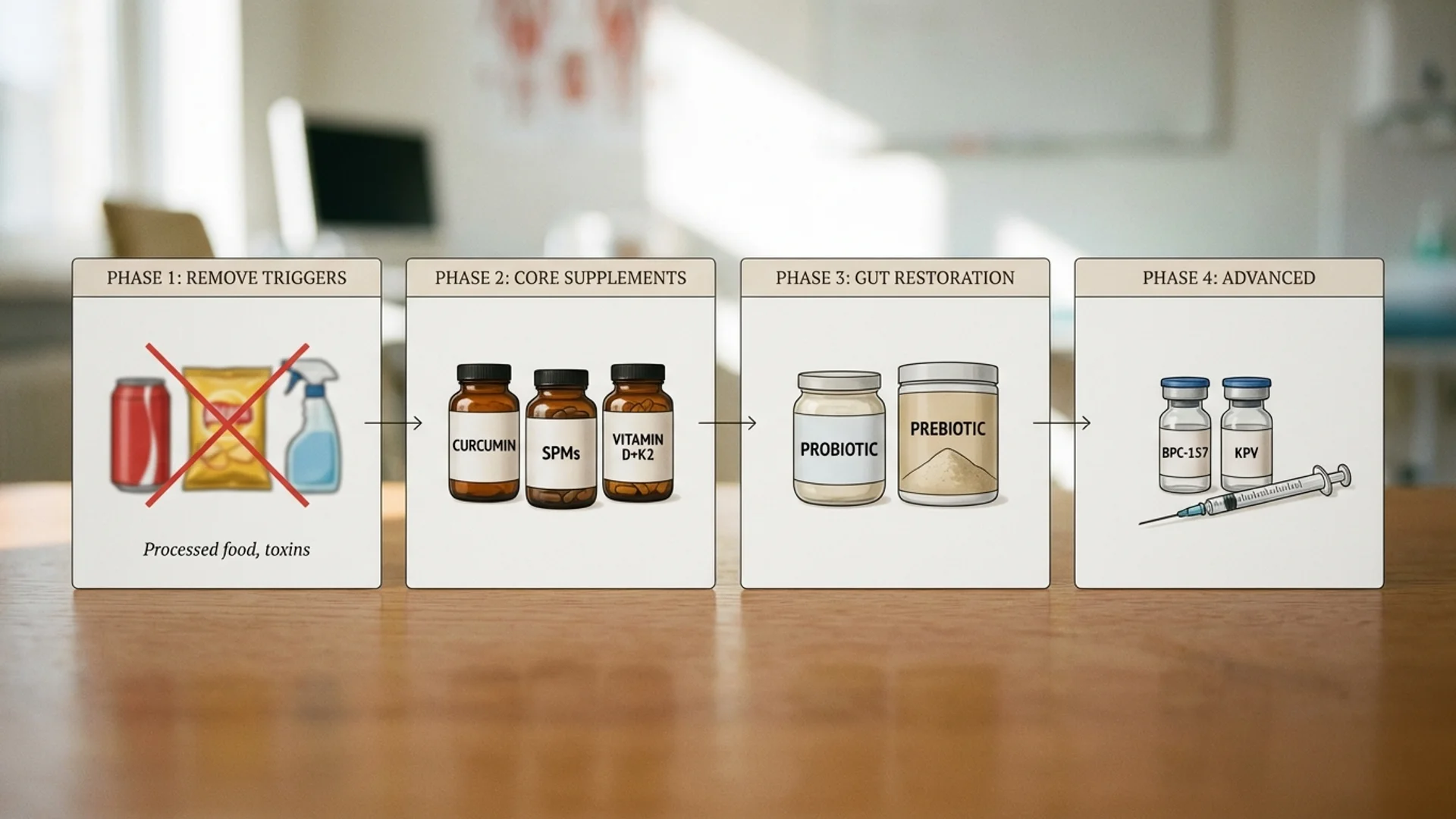
Anti-Inflammation Protocol
A physician's evidence-based protocol for reducing chronic inflammation through diet, lifestyle, and targeted supplementation.
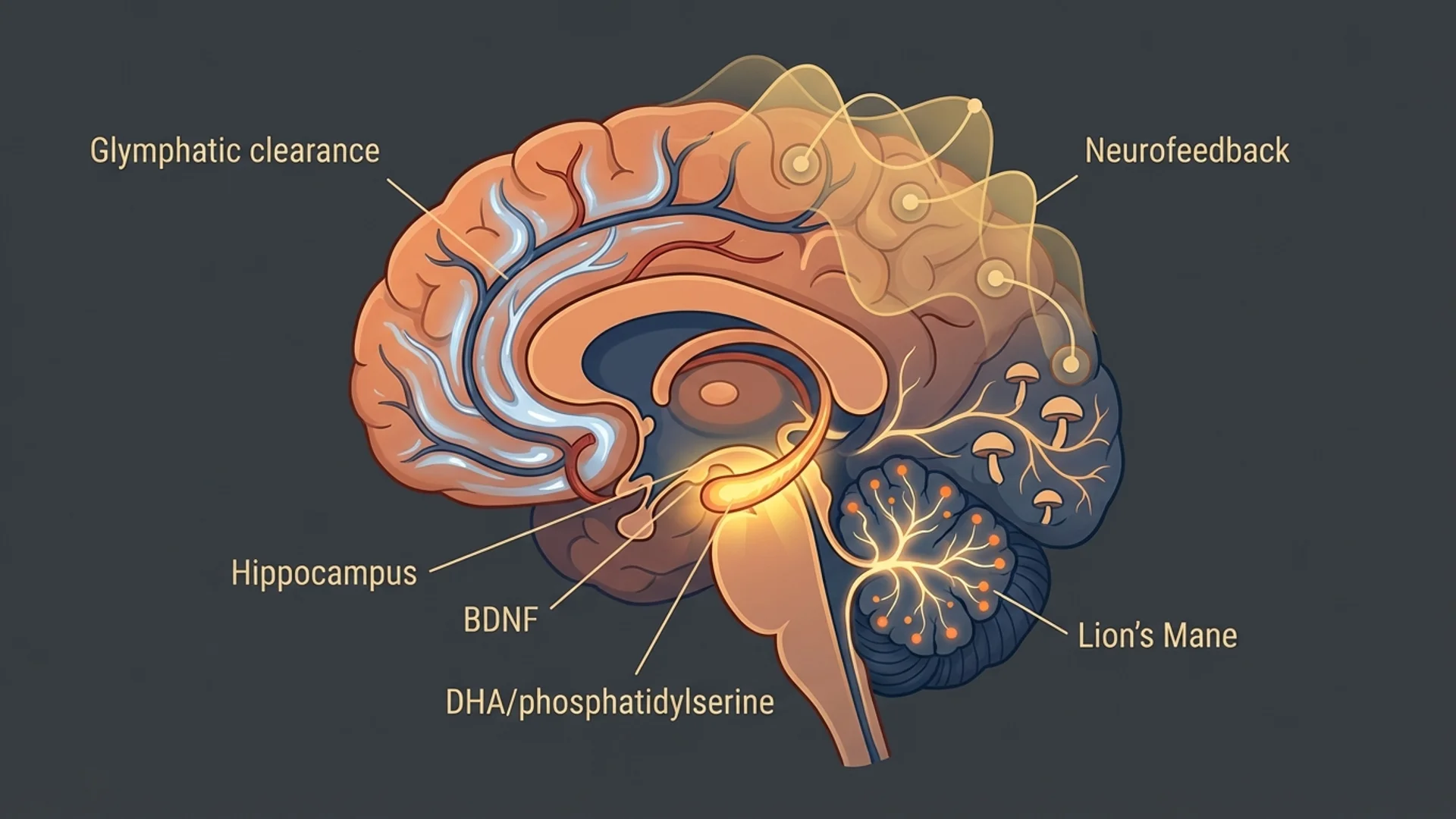
Cognitive Performance Protocol
Evidence-based protocol for mental clarity, focus, and memory from a physician who treats cognitive dysfunction daily.
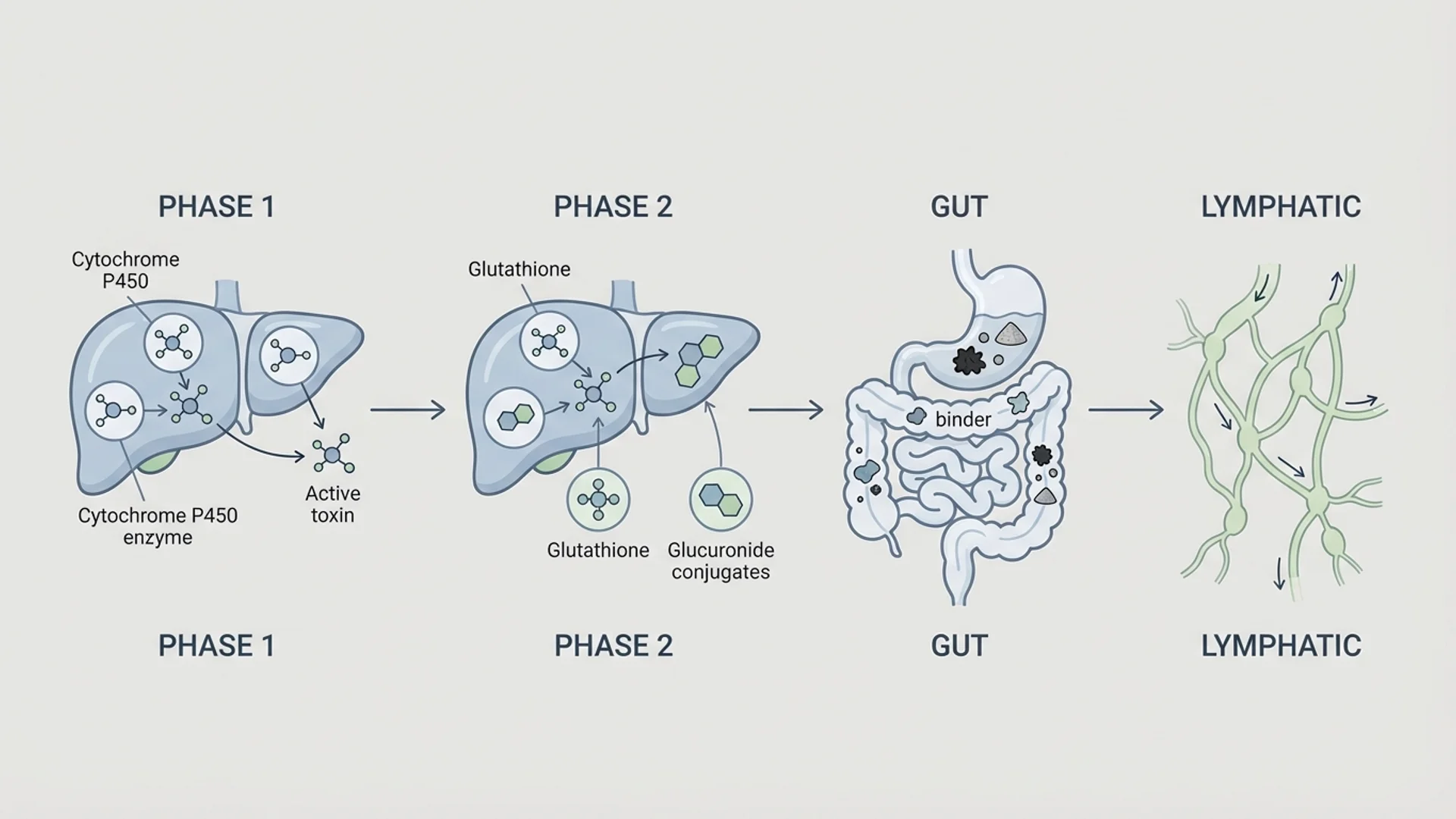
Gentle Detoxification Protocol
A physician's approach to supporting liver, lymph, and toxin elimination through diet, supplements, and lifestyle. By Dr. Julian Douwes.
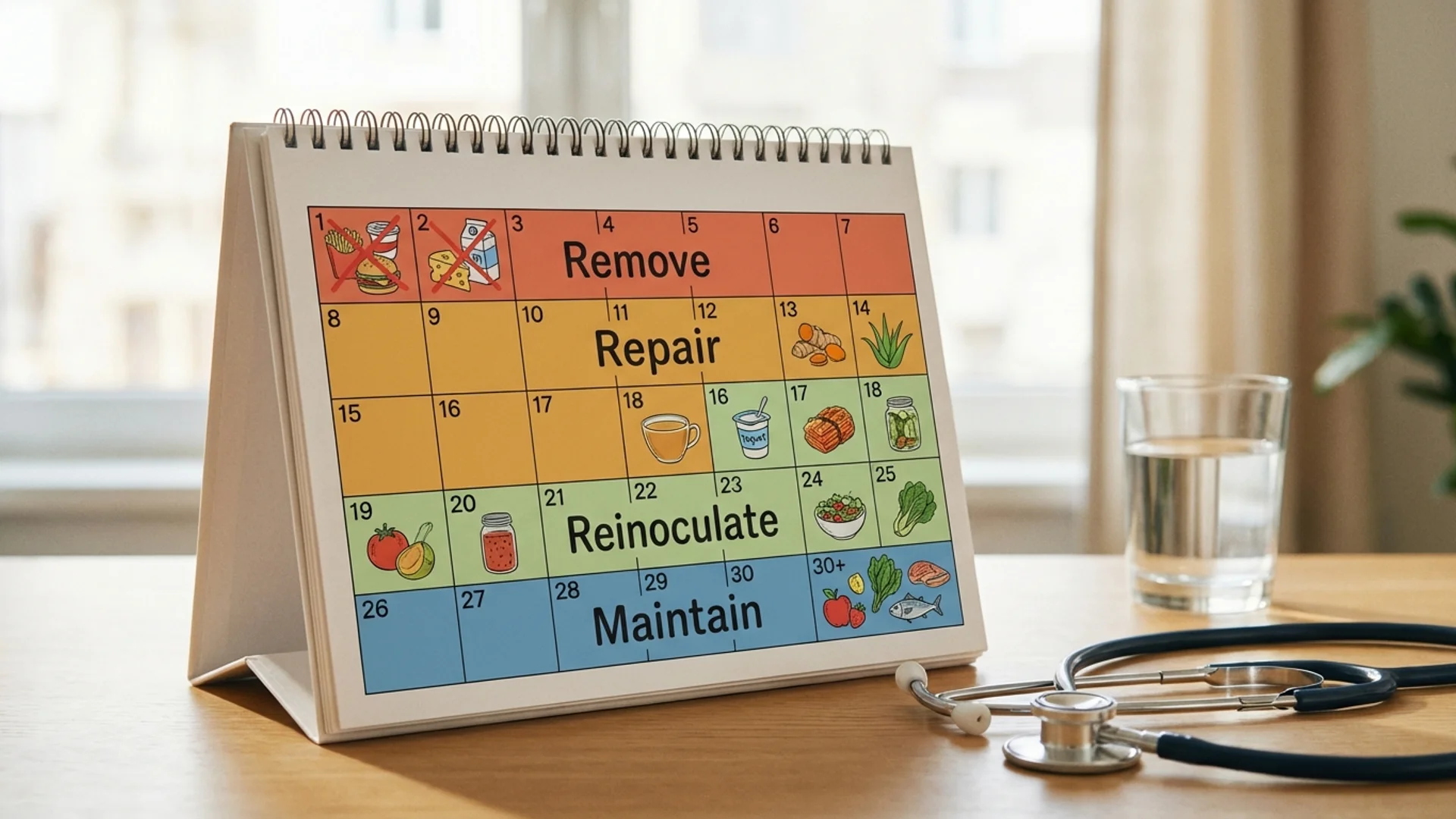
30-Day Gut Reset Protocol
A structured four-phase protocol for gut restoration -- remove, repair, reinoculate, maintain. Evidence-based by Dr. Julian Douwes.
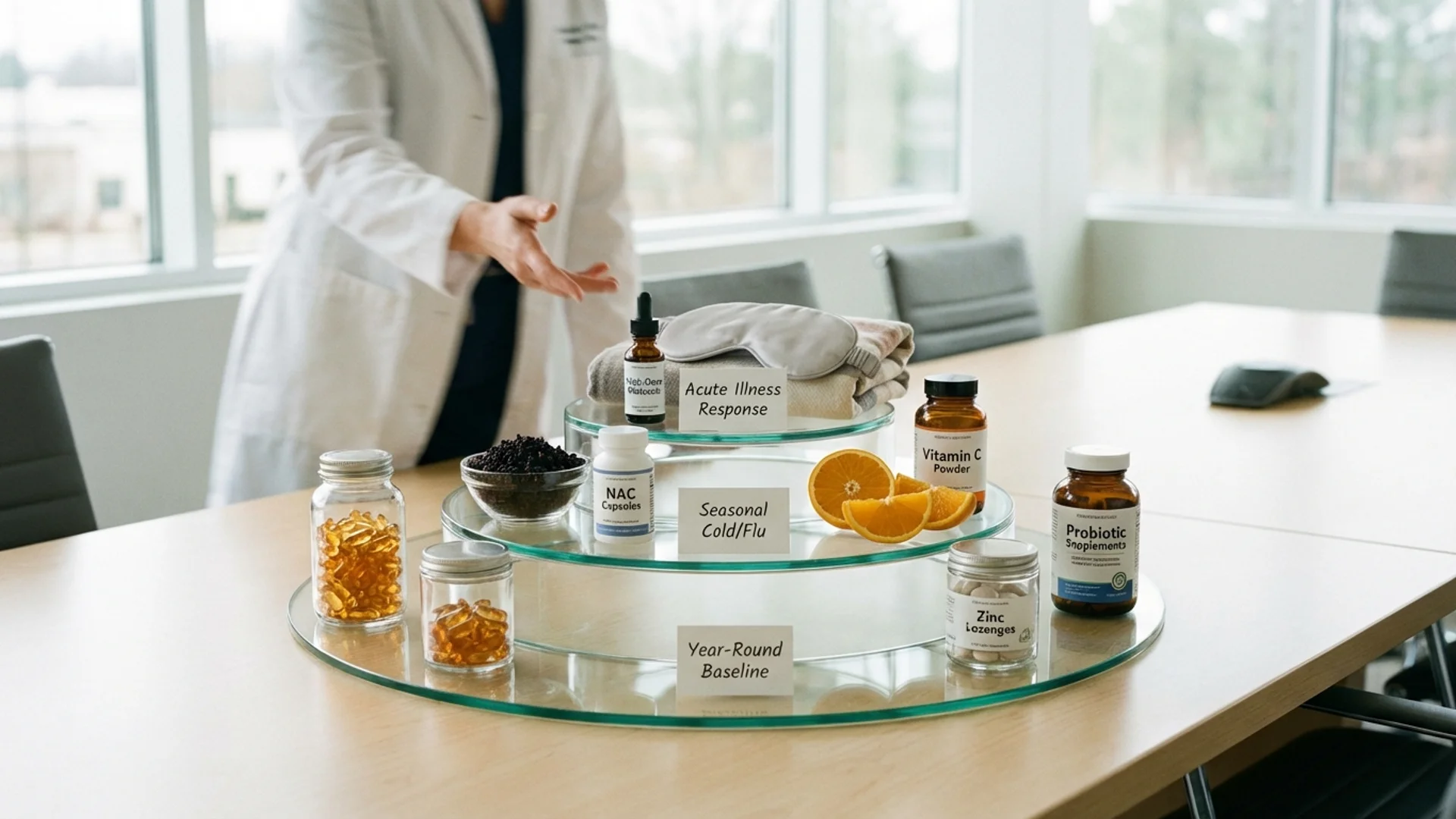
Immune Support Protocol: Seasonal and Travel
A tiered protocol for immune support -- seasonal prevention, pre-travel preparation, and acute illness response. By Dr. Julian Douwes.
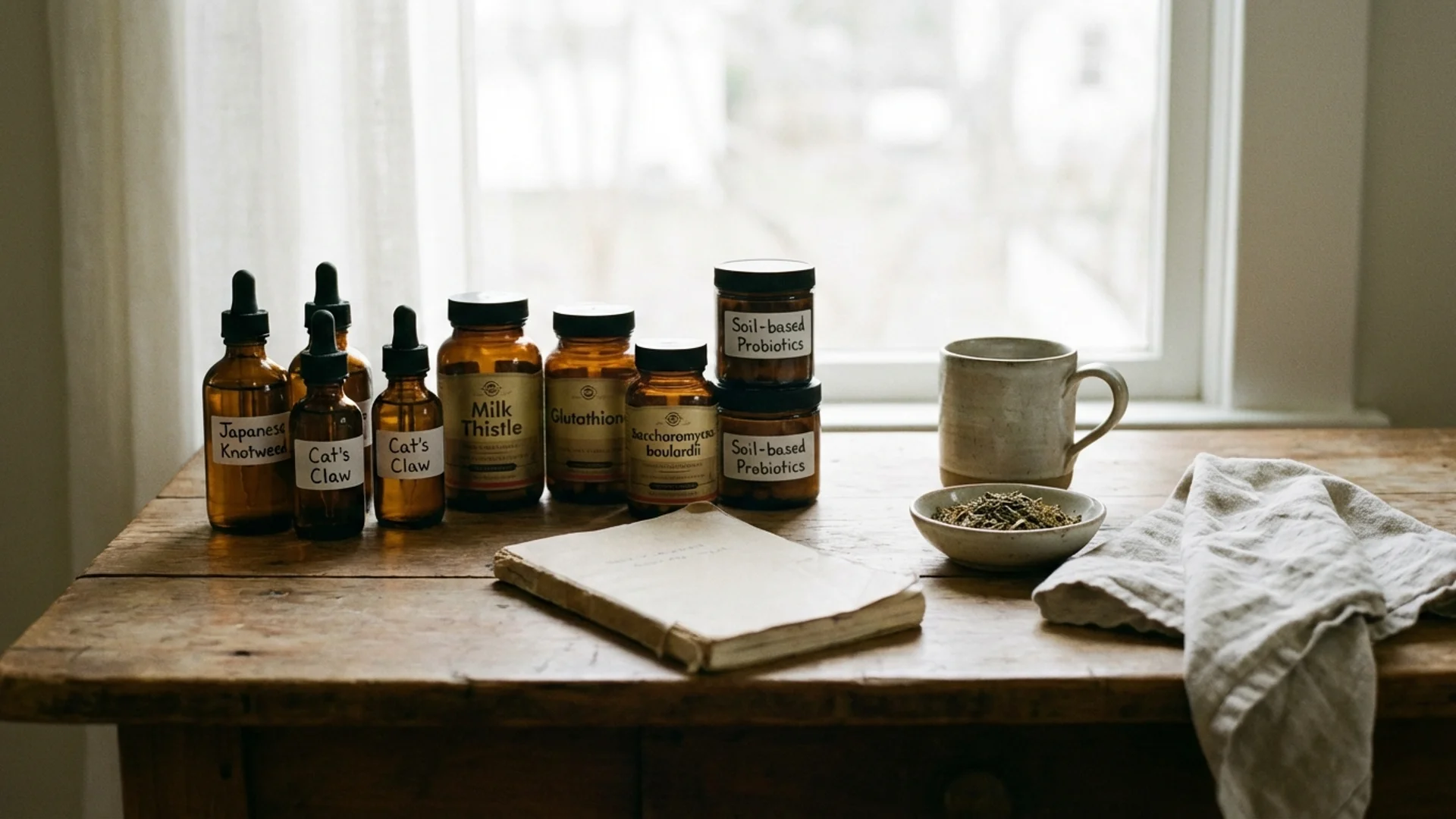
Lyme Support Protocol: Between Treatments
A supplement and lifestyle protocol for Lyme disease patients between clinical treatments. Evidence levels included. By Dr. Julian Douwes.

Morning Protocol: Cold, Light, and Supplements
Dr. Julian Douwes' personal morning protocol -- cold exposure, morning light, and foundational supplements with evidence levels.
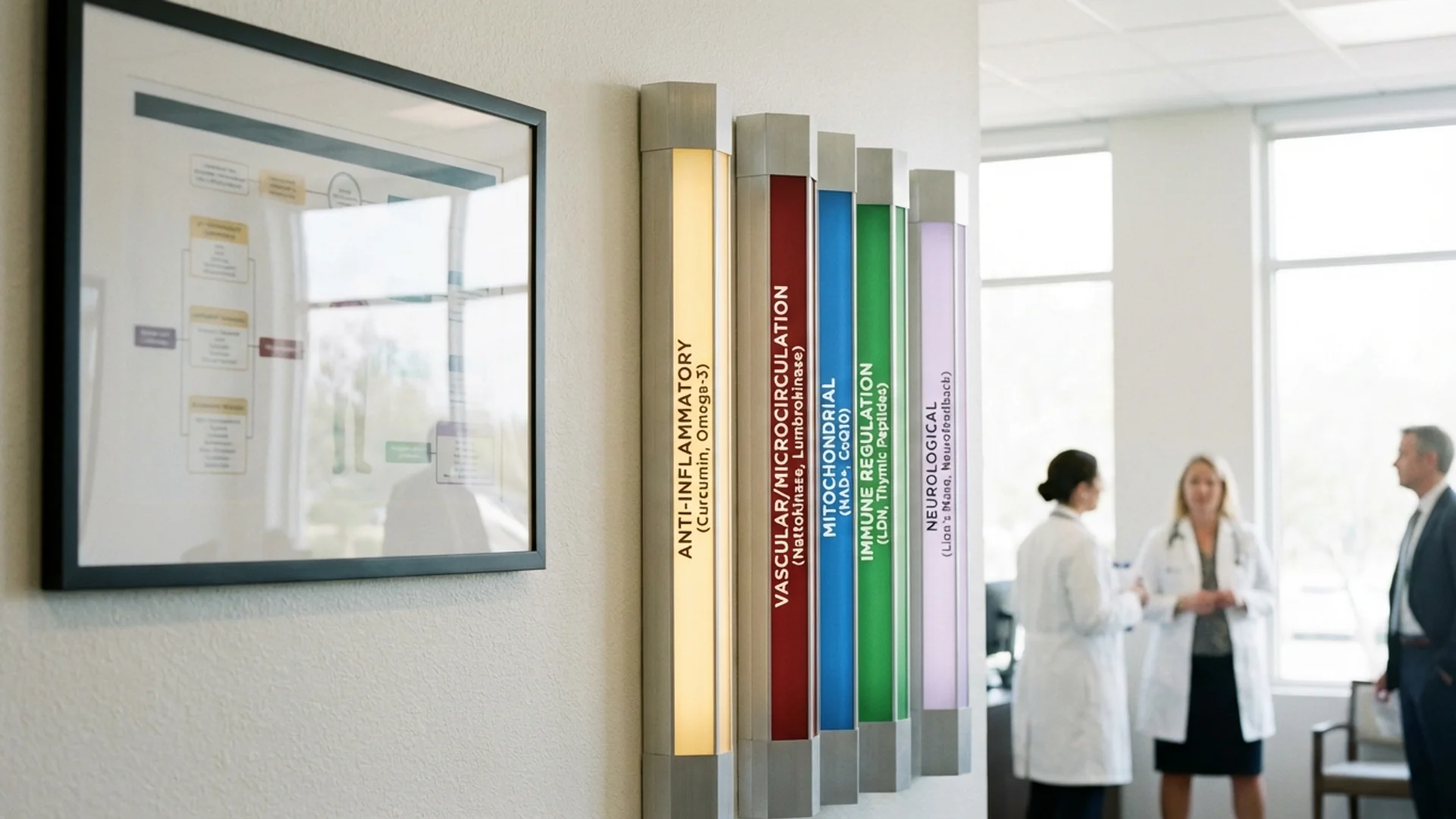
Post-COVID Recovery Protocol
An evidence-based recovery protocol addressing inflammation, clotting, energy, and immune regulation after COVID-19. By Dr. Julian Douwes.
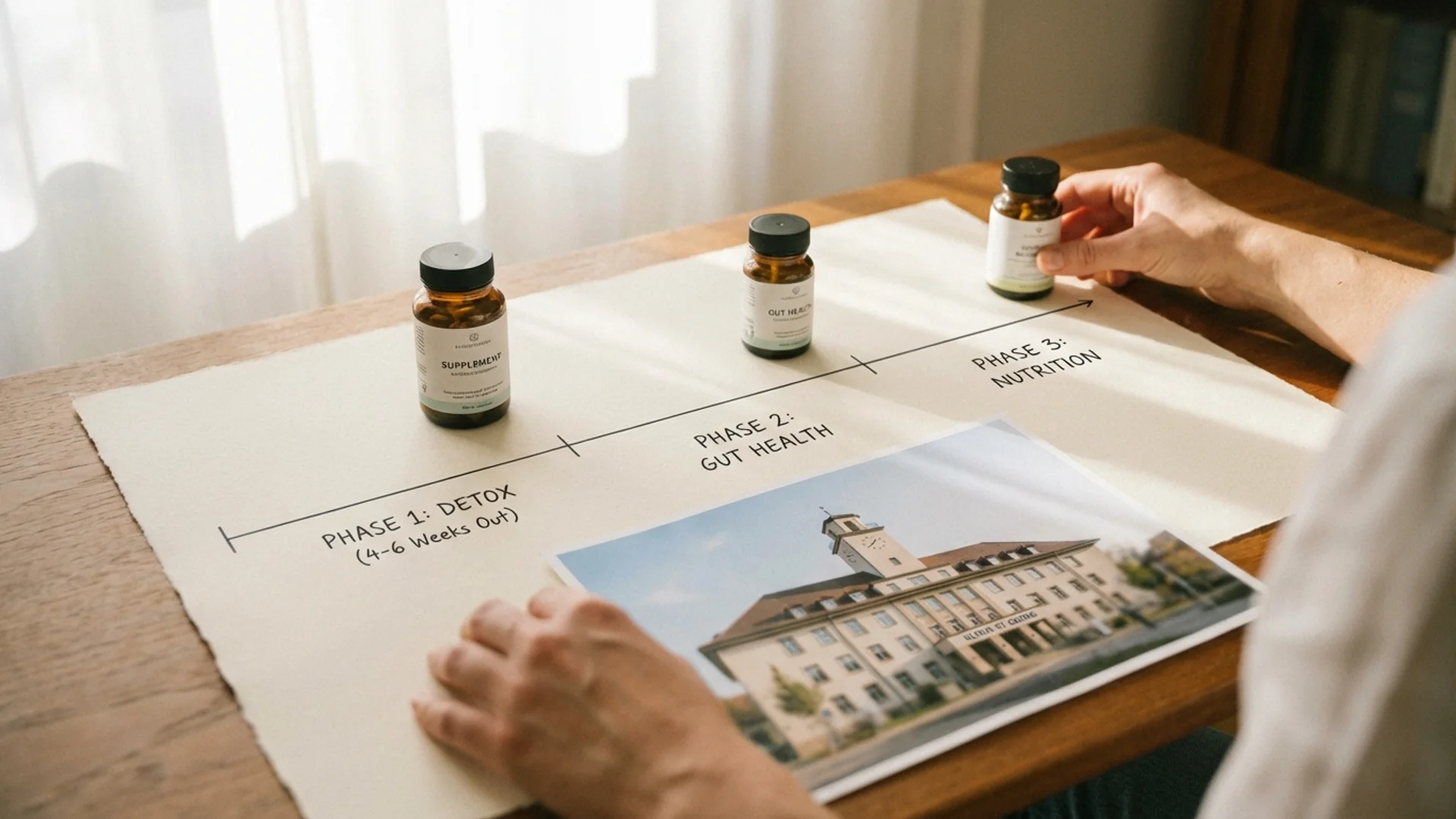
Pre-Treatment Preparation Protocol
How to prepare your body before traveling to St. George Hospital for Lyme, Post-COVID, or integrative cancer treatment.

Sleep Optimization Protocol
Evidence-based strategies for improving sleep quality -- environment, timing, supplements, and habits. By Dr. Julian Douwes.
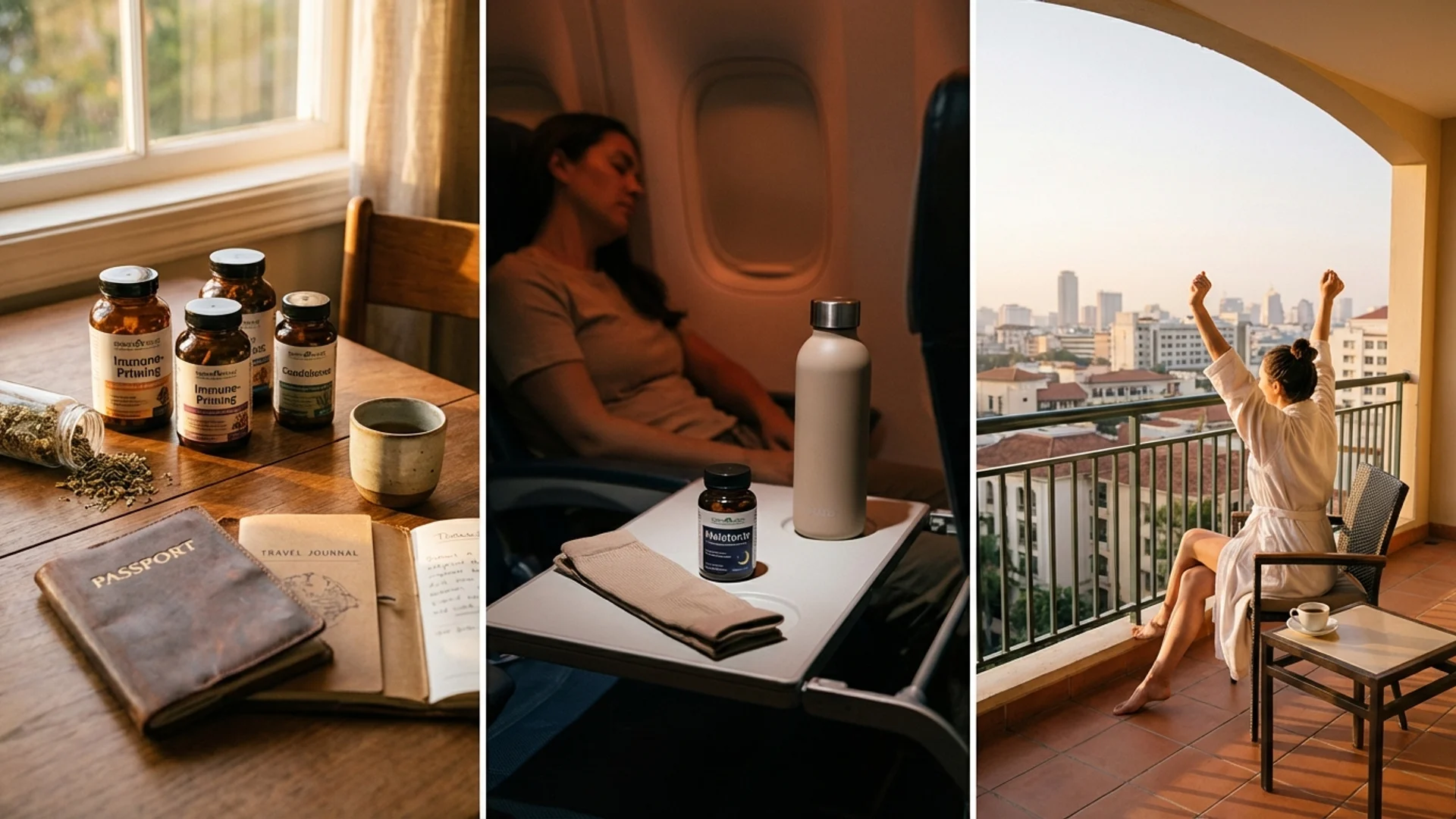
Travel Health Protocol: Immune and Gut Support
A physician's travel protocol for immune support, jet lag management, and gut protection. Evidence-based recommendations by Dr. Julian Douwes.
Complete Guide
Evidence-Based Protocols: A Physician's Approach
In-depth reference by Dr. Julian Douwes
Evidence-Based Protocols: A Physician’s Approach
By Dr. Julian Douwes, M.D. — Chief Medical Officer, Klinik St. Georg
Protocols are a framework, not a prescription. I want to be clear about this distinction before presenting any protocol on this site.
A protocol is a structured approach to a health goal — supporting immune function, optimizing sleep, preparing for treatment, recovering from illness. It combines lifestyle modifications, dietary adjustments, and targeted supplementation into a coherent sequence. When designed well, a protocol reflects the best available evidence, acknowledges uncertainty, and provides a practical starting point that individuals can adapt to their circumstances.
A prescription is a specific medical intervention tailored to a specific patient by a physician who has examined them, reviewed their history, and considered their individual risk factors. Protocols cannot replace prescriptions. They can inform the conversations you have with your physician about what might be useful in your case.
How I Design Protocols
Evidence Stratification
Every supplement recommendation in my protocols includes an evidence level. This is non-negotiable. Patients deserve to know whether a recommendation is based on multiple randomized controlled trials or on my clinical observation. Both have value, but they carry different weight.
I use the following framework:
| Level | Description | Example |
|---|---|---|
| Strong | Multiple RCTs, meta-analyses, or systematic reviews | Vitamin D for immune function, omega-3 for inflammation |
| Moderate | Controlled human studies, smaller RCTs, consistent observational data | Curcumin for NF-kB inhibition, berberine for metabolic health |
| Emerging | Preliminary human data, strong mechanistic rationale, early clinical trials | Certain peptides, specific probiotic strains for novel indications |
| Traditional | Long historical use, mechanistic plausibility, limited modern clinical data | Adaptogenic herbs, some traditional botanical preparations |
| Preclinical | Animal studies only, laboratory data; human translation uncertain | Many novel compounds discussed in biohacking communities |
When I include a supplement with emerging or traditional evidence, I say so explicitly. When I include something with strong evidence, I cite the specific studies or categories of evidence supporting it. The difference matters.
The Hierarchy of Intervention
In every protocol, lifestyle and dietary interventions come first. Supplements come second. Advanced interventions come third.
This order reflects both the evidence base and clinical reality:
-
Lifestyle foundations — sleep, exercise, stress management, dietary pattern — have the strongest evidence for health outcomes and cost nothing. They are also the hardest to implement consistently, which is why they often need the most attention.
-
Targeted supplementation — fills specific gaps, addresses specific mechanisms, supports the body during periods of increased demand. Supplements work best when the foundations are in place. A sleep supplement is a poor substitute for fixing the light environment and stress levels that are actually causing the insomnia.
-
Advanced interventions — IV therapies, peptides, prescription medications, clinical treatments. These require physician supervision, are more expensive, and carry more risk. They should be reserved for situations where foundations and supplementation are insufficient.
I see too many protocols that skip straight to exotic supplements while ignoring the fact that the patient sleeps five hours, eats processed food, and is chronically stressed. The supplements will not work optimally in that context.
Individualization
Every protocol on this site is a general framework. Individual variation plays a significant role in how any person responds to any intervention. Factors that influence response include:
- Genetics — methylation status (MTHFR variants), detoxification capacity (CYP enzyme polymorphisms), nutrient metabolism
- Current health status — existing conditions, medications, nutrient levels
- Gut health — absorption capacity, microbiome composition, intestinal permeability
- Age and sex — hormonal status, metabolic rate, body composition
- Stress load — HPA axis function, cortisol levels, autonomic balance
This is why I recommend testing before supplementing when possible. A protocol designed around your specific lab results will produce better outcomes than a generic protocol applied without context.
What These Protocols Are Not
They are not prescriptions. I am sharing frameworks based on evidence and clinical experience. They are not a substitute for working with a physician who knows your case.
They are not medical advice for specific conditions. If you have a diagnosed medical condition, your treatment should be managed by a physician. These protocols may complement that treatment, but they should not replace it.
They are not sales pitches. I do not sell supplements. The brands I mention (when I mention specific brands) are based on quality and evidence, not financial relationships.
They are not guaranteed to work. Individual variation means that what works for 80% of patients may not work for you. If a protocol does not produce improvement within the expected timeframe, that is valuable information — it means the protocol needs adjustment or the underlying issue is different from what was assumed.
The Available Protocols
Daily and Lifestyle
- Morning Protocol — cold exposure, light, and foundational supplements
- Sleep Optimization — environment, timing, and targeted support
- Brain Performance — cognitive optimization through lifestyle and supplementation
Gut and Metabolic
- 30-Day Gut Reset — a phased approach to gut restoration
- Gentle Detoxification — liver, lymph, and binder support
Immune and Inflammatory
- Immune Support — seasonal, pre-travel, and illness prevention
- Anti-Inflammation — diet, supplement, and lifestyle framework
- Lyme Support — between-treatment support for Lyme patients
- Post-COVID Recovery — addressing inflammation, clotting, and energy
Travel and Preparation
- Travel Health — immune support, jet lag management, gut protection
- Pre-Treatment Preparation — how to prepare before coming to St. George
A Final Note
The best protocol is the one you actually follow. I have seen elaborate supplement regimens abandoned after two weeks because they were impractical. I have also seen simple protocols — good sleep, consistent exercise, three well-chosen supplements — produce remarkable results because the patient maintained them for months.
Start with what is sustainable. Build from there. Measure your progress. Adjust based on results, not assumptions.
Disclaimer: These protocols are provided for educational purposes and reflect one physician’s clinical approach. They are not a substitute for individualized medical care. Consult a qualified physician before beginning any new supplement protocol, particularly if you have existing medical conditions or are taking medications.