If I had a magic wand and could get rid of three things, what would they be? When I ask patients this question, brain fog is in the top three more often than any other single symptom. More than pain. More than fatigue. The inability to think clearly — to find words, hold concentration, process information at the speed you used to — is what drives people to my office after months or years of being told their labs are normal.
Let me be direct: brain fog is not a diagnosis. It is a symptom that tells you something is wrong with brain metabolism, cerebral blood flow, neuroinflammation, or autonomic regulation. The treatment depends entirely on identifying the cause. Here is the systematic approach I use at our hospital.
At a Glance
| Property | Detail |
|---|---|
| Evidence Level | Varies by cause and intervention — Strong (post-COVID neuroinflammation as mechanism); Moderate (TPS, hyperbaric oxygen, NAD+); Emerging (MCAS-driven brain fog treatment) |
| Primary Causes | Post-COVID, Lyme/co-infections, MCAS, mold/mycotoxin, thyroid dysfunction, sleep disorders |
| Key Mechanisms | Neuroinflammation, impaired cerebral microcirculation, mitochondrial dysfunction, autonomic dysregulation |
| First-Line Neuromodulation | TPS (Transcranial Pulse Stimulation) |
| Diagnostic Essentials | Inflammatory markers, thyroid panel, cortisol, microclot assessment, HRV, neurocognitive testing |
Why Your Brain Feels Foggy: The Mechanisms
Brain fog is not a single pathology. It is the clinical expression of several overlapping mechanisms, any combination of which can impair cognitive function:
1. Neuroinflammation
Activated microglia — the immune cells of the central nervous system — release pro-inflammatory cytokines (TNF-alpha, IL-1beta, IL-6) that directly impair synaptic function, reduce neurotransmitter availability, and disrupt the blood-brain barrier. This is the dominant mechanism in post-COVID brain fog and chronic Lyme neuroborreliosis.
The research from Dr. Beate Jaeger and colleagues on microclots and endothelial dysfunction in post-COVID patients has been an important direction in understanding this mechanism. Fibrin amyloid microclots trap inflammatory molecules and impair microcirculation — including cerebral microcirculation. When the brain does not receive adequate blood flow at the capillary level, cognitive function suffers. This is not speculative — it is observed in fluorescence microscopy and correlates with symptom severity. I consider this an important research direction, though I want to be clear that the field is still establishing the full clinical implications.
2. Mitochondrial Dysfunction
Neurons are among the most metabolically active cells in the body. They are exquisitely sensitive to impairments in mitochondrial function — the organelles that produce ATP, the cellular energy currency. Chronic infections, toxin exposure, and sustained inflammation all damage mitochondria.
When mitochondrial output drops, the brain cannot sustain the energy demands of complex cognition. Patients describe this as hitting a cognitive wall — they can function for a few hours, then their processing speed collapses.
3. Autonomic Dysregulation
Many patients with brain fog also have postural orthostatic tachycardia syndrome (POTS) or other forms of dysautonomia. When the autonomic nervous system cannot properly regulate cerebral blood flow — particularly during position changes — the brain is intermittently underperfused. The result is cognitive impairment that worsens with standing, improves with lying down, and fluctuates throughout the day.
4. Neurotransmitter Imbalance
Chronic inflammation shifts tryptophan metabolism away from serotonin synthesis and toward the kynurenine pathway, producing quinolinic acid — a neurotoxin. This contributes to both the cognitive and mood disturbances that often accompany brain fog. Dopamine and acetylcholine systems are also affected by chronic inflammatory states.
The Diagnostic Workup: Finding the Cause
Before treating brain fog, I need to know why it is there. The standard approach at our hospital includes:
Tier 1: Foundational Labs
Every patient gets these:
- Complete blood count with differential — looking for infection, anemia, eosinophilia (MCAS marker)
- Comprehensive metabolic panel — liver, kidney, electrolytes, glucose
- Thyroid panel (TSH, free T3, free T4, thyroid antibodies) — subclinical hypothyroidism is the most commonly missed cause of brain fog in my experience
- Iron studies (ferritin, iron, TIBC) — ferritin below 50 ng/mL impairs cognition even when hemoglobin is normal
- Vitamin D, B12, folate — deficiencies are common and treatable
- hs-CRP, ESR — baseline inflammation markers
- Cortisol (morning) — both excess and deficiency impair cognition
- HbA1c — metabolic dysfunction and insulin resistance affect brain function
Tier 2: Cause-Specific Testing
Based on clinical history and Tier 1 results:
- Lyme and co-infections: Borrelia IgG/IgM Western blot, Elispot-LTT, co-infection panel (Babesia, Bartonella, Ehrlichia, Anaplasma, Rickettsia)
- Post-COVID: Spike protein antibodies, microclot assessment (where available), D-dimer, complement markers, VEGF
- MCAS screening: Tryptase, histamine (plasma and 24-hour urine), prostaglandin D2, chromogranin A
- Mold/mycotoxin: Urinary mycotoxin panel, TGF-beta 1, C4a, MSH, VIP, VEGF (Shoemaker panel)
- Autoimmune markers: ANA, anti-neuronal antibodies (when autoimmune encephalitis is suspected)
Tier 3: Functional and Imaging
- Heart rate variability (HRV): Baseline autonomic function assessment
- Neurocognitive testing: Quantitative measurement of processing speed, working memory, executive function
- Brain MRI: Rule out structural pathology; may show white matter changes in neuroinflammation
- SPECT or PET: Functional imaging showing hypoperfusion patterns (research/specialist setting)
What I tell my patients: the workup matters more than any single treatment. If we find that your brain fog is driven by undiagnosed Hashimoto’s thyroiditis and a ferritin of 22, no amount of neuromodulation will fix it — you need thyroid hormone and iron. The treatment ladder only works when built on a proper diagnostic foundation.
The Treatment Ladder
I approach brain fog treatment as a ladder. You start at the foundation and climb based on what the diagnostics reveal and how the patient responds.
Rung 1: Lifestyle Foundations
This is not filler advice. These interventions have direct, measurable effects on neuroinflammation and brain metabolism:
Sleep optimization. Sleep is when the glymphatic system clears metabolic waste from the brain — including the inflammatory mediators that drive brain fog. Seven to nine hours of quality sleep is non-negotiable. If sleep is disrupted, we address it first — whether that means treating sleep apnea, adjusting medications that impair sleep architecture, or addressing circadian rhythm disruption.
Anti-inflammatory nutrition. A Mediterranean-style diet rich in omega-3 fatty acids, polyphenols, and fiber reduces systemic inflammation. Elimination of processed seed oils, refined sugar, and alcohol directly reduces neuroinflammatory burden. For patients with MCAS, a low-histamine diet is often necessary as a starting point.
Movement. Aerobic exercise at moderate intensity (zone 2) for 150+ minutes per week increases BDNF, improves cerebral blood flow, enhances mitochondrial biogenesis, and is the single strongest non-pharmacological intervention for brain health. The evidence is strong.
Stress and autonomic regulation. Vagus nerve activation through breathwork, cold exposure, and HRV training directly counters the sympathetic dominance that impairs cognitive function in chronic disease states.
Rung 2: Targeted Supplementation
Supplements are real science — but the quality in this market is appalling. I only recommend pharmaceutical-grade or third-party-tested products.
Omega-3 (EPA/DHA). EPA at 2-3 grams daily for neuroinflammation. DHA at 1-2 grams for structural brain support. The evidence for omega-3 in neuroinflammation and cognitive function is moderate to strong. Test your omega-3 index — the target is 8-12%.
NAC (N-Acetyl Cysteine). 600-1200mg daily. Glutathione precursor, antioxidant, and mucolytic that supports detoxification pathways. Particularly relevant in mold-exposed and post-COVID patients where oxidative stress is elevated.
Lion’s Mane (Hericium erinaceus). 500-1000mg of dual extract daily. Stimulates nerve growth factor (NGF) synthesis. The evidence is emerging — a double-blind RCT by Mori et al. (2009) showed cognitive improvement in elderly subjects with mild cognitive impairment. Not a substitute for addressing root causes, but a reasonable adjunct.
Magnesium (threonate or glycinate). 200-400mg elemental magnesium daily. Magnesium threonate specifically crosses the blood-brain barrier. Deficiency is common and impairs neuronal function.
B vitamins (methylated forms). Methylcobalamin, methylfolate, P5P. Essential cofactors for neurotransmitter synthesis and methylation. Particularly important in patients with MTHFR polymorphisms.
Rung 3: Neuromodulation
This is where I see the most dramatic results in patients who have plateaued on lifestyle and supplementation.
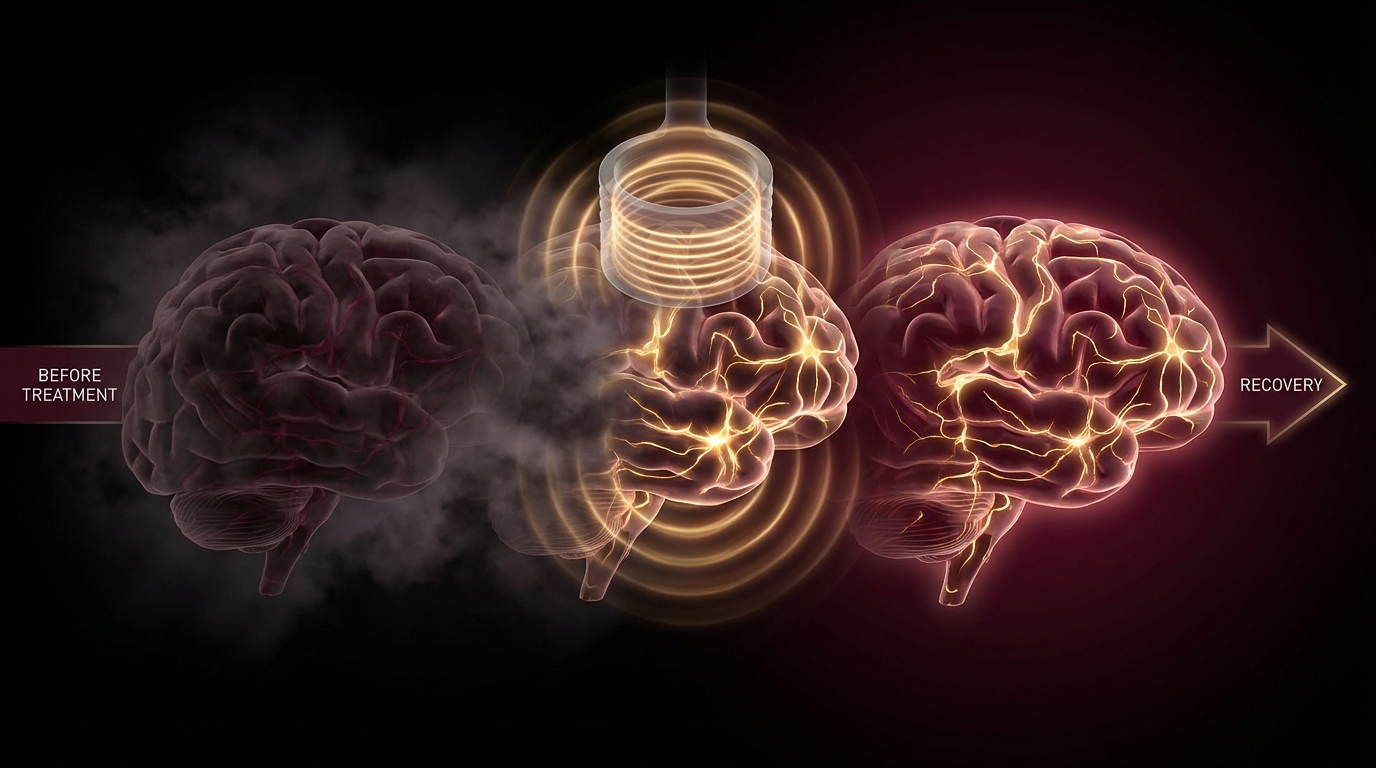
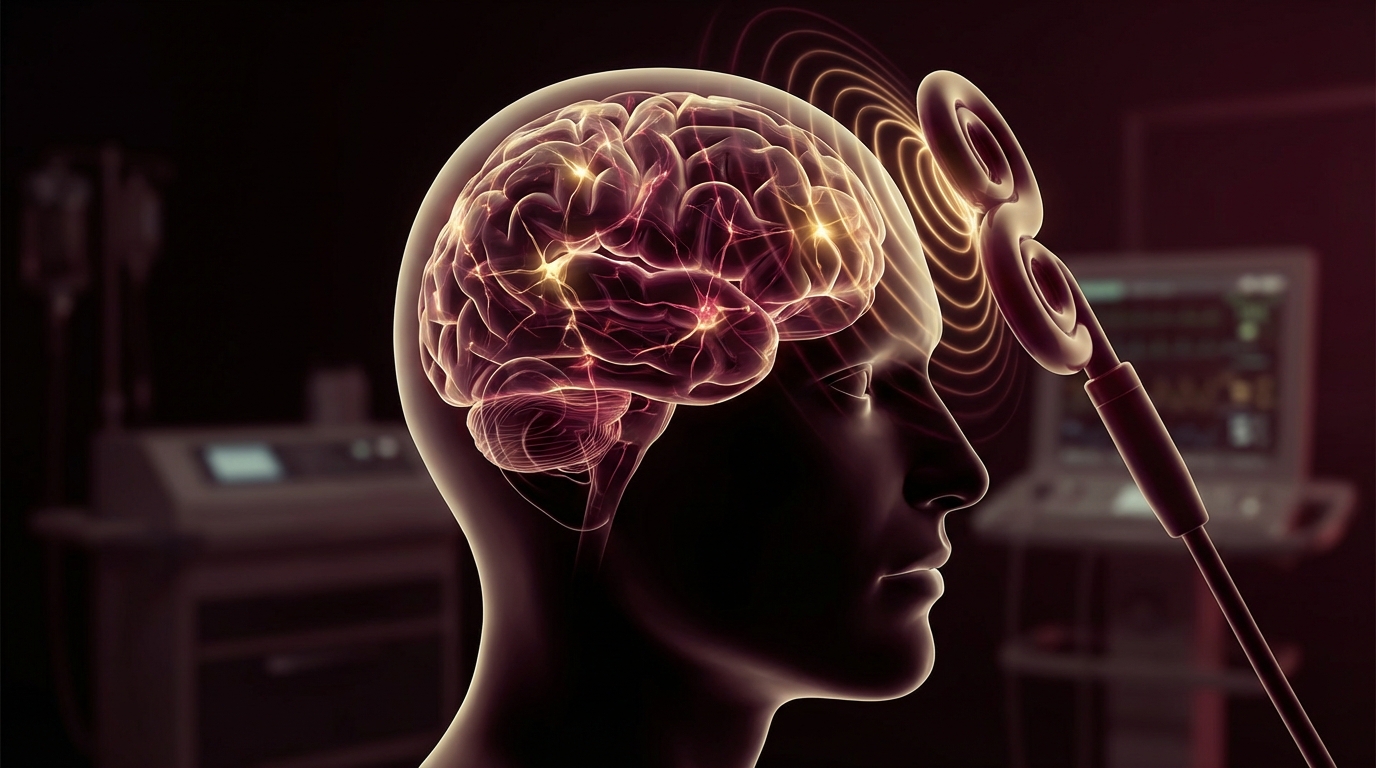
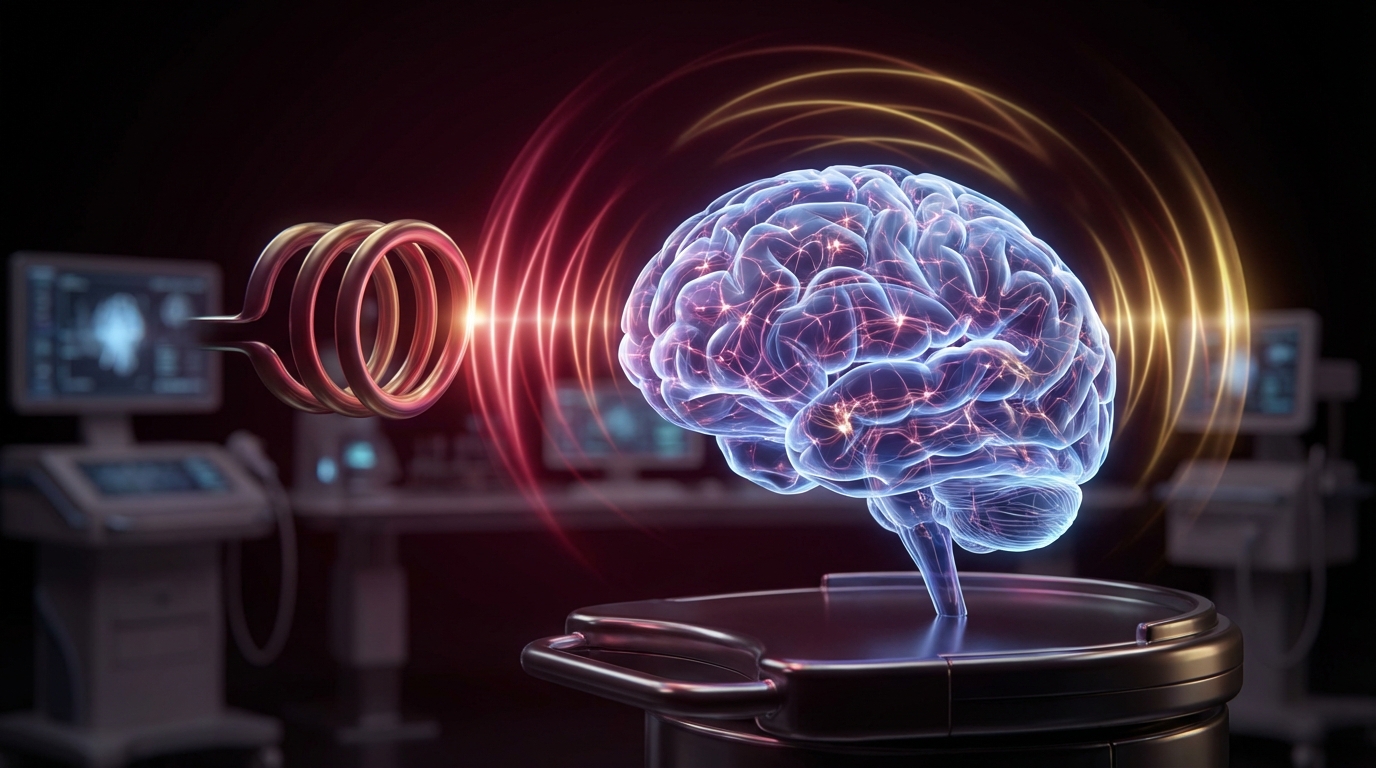
TPS (Transcranial Pulse Stimulation). This is my first-line neuromodulation tool for brain fog. TPS delivers focused mechanical pulses that penetrate to subcortical depths of up to 8 cm, stimulating neuroplasticity and upregulating neurotrophic factors (BDNF, VEGF). In patients with post-COVID brain fog and chronic fatigue, I consistently observe improvements in processing speed, word-finding, and sustained concentration after a course of 6-12 sessions.
The evidence base for TPS in Alzheimer’s disease is published (Beisteiner et al., 2020). For brain fog specifically, the data is clinical observation at this stage. But the mechanism — promoting neuroplasticity and reducing neuroinflammation in deep brain structures — is directly relevant, and what I see in practice is consistent improvement.
For a deeper understanding of TMS and TPS technology, see my full guide.
Neurofeedback. Quantitative EEG-guided neurofeedback can retrain dysfunctional brainwave patterns. The evidence is moderate for ADHD and emerging for brain fog. It requires multiple sessions and is most effective when combined with other interventions.
Rung 4: IV Protocols
For patients with significant neuroinflammation or mitochondrial dysfunction who have not responded adequately to oral interventions:
NAD+ IV infusion. Nicotinamide adenine dinucleotide is a critical cofactor in mitochondrial energy production. IV NAD+ bypasses gut absorption limitations and delivers high concentrations directly. Patients frequently report improved mental clarity within hours of infusion. The evidence is emerging — controlled trials are underway, but the mechanistic rationale is strong and the clinical response I observe is consistent. Standard protocols use 250-750mg per infusion over 2-4 hours.
Glutathione IV. The brain’s master antioxidant. IV glutathione is particularly relevant in mold/mycotoxin-exposed patients and post-COVID neuroinflammation. Typically 1200-2000mg per infusion.
Phosphatidylcholine IV. Supports neuronal membrane repair and acetylcholine synthesis. Used in our detoxification and neuroregenerative protocols.
High-dose vitamin C IV. 15-25 grams per infusion. Anti-inflammatory, supports immune function, and addresses the oxidative stress component of brain fog.
Rung 5: Advanced Interventions
Hyperbaric oxygen therapy (HBOT). Breathing 100% oxygen at elevated atmospheric pressure (typically 1.5-2.0 ATA) increases dissolved oxygen in plasma and cerebral tissue. A randomized controlled trial by Zilberman-Itskovich et al. (2022) demonstrated significant cognitive improvement in post-COVID patients after 40 sessions of HBOT. The evidence is moderate and growing. At our hospital, we use HBOT as part of comprehensive post-COVID and chronic fatigue protocols.
Apheresis. For patients with post-COVID microclot burden, therapeutic apheresis — specifically H.E.L.P. apheresis and double-cascade filtration — can remove fibrinogen, inflammatory lipoproteins, and microclots from the circulation. When impaired microcirculation is contributing to brain fog, improving cerebral perfusion through apheresis can produce rapid symptomatic improvement. The evidence is clinical observation and case series; controlled trials are needed.
Whole-body hyperthermia. Moderate whole-body hyperthermia (approximately 40 degrees Celsius) activates heat shock proteins, stimulates immune regulation, and can address underlying chronic infections that drive neuroinflammation. In post-COVID patients, we use 2-4 moderate hyperthermia sessions as part of a multimodal protocol.
Cause-Specific Treatment Notes
Post-COVID Brain Fog
The approach I use most frequently combines: apheresis for microclot removal, TPS for neuroplasticity and deep brain stimulation, NAD+ IV for mitochondrial support, and omega-3 plus NAC orally. Hyperbaric oxygen is added for patients with significant persistent symptoms. This is a multimodal protocol because post-COVID brain fog has multiple simultaneous mechanisms.
Lyme/Co-Infection Brain Fog
Address the infection first. Whole-body hyperthermia (2 sessions at 41.6-41.8 degrees Celsius) is our primary intervention for Lyme eradication. Once the infectious burden is reduced, the neuroinflammation often resolves spontaneously. For persistent neurocognitive symptoms after treatment, TPS and IV protocols accelerate recovery.
MCAS-Driven Brain Fog
Histamine and other mast cell mediators directly impair neuronal function. Treatment starts with mast cell stabilization (cromolyn, quercetin, DAO supplementation, low-histamine diet) and proceeds to neuroinflammation-targeted interventions only after the mast cell activation is controlled.
Mold/Mycotoxin Brain Fog
Binders (cholestyramine, activated charcoal, bentonite clay), environmental remediation, glutathione support (IV and oral NAC), and sauna therapy for mycotoxin mobilization. The Shoemaker protocol provides the foundational framework, modified based on individual lab results.
Safety and Considerations
Most interventions on this treatment ladder are well-tolerated. Specific considerations:
- NAD+ IV can cause chest tightness, nausea, and flushing during infusion — these are managed by reducing the infusion rate
- HBOT carries a small risk of barotrauma and oxygen toxicity; proper screening and protocols minimize these risks
- TPS has an excellent safety profile with no seizure risk
- Supplements should be pharmaceutical-grade and started one at a time to identify any adverse reactions
Any brain fog that is sudden in onset, rapidly progressive, or accompanied by neurological deficits (weakness, vision changes, seizures) requires urgent neurological evaluation to rule out stroke, mass lesion, or autoimmune encephalitis. This is not a situation for supplements and watchful waiting.
The Bottom Line
Brain fog is treatable — but only when you identify what is causing it. The diagnostic workup is not optional. The treatment ladder starts with sleep, nutrition, and movement, builds through targeted supplementation and neuromodulation, and reaches IV protocols and advanced interventions for refractory cases.
In my clinical experience treating thousands of patients with chronic infections, post-COVID syndrome, and complex chronic illness, TPS is the single most consistent intervention for cognitive improvement when the foundational causes have been addressed. It is not the only tool, but it is the one I reach for first in the neuromodulation category.
Here is what the evidence shows: brain fog is a real, measurable, physiological phenomenon — not a psychological complaint. If your doctor dismisses it, find a doctor who takes it seriously.
References
-
Beisteiner R, Matt E, Fan C, et al. Transcranial pulse stimulation with ultrasound in Alzheimer’s disease — a new navigated focal brain therapy. Adv Sci. 2020;7(3):1902583. PMID: 32042569.
-
Zilberman-Itskovich S, Catalogna M, Sasson E, et al. Hyperbaric oxygen therapy improves neurocognitive functions and symptoms of post-COVID condition: randomized controlled trial. Sci Rep. 2022;12(1):11252. PMID: 35790775.
-
Pretorius E, Vlok M, Venter C, et al. Persistent clotting protein pathology in Long COVID/post-acute sequelae of COVID-19 (PASC) is accompanied by increased levels of antiplasmin. Cardiovasc Diabetol. 2021;20(1):172. PMID: 34425843.
-
Mori K, Inatomi S, Ouchi K, Azumi Y, Tuchida T. Improving effects of the mushroom Yamabushitake (Hericium erinaceus) on mild cognitive impairment: a double-blind placebo-controlled clinical trial. Phytother Res. 2009;23(3):367-372. PMID: 18844328.
-
Naviaux RK. Metabolic features and regulation of the healing cycle — a new model for chronic disease pathogenesis and treatment. Mitochondrion. 2019;46:278-297. PMID: 30099222.
Disclaimer: This article is for educational purposes. Brain fog can have many causes, some of which require urgent medical attention. This content does not replace individualized medical evaluation and treatment. Consult a qualified physician for your specific situation.