
At a Glance
| Parameter | Clinical Recommendation |
|---|---|
| Starting dose | 500 mg/day |
| Evidence-supported dose | 1,000 mg/day |
| Maximum studied dose | 2,000 mg/day |
| Timing | Morning, fasted or with light meal |
| Onset of measurable effect | 4–8 weeks (mitochondrial markers) |
| Cycling | Not required; continuous use supported |
| Key mechanism | Mitophagy activation (via PINK1/Parkin pathway) |
| Safety signal | No serious adverse events in Phase I/II trials |
Urolithin A (UA) has moved from niche biohacker conversation to one of the more rigorously studied longevity compounds of the past decade. Unlike many supplements where “dose” is a marketing figure unsupported by data, urolithin A benefits from genuine Phase I and Phase II human trials that allow clinicians to make evidence-based recommendations. The challenge is translating those trial protocols into practical guidance for patients who are not research subjects with controlled diets.
In my practice, I see two common errors: patients taking doses so low they cannot expect a biological effect, and patients stacking UA with so many other compounds that attribution becomes impossible. This guide focuses on what the evidence actually shows — and where clinical judgment must fill the gaps.
What Is Urolithin A and Why Does Dose Matter?
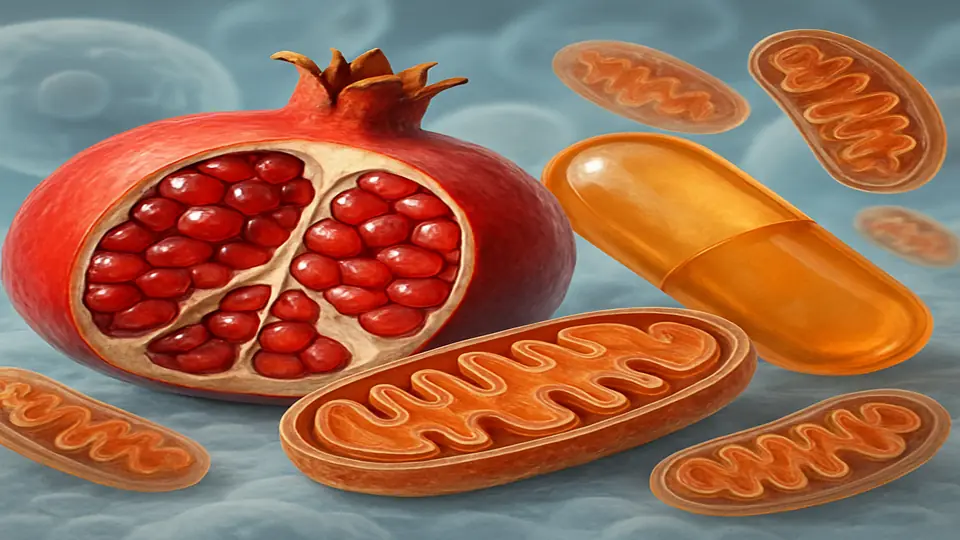
Urolithin A is a gut-derived metabolite produced when intestinal bacteria process ellagitannins — polyphenols found in pomegranate, walnuts, and some berries. The conversion is entirely microbiome-dependent: studies show that only approximately 30–40% of adults produce meaningful amounts of UA naturally after a pomegranate-rich meal, because the required bacterial strains (Gordonibacter and Ellagibacter species) are absent or insufficient in the majority of Western microbiomes.
This dependency on gut flora is why supplemental UA matters. Unlike direct dietary intake, commercially available UA (typically as the sodium salt form in pharmaceutical-grade supplements) bypasses the microbiome bottleneck and delivers consistent systemic exposure.
The dose-response relationship is clinically important because UA’s primary mechanism — mitophagy activation — appears to require sustained tissue concentrations above a minimum threshold. Below approximately 500 mg, plasma UA levels in human pharmacokinetic studies show high inter-individual variability and may not consistently saturate the relevant signalling pathways in muscle tissue. At 1,000 mg, the trials show robust mitophagic flux and downstream mitochondrial biogenesis.
Evidence-Based Dosage Ranges
The 500 mg Foundation Dose
The Amazentis/Timeline Phase I safety trial (Ryu et al., Nature Metabolism, 2019) enrolled healthy older adults and tested 250 mg, 500 mg, and 1,000 mg daily doses for 28 days. At 500 mg, researchers observed statistically significant upregulation of mitophagy-related gene expression in skeletal muscle biopsies, with a clean safety profile across all doses tested. No dose-limiting toxicities were identified at any level up to 2,000 mg.
Clinical use case for 500 mg: Appropriate for patients who are new to UA, have sensitive gastrointestinal profiles, or are stacking multiple longevity compounds where total pill burden and cost are a consideration. It represents the minimum biologically active dose in the available human data.
The 1,000 mg Optimal Dose
The POMI-T/ Phase II muscle trial (Liu et al., JAMA Network Open, 2022) remains the most cited clinical benchmark. In this randomised, placebo-controlled trial of 66 sedentary older adults (aged 65–90), 1,000 mg UA daily for 4 months produced:
- Significant improvement in muscle endurance (walking distance in six-minute walk test, p = 0.007)
- Enhanced mitochondrial efficiency (ATP production per oxygen consumed in muscle biopsies)
- Reduction in inflammatory biomarkers (IL-6 and CRP)
- No change in lean mass on DEXA, suggesting the benefit is functional (mitochondrial quality) rather than hypertrophic
This trial is the foundation for recommending 1,000 mg as the primary clinical dose. It is the dose I begin most patients on after the initial 30-day 500 mg titration if they are tolerating it well and have a primary goal of muscle health or mitochondrial support.
The 2,000 mg High-Dose Protocol
The Phase I pharmacokinetics paper established that 2,000 mg/day is safe and achieves approximately double the plasma AUC versus 1,000 mg, with dose-proportional kinetics. However, no published clinical trial has demonstrated that 2,000 mg produces superior functional outcomes compared to 1,000 mg. Until that data exists, doubling the dose doubles the cost without a proven benefit advantage.
I reserve the 2,000 mg range for patients with established sarcopenia, those recovering from significant illness (particularly post-viral fatigue syndromes), or those with evidence of severely impaired mitochondrial function on functional testing.
Timing and Administration Protocol
Morning Dosing
Pharmacokinetic data shows UA reaches peak plasma concentrations approximately 4–6 hours post-ingestion. Morning dosing aligns this peak with the daytime period of physical activity and metabolic demand, which may be mechanistically relevant given that mitophagy induction is partly exercise-coupled.
Fed vs. Fasted State
UA is lipophilic. A small pharmacokinetic sub-analysis from the Ryu et al. trial noted higher plasma exposure when UA was taken with a fat-containing meal (standardised breakfast with olive oil) compared to the fasted state — approximately a 30–40% increase in AUC. This is a clinically meaningful difference that most practitioners overlook.
Practical guidance:
- If taking UA fasted (e.g., as part of a time-restricted eating protocol), bioavailability will be somewhat reduced — this is acceptable and still within effective ranges
- If bioavailability optimisation is the goal, a small amount of fat at the same time (olive oil, nuts, avocado) will improve absorption without requiring a full meal
Duration and Cycling
UA does not appear to require cycling. Unlike some compounds where receptor downregulation or tolerance develop with continuous use, mitophagy is an ongoing cellular maintenance process. Continuous daily use is biologically rational and supported by the longest available trial data (4 months in the JAMA Network Open trial, with no attenuation of effect observed).
I typically reassess patients at 90-day intervals using functional markers (6-minute walk test, grip strength, and subjective energy reporting) to confirm ongoing benefit.
Stacking Urolithin A With Other Longevity Compounds
UA does not exist in isolation in most clinical longevity protocols. Understanding mechanistic synergies and potential overlaps is important for rational stacking.
Urolithin A + NAD+ Precursors (NMN or NR)
This is the most frequently discussed combination and has mechanistic logic. UA activates mitophagy (selective removal of damaged mitochondria), while NAD+ precursors support mitochondrial biogenesis (creation of new mitochondria). The combination theoretically drives the full mitochondrial renewal cycle: clear the old → build the new.
Animal studies (notably from the Auwerx lab at EPFL) have shown synergistic improvement in muscle function with this combination. Human combination trial data is not yet published, but the safety profiles are non-interacting and I use this stack routinely in patients with significant fatigue syndromes.
Practical note: Take UA and NAD+ precursors together in the morning. There is no known interaction requiring separation.
Urolithin A + Spermidine
Both compounds converge on autophagy activation — UA via mitophagy, spermidine via general macroautophagy. The combination is currently under investigation in European longevity research centres. Observational data from patient cohorts at anti-aging clinics suggest additive subjective benefit, though controlled data is lacking. The combination is safe based on available profiles.
Urolithin A + Exercise
This is perhaps the most important “stack.” The Liu et al. trial showed that UA produced functional muscle improvements in sedentary older adults without a prescribed exercise programme. This is notable, but it also suggests that UA likely amplifies exercise-induced mitophagy rather than replacing it. In patients who are exercising regularly, I expect — and observe — faster and more pronounced functional responses.
Clinical Considerations and Safety Profile
Gastrointestinal Tolerability
The most commonly reported adverse events in UA trials are mild gastrointestinal symptoms — nausea, bloating, or loose stools — typically at doses ≥ 1,000 mg in the first 1–2 weeks. These effects tend to resolve without dose adjustment. Starting at 500 mg for 4 weeks before titrating to 1,000 mg eliminates this issue in the majority of patients.
Drug Interactions
No pharmacokinetic drug interactions have been formally studied. Given UA’s metabolism via hepatic glucuronidation (UGT enzymes), theoretical interactions with drugs that are substrates or inhibitors of UGT1A pathways are possible but have not been reported clinically. I apply standard caution in patients on complex polypharmacy regimens.
Special Populations
- Older adults (65+): The primary clinical trial population; evidence-based dosing applies directly
- Post-cancer patients: Preliminary data suggests UA may have anti-proliferative effects on certain cancer cell lines, but clinical data is insufficient to guide oncology dosing. Liaise with the treating oncologist
- Pregnancy and lactation: No safety data; avoid
- Children: Not studied; avoid
Physician’s Bottom Line
Urolithin A sits in a relatively rare position among longevity supplements: it has human trial data at specific doses, with functional endpoints, in the populations most likely to benefit. The 1,000 mg/day dose, taken in the morning with a small amount of dietary fat, represents the evidence-supported clinical recommendation.
What UA cannot do is overcome the fundamentals. Patients who are sedentary, nutrient-deficient, or sleeping poorly will see modest benefit at best. In my experience, the patients who report the most meaningful improvement — sustained energy, reduced muscle fatigue, better recovery from exertion — are those for whom UA is the final layer on a well-structured longevity protocol, not the first and only intervention.
For most patients, I recommend beginning a 90-day trial at 500 mg for the first month, then 1,000 mg thereafter, with objective reassessment at baseline and week 12.
Related Articles
- Urolithin A: Mechanisms, Sources, and Clinical Overview
- Mitophagy: How Clearing Damaged Mitochondria Extends Healthspan
- Spermidine: The Polyamine That Triggers Autophagy
- NAD+ vs NMN vs NR: Which Form Actually Works?
- Longevity Supplement Stack: What a Physician Actually Takes
References
- Ryu D, Mouchiroud L, Andreux PA, et al. Urolithin A induces mitophagy and prolongs lifespan in C. elegans and increases muscle function in rodents. Nature Medicine. 2016;22(8):879-888. doi:10.1038/nm.4132
- Andreux PA, Blanco-Bose W, Ryu D, et al. The mitophagy activator urolithin A is safe and induces a molecular signature of improved mitochondrial and cellular health in humans. Nature Metabolism. 2019;1(6):595-603. doi:10.1038/s42255-019-0073-4
- Liu S, D’Amico D, Shankland E, et al. Effect of urolithin A supplementation on muscle endurance and mitochondrial health in older adults: a randomized clinical trial. JAMA Network Open. 2022;5(1):e2144279. doi:10.1001/jamanetworkopen.2021.44279
- Singh A, D’Amico D, Andreux PA, et al. Urolithin A improves muscle strength, exercise performance, and biomarkers of mitochondrial health in a randomized trial in middle-aged adults. Cell Reports Medicine. 2022;3(5):100633. doi:10.1016/j.xcrm.2022.100633
- Heilman J, Andreux P, Tran N, Rinsch C, Blanco-Bose W. Safety assessment of urolithin A, a metabolite produced by the human gut microbiota. Food and Chemical Toxicology. 2017;108(Pt A):289-297. doi:10.1016/j.fct.2017.07.050
- D’Amico D, Andreux PA, Valdés P, et al. Impact of the natural compound urolithin A on health, disease, and aging. Trends in Molecular Medicine. 2021;27(7):687-699. doi:10.1016/j.molmed.2021.04.009
- Faitg J, D’Amico D, Rinsch C, Singh A. Mitophagy activation by urolithin A to target muscle aging. Calcified Tissue International. 2024;114(5):53-59. doi:10.1007/s00223-023-01145-7