
At a Glance
| Feature | Detail |
|---|---|
| Trigger | Bite from Amblyomma americanum (Lone Star tick) and related species |
| Allergen | Galactose-alpha-1,3-galactose (alpha-gal), a mammalian oligosaccharide |
| Onset after eating | Delayed 3–6 hours (not immediate like classic food allergy) |
| Foods implicated | Red meat (beef, pork, lamb, venison), organ meats, dairy (in severe cases), gelatin |
| Key test | Serum specific IgE to alpha-gal (ImmunoCAP) |
| Prevalence | Estimated 450,000–3 million cases in the U.S. alone (CDC, 2023) |
| Remission possible? | Yes — if tick re-exposure is avoided, IgE levels may decline over years |
| Risk medications | Cetuximab, gelatin-containing vaccines, some IV infusion media |
Alpha-gal syndrome sits at the unusual intersection of infectious disease and immunology: a tick bite sensitizes the immune system to a carbohydrate found abundantly in mammalian tissues, and months or years later a steak triggers a systemic allergic reaction at 2 a.m. Because the delay is so long, patients rarely connect the meat to the symptoms — and neither do their physicians. In my clinical experience, the average delay from first symptom to confirmed diagnosis is over three years.
This is not a rare curiosity. The NIH and HHS have significantly expanded funding for alpha-gal research as part of the 2026 National Lyme Disease and Tick-Borne Illness Initiative, placing AGS alongside Lyme disease as a public health priority. For integrative and functional medicine practitioners, recognizing this condition early can end years of unexplained GI complaints, urticaria, and anaphylaxis.
The Biology: Why a Tick Bite Creates a Meat Allergy
Alpha-gal (galactose-alpha-1,3-galactose) is a carbohydrate present on the cells of most mammals except Old World primates — which include humans. Ordinarily the human immune system is tolerant to alpha-gal because it shares enough structural similarity with self-antigens.
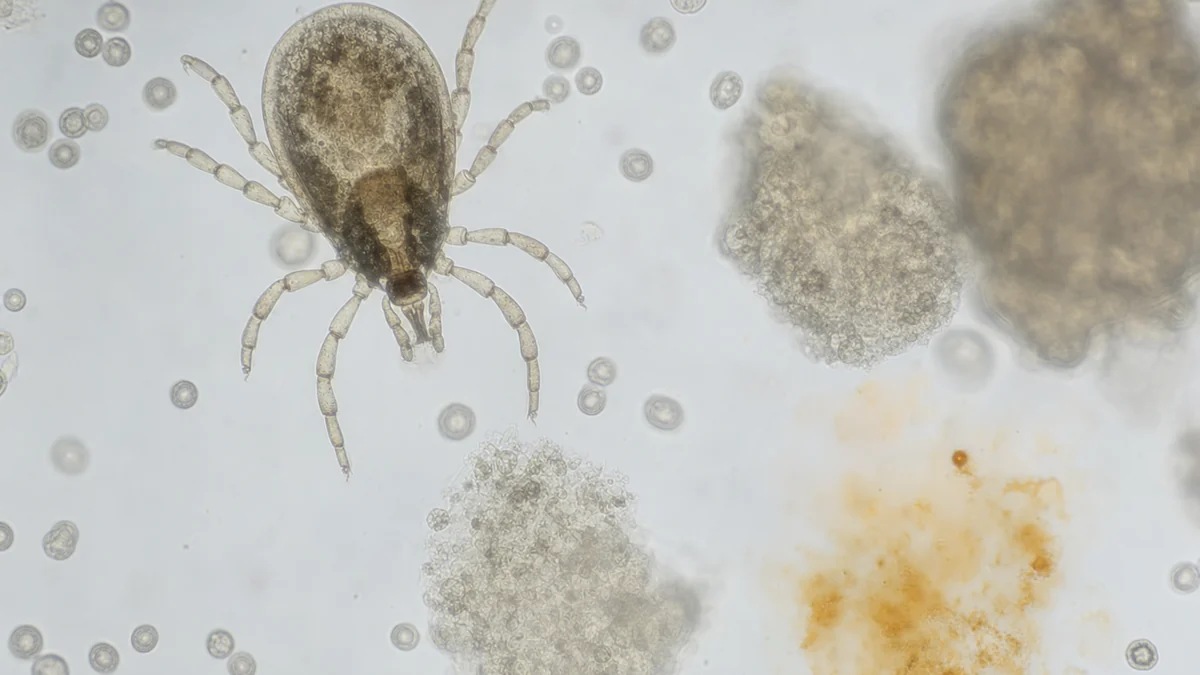
The Lone Star tick (Amblyomma americanum), primarily found in the southeastern and south-central United States, disrupts this tolerance. During feeding, the tick injects alpha-gal-containing salivary proteins directly into dermal tissue alongside immunomodulatory compounds. This unusual route of antigen presentation — subcutaneous rather than oral — appears to drive a Th2 immune skew and the production of IgE antibodies specifically targeting alpha-gal.
Other tick species can also trigger AGS. Ixodes ricinus is the principal vector in Europe, while Ixodes holocyclus is implicated in Australia. This explains why AGS is not exclusively a North American phenomenon, even though recognition began there following observations by researchers studying cetuximab hypersensitivity reactions (more on that below).
The Delayed Reaction Window
Classic IgE-mediated food allergies — to peanuts, shellfish, tree nuts — trigger mast cell and basophil degranulation within minutes of exposure. Alpha-gal is different because it is a carbohydrate, not a protein, and must first be digested and absorbed into the bloodstream before it encounters circulating IgE. Fat co-ingestion (which accompanies red meat) slows absorption further. The net result is a characteristic 3–6 hour delay: the patient ate dinner at 7 p.m. and woke at midnight with urticaria, angioedema, GI cramping, or anaphylaxis.
This delay is the single most diagnostically misleading feature of AGS. Without an awareness of this 3–6 hour window, the meat meal three hours earlier is rarely mentioned during the emergency room visit.
Who Is at Risk and Where
Risk scales directly with tick exposure. Occupational groups — hunters, foresters, landscapers, military personnel — have the highest exposure burden. Camping, hiking, and yard work in tick-endemic regions carry incremental risk.
Geography largely follows the Lone Star tick’s range: southeastern states (Virginia, Georgia, the Carolinas, Tennessee, Texas), with steady northward and westward expansion documented since 2000. Climate change models project continued range expansion through the next two decades.
Key risk factors I screen for in new patients with unexplained allergic symptoms:
- History of tick bites (acknowledged or unrecognized — many patients never notice the bite)
- Rural residence or frequent outdoor activity in endemic regions
- Prior Lyme disease or other tick-borne co-infections (these patients were bitten repeatedly)
- Unexplained GI symptoms after fatty meals, particularly at night
- Anaphylaxis of unknown cause, particularly in adults (new-onset adult anaphylaxis is a red flag for AGS)
- Reactions to cetuximab, certain vaccines (rabies vaccine contains gelatin), or perioperative anaphylaxis
Clinical Presentation: What It Looks Like
Allergic Reactions
The hallmark reaction ranges from mild urticaria and pruritus to life-threatening anaphylaxis. The spectrum includes:
- Urticaria and angioedema — most common presentation; often misattributed to stress, contact allergy, or idiopathic urticaria
- GI symptoms — cramping, nausea, vomiting, diarrhea; can mimic irritable bowel syndrome when chronic and low-grade
- Anaphylaxis — hypotension, bronchospasm, loss of consciousness; approximately 20% of AGS patients have a severe reaction
- Cardiovascular — isolated angioedema or hypotension without urticaria, which delays allergy recognition
Critically, not every meal triggers a reaction every time. Co-factors modulate severity, including:
- Fat content — higher fat accelerates alpha-gal absorption and worsens reactions
- Alcohol — lowers reaction threshold markedly
- Exercise within 4–6 hours of eating — well documented to amplify reactions
- NSAIDs and aspirin — augment mast cell degranulation
- Infection or illness — immune activation lowers threshold
This variability — “I ate steak last month and was fine, but last night it nearly killed me” — is characteristic and often leads patients and physicians to dismiss the pattern.
Non-Classic Presentations
A growing literature documents AGS as a contributor to:
- Chronic urticaria — repeated low-grade exposures from gelatin-containing products, processed meats, or dairy in sensitive patients
- MCAS-like syndromes — mast cell activation patterns without a clear allergen identified, sometimes ultimately traced to alpha-gal
- Alpha-gal in medications — cetuximab (used in colorectal and head/neck cancer) has an alpha-gal moiety; patients with pre-existing AGS IgE developed anaphylaxis during infusion. This observation in 2008 led researchers to discover the tick-bite mechanism
- Vaccine reactions — gelatin-stabilized vaccines (MMR, influenza, rabies) can trigger reactions in highly sensitized patients
Diagnosis: Making the Connection
The Serum Alpha-Gal IgE Test
Diagnosis is confirmed by measuring serum specific IgE to alpha-gal (available as ImmunoCAP #f245, Thermo Fisher/Phadia). This is not a standard allergy panel — you must order it explicitly.
Interpretation guidance:
| Alpha-Gal IgE Level | Clinical Correlation |
|---|---|
| < 0.1 kUA/L | Negative — AGS unlikely |
| 0.1–0.35 kUA/L | Equivocal — consider with clinical picture |
| 0.35–2.0 kUA/L | Low-positive — symptoms often mild or intermittent |
| 2.0–15 kUA/L | Moderate — significant reactivity, avoidance warranted |
| > 15 kUA/L | High — high anaphylaxis risk; strict avoidance and auto-injector essential |
IgE levels tend to correlate with reaction severity but not perfectly — some patients with moderate IgE levels have had anaphylaxis. Use clinical history alongside the number.
Differential Diagnosis
Conditions that mimic AGS and should be systematically excluded:
- Idiopathic urticaria — by far the most common misdiagnosis
- Mast cell activation syndrome (MCAS) — overlapping clinical picture; these can co-exist
- Food protein-induced enterocolitis — typically in children, no IgE elevation
- Exercise-induced anaphylaxis (without food trigger)
- Other food allergies — pork-cat syndrome (serum albumin cross-reactivity) can mimic AGS
- GI motility disorders — for patients presenting primarily with GI symptoms post-meal
Skin Testing
Skin prick testing with commercially available mammalian meat extracts has limited sensitivity for carbohydrate allergens. Serum IgE is the preferred and more reliable test. Some centers perform intradermal testing, but standardization is inconsistent across institutions.
Management: Living With Alpha-Gal Syndrome
Dietary Avoidance
The cornerstone of management is avoidance of mammalian-derived foods:
Avoid:
- All red meats: beef, pork, lamb, venison, bison, rabbit
- Organ meats (kidney, liver) — highest alpha-gal content per gram
- Mammalian-derived dairy products (in severely sensitized patients)
- Gelatin-containing foods (jello, gummy candy, marshmallows, some ice cream, medication capsules)
- Bone broth, lard, tallow, suet
Generally tolerated:
- Poultry (chicken, turkey, duck) — birds do not express alpha-gal
- Fish and seafood
- Plant-based proteins
- Eggs
Dairy tolerance is highly variable. Milk and cheese contain alpha-gal but at lower concentrations than meat. Many patients with moderate IgE tolerate dairy without overt reactions; severely sensitized patients cannot.
Medication and Medical Procedure Precautions
This is an underappreciated dimension of AGS management:
- Gelatin-stabilized vaccines — discuss risk-benefit with an allergist; antihistamine pretreatment or allergen immunotherapy desensitization may be needed
- Perioperative risk — inform surgical and anesthesia teams; many hemostatic agents (Gelfoam, Surgifoam) and colloid plasma expanders (gelatin-based) carry alpha-gal
- Cetuximab — contraindicated or requires desensitization protocol in patients with elevated alpha-gal IgE
- Encapsulated medications — most pharmaceutical gelatin capsules use porcine or bovine gelatin; in highly sensitized patients, seek liquid or tablet formulations
Cofactor Management
Patients should be counseled to avoid cofactors for 6 hours after any mammalian-derived food exposure (even accidental):
- No alcohol
- No vigorous exercise
- Caution with NSAIDs
- Treat any concurrent infections promptly
Emergency Preparedness
All patients with confirmed AGS and any history of moderate-to-severe reactions should carry a minimum of two epinephrine auto-injectors. The delayed onset means reactions can begin hours after leaving a restaurant — educate patients and family members on recognition and administration.
Tick Prevention: The Primary Prevention Strategy
Since re-exposure to tick bites can boost alpha-gal IgE titers and worsen the condition, tick prevention is not optional but therapeutic:
- DEET ≥20% or picaridin-based repellents on skin
- Permethrin-treated clothing for outdoor activities
- Prompt tick removal (within 36 hours reduces Lyme risk; AGS sensitization timing is less defined but avoidance is prudent)
- Regular tick checks after outdoor exposure
- Protective clothing (long sleeves, pants tucked into socks) in endemic areas
If tick exposure is avoided over years, alpha-gal IgE titers often decline and some patients regain tolerance to mammalian meat — making tick prevention a genuine long-term disease-modifying strategy, not just risk reduction.
Alpha-Gal Syndrome in the Context of Lyme Co-Infection
In clinical practice, I see a meaningful overlap between patients with Lyme disease and AGS. Both are transmitted by tick bites, both are underdiagnosed, and both disproportionately affect patients in rural or high-exposure environments. A patient presenting with Lyme disease or suspected tick-borne illness should prompt a screening question about unexplained GI symptoms or allergic reactions after red meat meals.
For the sub-population with both conditions, the immunological burden is compounded: active Borrelia burgdorferi infection creates chronic immune activation that can heighten alpha-gal IgE-mediated reactivity. Treating the underlying Lyme infection — and reducing that background inflammatory tone — often improves AGS symptom burden, even before dietary changes take full effect.
This synergy is one reason AGS now appears prominently in integrative Lyme disease treatment programs, alongside recognition of other tick-borne co-infections such as Babesia, Bartonella, and Ehrlichia.
Related Articles
- Lyme Disease: The Integrative Approach to Diagnosis and Treatment
- Co-Infections: Babesia, Bartonella, and Ehrlichia
- Herxheimer Reactions: What They Are and How to Manage Them
- Mast Cell Activation Syndrome (MCAS)
- Diagnostics: Understanding Immune Testing
References
- Commins SP, Satinover SM, Hosen J, et al. Delayed anaphylaxis, angioedema, or urticaria after consumption of red meat in patients with IgE antibodies specific for galactose-alpha-1,3-galactose. J Allergy Clin Immunol. 2009;123(2):426-433. PMID: 19100651
- Steinke JW, Platts-Mills TA, Commins SP. The alpha-gal story: lessons learned from connecting the dots. J Allergy Clin Immunol. 2015;135(3):589-597. PMID: 25747720
- Mabelane T, Basera W, Botha M, et al. Predictive values of alpha-gal IgE levels and alpha-gal IgE:total IgE ratio and tick exposure history in diagnosis of alpha-gal allergy. Pediatr Allergy Immunol. 2018;29(8):841-849. PMID: 30062793
- Van Nunen SA. Tick-induced allergies: mammalian meat allergy, tick anaphylaxis and their significance. Asia Pac Allergy. 2015;5(1):3-16. PMID: 25729720
- Platts-Mills TA, Commins SP, Biedermann T, et al. On the cause and consequences of IgE to galactose-alpha-1,3-galactose: a report from the National Institute of Allergy and Infectious Disease Workshop on Understanding IgE-mediated mammalian meat allergy. J Allergy Clin Immunol. 2020;145(4):1061-1071. PMID: 32035590
- Swiontek K, Morisset M, Baraka A, et al. Alpha-gal syndrome in Europe: a systematic review. Allergy. 2022;77(11):3220-3232. PMID: 35778951
- Centers for Disease Control and Prevention. Alpha-gal syndrome: a tick-bite triggered meat allergy. CDC Health Advisory. 2023. Available at: https://www.cdc.gov/ticks/alpha-gal