At a Glance
| Property | Detail |
|---|---|
| Evidence Level | Strong for adjunctive use with radiation/chemo (multiple randomized trials); Moderate for whole-body hyperthermia as immunotherapy |
| Types | Local, regional, whole-body |
| Temperature Range | 39.5-43°C depending on type and indication |
| Best Evidence | Cervical cancer + radiation, soft tissue sarcoma + chemo, bladder cancer + chemo |
| Mechanism | Direct cytotoxicity, radiosensitization, chemosensitization, immune activation |
| Session Duration | 60-120 minutes (local/regional); 2-6 hours (whole-body) |
| Treatment Frequency | 1-2 sessions per week (local); spaced over weeks (whole-body) |
| FDA Status | FDA-approved devices for hyperthermia as adjunctive cancer treatment |
| Insurance | Covered in Germany (standard oncology); varies internationally |
Patients come to me with two very different perspectives on hyperthermia for cancer. Some have never heard of it and ask why their oncologist never mentioned it. Others have been told online that hyperthermia can cure cancer naturally, without surgery or chemotherapy. Both perspectives miss the mark.
Hyperthermia is not obscure — it has been studied in randomized clinical trials, it is recognized by organizations including the National Comprehensive Cancer Network (NCCN), and it is covered by statutory health insurance in Germany. Nor is it a miracle cure — it is an adjunctive therapy that improves outcomes when combined with conventional treatment. Here is what the evidence actually supports, based on 30 years of institutional experience at Klinik St. Georg.
How Hyperthermia Damages Cancer Cells
Cancer cells are more vulnerable to heat than normal cells. This differential sensitivity is the biological foundation of hyperthermia treatment, and it operates through several interconnected mechanisms.
Direct Cytotoxicity
At temperatures above 41°C, proteins begin to denature. Cancer cells are less efficient at managing heat stress than normal cells for several reasons:
- Disorganized vasculature. Tumor blood vessels are structurally abnormal — chaotic, leaky, and poorly regulated. When heated, normal tissue vasodilates and increases blood flow to dissipate heat. Tumors cannot do this effectively, leading to heat accumulation within the tumor microenvironment [1].
- Impaired DNA repair. Heat damages the DNA repair machinery, particularly the homologous recombination and nucleotide excision repair pathways. Cancer cells that are already deficient in DNA repair are disproportionately affected.
- Protein denaturation. Heat shock disrupts protein folding and function. While normal cells mount an effective heat shock protein (HSP) response, the chaotic intracellular environment of many cancers limits this protective mechanism.
Radiosensitization
This is where the strongest clinical evidence exists. Hyperthermia makes radiation therapy more effective through multiple mechanisms:
- Hypoxic cell killing. Radiation is less effective against hypoxic (oxygen-poor) cells — and the center of many tumors is chronically hypoxic. Hyperthermia directly kills hypoxic cells, addressing radiation’s principal limitation [2].
- Inhibition of DNA repair. Radiation damages DNA. If the cell repairs the damage before dividing, it survives. Hyperthermia inhibits this repair, converting sublethal radiation damage into lethal damage.
- Cell cycle sensitization. Cells in S-phase (DNA synthesis) are relatively resistant to radiation but sensitive to heat. Hyperthermia and radiation therefore target complementary cell cycle phases.
Multiple randomized trials have demonstrated that adding hyperthermia to radiation improves local tumor control and, in some cancers, overall survival.
Chemosensitization
Heat increases the effectiveness of several chemotherapy drugs through:
- Increased drug uptake. Elevated temperature increases cell membrane permeability, allowing more drug to enter cancer cells.
- Enhanced drug activation. Some drugs (notably platinum-based agents like cisplatin and alkylating agents) have increased cytotoxicity at elevated temperatures.
- Increased blood flow. Moderate heating increases blood flow to the tumor periphery, improving drug delivery to areas that are normally poorly perfused.
Immune Activation
This mechanism is particularly relevant to whole-body hyperthermia. Controlled elevation of core body temperature triggers:
- Heat shock protein release. HSPs released from heat-stressed tumor cells act as danger signals, activating dendritic cells and presenting tumor antigens to the immune system [3].
- NK cell activation. Natural killer cell cytotoxicity increases at febrile temperatures.
- Interleukin cascades. IL-1, IL-6, and TNF-alpha are elevated, creating a pro-inflammatory immune environment directed against the tumor.
- Lymphocyte trafficking. Elevated temperature increases lymphocyte migration to tissues, including tumor sites.
Types of Hyperthermia
Local Hyperthermia (40-43°C)
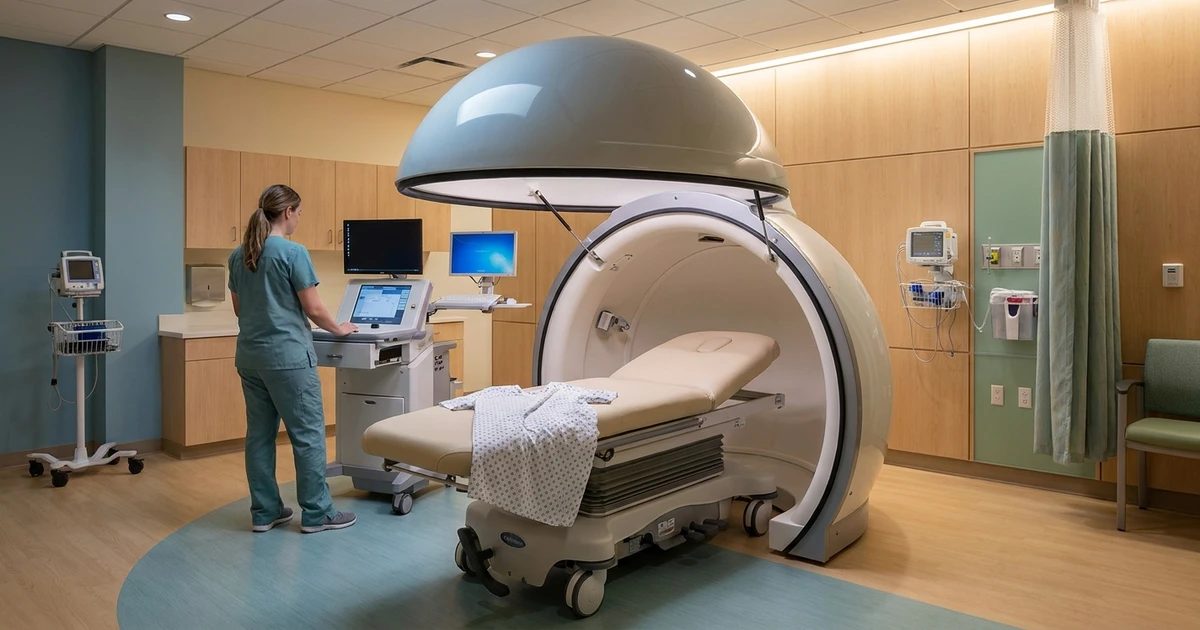
Heat is applied directly to a defined tumor area using microwave, radiofrequency, or ultrasound energy. The heated zone is limited to the tumor and a small margin of surrounding tissue.
Best evidence for:
- Superficial tumors (breast chest wall recurrence, melanoma, head and neck cancers)
- Deep-seated tumors accessible to focused energy delivery (pelvic tumors, liver metastases)
Advantages: Precise targeting, well-tolerated, can be combined with same-day radiation.
Limitations: Not effective for diffuse or multifocal disease; requires specialized equipment and expertise.
Regional Hyperthermia (40-43°C)
A larger anatomical region is heated — for example, the entire pelvis or abdomen. Regional hyperthermia includes techniques like hyperthermic intraperitoneal chemotherapy (HIPEC), where heated chemotherapy is circulated directly in the abdominal cavity during surgery.
Best evidence for:
- Cervical cancer combined with radiation (Level I evidence from multiple RCTs)
- Soft tissue sarcoma combined with chemotherapy (EORTC trial demonstrated significant improvement)
- Bladder cancer combined with chemotherapy
- Peritoneal carcinomatosis (HIPEC)
The cervical cancer evidence is particularly strong. A landmark Dutch randomized trial by van der Zee et al. demonstrated that adding hyperthermia to radiation in locally advanced cervical cancer improved 3-year overall survival from 27 percent to 51 percent — a clinically significant result [4].
Whole-Body Hyperthermia (39.5-41.8°C)
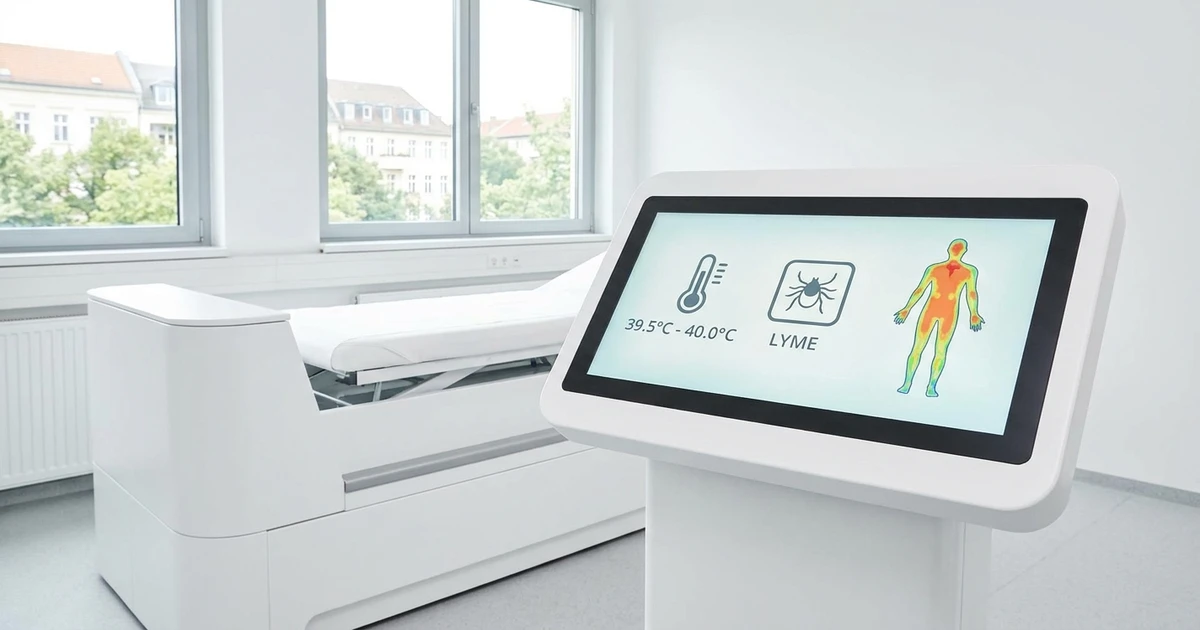
This is our signature treatment at Klinik St. Georg. The entire body is heated using water-filtered infrared-A radiation (Heckel HT3000 system), raising core temperature to a controlled target.
We use two temperature ranges for different purposes:
Moderate whole-body hyperthermia (39.5-40.5°C): Primarily for immune activation. The body reaches a controlled fever state, triggering heat shock protein cascades, cytokine release, and enhanced immune surveillance. This approach is repeated over multiple sessions (typically 4-6) and is used for immune system stimulation in patients with immune-responsive tumors.
Extreme whole-body hyperthermia (41.6-41.8°C): Used for direct pathogen eradication in infection (particularly chronic Lyme disease) and for intensive immune stimulation in oncology. Requires sedation and careful monitoring. We have extensive institutional experience with this approach, and our hyperthermia Lyme protocol uses two sessions at this temperature range.
The Clinical Evidence: What Has Been Proven
Level I Evidence (Randomized Controlled Trials)
| Cancer Type | Combination | Key Finding | Reference |
|---|---|---|---|
| Cervical cancer | Hyperthermia + radiation | 3-year OS: 51% vs 27% (radiation alone) | van der Zee et al., Lancet 2000 [4] |
| Cervical cancer (meta-analysis) | Hyperthermia + radiation | Significant improvement in local control and survival | Datta et al., 2016 [5] |
| Soft tissue sarcoma | Hyperthermia + chemo (EIA regimen) | Local progression-free survival improved significantly | Issels et al., Lancet Oncol 2010 |
| Bladder cancer | Hyperthermia + chemo (MMC) | Complete response rate: 59% vs 42% | Colombo et al., 2011 |
| Head and neck cancer | Hyperthermia + radiation | Improved local control | Various trials, meta-analysis confirms benefit |
| Breast cancer (chest wall recurrence) | Hyperthermia + radiation | Complete response: 59% vs 41% | Vernon et al., 1996 |
Level II-III Evidence (Phase II, Retrospective, Observational)
- Pancreatic cancer: Regional hyperthermia with gemcitabine shows improved response rates in Phase II studies
- Melanoma: Isolated limb perfusion with hyperthermia and melphalan has established efficacy for in-transit melanoma
- Ovarian cancer: HIPEC after cytoreductive surgery shows promising survival data
- Glioblastoma: Interstitial hyperthermia combined with brachytherapy has shown benefit in some studies
What the Evidence Does Not Support
I need to be equally clear about what hyperthermia has not been proven to do:
- Replace standard cancer treatment. Hyperthermia is adjunctive. No randomized trial supports hyperthermia as standalone cancer therapy replacing surgery, radiation, or chemotherapy.
- Cure advanced metastatic cancer. Hyperthermia can improve outcomes and quality of life, but it is not a cure for widespread metastatic disease.
- Work for all cancer types equally. The evidence varies substantially by cancer type, stage, and combination therapy.
What a Treatment Session Looks Like
Because patients understandably want to know what they are agreeing to, here is what a whole-body hyperthermia session involves at our clinic.
Before the Session
- Pre-treatment assessment: vital signs, hydration status, medication review
- IV access established for fluids and monitoring
- For extreme WBH (>41°C): anesthesia consultation, sedation preparation
During the Session
- The patient lies on the Heckel HT3000 treatment bed
- Water-filtered infrared-A radiation gradually raises core body temperature
- Temperature is monitored continuously via rectal or esophageal probe
- Heart rate, blood pressure, and oxygen saturation are monitored throughout
- Target temperature is reached over 60-90 minutes and maintained for 60-120 minutes
- For moderate WBH: patients are conscious and can communicate throughout
- For extreme WBH: patients are sedated for comfort and safety
After the Session
- Gradual cool-down over 60-90 minutes
- Continued monitoring until vital signs are stable
- IV fluid support for rehydration
- Most patients rest for 2-4 hours post-treatment
- Fatigue is common for 24-48 hours after the session
- Patients can typically resume light activity the following day
Side Effects and Risks
| Side Effect | Frequency | Duration |
|---|---|---|
| Fatigue | Very common | 24-48 hours |
| Mild nausea | Common | Hours |
| Headache | Common | Hours to 1 day |
| Skin redness (local/regional) | Common | Hours |
| Dehydration | Preventable | With proper IV fluids |
| Cardiac stress | Rare (with proper screening) | During session |
| Burns (local hyperthermia) | Rare | Days to weeks if occurs |
Serious adverse events are rare when hyperthermia is performed by experienced teams with proper monitoring. The key contraindications include severe cardiac disease, unstable angina, recent myocardial infarction, and uncontrolled seizure disorders.
Why Hyperthermia Is Underused
If the evidence is this strong — and for some indications it clearly is — why do most oncologists not recommend hyperthermia?
Equipment and expertise. Clinical-grade hyperthermia requires specialized equipment and trained staff. Few oncology centers in the US have invested in this infrastructure. In Germany, hyperthermia is more widely available and integrated into oncological practice.
Training gaps. Most oncology training programs do not include hyperthermia in the curriculum. Physicians cannot recommend what they have not been trained to deliver.
Reimbursement. In the US, insurance coverage for hyperthermia is inconsistent despite FDA-approved devices and published evidence. In Germany, statutory health insurance covers hyperthermia as part of standard oncological care.
Research funding. Hyperthermia does not have a pharmaceutical company behind it. There is no patentable molecule driving investment. The research has been primarily investigator-initiated and institutionally funded.
Cultural factors. Oncology has a strong tradition of surgery, radiation, and chemotherapy. Adding a fourth modality requires changing practice patterns, which happens slowly in medicine.
Our Experience at Klinik St. Georg
Klinik St. Georg has over 30 years of institutional experience with whole-body hyperthermia. Our approach integrates hyperthermia into comprehensive treatment protocols rather than offering it as an isolated modality.
For oncology patients, hyperthermia is part of a treatment plan that may include:
- Conventional oncological therapy (surgery, radiation, chemotherapy as indicated)
- Whole-body hyperthermia for immune activation
- Local/regional hyperthermia for specific tumor targeting
- H.E.L.P. Apheresis for reducing inflammatory mediators and improving circulation
- IV laser therapy for photobiomodulation and immune support
- Nutritional and metabolic optimization
The integration is what matters. Hyperthermia is a powerful adjunct, but it works best as part of a coordinated treatment strategy — not as a standalone intervention.
The Bottom Line
Hyperthermia treatment for cancer is supported by Level I evidence for specific indications — particularly when combined with radiation (cervical cancer, head and neck) or chemotherapy (soft tissue sarcoma, bladder cancer). The mechanisms are well understood: direct cytotoxicity, radiosensitization, chemosensitization, and immune activation. Whole-body hyperthermia adds immunological stimulation to the treatment paradigm.
It is not a cancer cure. It is not a replacement for conventional treatment. It is an evidence-based adjunctive therapy that improves outcomes in defined clinical contexts. The gap between the evidence and its clinical utilization is primarily one of infrastructure, training, and reimbursement — not of science.
If you are a cancer patient considering hyperthermia, discuss it with your oncology team. Seek centers with documented experience and proper equipment. And maintain calibrated expectations: hyperthermia is a real, evidence-based therapeutic tool — not a miracle, but not marginal either.
References
- Hildebrandt B, et al. The cellular and molecular basis of hyperthermia. Critical Reviews in Oncology/Hematology. 2002;43(1):33-56. doi:10.1016/S1040-8428(01)00179-2.
- Horsman MR, Overgaard J. Hyperthermia: a potent enhancer of radiotherapy. Clinical Oncology. 2007;19(6):418-426. doi:10.1016/j.clon.2007.03.015.
- Toraya-Brown S, Bhowmick S, et al. Local hyperthermia treatment of tumors induces CD8+ T cell-mediated resistance against distal and secondary tumors. Nanomedicine. 2014;10(6):1273-1285. doi:10.1016/j.nano.2014.01.011.
- van der Zee J, et al. Comparison of radiotherapy alone with radiotherapy plus hyperthermia in locally advanced pelvic tumours: a prospective, randomised, multicentre trial. The Lancet. 2000;355(9210):1119-1125. doi:10.1016/S0140-6736(00)02059-6.
- Datta NR, et al. Local hyperthermia combined with radiotherapy and/or chemotherapy: recent advances and promises for the future. Cancer Treatment Reviews. 2015;41(9):742-753. doi:10.1016/j.ctrv.2015.05.009.
- Issels RD, et al. Neo-adjuvant chemotherapy alone or with regional hyperthermia for localised high-risk soft-tissue sarcoma: a randomised phase 3 multicentre study. The Lancet Oncology. 2010;11(6):561-570. doi:10.1016/S1470-2045(10)70071-1.
- Wust P, et al. Hyperthermia in combined treatment of cancer. The Lancet Oncology. 2002;3(8):487-497. doi:10.1016/S1470-2045(02)00818-5.
This content is educational and does not constitute medical advice. Cancer treatment decisions should be made in consultation with a qualified oncology team. Hyperthermia should only be administered at centers with proper equipment, trained staff, and documented experience.