At a Glance
| Feature | Conventional Approach | Functional Medicine Approach |
|---|---|---|
| Primary goal | Replace T4 with levothyroxine | Reduce autoimmune attack + optimize thyroid function |
| Testing focus | TSH only | TSH, Free T3/T4, TPO-Ab, TG-Ab, reverse T3, micronutrients |
| Trigger investigation | Rarely performed | Gut permeability, food antigens, infections, toxins |
| Dietary intervention | Not standard | Gluten/dairy elimination, anti-inflammatory diet |
| Key nutrients targeted | Not assessed | Selenium, iodine, vitamin D, zinc, magnesium |
| Typical outcome | Symptom partial control | Antibody reduction, improved energy and mood |
Hashimoto’s thyroiditis is the most prevalent autoimmune disease in the industrialized world, affecting an estimated 1–2% of the global population and accounting for the majority of hypothyroidism cases in iodine-sufficient regions. Despite its prevalence, patients are routinely told their condition is “just a thyroid problem” and offered levothyroxine as the sole intervention — often without ever having their thyroid antibodies measured more than once.
For patients with persistent fatigue and brain fog despite euthyroid TSH, low dose naltrexone (LDN) for Hashimoto’s has shown promise in reducing TPO antibody titers and improving quality of life through immune modulation.
In clinical practice, this approach leaves a substantial burden of disease unaddressed. Patients on optimized thyroid replacement still report fatigue, brain fog, weight resistance, anxiety, and joint pain. The reason is straightforward: Hashimoto’s is primarily an immune disorder, not a thyroid disorder. The thyroid is the target, not the source. Addressing only the downstream hormone deficit while ignoring the upstream immune dysregulation is analogous to mopping the floor without fixing the leaking pipe.
This article outlines how a functional medicine framework approaches Hashimoto’s — from the diagnostic layers most physicians skip, to the evidence-based interventions that can meaningfully reduce TPO antibodies, relieve symptoms, and in some cases achieve sustained remission.
Understanding Hashimoto’s as an Immune Disorder
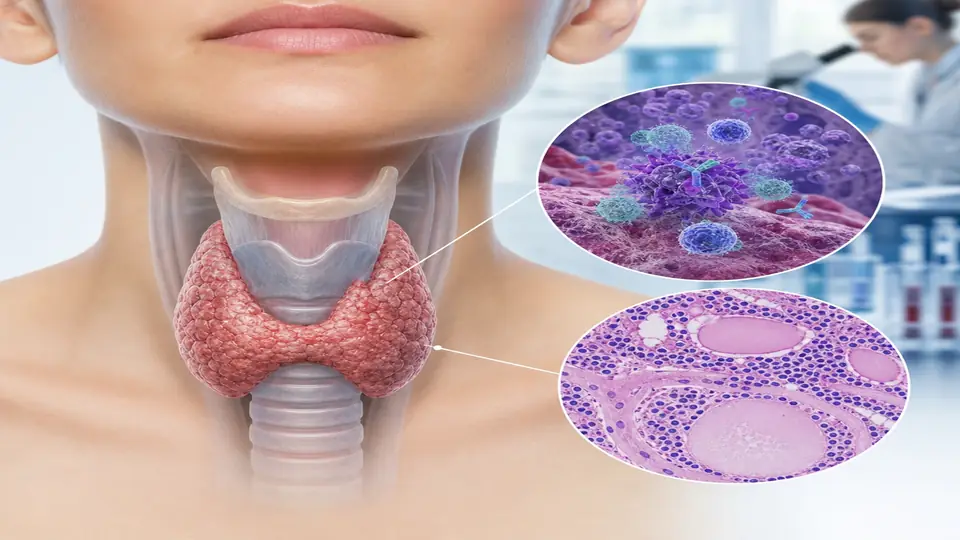
Hashimoto’s thyroiditis is characterized by lymphocytic infiltration of the thyroid gland, leading to progressive destruction of thyroid tissue and a rise in circulating antibodies — most notably anti-thyroid peroxidase (TPO-Ab) and anti-thyroglobulin (TG-Ab). Over years to decades, this inflammatory assault depletes thyroid reserve, resulting in clinical hypothyroidism.
The key insight that drives the functional medicine approach is that this immune attack does not arise in a vacuum. It is initiated and sustained by identifiable upstream triggers. Research has consistently implicated:
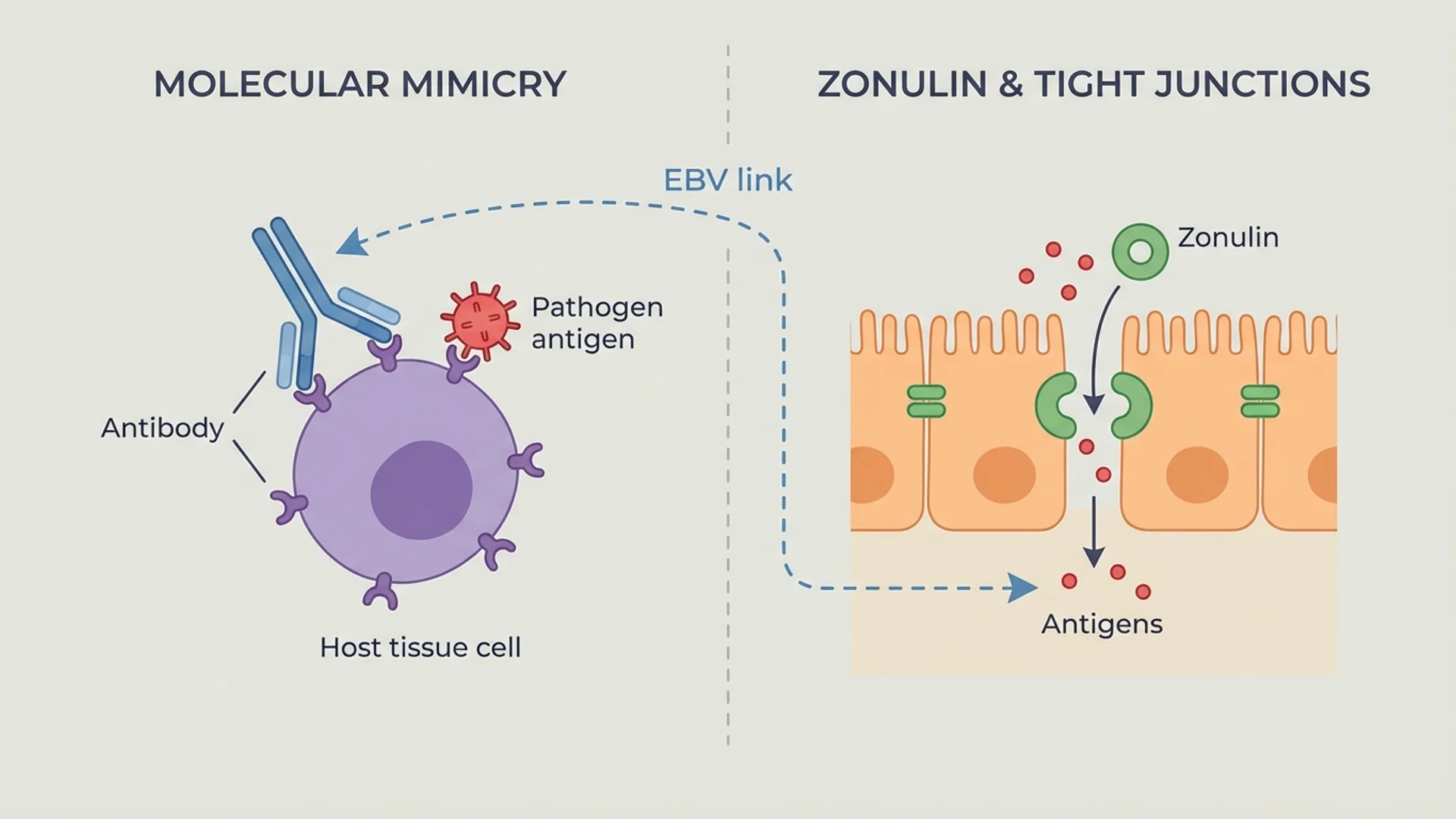
- Intestinal permeability (“leaky gut”) — compromised gut barrier allows luminal antigens to enter circulation, triggering immune activation and molecular mimicry against thyroid tissue
- Molecular mimicry — structural homology between Yersinia enterocolitica, Borrelia burgdorferi, and thyroid antigens has been documented; prior infections can prime autoimmune responses
- Gluten sensitization — gliadin fragments share epitope sequences with thyroid antigens; celiac disease co-occurs with Hashimoto’s at rates far above chance (∼10× higher)
- Nutrient insufficiencies — selenium, iodine, zinc, vitamin D, and magnesium all play mechanistic roles in regulating immune tolerance and thyroid hormone metabolism
- Viral reactivation — EBV, HHV-6, and CMV have been detected in Hashimoto’s thyroid tissue and may initiate or perpetuate autoimmunity
- Toxic burden — heavy metals (mercury, cadmium, lead) accumulate in thyroid tissue and have been linked to autoantibody elevation
The clinical implication: each of these triggers is modifiable. Identifying which ones are operative in an individual patient defines the treatment strategy.
The Functional Diagnostic Workup
Standard thyroid panels ordered in primary care typically include only TSH and sometimes a free T4. This is insufficient for managing Hashimoto’s. The expanded panel I use in clinical practice includes:
Thyroid Markers
- TSH — sensitive but late marker; can be normal for years while antibody burden rises
- Free T3 (fT3) — the metabolically active form; many patients with “normal” TSH have low fT3 and corresponding symptoms
- Free T4 (fT4) — substrate for peripheral T4-to-T3 conversion
- Reverse T3 (rT3) — elevated under chronic stress, active infection, or caloric restriction; blocks T3 receptor sites
- TPO antibodies — primary measure of autoimmune activity; trend over time is more useful than a single value
- Thyroglobulin antibodies (TG-Ab) — frequently elevated alongside TPO-Ab; a subset of patients have elevated TG-Ab with normal TPO-Ab
Immune and Inflammatory Markers
- hs-CRP and ESR — elevated in active inflammatory states
- IL-6, TNF-α — inflammatory cytokines that suppress T3 production peripherally
- Complete immune panel — NK cell function, CD4/CD8 ratio, regulatory T-cell (Treg) fraction when available
Gut and Nutritional Assessment
- Zonulin or LPS binding protein — markers of intestinal permeability
- Anti-gliadin IgA/IgG, tissue transglutaminase antibodies — rule out celiac or non-celiac gluten sensitivity
- Comprehensive microbiome testing (GI-MAP or similar) — dysbiosis patterns correlate with autoimmune severity
- 25-OH Vitamin D — target: 60–80 ng/mL; many Hashimoto’s patients are severely deficient
- Serum selenium — the thyroid has the highest selenium concentration per gram of any organ
- Red blood cell magnesium — serum magnesium is unreliable; RBC magnesium reflects intracellular status
- Zinc and copper — zinc deficiency impairs immune regulation; copper excess relative to zinc drives inflammation
- Ferritin and iron panel — iron deficiency impairs thyroid peroxidase enzyme function
Infection Screening
- EBV serology (VCA IgG/IgM, EBNA, EA) — to identify reactivation states
- HHV-6 IgG — elevated in chronic fatigue + autoimmunity overlaps
- Lyme disease and co-infections — relevant when Hashimoto’s co-occurs with chronic fatigue, joint pain, or neurological symptoms
The Five Root-Cause Targets
1. Restore Gut Barrier Integrity
The gut is the primary site of immune education. When the gut barrier is compromised, bacterial lipopolysaccharide (LPS), undigested food proteins, and microbial antigens translocate into the portal circulation, creating a state of chronic low-grade immune activation. In predisposed individuals, this sustained activation eventually breaks immune tolerance to self-antigens, including thyroid tissue.
Clinically, gut barrier restoration involves:
- Removing inflammatory dietary inputs (gluten, dairy in sensitized patients, processed foods, alcohol)
- Addressing dysbiosis with targeted probiotics and, where indicated, antimicrobial botanicals
- Repairing the epithelial lining using butyrate, L-glutamine (5–10 g/day), zinc carnosine, and akkermansia supplementation
- Reducing LPS burden through diet and targeted interventions
A 2017 study in Thyroid found that strict gluten elimination in TPO-Ab positive patients with no confirmed celiac disease significantly reduced antibody titers over 6 months — a finding I have replicated consistently in clinic.
2. Correct Selenium and Iodine Balance
Selenium is arguably the single most evidence-backed micronutrient for Hashimoto’s management. The thyroid contains more selenium per gram than any other organ; selenoprotein P and glutathione peroxidase are essential for quenching the hydrogen peroxide generated during thyroid hormone synthesis. When selenium is insufficient, oxidative stress within thyrocytes amplifies the inflammatory damage initiated by the immune attack.
Multiple randomized controlled trials — including the landmark CATALYST trial — have demonstrated that selenomethionine supplementation at 200 mcg/day significantly reduces TPO antibody titers over 6–12 months, improves quality of life scores, and may reduce the progression rate to overt hypothyroidism.
Iodine requires more nuance. Iodine deficiency causes hypothyroidism; however, excess iodine can paradoxically trigger or worsen autoimmune thyroid disease in genetically susceptible individuals via oxidative stress and thyroglobulin antigenicity. In Hashimoto’s patients, I avoid high-dose iodine supplementation and typically hold iodine-containing supplements until selenium status is optimized.
3. Optimize Vitamin D and Immune Regulation
Vitamin D functions as a potent immune modulator, directly influencing the differentiation of regulatory T-cells (Tregs) that suppress autoreactive immune responses. Epidemiological studies consistently show that Hashimoto’s patients have lower serum 25-OH vitamin D levels than healthy controls, and that lower vitamin D correlates with higher antibody titers.
The therapeutic target in autoimmune disease is 60–80 ng/mL (150–200 nmol/L) — significantly higher than the deficiency cutoff used in conventional medicine. At these levels, Treg activity is supported, and the ratio of Th1 to Th2 immune responses shifts in a direction associated with reduced autoimmune severity. Vitamin K2 (MK-7 form, 100–200 mcg/day) is co-prescribed to ensure calcium from vitamin D is directed to bone rather than soft tissue.
4. Address Viral Reactivation
EBV has been implicated in the pathogenesis of multiple autoimmune diseases, including Hashimoto’s. EBV DNA has been detected within thyroid tissue in Hashimoto’s patients, and EBV proteins share molecular mimicry with thyroid antigens. A 2022 study in Thyroid found significantly elevated EBV EBNA1 antibodies in Hashimoto’s patients compared to controls.
When viral reactivation is suspected — characterized by elevated EBV VCA IgG with EA or atypical antibody patterns, persistent fatigue, and lymphopenia — the approach includes:
- Thymosin alpha-1 (1.6 mg subcutaneous, 2×/week) to restore immune surveillance
- High-dose monolaurin as antiviral botanical support
- IV vitamin C (25–50 g) for immune modulation and antiviral effect
- Targeted NK cell activity assessment and support
5. Reduce Toxic Burden
Heavy metals, particularly mercury, have a documented affinity for thyroid tissue and can induce molecular mimicry by modifying thyroid proteins, rendering them antigenic. Mercury exposure from dental amalgams, fish consumption, and environmental sources has been associated with elevated thyroid antibody titers in observational studies.
For patients with suspected toxic burden, I use:
- Hair, urine, and blood heavy metal panels as baseline
- Provocation challenge testing with DMSA or DMPS when indicated
- N-acetylcysteine (NAC) for glutathione upregulation
- Oral or IV chelation following documented elevation, with appropriate mineral co-supplementation
Dietary Framework
The foundational dietary approach for Hashimoto’s in my practice is a 90-day autoimmune protocol with individualization based on testing:
Phase 1 — Elimination (30–90 days)
- Remove gluten, dairy, soy, eggs, nightshades, alcohol, and refined sugars
- Increase anti-inflammatory foods: wild-caught fatty fish, colorful vegetables, olive oil, bone broth
- Focus on micronutrient density over caloric restriction
Phase 2 — Reintroduction
- Systematically reintroduce eliminated foods every 4–5 days with symptom tracking
- Many patients find gluten is a permanent trigger; dairy and eggs often tolerated after gut healing
Thyroid-supportive foods: brazil nuts (selenium), pumpkin seeds (zinc), leafy greens (magnesium), sardines (vitamin D + omega-3)
Foods to minimize indefinitely: raw goitrogens in large quantities (kale, broccoli, cauliflower) in patients with established hypothyroidism; highly processed soy products; iodine-fortified salt in excess
When Levothyroxine Is Still Needed
A functional medicine approach does not mean avoiding thyroid hormone replacement. When TSH is persistently elevated above 3.0 mIU/L (using functional ranges) with symptoms, or when TSH exceeds 5.0 mIU/L in any symptomatic patient, I prescribe thyroid hormone. The choice matters:
T4 monotherapy (levothyroxine) is appropriate when peripheral T4-to-T3 conversion is intact, which requires adequate selenium, iron, and cortisol. Many patients on T4 monotherapy have suboptimal fT3 despite normalized TSH — a scenario often misattributed to the disease itself.
Combination T4/T3 therapy or desiccated thyroid extract (DTE) is worth considering when patients remain symptomatic on T4 alone with low-normal fT3. Multiple RCTs have shown patient preference for combination therapy; the physiological rationale for including T3 is strong.
Thyroid replacement is a bridge, not a cure. Its dose requirements often decrease as root causes are addressed — a clinical observation that reflects genuine immune down-regulation, not regression to the mean.
Monitoring and Endpoints
Antibody titers respond slowly to intervention. I set the expectation that meaningful reduction typically takes 6–12 months of consistent protocol adherence. Key monitoring intervals:
- 3 months: TPO-Ab, TG-Ab, 25-OH Vitamin D, selenium, symptom review
- 6 months: Full thyroid panel including rT3, repeat gut markers if indicated
- 12 months: Comprehensive panel + antibody trend assessment
Endpoints I track beyond antibody levels:
- Fatigue severity (using validated scales)
- Morning basal body temperature as surrogate for tissue thyroid effect
- HRV as measure of autonomic and inflammatory status
- Body composition (thyroid-dependent metabolic rate)
Related Articles
- Diagnostics: Thyroid Panel Interpretation — Understanding TSH, Free T3, Free T4, and reverse T3 in clinical context
- Selenium Supplement Guide — Evidence for selenium in thyroid autoimmunity and optimal dosing strategies
- Immunology: Understanding Autoimmunity — How immune tolerance breaks down and the pathways driving autoimmune disease
- Gut-Brain Axis and Healing — The bidirectional relationship between gut integrity and systemic immune regulation
- EBV Reactivation in Chronic Illness — How latent viral infection drives immune dysregulation and autoimmune progression
References
-
Liontiris MI, Mazokopakis EE. A concise review of Hashimoto thyroiditis (HT) and the importance of iodine, selenium, vitamin D and gluten on the autoimmunity and dietary management of HT patients. Hell J Nucl Med. 2017;20(1):51-56. PMID: 28315909
-
Winther KH, Wichman JE, Bonnema SJ, Hegedüs L. Insufficient documentation for clinical efficacy of selenium supplementation in chronic autoimmune thyroiditis, based on a systematic review and meta-analysis. Endocrine. 2017;55(2):376-385. PMID: 27726067
-
Ventura M, Melo M, Carrilho F. Selenium and Thyroid Disease: From Pathophysiology to Treatment. Int J Endocrinol. 2017;2017:1297658. PMID: 28255299
-
Sategna-Guidetti C, Volta U, Ciacci C, et al. Prevalence of thyroid disorders in untreated adult celiac disease patients and effect of gluten withdrawal: an Italian multicenter study. Am J Gastroenterol. 2001;96(3):751-757. PMID: 11280549
-
Wang J, Lv S, Chen G, et al. Meta-analysis of the association between vitamin D and autoimmune thyroid disease. Nutrients. 2015;7(4):2485-2498. PMID: 25830943
-
Draborg AH, Duus K, Houen G. Epstein-Barr virus in systemic autoimmune diseases. Clin Dev Immunol. 2013;2013:535738. PMID: 24062779
-
Bianco AC, Dumitrescu A, Gereben B, et al. Paradigms of Dynamic Control of Thyroid Hormone Signaling. Endocr Rev. 2019;40(4):1000-1047. PMID: 31033998
-
Wiersinga WM, Duntas L, Fadeyev V, Nygaard B, Vanderpump MP. 2012 ETA Guidelines: The Use of L-T4 + L-T3 in the Treatment of Hypothyroidism. Eur Thyroid J. 2012;1(1):55-71. PMID: 24782999