At a Glance
| Property | Detail |
|---|---|
| Concept | Epigenetic and metabolic reprogramming of innate immune cells for enhanced future responses |
| Cell types | Monocytes, macrophages, NK cells, possibly ILC2s, neutrophils |
| Key mechanism | Histone modifications (H3K4me3, H3K27ac) at gene promoters; metabolic shift to aerobic glycolysis |
| Inducers | Beta-1,3/1,6-glucans, BCG vaccine, MDP (muramyl dipeptide), Candida, oxidised LDL, β-glucan from oats |
| Duration | Weeks to months in circulating monocytes; potentially longer in bone marrow progenitors |
| Clinical relevance | Improved defence against secondary infections; nutraceutical immune support; risk of inflammaging |
| Flip side | Trained tolerance, maladaptive trained immunity in autoimmunity and atherosclerosis |
Why Innate Cells Were Thought to Lack Memory
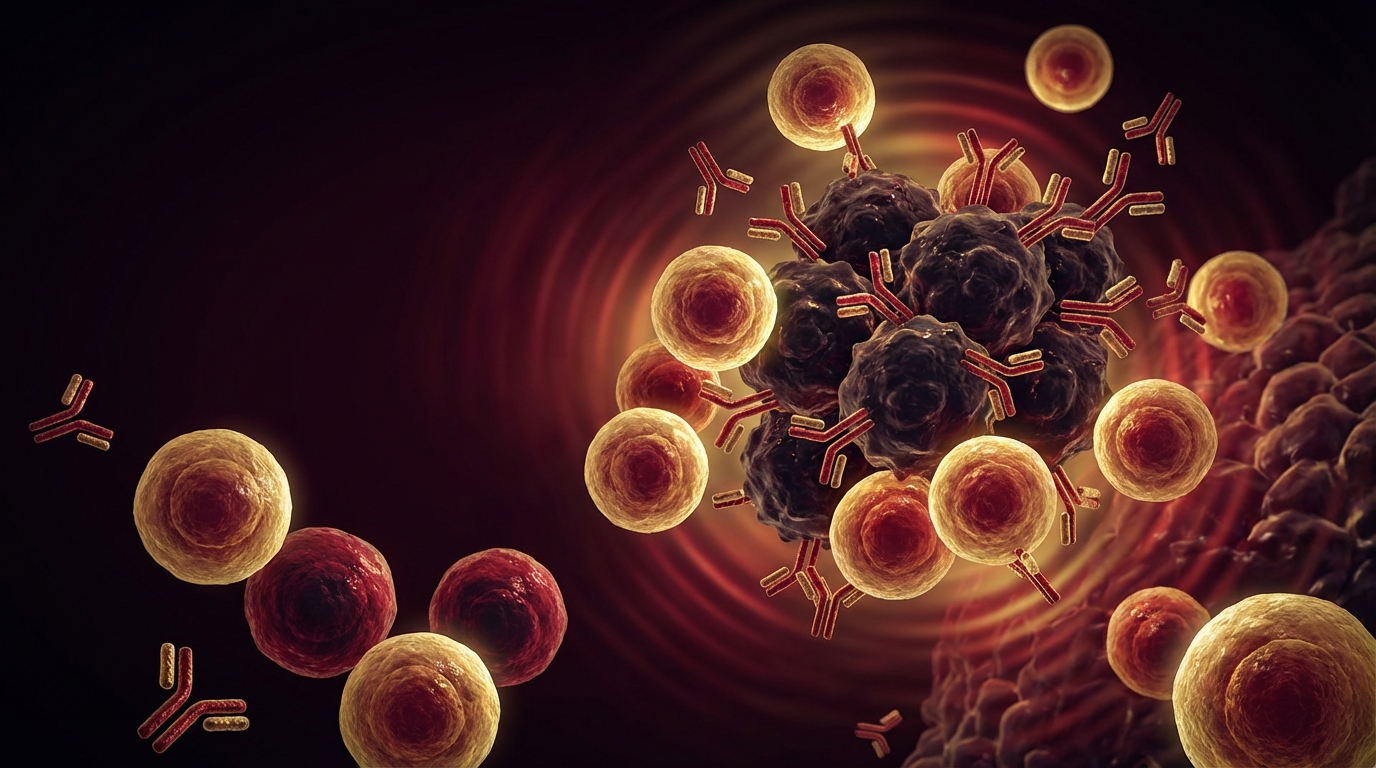
The central dogma of immunology, as taught for decades, stated that memory was the exclusive province of the adaptive immune system. T and B lymphocytes, after encountering an antigen, differentiate into long-lived memory cells that mount faster, stronger responses on re-exposure. Innate cells — monocytes, macrophages, natural killer (NK) cells, dendritic cells — were considered non-specific first responders that clear each infection as if encountering it for the first time.
This view began to crack when epidemiological observations could not be fully explained by adaptive immunity. BCG-vaccinated infants in low-income countries showed markedly reduced non-tuberculosis mortality from unrelated respiratory and enteric infections. Heterologous protection after live attenuated vaccines exceeded what antigen-specific memory could account for. The effect disappeared when the innate cell compartment was depleted [1].
Mihai Netea’s group at Radboud University coined the term trained immunity in 2011 to describe this phenomenon: a form of immune memory in cells that lack the genetic recombination machinery of lymphocytes [1]. The mechanism has since been mapped in molecular detail.
The Molecular Machinery: Epigenetics and Metabolism Together
Trained immunity operates through two interlinked layers: epigenetic rewriting and metabolic reprogramming.
Epigenetic Rewriting
After stimulation with a trained-immunity inducer, monocytes and macrophages undergo shifts in histone modification at thousands of gene loci:
- H3K4me3 (trimethylation of histone H3 at lysine 4) marks actively transcribed gene promoters. Trained monocytes show persistent H3K4me3 enrichment at promoters of inflammatory cytokines including TNF-α, IL-6, and IL-18 — even after the initial stimulus has cleared.
- H3K27ac marks active enhancers. Trained cells accumulate this mark at latent enhancers, priming genes for rapid transcription on re-stimulation.
- H3K9me3 (a repressive mark) is reduced at immune-responsive loci, lowering the barrier to gene expression.
These changes are written and erased by enzymes that depend on metabolic intermediates — which explains why the metabolic shift is not a by-product but a prerequisite of epigenetic reprogramming [2].
Metabolic Reprogramming: The Warburg Shift
Naïve macrophages primarily use oxidative phosphorylation for energy. Trained macrophages switch to aerobic glycolysis — the same metabolic switch cancer cells use (the Warburg effect) — generating ATP rapidly while producing acetyl-CoA, succinate, and fumarate as epigenetic substrates.
Succinate is particularly important: it accumulates in trained cells, inhibits the histone demethylase KDM5 (which removes H3K4me3), and stabilises HIF-1α (a transcription factor for glycolytic genes and IL-1β). This creates a self-reinforcing loop between metabolic activity and epigenetic state [2].
Mevalonate (an intermediate of the cholesterol biosynthesis pathway activated by beta-glucan signalling through the Dectin-1 receptor) feeds IGF-1 signalling and downstream mTOR activation — another key node for trained immunity induction [3].
Key Inducers of Trained Immunity
Beta-1,3/1,6-Glucans
Beta-glucans — polysaccharides from the cell walls of fungi, yeasts, and certain cereals — are the most studied trained immunity inducers in the nutraceutical space. They bind Dectin-1 receptors on monocytes and macrophages, triggering the mevalonate pathway and downstream epigenetic changes.
Pharmacologically characterised sources:
- Saccharomyces cerevisiae (baker’s yeast) beta-glucan: widely studied, commercially available
- Lentinula edodes (Shiitake): lentinan, a 1,3-1,6-glucan, used in Japanese oncology as an adjunct
- Ganoderma lucidum (Reishi): beta-D-glucans plus polysaccharide-protein complexes
- Pleurotus ostreatus (Oyster mushroom)
- Oat beta-glucan (1,3-1,4-glucan): binds differently (CR3, not Dectin-1), weaker trained immunity effect but well established for cardiovascular risk reduction
A 2018 randomised trial showed that oral beta-glucan supplementation in healthy volunteers increased ex vivo cytokine production from monocytes at five weeks, with epigenetic changes at IL-6 and TNF promoters confirmed by ChIP-seq [3].
BCG Vaccination
Bacillus Calmette-Guérin (BCG), the live attenuated tuberculosis vaccine, is the best-documented trained immunity inducer in vivo. Its non-specific protection — reduced all-cause infant mortality, lower susceptibility to sepsis and respiratory infections in older adults — is now attributed to trained immunity of monocytes and NK cells, rather than solely to classical adaptive memory.
In the COVID-19 pandemic, observational data from countries with high BCG coverage showed lower early mortality. A subsequent RCT (ACTIVATE trial, Greece) showed BCG vaccination in elderly adults reduced infection rates from any pathogen by ~80% over 12 months compared to placebo, with a disproportionate reduction in respiratory infections — a finding attributed to trained monocytes [4].
Muramyl Dipeptide (MDP)
MDP is a fragment of bacterial peptidoglycan that activates NOD2 receptors. It synergises with beta-glucan to induce trained immunity and may be relevant in probiotic formulations where bacterial cell wall fragments reach the innate immune compartment of the gut.
Oxidised LDL
Relevant in atherosclerosis: oxidised LDL trains macrophages toward a pro-inflammatory, foam-cell-prone phenotype — an example of maladaptive trained immunity that drives plaque vulnerability [5].
Trained Tolerance: The Other Side
Stimuli at different doses, timing, and receptor combinations can instead induce trained tolerance — an epigenetically enforced state of diminished inflammatory responsiveness. LPS (lipopolysaccharide) from gram-negative bacteria classically induces tolerance after sustained high-dose exposure (endotoxin tolerance), characterised by repressive H3K27me3 marks at cytokine promoters.
The clinical relevance: patients with sepsis, severe COVID-19, or chronic Lyme disease often show a mixed phenotype — trained in some pathways, tolerant in others — producing the paradox of persistent inflammation alongside immunosuppression. NK cell exhaustion in chronic viral infections (EBV, HHV-6) appears to share a mechanistic family with trained tolerance [see reactivated virus immune suppression].
Trained Immunity in Chronic and Post-Acute Disease
Post-COVID Syndrome
Post-COVID patients show a distinctive monocyte phenotype: chronically activated, with epigenetic marks consistent with trained immunity, elevated IL-1β and IL-6 production, and persistent HIF-1α activation despite viral clearance. This constitutively trained state is thought to contribute to the inflammatory substrate of brain fog, fatigue, and small fibre neuropathy. Interventions targeting the trained immunity axis — colchicine, statins, IL-1 blockade — are under active trial.
Chronic Lyme and Tick-Borne Disease
Persistent borrelia antigens (outer membrane vesicles, biofilm fragments) and co-infection with Babesia or Bartonella create a chronically stimulated innate immune environment. Many functionally ill Lyme patients have monocyte activation patterns consistent with partial trained immunity: elevated baseline IL-1β, TNF-α, and IL-6 production, but impaired pathogen killing [see Lyme disease].
Whether trained immunity in this context is adaptive (fighting residual infection) or maladaptive (driving neuroinflammation) remains debated. The clinical implication is that broad immunosuppression can worsen the infection burden while targeted modulation of the trained immunity axis may reduce inflammatory load without compromising pathogen defence.
Cancer Immunosurveillance
NK cells trained by beta-glucans or IL-15 show enhanced cytotoxicity against tumour cells. Pre-clinical and early clinical data suggest that beta-glucan supplementation, particularly lentinan, augments NK-cell-mediated tumour surveillance, providing rationale for its use as an oncology adjunct in Japan and Germany [see NK cell function].
Testing Trained Immunity in Clinical Practice
There is no single validated biomarker panel for trained immunity. Clinically useful approximations:
| Test | What It Shows |
|---|---|
| Ex vivo cytokine stimulation (PBMC stimulated with LPS or beta-glucan, cytokine production measured) | Gold-standard research assay; limited clinical availability |
| NK cell function panel | Includes cytotoxicity, activating receptor expression, degranulation markers |
| Monocyte HLA-DR expression | Low HLA-DR = endotoxin tolerance / trained suppression; often ordered in post-sepsis or post-COVID workups |
| THP-1 epigenetic assays | Research use; measures H3K4me3 at specific loci |
| Serum IL-6, TNF-α, IL-1β | Elevated at baseline in constitutively trained monocytes; non-specific |
| hsCRP + ferritin + d-dimer | Downstream inflammaging signature; useful for monitoring |
At the St. George Hospital integrative immunology clinic, I use the NK cell function panel and monocyte HLA-DR as the most clinically actionable proxies, combined with a thorough exposure and symptom history to contextualise the results.
Practical Clinical Application: Modulating Trained Immunity
When to Induce Trained Immunity
Candidates include:
- Recurrent infections (respiratory, ENT) despite normal conventional immune workup
- Post-COVID immune dysregulation with low NK cell function
- Chronic fatigue after resolved infection, where inflammatory tone is low
- Oncology patients on chemotherapy where innate immunity is suppressed
Interventions with evidence:
- Beta-1,3/1,6-glucan: 250-500 mg/day; shiitake, reishi, or yeast-derived; take for ≥6-8 weeks to allow monocyte reprogramming; see medicinal mushrooms guide
- Vitamin D3 (>40 ng/mL serum target): VDR signalling modulates trained immunity induction at the epigenetic level; deficiency impairs Dectin-1 signalling; see vitamin D guide
- Physical exercise (moderate intensity): Acute exercise transiently activates NK cells and monocytes; chronic exercise training epigenetically programs NK cells toward higher cytotoxicity
- BCG vaccination: Off-label in adults for non-specific immune protection; not routinely recommended but supported by RCT data in elderly; discuss risk-benefit with an infectious disease specialist
When to Dampen Trained Immunity
Candidates include:
- Autoimmune conditions (RA, SLE, Hashimoto’s) where baseline monocyte activation is elevated
- Atherosclerotic cardiovascular disease with high inflammatory burden
- Post-COVID with constitutively activated monocyte phenotype driving persistent inflammation
- MCAS with monocyte/mast cell cross-activation [see MCAS]
Interventions:
- Low-dose naltrexone: Modulates TLR4 signalling and shifts monocyte activation away from trained immunity patterns
- Colchicine: Reduces NLRP3 inflammasome activation and the IL-1β loop central to trained monocyte output; now guideline-supported for post-COVID cardiac inflammation
- Statins: Inhibit the mevalonate pathway required for trained immunity induction by beta-glucan; relevant in patients with concurrent cardiovascular risk
- Omega-3 fatty acids (EPA/DHA >2g/day): Shift monocyte eicosanoid production toward SPMs (specialised pro-resolving mediators), reducing trained inflammatory output
Related Articles
- Innate vs Adaptive Immunity Explained
- NK Cell Function Testing and Optimisation
- Immune Modulation: An Integrative Approach
- Medicinal Mushrooms and Immune Health
- Viral Immune Suppression in Reactivated Infections
References
-
Netea MG, Quintin J, van der Meer JWM. Trained immunity: a memory for innate host defense. Cell Host Microbe. 2011;9(5):355-361. doi:10.1016/j.chom.2011.04.006
-
Cheng SC, Quintin J, Cramer RA, et al. mTOR- and HIF-1α–mediated aerobic glycolysis as metabolic basis for trained immunity. Science. 2014;345(6204):1250684. doi:10.1126/science.1250684
-
Bekkering S, Blok BA, Joosten LAB, et al. In vitro experimental model of trained innate immunity in human primary monocytes. Clin Vaccine Immunol. 2016;23(12):926-933. doi:10.1128/CVI.00349-16
-
Tsilika M, Taks E, Dolianitis K, et al. ACTIVATE-2: A Double-Blind Randomized Trial of BCG Vaccination Against COVID-19 in Individuals at Risk. Front Immunol. 2022;13:873067. doi:10.3389/fimmu.2022.873067
-
Bekkering S, Quintin J, Joosten LAB, et al. Oxidized low-density lipoprotein induces long-term proinflammatory cytokine production and foam cell formation via epigenetic reprogramming of monocytes. Arterioscler Thromb Vasc Biol. 2014;34(8):1731-1738. doi:10.1161/ATVBAHA.114.303887
-
Netea MG, Domínguez-Andrés J, Barreiro LB, et al. Defining trained immunity and its role in health and disease. Nat Rev Immunol. 2020;20(6):375-388. doi:10.1038/s41577-020-0285-6
-
Moorlag SJCFM, Arts RJW, van Crevel R, Netea MG. Non-specific effects of BCG vaccine on viral infections. Clin Microbiol Infect. 2019;25(12):1473-1478. doi:10.1016/j.cmi.2019.04.020