At a Glance
| Feature | Detail |
|---|---|
| Organism | Akkermansia muciniphila (Gram-negative anaerobe) |
| Niche | Mucus layer of large intestine |
| Healthy abundance | 1–3% of total gut microbiome |
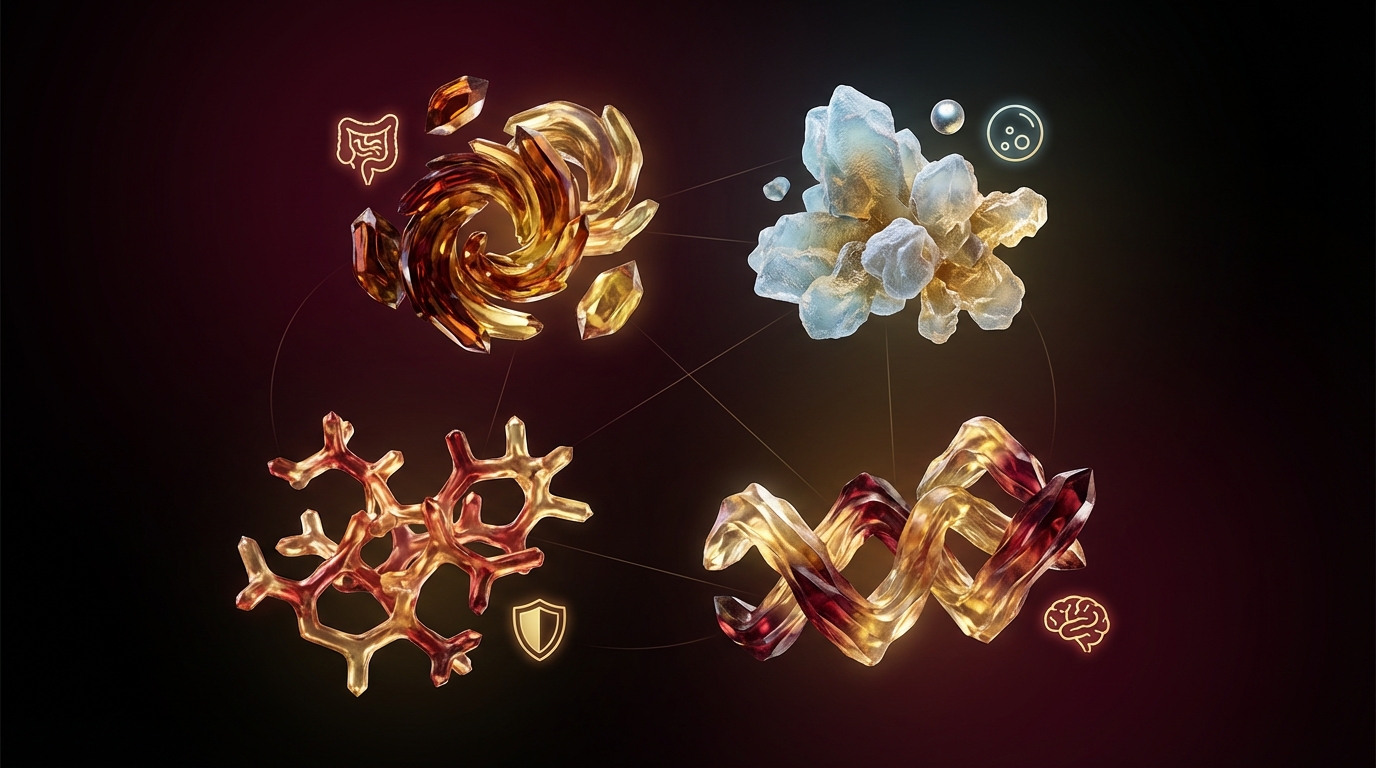
| Key functions | Gut barrier integrity, GLP-1 stimulation, immune regulation |
| Depleted by | Antibiotics, NSAIDs, PPIs, refined carbohydrates, age |
| Restored by | Pomegranate polyphenols, fasting, berberine, prebiotic fibres |
| Supplement form | Pasteurized (heat-killed) bacteria — clinically studied |
| Key clinical trial | Depommier et al., Nature Medicine, 2019 |
Akkermansia muciniphila was first isolated and characterised in 2004 by Willem de Vos’s laboratory at Wageningen University. For years it sat quietly in the microbiology literature while research attention focused on Lactobacillus and Bifidobacterium species. Over the past decade, that has changed dramatically. Loss of Akkermansia now appears in the signature gut profiles of obesity, type 2 diabetes, inflammatory bowel disease, post-COVID syndrome, and certain cancers — and a landmark 2018 Science paper found that low baseline Akkermansia abundance predicts failure to respond to some of the most powerful cancer drugs in oncology’s arsenal. This is no longer a niche microbiome curiosity. It belongs in the clinical conversation.
For patients with Crohn’s disease or ulcerative colitis, Akkermansia works synergistically with immune-modulatory therapies — including low dose naltrexone for IBD, which targets TLR4-driven gut inflammation while barrier-restoring agents address the mucosal substrate.
What Is Akkermansia muciniphila and Where Does It Live?
Akkermansia muciniphila is a strictly anaerobic, Gram-negative bacterium in the phylum Verrucomicrobia — a phylum with very few human-associated members, which makes Akkermansia unusual even among gut residents. Its ecological niche is specific: it colonises the mucus layer that coats the intestinal epithelium, feeding almost exclusively on mucin glycoproteins. Far from degrading the mucus layer destructively, healthy colonisation appears to stimulate the host to continuously regenerate it. The relationship is mutualistic rather than parasitic.
In healthy adults, Akkermansia represents roughly 1–3% of the gut microbiome by sequencing read count. This seems modest, but relative abundance in microbiome science is rarely proportional to functional impact. Akkermansia exerts outsized influence on the two systems that connect gut health to systemic disease: the epithelial barrier and the mucosal immune interface.
The Mucus Layer: Your First Internal Firewall
The intestinal epithelium is a single cell layer separating approximately 100 trillion microorganisms from your bloodstream. That boundary is reinforced by two mucus layers: an inner, sterile, firmly attached layer and an outer, loosely attached layer that most bacteria colonise. When Akkermansia is abundant, it interacts primarily with the outer mucus and, through still-incompletely understood signalling, promotes goblet cell activity and tightening of epithelial tight junctions. The proteins occludin, claudin-3, and ZO-1 — the molecular bolts that seal the barrier — are upregulated in experimental models supplemented with Akkermansia.
When the mucus layer thins and tight junctions loosen, bacterial endotoxin (lipopolysaccharide) translocates into portal and systemic circulation. The result is metabolic endotoxaemia — low-grade, chronic innate immune activation implicated in insulin resistance, neuroinflammation, atherosclerosis, and accelerated biological ageing. Pairing Akkermansia with butyrate supplementation — the primary fuel for colonocytes — provides complementary support: Akkermansia restores the mucus layer and stimulates tight junction signalling, while butyrate directly energises the epithelial cells that maintain it.
Metabolic Health: The GLP-1 and Insulin Sensitivity Connection
One of Akkermansia’s most clinically relevant effects involves the gut hormone glucagon-like peptide-1 (GLP-1). Enteroendocrine L-cells in the distal gut secrete GLP-1 in response to luminal signals — and Akkermansia colonisation, particularly its outer membrane protein Amuc_1100, appears to upregulate this response. GLP-1 slows gastric emptying, enhances pancreatic beta-cell function, and — in pharmacological concentrations — is the mechanism of action behind semaglutide and tirzepatide.
The landmark human intervention study by Depommier et al. (2019, Nature Medicine) enrolled 32 overweight and insulin-resistant volunteers in a three-arm RCT: placebo, live Akkermansia, and pasteurized Akkermansia (10^10 cells daily for 12 weeks). The pasteurized group showed:
- Reduced insulin resistance (HOMA-IR reduced by 29%)
- Lower total cholesterol (reduction of ~8.7 mg/dL)
- Reduced hepatic inflammation markers
- No adverse events across all participants
Interestingly, the live bacterial preparation did not outperform pasteurized. This finding has practical implications: live anaerobes are difficult to stabilise in capsule form, whereas pasteurized Akkermansia can survive ambient temperature storage and still deliver its key structural protein (Amuc_1100) intact.
In clinical practice, patients with metabolic syndrome, non-alcoholic fatty liver disease (NAFLD), or elevated fasting insulin often show markedly reduced Akkermansia on stool microbiome sequencing. Restoring this organism — alongside dietary changes — forms part of a rational first-line gut intervention before considering pharmaceutical GLP-1 agonists.
Immunotherapy Response: The Oncology Data That Changed the Conversation
In 2018, Laurence Zitvogel’s group at Institut Gustave Roussy published a paper in Science that rattled the oncology world. They profiled gut microbiome composition in patients receiving PD-1 checkpoint inhibitor therapy for non-small-cell lung cancer, renal cell carcinoma, and urothelial carcinoma. The finding: patients with high baseline Akkermansia abundance had significantly better progression-free survival and overall survival. Patients with low Akkermansia — even when receiving identical immunotherapy — showed responses closer to antibiotic-treated mice (used as a germ-free control model in the same study).
The mechanistic hypothesis is that Akkermansia, through its barrier-integrity effects, prevents chronic bacterial translocation that chronically activates immunosuppressive regulatory T-cell pathways. A leaky gut may dampen the very immune activation that checkpoint inhibitors are trying to unleash.
This data does not yet support Akkermansia supplementation as an adjunct to immunotherapy in standard of care — confounding factors are significant and replication is ongoing. However, for patients preparing for or receiving immunotherapy, achieving a diverse microbiome with adequate Akkermansia representation is a sensible precaution rather than experimental conjecture.
What Depletes Akkermansia — and Why Modern Medicine Is Part of the Problem
Akkermansia is disproportionately sensitive to several common clinical and lifestyle exposures:
Antibiotics. Broad-spectrum regimens — particularly those covering anaerobes — cause near-complete Akkermansia collapse in stool microbiome profiles. Reconstitution is slow and incomplete in many patients, particularly older adults. This is clinically significant for Lyme disease patients who often cycle through multiple courses of antibiotics; routine microbiome monitoring and targeted probiotic support should accompany prolonged antibiotic protocols.
Proton pump inhibitors (PPIs). By raising gastric pH, PPIs alter the microbial gradient from stomach to colon. Several studies document reduced Akkermansia in long-term PPI users — a population already at elevated risk for C. difficile and small intestinal bacterial overgrowth.
Non-steroidal anti-inflammatory drugs (NSAIDs). These directly damage the intestinal mucus layer through prostaglandin inhibition, removing the ecological substrate Akkermansia depends on.
Ultra-processed diets. Emulsifiers (carboxymethylcellulose, polysorbate-80) used ubiquitously in packaged foods thin the mucus layer and reduce Akkermansia abundance in animal models. While direct human data is more limited, the mechanistic plausibility is strong.
Ageing. Akkermansia declines with age even in the absence of the above exposures, mirroring broader reductions in microbiome diversity that characterise biological ageing.
How to Restore and Sustain Akkermansia
Dietary Strategies
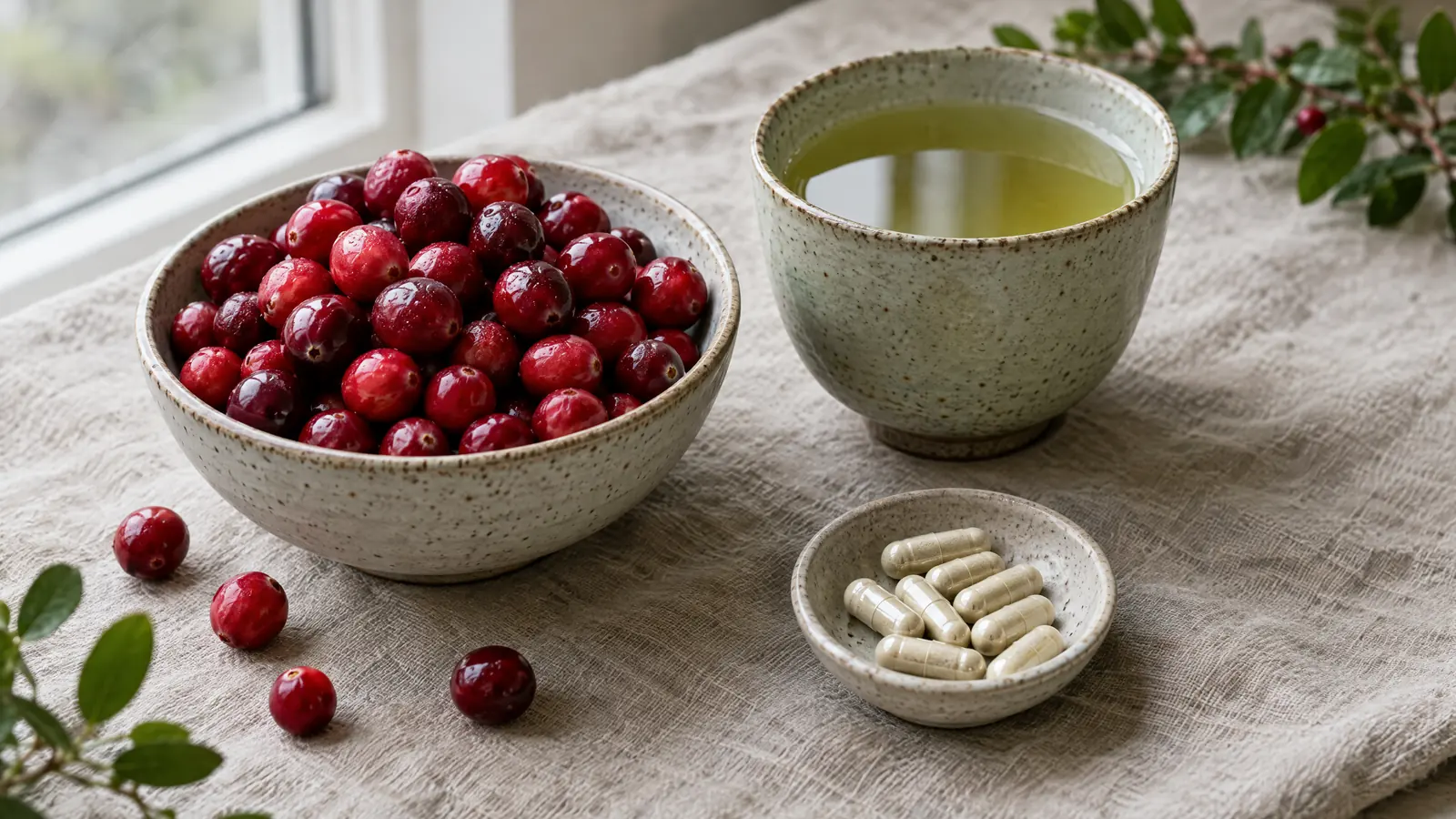
Pomegranate and cranberry polyphenols are the best-studied dietary Akkermansia promoters. Ellagic acid and punicalagin — polyphenols from pomegranate — are poorly absorbed in the small intestine, reaching the colon intact where they appear to selectively feed Akkermansia. A 2015 Gut study by Anhê et al. demonstrated that cranberry polyphenol extract reversed high-fat diet-induced Akkermansia depletion in mice, alongside metabolic improvements.
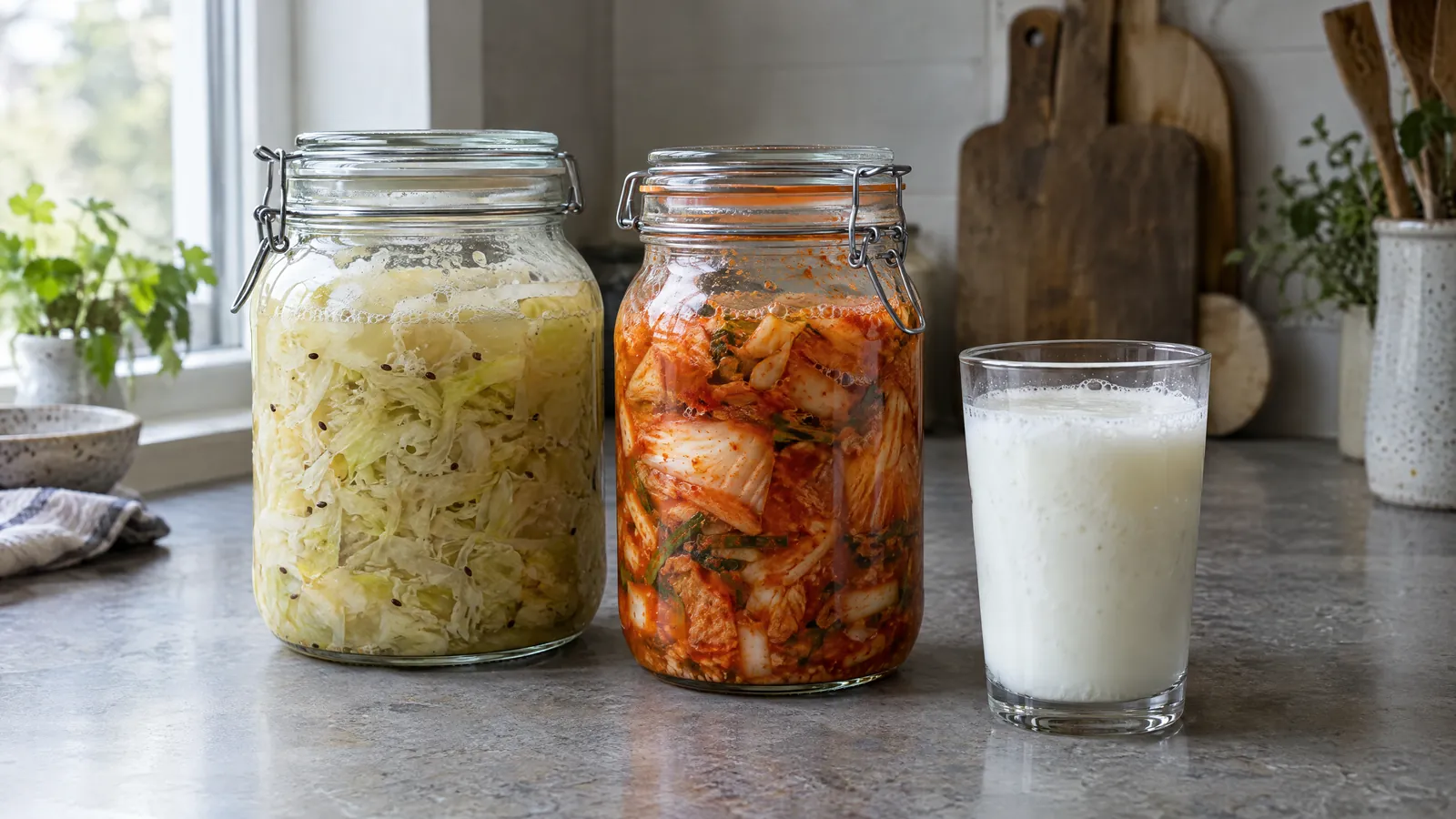
Prebiotic fibres — particularly inulin, arabinoxylan, and pectins — support the broader mucin-secreting ecosystem that Akkermansia inhabits, even if they are not direct growth substrates.
Polyphenol-rich vegetables: broccoli (sulforaphane), red onion (quercetin), and green tea (EGCG) all show supportive effects on mucus layer integrity.
Intermittent fasting consistently increases Akkermansia relative abundance in both animal models and human observational data, likely because mucolytic activity decreases in the fasted state, allowing mucus layer recovery.
Pharmacological Nudges
Berberine, already well-studied for its metformin-like glucose-lowering effects, also upregulates Akkermansia in the gut — an effect that may partially explain its metabolic benefits beyond AMPK activation.
Metformin increases Akkermansia abundance in T2D patients — a finding that complicates interpretation of metformin’s mechanism and may explain some of its benefits beyond glucose control.
Direct Supplementation
Pasteurized Akkermansia supplements (most notably Pendulum’s Akkermansia and WBF-011 used in trials) are now available. Based on current evidence, 10^10 colony-forming unit equivalents of pasteurized Akkermansia daily for a minimum of 12 weeks represents the protocol with the best clinical backing. Live preparations are commercially available but lack the RCT evidence base of the pasteurized form.
In my practice, I typically order a stool microbiome sequencing panel before and after an Akkermansia-restoration protocol to confirm colonisation response. Not every patient rebuilds Akkermansia equally — dietary context matters enormously. For patients with documented leaky gut, pairing Akkermansia with bovine colostrum — which directly promotes tight junction protein expression and mucosal IgA secretion — produces faster barrier restoration than either intervention alone.
Akkermansia in Chronic Disease Contexts
Post-COVID and Long COVID
Gut microbiome dysbiosis is a consistent finding in post-acute sequelae of SARS-CoV-2 (PASC). Multiple studies from the Hong Kong gut microbiome cohort and European post-COVID centres document near-universal Akkermansia depletion in patients with prolonged fatigue, brain fog, and gut symptoms. Whether this is causal, consequential, or both remains under investigation, but restoring Akkermansia forms a reasonable part of any gut-focused post-COVID recovery protocol.
Lyme Disease and Tick-Borne Co-infections
Extended antibiotic courses for Lyme disease reliably deplete Akkermansia. The resulting barrier dysfunction may worsen systemic symptoms (fatigue, neuroinflammation, joint pain) independent of the infection itself. I routinely recheck microbiome composition after antibiotic courses in Lyme patients and find Akkermansia among the most consistently depleted taxa.
Autoimmune Conditions
Loss of gut barrier integrity — the “leaky gut” increasingly documented in rheumatoid arthritis, lupus, and multiple sclerosis — is mechanistically upstream of autoimmune activation in several models. Akkermansia’s barrier-sealing function makes it a rational target for adjunct intervention, though the autoimmune clinical trial data is still nascent.
Clinical Takeaway
Akkermansia muciniphila is not a trend supplement. Its role at the intersection of gut barrier biology, metabolic health, and immune regulation is now documented across multiple human trials and mechanistic studies. Measuring it costs roughly the same as ordering a stool culture. Restoring it costs less than most supplements a longevity patient is already taking.
The evidence hierarchy places pasteurized supplementation at the level of “promising with one solid RCT” — not yet the standard of care, but well above the level of plausibility-only. For patients with metabolic syndrome, post-antibiotic dysbiosis, post-COVID gut symptoms, or those preparing for immunotherapy, a targeted Akkermansia restoration protocol is low-risk and mechanistically coherent.
Related Articles
- Gut–Brain Axis: How Intestinal Dysbiosis Drives Neurological Symptoms
- Probiotics: How to Choose the Right Strains
- Berberine for Blood Sugar: Clinical Evidence and Dosing
- Post-COVID Brain Fog: A Functional Medicine Approach
- Heavy Metal Chelation: Safety and Protocol
References
- Depommier C, Everard A, Druart C, et al. Supplementation with Akkermansia muciniphila in overweight and obese human volunteers: a proof-of-concept exploratory study. Nat Med. 2019;25(7):1096–1103. PMID: 31263284
- Plovier H, Everard A, Druart C, et al. A purified membrane protein from Akkermansia muciniphila or the pasteurized bacterium improves metabolism in obese and diabetic mice. Nat Med. 2017;23(1):107–113. PMID: 27892954
- Routy B, Le Chatelier E, Derosa L, et al. Gut microbiome influences efficacy of PD-1–based immunotherapy against epithelial tumors. Science. 2018;359(6371):91–97. PMID: 29097494
- Anhê FF, Roy D, Pilon G, et al. A polyphenol-rich cranberry extract protects from diet-induced obesity, insulin resistance and intestinal inflammation in association with increased Akkermansia spp. population in the gut microbiota of mice. Gut. 2015;64(6):872–883. PMID: 25080446
- Cani PD, Depommier C, Plovier H, et al. Akkermansia muciniphila: paradigm for next-generation beneficial microorganisms. Nat Rev Gastroenterol Hepatol. 2022;19(10):625–637. PMID: 35739354
- Thaiss CA, Zmora N, Levy M, Elinav E. The microbiome and innate immunity. Nature. 2016;535(7610):65–74. PMID: 27383981