At a Glance
| Feature | Details |
|---|---|
| Primary form | Sodium butyrate, tributyrin (ester prodrug) |
| Typical dose | 300–600 mg, 2–3× daily with food |
| Key mechanisms | Colonocyte energy, tight junction upregulation, HDAC inhibition, NF-κB suppression |
| Best evidence for | Intestinal permeability, IBD adjunct, IBS-D, post-antibiotic restoration |
| Onset | 2–6 weeks for measurable gut markers |
| Cautions | Odor (sodium butyrate), GI adjustment period, check form in SIBO/fermentation-sensitive patients |
| Synergistic with | Probiotics (Akkermansia, Lactobacillus), prebiotics (inulin, resistant starch), L-glutamine |
Butyrate sits at the intersection of three converging fields that now dominate functional and integrative medicine: gut barrier science, immunometabolism, and the microbiome-immune axis. Despite being a four-carbon short-chain fatty acid produced in gram quantities daily by a healthy microbiome, it is also a molecule in short supply in a significant proportion of my patients — particularly those recovering from Lyme disease, post-COVID syndrome, prolonged antibiotic courses, or chronic inflammatory conditions.
This guide explains what butyrate does at the cellular and systemic level, which patients are most likely to benefit, how to select and dose the right supplemental form, and what the current evidence actually supports versus what is still extrapolation.
What Is Butyrate and Where Does It Come From?
Short-chain fatty acids (SCFAs) — primarily acetate, propionate, and butyrate — are produced through microbial fermentation of dietary fiber in the large intestine. Of the three, butyrate has the most significant local effect on the colonic epithelium.
Colonocytes — the cells lining the colon — derive approximately 60–70% of their energy from butyrate oxidation. This is not a minor detail. When butyrate supply drops (through dysbiosis, antibiotic exposure, low-fiber diet, or motility changes), colonocytes shift toward glycolysis, and the tightly regulated epithelial barrier begins to degrade.
Key butyrate-producing organisms include Faecalibacterium prausnitzii, Roseburia intestinalis, Eubacterium hallii, and Clostridium butyricum. These are reliably depleted in patients with Lyme-related dysbiosis, post-COVID microbiome disruption, SIBO, and prolonged use of broad-spectrum antibiotics.
Core Mechanisms: Why Butyrate Matters Beyond the Gut
1. Tight Junction Integrity and Gut Permeability
The intestinal epithelial barrier is maintained by a complex of tight junction proteins — claudins, occludin, and ZO-1 — that control paracellular permeability. Butyrate upregulates the expression of these proteins through multiple mechanisms, including activation of PPAR-γ (peroxisome proliferator-activated receptor gamma) in colonocytes and modulation of myosin light chain kinase activity.
In patients with increased intestinal permeability — sometimes clinically labeled “leaky gut” — tight junction protein expression is measurably reduced. Several randomized controlled trials have demonstrated that sodium butyrate supplementation restores ZO-1 and occludin expression and reduces biomarkers of intestinal permeability including zonulin and LPS-binding protein.
2. HDAC Inhibition and Epigenetic Anti-Inflammatory Effects
Butyrate is a potent inhibitor of histone deacetylases (HDACs), a class of enzymes that remove acetyl groups from histone proteins and thereby silence gene expression. By inhibiting HDACs, butyrate promotes the transcription of anti-inflammatory genes while suppressing pro-inflammatory pathways including NF-κB activation.
This HDAC-inhibitory effect has implications beyond the gut. Circulating butyrate — even at the relatively low concentrations achievable through oral supplementation — influences immune cell differentiation, particularly the induction of regulatory T cells (Tregs) in the colonic lamina propria. Treg induction is increasingly recognized as central to tolerance in autoimmune, allergic, and post-infectious inflammatory states.
3. Colonocyte Metabolism and Warburg Suppression
A less appreciated effect of butyrate is its ability to suppress the Warburg phenomenon (aerobic glycolysis) in colonocytes. Healthy colonocytes oxidize butyrate via beta-oxidation. When butyrate is depleted, these cells switch to glucose fermentation — a metabolic state associated with inflammation, DNA damage susceptibility, and impaired mucus production. Restoring butyrate availability restores oxidative phosphorylation in colonocytes and normalizes cellular energy states.
4. Mucus Layer Support and Antimicrobial Defense
The colonic mucus layer — a biochemical barrier between luminal bacteria and the epithelium — is critically dependent on butyrate for goblet cell function. Butyrate stimulates MUC2 mucin secretion and promotes goblet cell differentiation. It also upregulates the expression of antimicrobial peptides including beta-defensins, contributing to colonization resistance against pathogenic organisms.
Clinical Evidence: What Does the Research Show?
Inflammatory Bowel Disease (IBD)
The strongest evidence base for butyrate supplementation sits in IBD, particularly ulcerative colitis. Multiple trials have evaluated butyrate enemas and oral sodium butyrate as adjuncts to standard therapy. A 2019 systematic review in Alimentary Pharmacology & Therapeutics found that butyrate enemas were significantly superior to placebo in achieving clinical remission in active UC, with an effect size comparable to mesalazine in mild-to-moderate disease.
Oral sodium butyrate (in enteric-coated form to ensure colonic delivery) has shown benefit as a maintenance adjunct, reducing relapse rates and endoscopic inflammatory scores over 12-month follow-up periods in several Italian and Polish trials.
Irritable Bowel Syndrome with Diarrhea (IBS-D)
A double-blind RCT published in Nutrients (2022) evaluated microencapsulated sodium butyrate at 300 mg twice daily versus placebo in 66 IBS-D patients over 12 weeks. The butyrate group showed significant improvements in stool consistency, stool frequency, abdominal pain scores, and quality of life. Fecal calprotectin — a marker of intestinal inflammation — was also significantly reduced.
Post-Antibiotic Microbiome Restoration
In my clinical practice, one of the most consistent indications for butyrate supplementation is the post-antibiotic state, particularly following prolonged antimicrobial treatment for Lyme disease, SIBO, or small intestinal dysbiosis. The depletion of butyrate-producing Firmicutes during and after antibiotic courses is well-documented, and restoration of butyrate availability appears to accelerate re-establishment of a healthy microbiome architecture by supporting the colonic niche conditions these organisms require.
Metabolic Syndrome and Insulin Sensitivity
Animal data are robust; human data more limited. Several small trials suggest that oral butyrate or tributyrin supplementation improves fasting insulin, HOMA-IR, and lipid profiles in overweight subjects. The proposed mechanism involves butyrate-mediated activation of G-protein coupled receptors GPR41 and GPR43, which influence gut-derived hormone secretion (GLP-1, PYY) and adipose tissue lipolysis.
Supplement Forms: Sodium Butyrate vs. Tributyrin
Sodium Butyrate
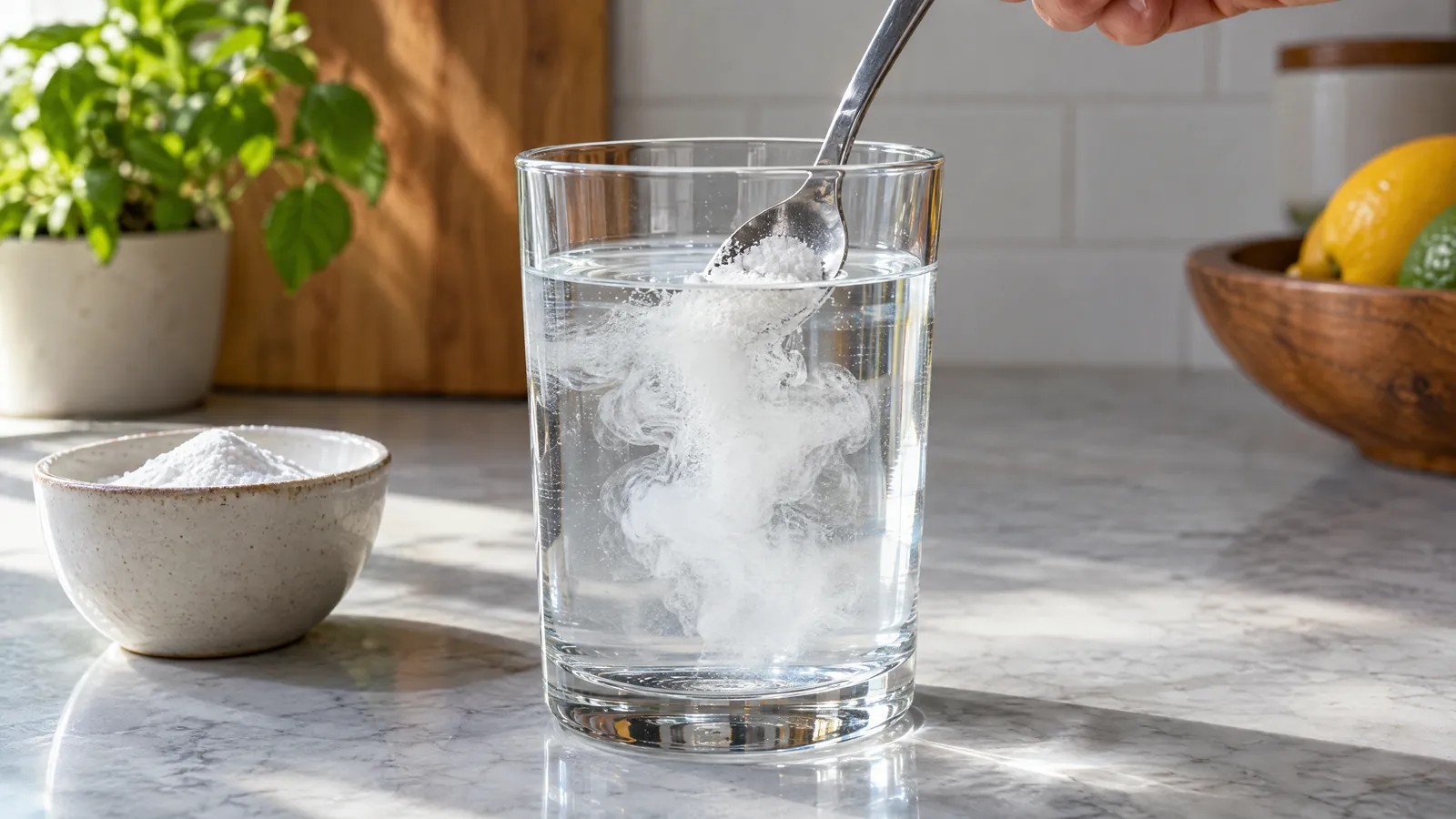
The most widely studied oral form. Standard enteric-coated capsules deliver butyrate to the terminal ileum and colon, bypassing gastric degradation. The primary disadvantage is the characteristic odor (butyric acid smells like rancid butter), which drives significant non-adherence. Quality microencapsulated formulations substantially mitigate this.
Typical protocol: 300–600 mg, 2–3 times daily with food. Higher doses (up to 4 g/day) have been used in IBD trials without significant adverse effects.
Tributyrin
Tributyrin is a triglyceride ester of butyrate — three butyrate molecules attached to a glycerol backbone. It is odorless, tasteless, and absorbed as a prodrug in the small intestine, where lipases cleave the ester bonds and release butyrate. The pharmacokinetic advantage is that tributyrin may produce more sustained plasma butyrate levels than sodium butyrate, with some evidence of superior systemic bioavailability.
Tributyrin has attracted interest for potential systemic effects (neuroinflammation, metabolic regulation) given its better intestinal absorption. For strictly local colonic effects, sodium butyrate remains the better-studied option.
Calcium/Magnesium Butyrate
Some formulations use calcium or magnesium as counterions rather than sodium — useful for patients on sodium-restricted diets. Mechanistically equivalent to sodium butyrate.
Who Benefits Most? Patient Selection in Practice
Based on clinical experience and the available evidence, I consider butyrate supplementation most strongly for:
1. Post-antibiotic gut restoration — particularly after ≥4 weeks of broad-spectrum antibiotics (doxycycline, rifampin, metronidazole courses common in Lyme protocols).
2. Increased intestinal permeability — patients with elevated zonulin, fecal calprotectin, or LPS-binding protein on functional labs, particularly those with systemic inflammatory burden.
3. IBD (as adjunct) — especially UC in remission seeking maintenance support alongside standard therapies.
4. Post-COVID gut dysbiosis — microclot-associated mucosal injury and post-COVID microbiome disruption are frequently accompanied by low F. prausnitzii abundance and reduced butyrate production.
5. Chronic neuroinflammatory conditions — given the gut-brain axis relationship, patients with neurological Lyme, brain fog, or MCAS-related neuroinflammation may benefit from restoring gut barrier function as a foundational step.
6. Low dietary fiber intake — patients who cannot maintain adequate prebiotic fiber intake (often the case with SIBO, FODMAP restrictions, or elimination diets) are at particular risk of butyrate deficiency and benefit from direct supplementation.
Practical Considerations and Clinical Caveats
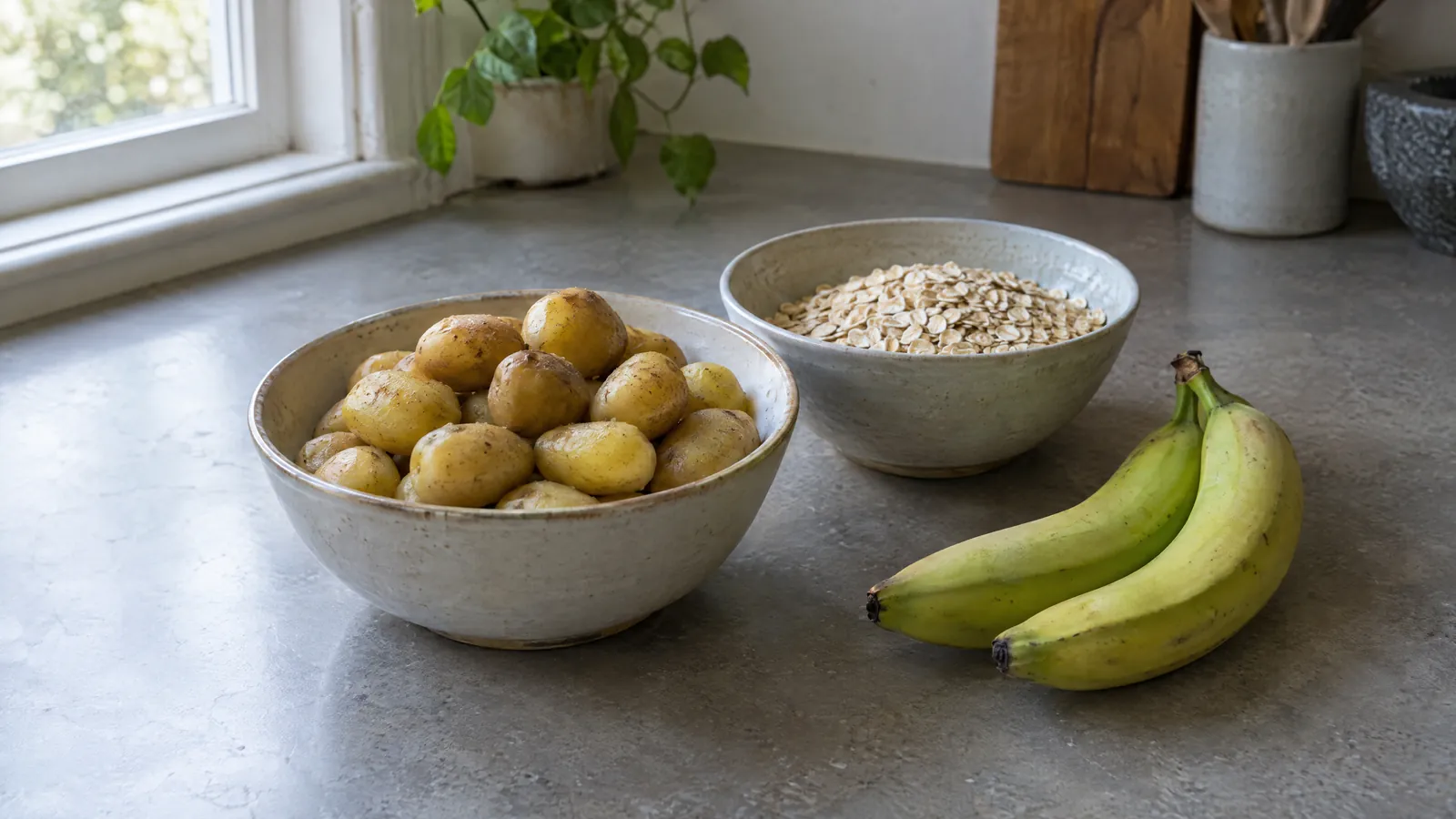
Timing with probiotics: For synergistic effect, I typically pair butyrate with butyrate-producing or butyrate-feeding probiotic strains (Clostridium butyricum, Lactobacillus acidophilus, Bifidobacterium longum) and a prebiotic substrate (partially hydrolyzed guar gum, inulin-type fructans if tolerated).
SIBO caution: In active SIBO, undigested fiber and fermentable carbohydrates may worsen symptoms. Tributyrin is generally better tolerated in SIBO patients than sodium butyrate, as it avoids the fermentation dynamics in the small intestine.
Duration: I typically recommend a minimum 8–12 week trial before reassessing gut permeability markers. Functional lab monitoring (zonulin, calprotectin) provides objective data for treatment decisions.
L-Glutamine combination: Combining butyrate with L-glutamine (5–10 g/day) provides complementary support for enterocyte and colonocyte energy metabolism, as glutamine is the primary fuel source for small intestinal enterocytes while butyrate serves the large intestine.
Related Articles
- Gut Microbiome Testing: What the Results Actually Mean: Understanding your microbial landscape before and after SCFA therapy.
- Akkermansia and the Gut Barrier: Evidence and Clinical Use — Pairing Akkermansia supplementation with butyrate for synergistic mucosal repair.
- Probiotics: How to Choose the Right Strains: Selecting probiotic formulations that support butyrate production.
- Gut–Brain Axis: Healing the Connection: How gut barrier restoration translates to neurological and psychiatric improvements.
- L-Glutamine Supplement Guide: Complementary enterocyte support for a comprehensive gut repair protocol.
References
-
Hamer HM, et al. Review article: the role of butyrate on colonic function. Alimentary Pharmacology & Therapeutics. 2008;27(2):104–119. PMID 17973645
-
Canani RB, et al. Potential beneficial effects of butyrate in intestinal and extraintestinal diseases. World Journal of Gastroenterology. 2011;17(12):1519–1528. PMID 21472114
-
Krokowicz L, et al. Microencapsulated sodium butyrate administered to patients with diverticulosis decreases incidence of diverticulitis — a prospective randomized study. International Journal of Colorectal Disease. 2014;29(3):387–393. PMID 24343275
-
Pituch A, et al. Butyric acid in functional constipation. Przeglad Gastroenterologiczny. 2013;8(5):295–298. PMID 24868272
-
Furusawa Y, et al. Commensal microbe-derived butyrate induces the differentiation of colonic regulatory T cells. Nature. 2013;504(7480):446–450. PMID 24226770
-
Peng L, et al. Butyrate enhances the intestinal barrier by facilitating tight junction assembly via activation of AMP-kinase in Caco-2 cell monolayers. Journal of Nutrition. 2009;139(9):1619–1625. PMID 19625695
-
Stilling RM, et al. Microbes & neurodevelopment — absence of microbiota during early life increases activity-related transcriptome and behaviour. Genes Brain Behav. 2015;14(8):569–580. PMID 26184083