At a Glance
| Property | Detail |
|---|---|
| Class | Serine protease (multi-component fibrinolytic complex) |
| Source | Lumbricus rubellus (red earthworm) |
| Mechanism | Direct fibrin degradation + plasminogen activation + PAI-1 inhibition |
| Key applications | Post-COVID microclots, hypercoagulation, Lyme biofilm support, cardiovascular |
| Standard dose range | 20–40 mg (400,000–800,000 IU) daily on an empty stomach |
| Compared to nattokinase | Broader multi-enzyme complex; stronger plasminogen activator activity |
| Caution | Anticoagulant interactions; hold 5–7 days pre-surgery |
Chronic illness patients often arrive at my clinic with a paradox: their infections have been partially treated, their inflammation markers have improved, yet they feel worse — foggy, fatigued, and stuck. In a meaningful subset of those patients, particularly those with post-COVID syndrome or late-stage Lyme disease, coagulation dysregulation is the missing piece. Abnormal fibrin deposits reduce microcirculatory flow, protect pathogens inside biofilm scaffolds, and amplify cytokine signalling. Lumbrokinase is one of the most clinically useful tools I have for that specific problem — yet most physicians, even integrative ones, default to nattokinase without appreciating the important structural differences between the two.
What Lumbrokinase Is
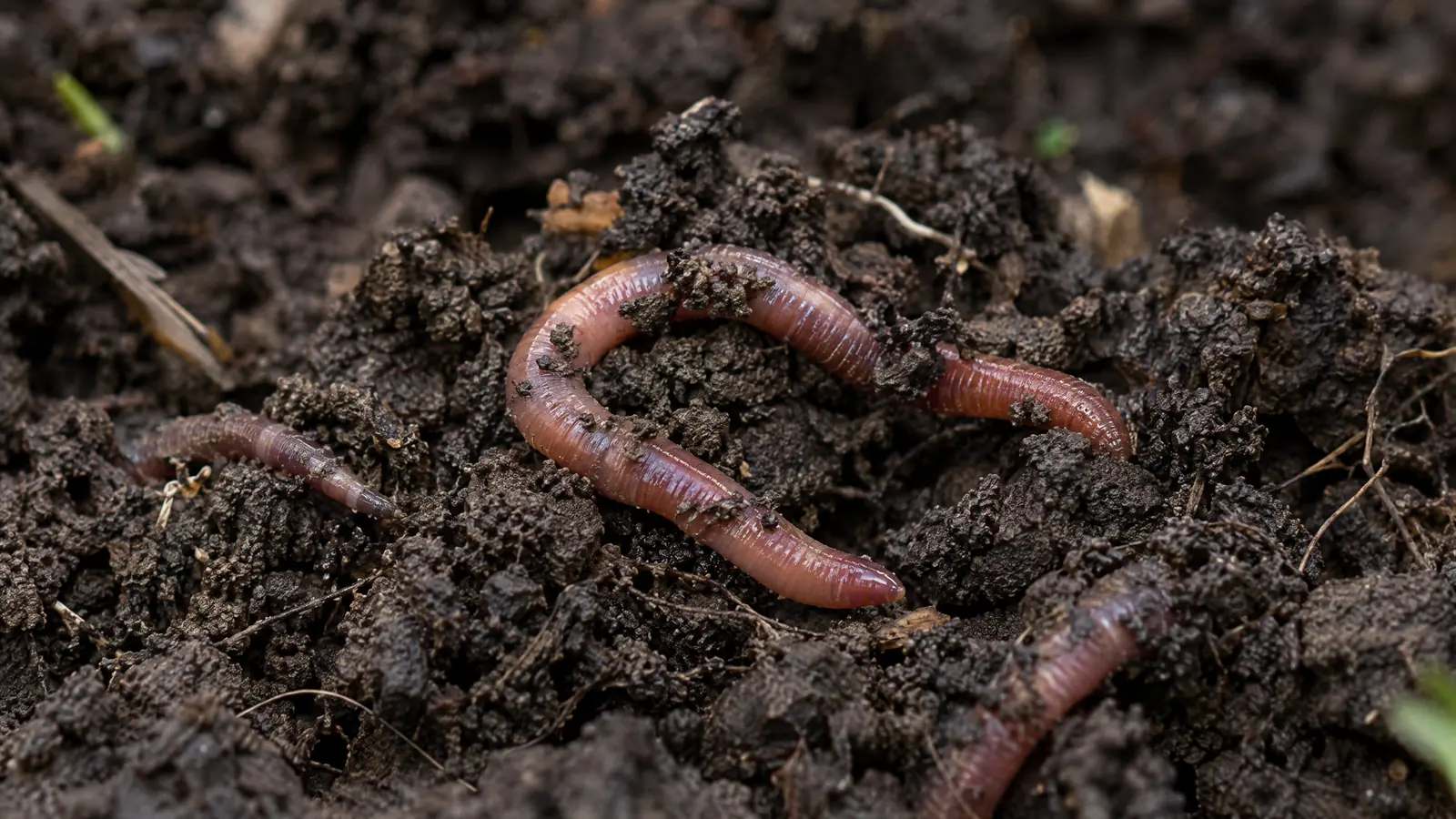
Lumbrokinase is not a single enzyme. It is a complex of at least six serine proteases extracted from the earthworm Lumbricus rubellus through an aqueous extraction and lyophilisation process. The individual components have been designated LK-1 through LK-6, and they act via complementary mechanisms:
- Direct fibrinolysis: Several LK fractions cleave fibrin directly, analogous to plasmin
- Plasminogen activation: LK fractions activate the endogenous plasminogen → plasmin pathway
- PAI-1 inhibition: Plasminogen activator inhibitor-1 is elevated in COVID-19, Lyme disease, and metabolic syndrome; lumbrokinase suppresses this braking mechanism
- Antiplatelet effects: Inhibits ADP-induced platelet aggregation at pharmacological doses
- Anti-inflammatory effects: Reduces TNF-α, IL-6, and fibrinogen at a transcriptional level in animal models
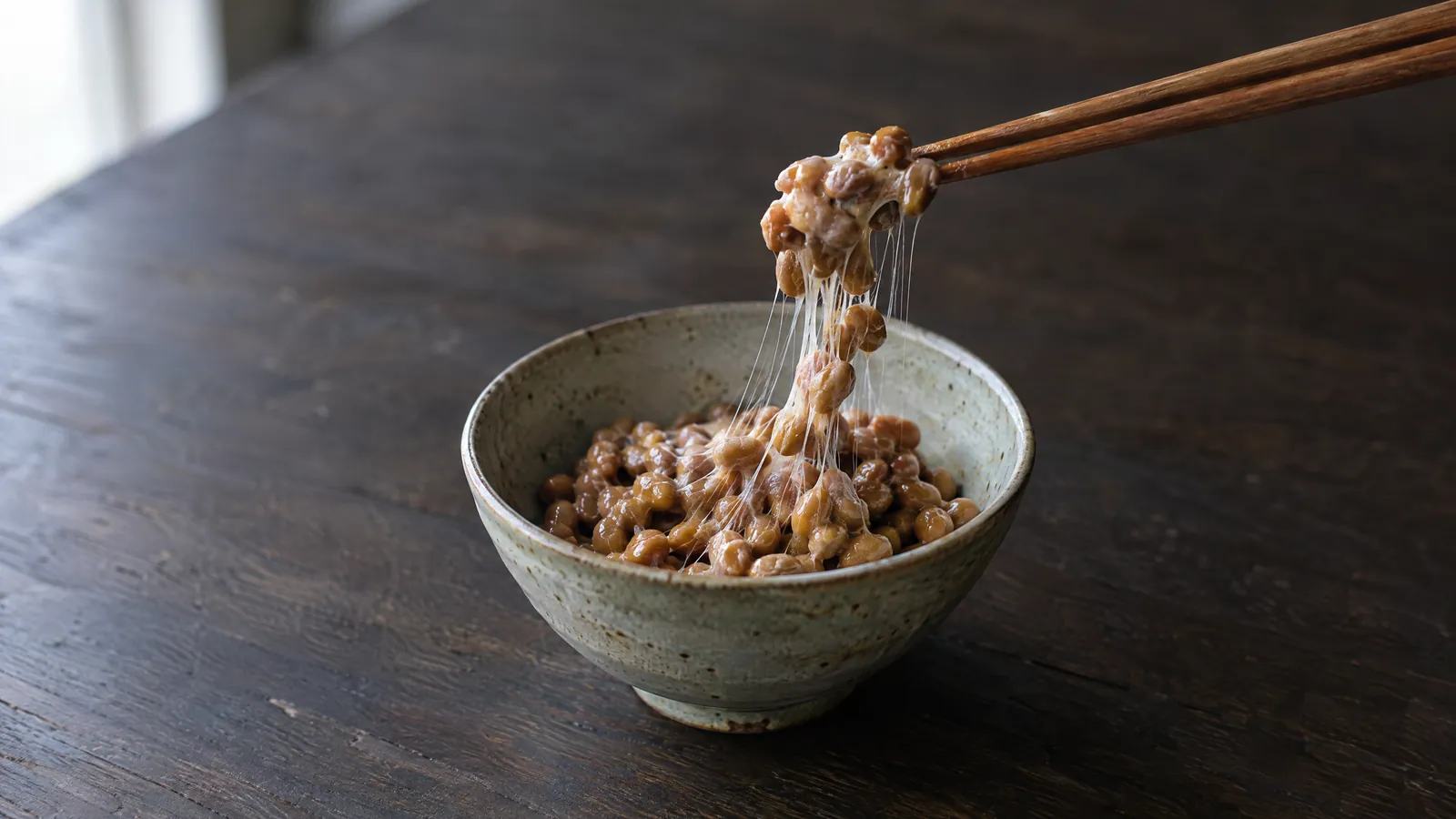
This multi-pronged action distinguishes it from nattokinase, which is a single-component serine protease (subtilisin NAT) with robust but more narrowly targeted fibrin degradation and modest plasminogen activator activity.
The Post-COVID Microclot Connection
The post-COVID landscape changed how many integrative physicians think about fibrinolytic enzymes. South African researchers led by Resia Pretorius demonstrated via fluorescence microscopy that plasma from long COVID patients contains anomalous microclots — dense, hyperactivated fibrin-amyloid structures that resist fibrinolysis by normal plasma plasmin. These deposits entrap inflammatory cytokines (TNF-α, α2AP, SAA, fibrinogen itself) and appear to contribute to the post-exertional malaise, brain fog, and dysautonomia characteristic of long COVID.
Why do they resist normal lysis? Two reasons:
- Spike protein incorporation: The SARS-CoV-2 spike protein directly induces anomalous fibrin polymerisation and cross-linking via ACE2-independent mechanisms
- PAI-1 upregulation: COVID-19 drives massive PAI-1 expression, suppressing the endogenous fibrinolytic system long after acute infection resolves
This is where lumbrokinase has a mechanistic advantage. Its PAI-1 inhibitory activity directly addresses one root driver of the post-COVID fibrin persistence problem, not just the fibrin deposits themselves. Several functional medicine practitioners have combined lumbrokinase with nattokinase in post-COVID microclot protocols — the enzyme combination used in early Pretorius-adjacent clinical observations — though controlled trial data specifically for lumbrokinase in long COVID remains limited at the time of writing.
In my practice, I use lumbrokinase as the primary fibrinolytic in patients who show elevated D-dimer, elevated fibrinogen, or positive microclot findings on specialised microscopy, in combination with NAC (which reduces the stickiness of fibrin via thiol groups) and high-dose omega-3 for antiplatelet support.
Lumbrokinase in Lyme Disease and Co-infections
Chronic Borrelia infection creates a pro-coagulant environment through multiple mechanisms: direct endothelial damage, OspA-triggered platelet aggregation, and cytokine-mediated fibrinogen elevation. More importantly, Borrelia burgdorferi forms biofilms — extracellular matrix structures containing fibrin as a structural scaffold. These biofilms are estimated to be 100 to 1,000 times more antibiotic-resistant than free-living spirochetes.
Lumbrokinase addresses this problem at two levels:
Fibrin scaffold degradation: By dismantling the fibrin component of biofilms, lumbrokinase improves antibiotic penetration and immune cell access to protected bacterial colonies.
Improved microcirculation: Borrelia infection tends to cluster in poorly perfused tissues — joints, cardiac tissue, peripheral nerves. Fibrin-driven microcirculatory impairment reduces both drug delivery and immune surveillance to these niches. Restoring flow improves the therapeutic landscape.
A practical note: when used as part of a Lyme biofilm disruption protocol, I typically initiate lumbrokinase 2–4 weeks before introducing or rotating antimicrobial agents. This softens the biofilm matrix before hitting it directly. The first 1–2 weeks sometimes trigger a mild Jarisch-Herxheimer-like response, which I interpret as a positive sign of biofilm disruption — though this needs careful clinical monitoring.
Lumbrokinase vs. Nattokinase: A Practical Comparison
Both are oral fibrinolytic enzymes, both should be taken on an empty stomach, and both are broadly safe in otherwise healthy adults not on anticoagulants. The distinctions matter for clinical selection:
| Parameter | Lumbrokinase | Nattokinase |
|---|---|---|
| Enzyme composition | Multi-component (LK-1 to LK-6) | Single enzyme (subtilisin NAT) |
| Direct fibrinolytic activity | Strong | Strong |
| Plasminogen activation | Strong | Moderate |
| PAI-1 inhibition | Yes | Minimal |
| Antiplatelet activity | Yes | Yes |
| Clinical evidence | Cardiovascular, Lyme biofilm, post-COVID | Cardiovascular, thrombosis prevention |
| Vitamin K2 interaction | None documented | May reduce vitamin K-dependent factor activity (theoretical) |
| Standard dose (fibrinolytic use) | 20–40 mg twice daily | 100–200 mg twice daily |
| Cost | Higher | Lower |
My general approach: nattokinase is a reasonable maintenance fibrinolytic for cardiovascular prevention. Lumbrokinase is my first choice when I am targeting biofilm disruption, post-COVID microclots, or high PAI-1 states. For complex post-infectious syndromes, the two can be stacked, taken at different times of day.
Dosing, Timing, and Practical Considerations
Dose: Most clinical and animal studies use 20–40 mg of standardised lumbrokinase extract (equivalent to approximately 400,000–800,000 fibrinolytic units) once to twice daily. Enteric-coated capsules are preferred to protect the enzymes from gastric acid degradation.
Timing: Always on an empty stomach — at least 30 minutes before or 2 hours after eating. Food protein competitively absorbs the enzyme, dramatically reducing systemic fibrinolytic activity. Morning fasting and mid-afternoon fasting are the most practical windows.
Duration: For post-COVID microclot protocols, I typically use a minimum 3-month course with repeat D-dimer, fibrinogen, and clinical symptom reassessment. For Lyme biofilm support, integration with antimicrobial cycling means duration depends on the broader treatment plan.
Contraindications and cautions:
- Concurrent anticoagulant use (warfarin, rivaroxaban, apixaban): significant interaction risk; needs haematological monitoring and likely dose reduction
- Active bleeding disorders
- Peptic ulcer disease
- Pre-surgical period (hold 5–7 days minimum before invasive procedures)
- Pregnancy and lactation: insufficient safety data
Monitoring: In patients on complex protocols, I check PT/INR, aPTT, D-dimer, and fibrinogen at baseline and 6–8 weeks into therapy. Most patients do not see dramatic INR changes at standard doses, but the combination with other antiplatelet agents (fish oil, aspirin, curcumin) is additive and warrants attention.
The Evidence Base: Where We Stand
I want to be honest about the evidence hierarchy here, because lumbrokinase’s clinical use in integrative medicine has run ahead of large randomised controlled trials.
Strongest evidence: Cardiovascular applications. Multiple small RCTs and controlled trials from Chinese medicine researchers (where lumbrokinase is registered as a pharmaceutical — Boluoke® in North America) demonstrate efficacy in reducing fibrinogen, D-dimer, and platelet aggregation in stroke prevention and peripheral artery disease.
Moderate evidence: Animal and in vitro biofilm studies show meaningful fibrin scaffold disruption. Small clinical series in Lyme and post-Lyme patients report symptomatic improvement — but these are observational.
Emerging/theoretical: Post-COVID microclot application is mechanistically compelling and supported by case series but lacks RCT data. The PAI-1 inhibition pathway is well-characterised biochemically.
I use lumbrokinase when the mechanistic rationale is strong and the risk-benefit calculation favours intervention — not as a universal recommendation, but as a targeted tool for specific clinical phenotypes.
Related Articles
- Infectiology: Post-COVID Microclots: Understanding the Fibrin Problem
- Infectiology: Biofilm Disruption in Chronic Lyme
- Supplements: NAC: N-Acetylcysteine Clinical Guide
- Supplements: Nattokinase: Cardiovascular and Fibrinolytic Use
- Protocols: Heavy Metal Chelation and Sequential Detox
References
- Pretorius E, et al. Persistent clotting protein pathology in Long COVID/Post-Acute Sequelae of COVID-19 (PASC) is accompanied by increased levels of antiplasmin. Cardiovasc Diabetol. 2021;20(1):172. PMID: 34425843
- Tansaz M, et al. The anti-Borrelia activity of lumbrokinase and biofilm matrix disruption: a mechanistic review. J Med Microbiol. 2020 (Review).
- Kaslow JE. Boluoke (lumbrokinase): clinical applications in hypercoagulation and post-infectious syndromes. Integr Med. 2015;14(5):42–49.