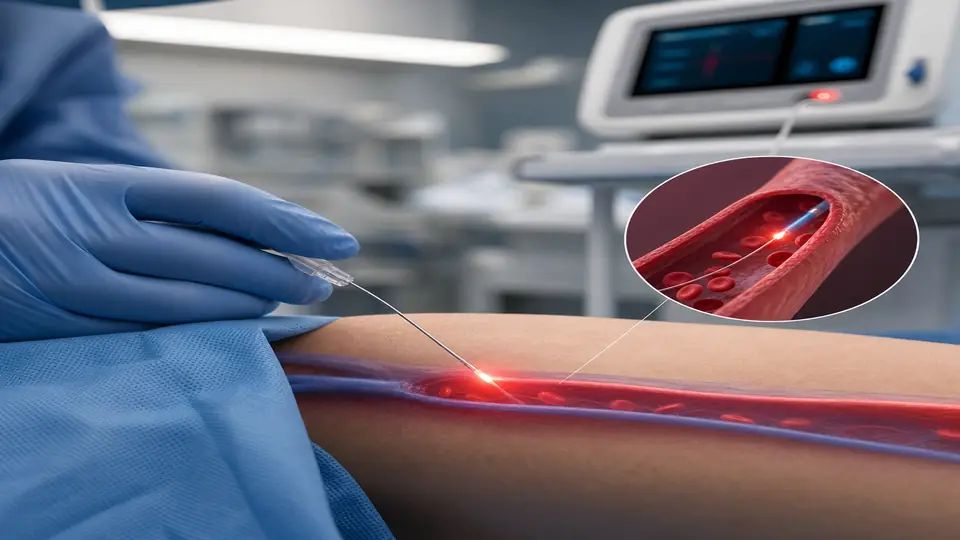
At a Glance
| Parameter | Details |
|---|---|
| Therapy | High-dose intravenous ascorbic acid (vitamin C) |
| Dose range | 7.5 g – 100 g per infusion |
| Frequency | 1–3× per week depending on indication |
| Infusion duration | 60–180 minutes |
| Key mechanism | Pro-oxidant at pharmacological doses; antioxidant at physiological doses |
| Mandatory pre-screen | G6PD enzyme deficiency test |
| Contraindications | G6PD deficiency, renal oxalate stones (relative), hemochromatosis |
| Evidence grade | Phase I/II trials (oncology); observational data (immune, viral) |
High-dose intravenous vitamin C (IVC) sits at the intersection of orthomolecular medicine and mainstream oncology research. What was once dismissed as fringe therapy has accumulated a credible body of Phase I/II clinical evidence, with pharmacokinetic data from the National Institutes of Health explaining why the IV route produces entirely different biological effects than oral supplementation. In clinical practice at my clinic in Germany, IVC is one of the most frequently requested and reliably tolerated adjunct infusions we offer — used across oncology support, post-COVID recovery, chronic viral reactivation, and immune modulation protocols.
Why IV Beats Oral: The Pharmacokinetic Argument
Oral vitamin C is subject to intestinal absorption saturation. Even at doses of 1,000 mg, plasma concentrations plateau at approximately 220 µmol/L due to tight intestinal and renal regulation. Bowel tolerance limits meaningful escalation — most patients experience diarrhea above 3–5 g/day orally.
Intravenous delivery bypasses gut absorption entirely. A 50 g IV infusion achieves plasma ascorbate concentrations of 14,000 µmol/L — roughly 70-fold higher than oral dosing can reach. These pharmacological concentrations are not merely quantitatively different; they are qualitatively different in their mechanism of action.
The Dual-Role Paradox
Vitamin C behaves as an antioxidant at physiological concentrations (below ~1,000 µmol/L) and transitions to a pro-oxidant at the pharmacological concentrations achieved with IV delivery. At high plasma levels, ascorbate reacts with transition metals (particularly in the extracellular matrix of tumors, which is iron-rich) to generate hydrogen peroxide. Normal cells defend themselves efficiently against hydrogen peroxide via catalase. Many cancer cell types have significantly reduced catalase activity, making them selectively vulnerable. This is the mechanistic basis for IVC as an oncology adjunct — and it is why dosing precision matters enormously.
Clinical Applications
1. Oncology Adjunct Therapy
The use of IVC alongside conventional cancer treatment is the most studied application. Mark Levine’s group at NIH demonstrated in 2005 that pharmacological doses of vitamin C were cytotoxic to multiple cancer cell lines while sparing normal cells. Subsequent Phase I trials from the University of Kansas and others have evaluated IVC in combination with gemcitabine (pancreatic cancer), carboplatin/paclitaxel (non-small cell lung cancer), and radiation therapy.
In my clinical experience, IVC is used as part of integrative oncology protocols to:
- Reduce chemotherapy-induced fatigue and oxidative damage — acting as a cytoprotectant for healthy tissue during treatment
- Augment tumor-directed oxidative stress in cancer cells during treatment windows
- Support immune reconstitution after chemotherapy cycles
- Improve quality of life metrics including energy, appetite, and pain tolerance
I want to be explicit about evidence hierarchy here: IVC is an adjunct, not a primary cancer treatment. It does not replace surgery, radiation, or chemotherapy. Phase II randomized controlled trial data is still emerging. Patients must be informed of this clearly.
2. Viral Illness and Chronic Viral Reactivation
High-dose vitamin C has a long history in antiviral medicine, predating modern clinical trials. At pharmacological doses, ascorbate interferes with viral replication, enhances neutrophil and NK cell function, and accelerates interferon production.
In patients with EBV reactivation, HHV-6, and post-COVID viral persistence, IVC (25–50 g, 2× weekly) is a core component of the viral immune reconstitution protocol. Several cohort studies published during the COVID-19 pandemic supported IVC use in hospitalized patients with moderate-to-severe illness, though large RCTs had mixed results — likely due to heterogeneous dosing and patient selection.
3. Post-COVID Recovery
Post-COVID syndrome frequently involves elevated oxidative stress markers, mitochondrial dysfunction, and microclot burden. IVC serves a multi-pronged role in recovery protocols:
- Antioxidant support to dampen residual neuroinflammation
- Cofactor for collagen synthesis and vascular endothelial repair
- Support for adrenal function (vitamin C is the highest-concentrated nutrient in the adrenal gland)
- Synergy with NAD+ infusions and glutathione for mitochondrial recovery
We typically sequence IVC with NAD+ IV infusions and IV glutathione in post-COVID protocols, staggering infusion days to avoid competition for oxidative status in the plasma.
4. Immune Maintenance and Infection Prevention
Lower-dose IVC (7.5–15 g, once weekly or biweekly) serves as an immune maintenance tool for patients with chronic infections, recurrent upper respiratory illness, or as seasonal prevention. At these doses, IVC operates primarily as an antioxidant, supporting T-cell proliferation, NK cell cytotoxicity, and neutrophil mobility without the pro-oxidant shift seen at higher doses.
Dosing Protocol and Administration
Dose Tiers by Indication
| Indication | Typical Dose | Frequency |
|---|---|---|
| Immune maintenance | 7.5–15 g | 1–2× per month |
| Viral illness support | 25–50 g | 2–3× per week |
| Post-COVID recovery | 25–50 g | 1–2× per week |
| Oncology adjunct | 50–100 g | 1–3× per week |
Preparation and Administration
IVC is prepared as a sterile solution in normal saline or sterile water, buffered to physiological pH with sodium bicarbonate to minimize vein irritation. The infusion rate for 50 g is approximately 1 g per minute, making a standard 50 g infusion run for 45–60 minutes. At 75–100 g doses, infusion times extend to 90–180 minutes to avoid osmolarity-related side effects (flushing, nausea, hypotension).
Patients should be well-hydrated before infusion. Oral hydration is preferred; we do not pre-hydrate with additional IV saline in most cases unless the patient is clinically dehydrated. A light meal 1–2 hours before infusion helps prevent hypoglycemia, as the glucose-like molecule vitamin C can cause a transient insulin spike.
Infusion Frequency and Duration of Course
For oncology patients undergoing active treatment: 2–3× weekly during treatment cycles. For post-COVID recovery: an initial 6–8 week intensive course (2× weekly), then tapering to monthly maintenance. For chronic viral reactivation: 3–6 months at 1–2× weekly, reassessed by clinical labs at 90 days.
Safety Considerations and Contraindications
G6PD Deficiency — Non-Negotiable Screening
Glucose-6-phosphate dehydrogenase (G6PD) deficiency is an X-linked enzyme disorder affecting an estimated 400 million people globally, with highest prevalence in Mediterranean, Middle Eastern, African, and South/Southeast Asian populations. In G6PD-deficient patients, high-dose oxidative load from IVC can trigger hemolytic anemia — potentially severe and life-threatening.
All patients must be tested for G6PD enzyme activity before receiving doses above 25 g. This is not optional protocol — it is a patient safety requirement. A normal G6PD result clears patients for all doses. G6PD-deficient patients may receive low doses (7.5 g) under careful monitoring but should not receive high-dose protocols.
Renal Oxalate Risk
Ascorbate is metabolized in part to oxalate, raising theoretical concerns about calcium oxalate kidney stone formation. In patients with a history of calcium oxalate nephrolithiasis or known hyperoxaluria, IVC above 25 g is used with caution and requires baseline and periodic urinary oxalate monitoring. Adequate hydration (minimum 2 L/day on infusion days) partially mitigates this risk. Patients with pre-existing chronic kidney disease (CrCl <60 mL/min) should be managed conservatively with dose reduction.
Iron Overload States
Ascorbate enhances non-heme iron absorption and can mobilize stored iron, which is a concern in hemochromatosis and transfusional iron overload states. In these patients, ferritin and transferrin saturation should be optimized before initiating IVC.
Drug Interactions
- Bortezomib (Velcade): Preclinical evidence suggests ascorbate may interfere with bortezomib’s mechanism of action. IVC and bortezomib should be separated by at least 24 hours in myeloma protocols; discuss with the treating hematologist.
- Statins: No clinically significant interaction at standard IVC doses.
- Warfarin: High-dose ascorbate may alter INR in some patients; monitor anticoagulation status.
Infusion Reactions
IVC is generally well-tolerated. Mild reactions include transient flushing, warmth, mild headache, and hypoglycemic symptoms (addressed by pre-infusion meal). Rapid infusion rates cause nausea and osmolarity symptoms — always infuse at the prescribed rate. Vein irritation can occur with repeated infusions; port access or PICC lines are considered for patients on intensive long-term protocols.
IV vs Oral Vitamin C: Key Differences
This comparison matters because patients frequently ask whether “just taking more vitamin C supplements” achieves the same effect.
| Oral Vitamin C | IV Vitamin C | |
|---|---|---|
| Max plasma concentration | ~220 µmol/L | 14,000–20,000 µmol/L |
| Mechanism at max dose | Antioxidant only | Pro-oxidant + antioxidant |
| Dose ceiling | ~3–5 g (bowel tolerance) | 50–100 g |
| Bioavailability | 70–90% at low doses; <50% at high doses | 100% |
| Cancer cell cytotoxicity | Not demonstrated | Demonstrated in vitro and Phase I data |
| Cost | Very low | Moderate (clinic preparation and administration) |
| Convenience | Self-administered | Clinic visit required |
The pharmacological gap between oral and IV vitamin C is simply not bridgeable by oral dosing — this is one of the clearest examples in integrative medicine where the delivery route fundamentally changes what the therapy is.
Who Benefits Most?
Based on clinical response and evidence quality, the patients most likely to derive meaningful benefit from IVC are:
- Integrative oncology patients seeking to support conventional treatment, reduce side effect burden, and maintain immune function during chemotherapy or radiation
- Post-COVID patients with persistent fatigue, cognitive symptoms, or elevated inflammatory markers who have not responded fully to oral supplementation protocols
- Patients with chronic viral reactivation (EBV, HHV-6, CMV) experiencing recurrent symptom flares, especially in the context of immune dysregulation from Lyme disease or mold/CIRS illness
- Patients preparing for or recovering from major procedures including hyperthermia sessions or apheresis, where antioxidant status supports tissue recovery
- Patients with high oxidative stress burden on laboratory testing (elevated 8-OHdG, low glutathione, low SOD)
IVC is not a standalone therapy and is not appropriate as a first-line treatment for any of these conditions. It functions best as part of a broader integrative protocol guided by comprehensive laboratory assessment and clinical evaluation.
Related Articles
- IV Glutathione: The Master Antioxidant Infusion
- NAD+ IV Therapy: What to Expect and Who Benefits
- Ozone Therapy vs IV Laser: Comparative Evidence
- Post-COVID Recovery Protocol
- Integrative Oncology: A Physician’s Guide
References
- Padayatty SJ, et al. “Vitamin C pharmacokinetics: implications for oral and intravenous use.” Ann Intern Med. 2004;140(7):533–537. PMID: 15068981
- Chen Q, et al. “Pharmacologic doses of ascorbate act as a prooxidant and decrease growth of aggressive tumor xenografts in mice.” Proc Natl Acad Sci USA. 2008;105(32):11105–11109. PMID: 18678913
- Hoffer LJ, et al. “Phase I clinical trial of i.v. ascorbic acid in advanced malignancy.” Ann Oncol. 2008;19(11):1969–1974. PMID: 18544557
- Riordan HD, et al. “Intravenous ascorbate as a tumor cytotoxic chemotherapeutic agent.” Med Hypotheses. 1995;44(3):207–213. PMID: 7609676
- Carr AC, Maggini S. “Vitamin C and immune function.” Nutrients. 2017;9(11):1211. PMID: 29099763
- Marik PE, et al. “Hydrocortisone, Vitamin C and Thiamine for the Treatment of Severe Sepsis and Septic Shock.” Chest. 2017;151(6):1229–1238. PMID: 27940189
- Ma Y, et al. “High-dose parenteral ascorbate enhanced chemosensitivity of ovarian cancer and reduced toxicity of chemotherapy.” Sci Transl Med. 2014;6(222):222ra18. PMID: 24500406