If you have been diagnosed with cancer and you are searching for “integrative oncology,” I need to tell you something immediately: this is not about choosing between conventional medicine and something else. That is a false choice that has cost lives.
Integrative oncology means using evidence-based complementary therapies alongside surgery, chemotherapy, radiation, and immunotherapy — not instead of them. The goal is to make conventional treatment more effective, reduce its side effects, support your immune system, and preserve your quality of life throughout the process.
My father, Friedrich Douwes, founded Klinik St. Georg in 1991 with exactly this philosophy. He was an oncologist who saw that chemotherapy alone was insufficient for many patients — not because chemotherapy does not work, but because the body fighting cancer needs more support than a single modality can provide. Thirty-five years later, the evidence has caught up with that clinical intuition.
Here is what integrative oncology actually is, what it is not, and what the data shows.
At a Glance
| Property | Value |
|---|---|
| Evidence Level | Moderate to Strong (modality-dependent) |
| Primary Use | Complementary support during and after conventional cancer treatment |
| Key Principle | Enhance conventional treatment efficacy, reduce side effects, support immune function |
| Clinical Experience | 35+ years, Klinik St. Georg |
What Integrative Oncology Is Not
Let me be direct about what this field is not, because the confusion causes real harm.
It is not alternative medicine. The word “alternative” implies replacement. Patients who replace chemotherapy or surgery with unproven therapies die from curable cancers. We have seen this at Klinik St. Georg. It is tragic and it is preventable. No responsible physician advocates for this.
It is not anti-science. Every therapy I will discuss in this article has a mechanism of action, a body of clinical evidence, and published research. The evidence varies in strength — I will grade it honestly — but this is not faith healing.
It is not wellness fluff. Integrative oncology is not about “positive thinking” curing cancer or “alkaline diets” changing tumor biology. These claims are not supported by evidence and they are harmful when they replace effective treatment.
It is not the same as “complementary and alternative medicine” (CAM). CAM is a broad category that includes everything from acupuncture to homeopathy. Integrative oncology is more specific: it refers to evidence-based complementary therapies used in conjunction with conventional oncological treatment, selected by physicians based on the individual patient’s cancer type, treatment plan, and clinical needs.
What integrative oncology actually is: a systematic approach to combining the best of conventional oncology with complementary therapies that have demonstrable mechanisms and clinical evidence. The medicine has evolved. The philosophy has not.
Hyperthermia: The Most Evidence-Based Complementary Oncology Therapy
If integrative oncology had to be reduced to a single modality, hyperthermia would be it. The evidence is the most robust, the mechanisms are the best understood, and the clinical experience is the deepest.
How It Works
Hyperthermia — controlled heating of tumor tissue to 40-43 degrees Celsius — exploits fundamental biological differences between cancer cells and healthy tissue. Cancer cells have disorganized blood vessel networks (chaotic tumor vasculature) that cannot dissipate heat efficiently. When the tissue temperature rises, cancer cells experience:
- DNA repair inhibition: Heat interferes with the enzymes that cancer cells use to repair DNA damage caused by chemotherapy and radiation. This is the mechanism behind the synergy with conventional treatment [1].
- Increased drug uptake: Hyperthermia increases blood flow to the tumor periphery and enhances cell membrane permeability, allowing chemotherapy drugs to penetrate deeper into the tumor [2].
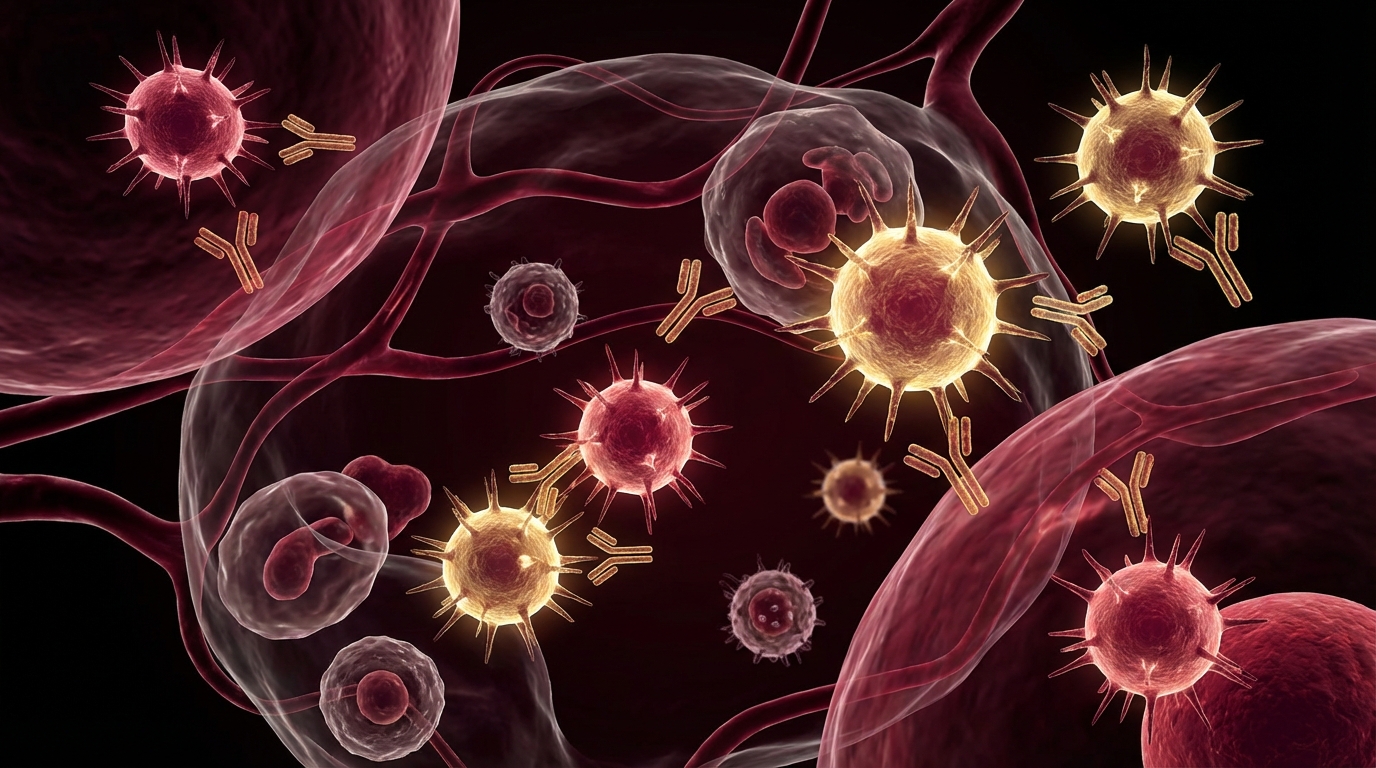
- Immune activation: Temperatures above 39 degrees Celsius induce heat shock proteins on tumor cell surfaces, making them more visible to the immune system. This is essentially a form of in-situ vaccination.
- Direct cytotoxicity: At the higher end of the therapeutic range (42-43 degrees Celsius), heat directly kills cancer cells through protein denaturation and membrane damage.
The Evidence
This is what the research actually says:
Cervical cancer: A Cochrane review — the gold standard of evidence synthesis — found that adding hyperthermia to radiation significantly improved complete response rates, local control, and overall survival [3]. This is strong evidence.
Breast cancer (recurrent/advanced): Multiple randomized trials demonstrate improved response rates when hyperthermia is combined with chemotherapy or radiation [4].
Soft tissue sarcoma: The EORTC 62961 trial showed that regional hyperthermia combined with chemotherapy improved local progression-free survival compared to chemotherapy alone [5].
Bladder cancer, melanoma, head and neck cancers: Consistent evidence of benefit when hyperthermia is added to conventional treatment, though the evidence base varies by tumor type.
Our Experience
At Klinik St. Georg, we have used hyperthermia in oncology for over three decades. We employ both local/regional hyperthermia (targeting the tumor area) and whole-body hyperthermia therapy (moderate fever-range, approximately 40 degrees Celsius, for systemic immune activation).
What I observe in practice is that hyperthermia is most impactful when it is integrated into the treatment plan from the beginning — not added as an afterthought when conventional treatment has failed. The synergy with chemotherapy and radiation is strongest when treatments are coordinated in timing and sequence.
The treatment is well-tolerated. Side effects are typically limited to temporary fatigue and localized discomfort. Serious adverse events are rare when the treatment is administered by experienced physicians with proper temperature monitoring.
Mistletoe Extract (Viscum album / Iscador)
Mistletoe extract is the most commonly used complementary oncology therapy in German-speaking countries. It is also one of the most controversial internationally — not because the evidence is weak, but because many English-speaking oncologists have never reviewed it.
Mechanism
Mistletoe lectins (ML-I, ML-II, ML-III) and viscotoxins have multiple relevant mechanisms:
- Induction of apoptosis (programmed cell death) in cancer cells
- Enhancement of NK cell cytotoxicity and T cell activation
- Induction of cytokine release (IL-1, IL-6, TNF-alpha) that supports anti-tumor immune response
- Improvement in quality of life markers — fatigue, appetite, sleep, emotional well-being
The Evidence
Quality of life: This is where the evidence is strongest. Multiple randomized controlled trials and systematic reviews demonstrate significant improvements in quality of life parameters during chemotherapy when mistletoe extract is administered concurrently [6]. Patients experience less fatigue, better appetite, improved sleep, and greater emotional resilience. This is not a small thing when you are going through cancer treatment.
immune modulation strategies: The evidence for immune-enhancing effects is moderate. Studies consistently show increased NK cell activity, enhanced cytokine production, and improved lymphocyte counts in patients receiving mistletoe extract [7].
Survival: Here I must be carefully honest. Some observational studies and smaller trials suggest survival benefits, particularly in pancreatic and breast cancer. A 2019 systematic review found trends toward improved survival in several cancer types. However, the evidence is not at the level of large, multicenter randomized trials. I present this to patients as “encouraging data that has not yet been confirmed by definitive trials” — which is the honest framing.
Safety: Mistletoe extract is remarkably well-tolerated. Local injection site reactions are common (redness, swelling) and are actually considered an indicator of immune response. Serious adverse events are rare.
Our Approach
We use standardized mistletoe preparations (Iscador, among others), administered by subcutaneous injection on an individualized schedule. The dose is titrated based on the patient’s immune response (local reaction, body temperature, and immune markers). We integrate mistletoe therapy into the broader oncological treatment plan, coordinated with chemotherapy and other interventions.
What I tell my patients: mistletoe therapy has strong evidence for improving quality of life during cancer treatment, moderate evidence for immune enhancement, and promising but not yet definitive evidence for survival benefit. It is not a cancer cure. It is a meaningful adjunct that makes treatment more tolerable and potentially more effective.
Immune Modulation in Oncology
Cancer exists because the immune system failed to eliminate it. Every cancer cell has mutations that should, in theory, make it visible to immune surveillance. The fact that the tumor grew means those surveillance mechanisms were evaded or suppressed.
Immune modulation in integrative oncology aims to restore and enhance the anti-tumor immune response. This is distinct from — but complementary to — the checkpoint inhibitor immunotherapy used in conventional oncology.
What We Use
thymosin alpha-1 immune therapy: An immune-modulating peptide that enhances T cell maturation and function. Approved in 35+ countries for hepatitis B and as an immune adjuvant. In oncology, it is used to support immune reconstitution during and after chemotherapy, which is profoundly immunosuppressive. The evidence base is moderate — clinical data shows improved immune parameters and potentially reduced infection rates during chemotherapy [8].
High-dose intravenous vitamin C: This is a frequently misunderstood intervention. At pharmacological doses (15-75g IV), vitamin C acts as a pro-oxidant in the tumor microenvironment, generating hydrogen peroxide that selectively damages cancer cells while sparing normal tissue. Phase I/II trial data shows it is safe in combination with chemotherapy and may improve quality of life and reduce chemotherapy side effects [9]. It does not replace chemotherapy. It may make it more tolerable. For a detailed breakdown of dosing tiers, G6PD screening requirements, and sequencing with other IV therapies, see our high-dose IV vitamin C clinical guide.
Dendritic cell therapy: An individualized immunotherapy approach where the patient’s own dendritic cells are isolated, loaded with tumor antigens, and reinfused to stimulate a targeted anti-tumor immune response. The evidence is emerging — this is an active area of clinical research with promising early results in several cancer types.
Ozone therapy (major autohemotherapy): Used as an immune modulator and to improve oxygen utilization. The evidence in oncology is limited but the treatment is well-tolerated and may support overall immune function during treatment.
Supportive Care: What Keeps Patients in Treatment
Here is something oncologists do not talk about enough: the best cancer treatment in the world does not work if the patient cannot tolerate it long enough to complete the course.
Dose reductions, treatment delays, and premature discontinuation due to side effects are major factors in reduced treatment efficacy. Integrative supportive care aims to keep patients functional, nourished, and emotionally resilient throughout treatment.
Nutrition support: Cancer and chemotherapy create specific nutritional demands. Protein requirements increase. Micronutrient depletion accelerates. GI function is compromised. Targeted nutritional support — not generic “eat healthy” advice, but specific, evidence-based supplementation guided by lab work — makes a measurable difference.
Anti-nausea management: Beyond standard antiemetics, ginger extract, acupuncture, and specific micronutrient support can reduce chemotherapy-induced nausea. The evidence for acupuncture in chemotherapy-induced nausea is actually strong — multiple RCTs support it [10].
Fatigue management: Cancer-related fatigue is multifactorial. Exercise (carefully graduated), mistletoe therapy, mitochondrial support (CoQ10, L-carnitine), and sleep optimization all contribute to managing what patients consistently rate as their most distressing symptom.
Psycho-oncological support: The psychological burden of cancer is enormous. Evidence-based psychological support — not toxic positivity, but genuine therapeutic support — improves quality of life and, in some studies, correlates with improved treatment adherence.
What 35 Years Have Taught Us
My father began this work in 1991. I grew up inside it and now continue it with a more data-driven, systematized approach. Here is what three decades of institutional experience have taught us:
Timing matters. Integrative therapies are most effective when they are part of the treatment plan from day one — not added as a last resort when conventional treatment has failed. The synergies are real, but they require coordination.
Individualization is not optional. A pancreatic cancer patient receiving gemcitabine needs a fundamentally different integrative support protocol than a breast cancer patient receiving taxane-based chemotherapy. Cookie-cutter approaches are insufficient.
Evidence evolves. Some therapies we used 20 years ago have been refined or replaced as better evidence emerged. Some therapies considered fringe 20 years ago are now mainstream. The willingness to evolve with the evidence while maintaining clinical observation is what defines this work.
Patients are not statistics. Population-level evidence guides treatment selection. But the patient in front of you is an individual with a unique cancer biology, unique comorbidities, unique treatment tolerance, and unique priorities. In my clinical experience, the best outcomes come from applying evidence-based medicine with the flexibility to adapt to the individual.
The Bottom Line
Integrative oncology is not an alternative to conventional cancer treatment. It is the intelligent combination of evidence-based complementary therapies — hyperthermia, mistletoe extract, immune modulation, and comprehensive supportive care — with conventional surgery, chemotherapy, radiation, and immunotherapy.
The evidence supports this approach. The clinical experience of 35+ years at Klinik St. Georg confirms it. And the patients who benefit from it — who tolerate treatment better, maintain quality of life, and potentially achieve better outcomes — are the reason this work matters.
If you are navigating a cancer diagnosis, seek physicians who are fluent in both conventional and complementary oncology. Demand evidence for everything they propose. And reject anyone who tells you to choose one side or the other. The best medicine uses every tool in the toolshed.

References
- Issels RD. Hyperthermia adds to chemotherapy. European Journal of Cancer. 2008;44(17):2546-2554. doi:10.1016/j.ejca.2008.07.038
- Hildebrandt B, et al. The cellular and molecular basis of hyperthermia. Critical Reviews in Oncology/Hematology. 2002;43(1):33-56. doi:10.1016/S1040-8428(01)00179-2
- Lutgens L, et al. Radiation therapy combined with hyperthermia versus cisplatin for locally advanced cervical cancer: Results of the randomized RADCHOC trial. Cochrane Database of Systematic Reviews. 2010;(3):CD006377. doi:10.1002/14651858.CD006377.pub2
- Vernon CC, et al. Radiotherapy with or without hyperthermia in the treatment of superficial localized breast cancer: Results from five randomized controlled trials. International Journal of Radiation Oncology, Biology, Physics. 1996;35(4):731-744. doi:10.1016/0360-3016(96)00154-X
- Issels RD, et al. Neo-adjuvant chemotherapy alone or with regional hyperthermia for localised high-risk soft-tissue sarcoma: a randomised phase 3 multicentre study. Lancet Oncology. 2010;11(6):561-570. doi:10.1016/S1470-2045(10)70071-1
- Kienle GS, Kiene H. Influence of Viscum album L (European Mistletoe) Extracts on Quality of Life in Cancer Patients: A Systematic Review of Controlled Clinical Studies. Integrative Cancer Therapies. 2010;9(2):142-157. doi:10.1177/1534735410369673
- Huber R, et al. Immunological effects of mistletoe extract (Iscador) in patients with cancer. Phytomedicine. 2006;13(Suppl 5):29-39. doi:10.1016/j.phymed.2006.09.006
- Dominari A, et al. Thymosin alpha 1: A comprehensive review of the literature. World Journal of Virology. 2020;9(5):67-78. doi:10.5501/wjv.v9.i5.67
- Padayatty SJ, et al. Intravenously administered vitamin C as cancer therapy: three cases. Canadian Medical Association Journal. 2006;174(7):937-942. doi:10.1503/cmaj.050346
- Garcia MK, et al. Systematic review of acupuncture in cancer care: a synthesis of the evidence. Journal of Clinical Oncology. 2013;31(7):952-960. doi:10.1200/JCO.2012.43.5818
This content is educational and does not constitute medical advice. Cancer treatment requires individualized medical evaluation by qualified oncologists.