At a Glance
| Property | Value |
|---|---|
| Protocol | Post-COVID Recovery Protocol |
| Evidence Level | Emerging (preclinical and early clinical data) |
| Duration | 12 weeks |
| Key Takeaway | A multi-pillar post-COVID recovery protocol addressing persistent inflammation, microclot-related endothelial dysfunction, immune… |
Post-COVID syndrome — persistent symptoms lasting weeks to months after acute SARS-CoV-2 infection — affects an estimated 10-30% of COVID patients. The presentation is variable, but the most common complaints are fatigue, cognitive dysfunction (“brain fog”), exercise intolerance, shortness of breath, and sleep disruption.
The underlying mechanisms are still being characterized, but the current evidence points to several interconnected pathways: persistent inflammation, endothelial dysfunction with microclot formation, immune dysregulation, mitochondrial impairment, and, in some patients, viral persistence or reactivation of latent viruses (particularly EBV).
Dr. Beate Jaeger’s important research on microclots, endothelial dysfunction, and impaired microcirculation has been a significant contribution to our understanding of post-COVID pathophysiology. Her work, which we follow closely at Klinik St. Georg, frames these vascular changes as an important research direction in understanding why some patients develop persistent symptoms.
This protocol addresses the major pathophysiological mechanisms with evidence-based supportive interventions. It is a framework, not a prescription. Individual variation in post-COVID presentation is significant, and treatment should be guided by diagnostic assessment.
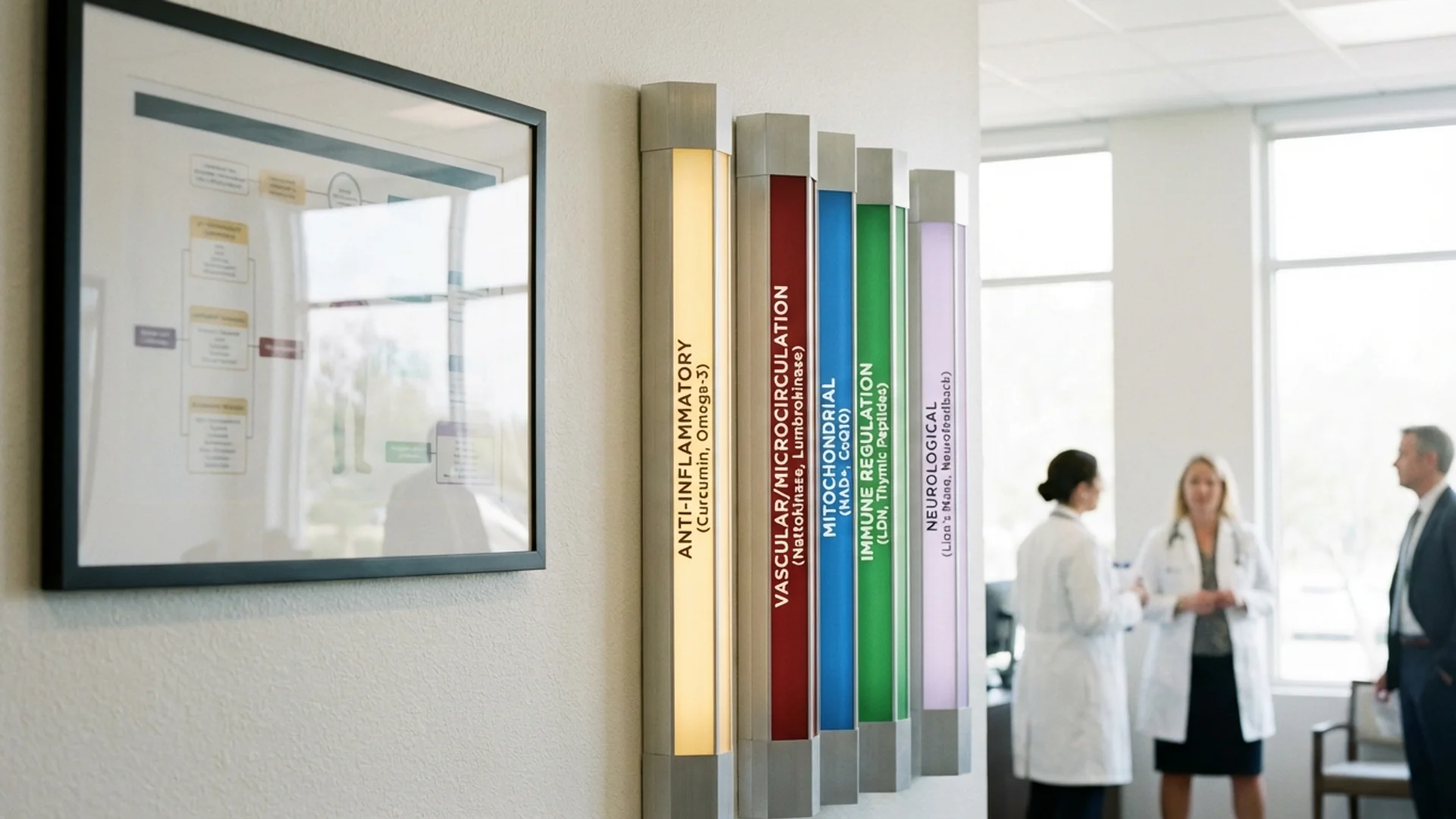
Pillar 1: Anti-Inflammatory Support
Persistent inflammation — elevated CRP, IL-6, TNF-alpha — is documented in a majority of post-COVID patients. Addressing this is the first priority.
Supplement Dose Evidence Level Purpose
Curcumin (bioavailable) 500-1,000 mg daily Strong (RCTs for NF-kB) Systemic anti-inflammatory
Quercetin 500-1,000 mg daily Moderate (controlled studies) Anti-inflammatory, mast cell stabilization, zinc ionophore
Vitamin D3 + K2 5,000-10,000 IU D3 daily Strong (RCTs) Immune regulation, anti-inflammatory. Target 50-70 ng/mL
NAC (N-acetyl cysteine) 600-1,200 mg daily Strong (RCTs) Glutathione precursor, mucolytic, anti-inflammatory
Pillar 2: Vascular and Microcirculation Support
Microclot formation and endothelial dysfunction are emerging as central mechanisms in post-COVID syndrome. Dr. Beate Jaeger’s research has documented fibrin amyloid microclots that trap inflammatory molecules and impair microcirculation in post-COVID patients. This is an important research direction, and the therapeutic implications are still being established.
Supplement Dose Evidence Level Purpose
Omega-3 (EPA/DHA) (included above) Strong Anti-platelet, endothelial support
Vitamin E (mixed tocopherols) 400 IU daily Moderate (controlled studies) Antioxidant, endothelial protection
Pycnogenol (pine bark extract) 100-200 mg daily Moderate (controlled studies) Endothelial function, anti-inflammatory, microcirculation
L-Arginine 3-6 g daily Moderate (controlled studies) Nitric oxide precursor, vasodilation
Important note: Nattokinase has fibrinolytic properties. Patients on anticoagulant therapy (warfarin, DOACs) should not take nattokinase without physician supervision due to potential additive anticoagulant effects.
On the microclot hypothesis: I want to be transparent that the microclot-endothelial dysfunction model, while supported by Dr. Jaeger’s research and corroborated by other groups, is still an active area of investigation. It represents our best current understanding of one pathophysiological pathway, not a fully settled scientific consensus. Treatment approaches targeting this pathway should be considered as reasoned clinical interventions based on available evidence, not as validated protocols backed by large RCTs.
Pillar 3: Mitochondrial and Energy Support
Exercise intolerance and fatigue in post-COVID syndrome likely involve mitochondrial dysfunction and cellular energy. Supporting mitochondrial energy production is a logical therapeutic target.
Supplement Dose Evidence Level Purpose
PQQ (pyrroloquinoline quinone) 20 mg daily Emerging (preclinical + early human data) Mitochondrial biogenesis support
D-Ribose 5 g three times daily Moderate (controlled studies in CFS/fibromyalgia) ATP substrate, energy recovery
B complex (methylated) 1-2 capsules daily Strong (RCTs for B vitamins in energy metabolism) Mitochondrial cofactors
Magnesium (bisglycinate) 400-600 mg daily Strong (RCTs) ATP production cofactor, muscle function
Alpha-lipoic acid 300-600 mg daily Moderate (controlled studies) Mitochondrial antioxidant, glucose metabolism
Pillar 4: Immune Regulation
Post-COVID immune dysregulation can include persistent T cell activation, NK cell depletion, and in some patients, reactivation of latent viruses (EBV, CMV).
Supplement Dose Evidence Level Purpose
Selenium 200 mcg daily Strong (RCTs) NK cell activity, selenoprotein synthesis
Medicinal mushrooms Per product dosing Moderate (controlled studies) Beta-glucan immune modulation
Vitamin C 2,000-4,000 mg daily Moderate (controlled studies) Immune cell support
Probiotics (multi-strain) 50-100 billion CFU Moderate (strain-specific RCTs) Gut-immune axis support
For patients with documented EBV reactivation (elevated EBV VCA IgM or early antigen), additional immune support may include lysine (1-3 g daily, based on the lysine-arginine ratio concept — traditional evidence) and monolaurin (1-3 g daily — emerging evidence for antiviral activity).
Pillar 5: Neurological and Cognitive Support
Brain fog, concentration difficulties, and memory impairment are among the most debilitating post-COVID symptoms.
Supplement Dose Evidence Level Purpose
Omega-3 DHA (included above) — Strong Neuronal membrane integrity
Phosphatidylserine 100-300 mg daily Moderate (controlled studies) Cognitive function, cortisol modulation
Curcumin (included above) — Strong Neuroinflammation reduction
Lifestyle Framework
Pacing. Post-exertional malaise (PEM) — symptom worsening after physical or cognitive exertion — is a hallmark of post-COVID syndrome. Patients must stay within their energy envelope. Pushing through fatigue is counterproductive and can trigger setbacks lasting days to weeks. Activity should be gradually increased only as tolerated, without triggering PEM.
Sleep. Sleep disturbance is both a symptom and an exacerbating factor. See the sleep optimization protocol for detailed strategies.
Breathwork. Diaphragmatic breathing exercises and vagus nerve stimulation techniques (cold face immersion, slow exhalation) support parasympathetic tone and may help with autonomic dysfunction, which is common in post-COVID patients.
Anti-inflammatory diet. Mediterranean-style dietary pattern with emphasis on omega-3-rich foods, colorful vegetables, and minimal processed food.
When to Seek Medical Help
- New or worsening chest pain or shortness of breath
- Heart palpitations or resting heart rate consistently above 100 bpm
- Persistent fever
- Neurological symptoms that are new or worsening (weakness, numbness, vision changes)
- Severe depression or suicidal thoughts
- Inability to perform basic daily activities
- Symptoms that have not improved after 12 weeks of consistent protocol adherence
Clinical Perspective
Post-COVID syndrome is a humbling condition for physicians. Our understanding is incomplete, our treatments are imperfect, and the variability between patients is enormous. Some patients recover fully within weeks. Others struggle for months or years.
What I tell my post-COVID patients: recovery is possible, but it is rarely linear. There will be good days and setbacks. The protocol provides a framework for supporting the biological processes that drive recovery. But patience, pacing, and persistence are as important as any supplement.
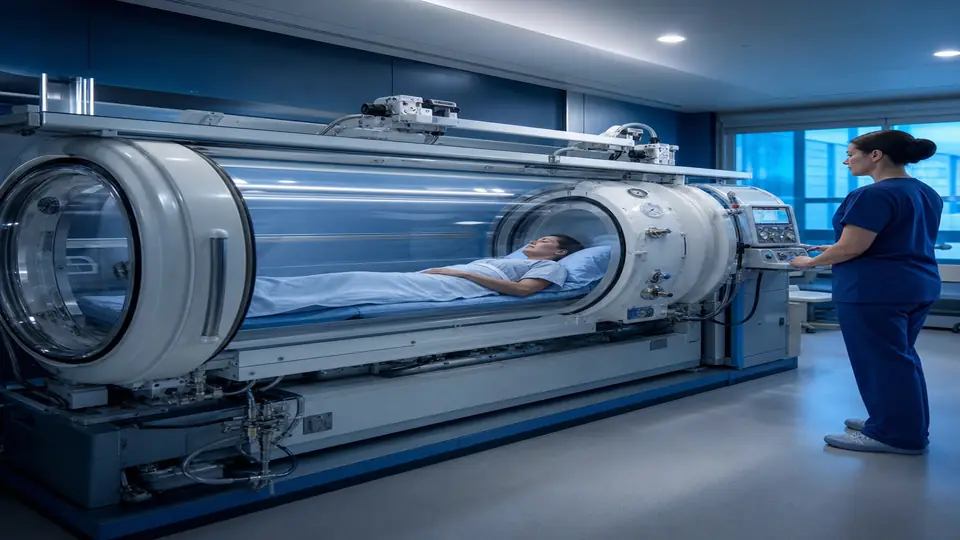
At Klinik St. Georg, we offer more intensive interventions for post-COVID patients — IV therapies, hyperthermia, therapeutic apheresis, hyperbaric oxygen therapy (backed by RCT evidence for post-COVID cognitive and perfusion improvements), and comprehensive immune modulation. This home protocol is not a substitute for those treatments in moderate to severe cases. It is a complement, or a starting point for patients who are not yet ready for intensive clinical treatment.
References
-
Davis HE, et al. “Characterizing Long COVID in an International Cohort: 7 Months of Symptoms and Their Impact.” EClinicalMedicine, 38, 101019 (2021). PMID: 34308300.
-
Pretorius E, et al. “Persistent Clotting Protein Pathology in Long COVID/Post-Acute Sequelae of COVID-19 (PASC) Is Accompanied by Increased Levels of Antiplasmin.” Cardiovascular Diabetology, 20(1), 172 (2021). PMID: 34425843.
-
RECOVERY Collaborative Group. “Dexamethasone in Hospitalized Patients with Covid-19.” New England Journal of Medicine, 384(8), 693-704 (2021). PMID: 32678530.
-
Al-Aly Z, et al. “High-Dimensional Characterization of Post-Acute Sequelae of COVID-19.” Nature, 594(7862), 259-264 (2021). PMID: 33887749.
-
Calder PC. “n-3 Polyunsaturated Fatty Acids, Inflammation, and Inflammatory Diseases.” American Journal of Clinical Nutrition, 83(6 Suppl), 1505S-1519S (2006). PMID: 16841861.
Disclaimer: This protocol is provided for educational purposes and reflects one physician’s clinical approach. Post-COVID syndrome is a complex condition that may require comprehensive medical evaluation and treatment. Consult a qualified physician before beginning any new supplement protocol.