At a Glance
| Feature | Detail |
|---|---|
| Full name | Gonadorelin; gonadotropin-releasing hormone (GnRH), luteinising hormone-releasing hormone (LHRH) |
| Class / size | Native decapeptide, 1,182 Da, identical to endogenous GnRH |
| Origin | Isolated and sequenced in the early 1970s; the pulsatility principle established in 1978 |
| Mechanism | Agonist at pituitary GnRH receptors, triggering LH and FSH release. Pulsatile delivery stimulates; continuous delivery desensitises and downregulates |
| Used for | Pituitary stimulation testing; pulsatile pump therapy for hypogonadotropic hypogonadism and hypothalamic amenorrhoea. Widely used off-label as an hCG substitute alongside testosterone therapy |
| Route | Intravenous or subcutaneous; pulsatile therapy uses a programmable pump |
| Typical dose range | Diagnostic: 100 mcg IV single dose. Pulsatile therapy: 5-25 ng/kg per pulse every 90-120 min, or 5 mcg (IV) to 15 mcg (SC) per pulse. Practice: 100-200 mcg SC, 2-3x weekly |
| Evidence level | Strong for diagnostic testing and for pulsatile pump therapy in GnRH deficiency (decades of controlled and comparative studies); Limited for the twice-weekly injection pattern used alongside testosterone therapy, which has no trial |
| Regulatory status | Branded US products discontinued; compounded gonadorelin widely dispensed. Registered in parts of Europe for pulsatile therapy. WADA: prohibited in males. Germany: named in the AntiDopG annex, 40 mg threshold |
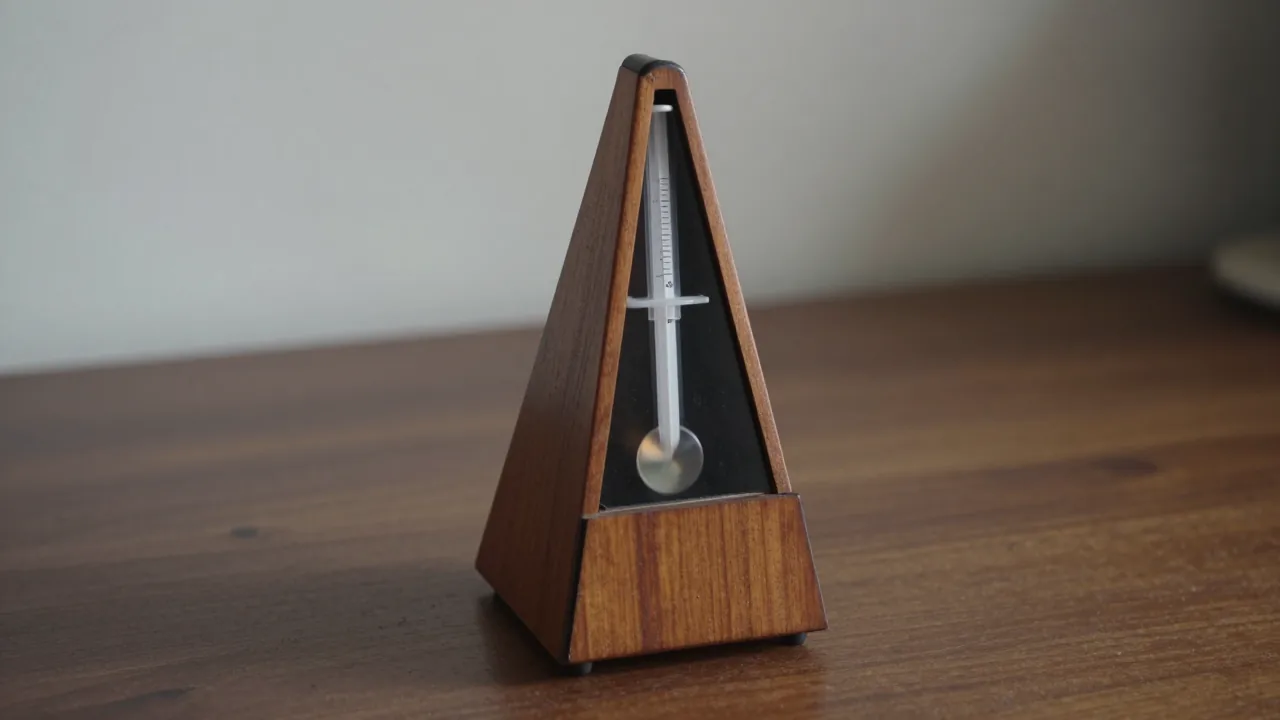
Gonadorelin is one of the few compounds in this library that is unambiguously real medicine with a long evidence base, and simultaneously one of the most misused. The physiology is settled: the hypothalamus releases GnRH in pulses roughly every 60 to 120 minutes, the pituitary reads that rhythm, and LH and FSH follow. Reproduce the rhythm and the axis works. Flatten it and the axis shuts down.
The honest verdict depends entirely on how it is given. As a diagnostic bolus, gonadorelin is a validated tool. As pulsatile pump therapy, it restores fertility in people with hypothalamic GnRH deficiency, with results documented over decades. As a twice-weekly subcutaneous injection alongside testosterone therapy, which is how most people now encounter it, there is no trial evidence, the pharmacokinetics are unfavourable, and the community that uses it is increasingly sceptical that it does what hCG did.
That last point deserves to be stated carefully, because gonadorelin’s popularity has nothing to do with new evidence. It rose because hCG became hard to compound in the United States, and a peptide acting one step upstream was available.
How it works
GnRH is a decapeptide released from hypothalamic neurons into the portal circulation reaching the anterior pituitary, where it binds gonadotroph GnRH receptors and triggers LH and FSH secretion. Downstream, LH drives testicular Leydig cell testosterone production in men and ovarian steroidogenesis and ovulation in women, while FSH supports spermatogenesis and follicular development.
Pulsatility is the mechanism, not a detail. In rhesus monkeys with hypothalamic lesions that abolished pituitary gonadotropin release, constant infusion of exogenous GnRH failed to restore sustained gonadotropin secretion, while intermittent administration once per hour, the physiological frequency in that species, reestablished it. The effect depended on the pattern of delivery rather than the total amount, and switching a restored animal to continuous administration produced desensitisation and downregulation of the release machinery (Belchetz 1978). Every GnRH agonist used to suppress testosterone in prostate cancer exploits the second half of that finding.
The half-life sets the rules. Gonadorelin’s plasma half-life is a few minutes, which is why therapeutic use requires a pump and why diagnostic use is a single bolus. It is also why a twice-weekly injection cannot mimic physiology: it delivers two brief pulses a week into a system that normally receives eight to a dozen per day.
Why gonadorelin and hCG are not interchangeable. Gonadorelin needs a responsive pituitary to work; hCG bypasses the pituitary entirely and stimulates testicular LH receptors directly, with a half-life of roughly 36 hours. On testosterone therapy the pituitary is already suppressed by exogenous androgen feedback, which is exactly the setting in which an upstream agent is least likely to perform.
Kisspeptin sits one step further upstream. A direct comparison of intravenous kisspeptin-10, kisspeptin-54 and GnRH in healthy men quantified their different effects on gonadotropin secretion (Jayasena 2015), and kisspeptin has its own article in this library.
What the evidence shows
Human data: diagnostic use
A standard GnRH stimulation test uses 100 mcg intravenously with LH and FSH sampling. Its clinical value is illustrated in a study of men with prior long-term androgen use and persistent hypogonadotropic hypogonadism: 13 former androgen users received a standard 100 mcg GnRH test followed by an hCG test, with healthy men and untreated men with idiopathic hypogonadotropic hypogonadism as comparators. Only 5 of 13 former androgen users reached an LH peak above the fifth-percentile reference value after GnRH, and none reached a normal testosterone response after 72-hour hCG stimulation (Flanagan 2015). That is a useful piece of evidence about recovery after androgen use, and it also shows what the test is for.
Human data: pulsatile therapy
Men. 76 men with idiopathic hypogonadotropic hypogonadism received pulsatile GnRH therapy for 12 to 24 months, initiated at 5 to 25 ng/kg per pulse subcutaneously and titrated to normal adult male testosterone. LH normalised in 97% and testosterone in 93%. Men with partial or adult-onset disease achieved normal testicular size in 92% of cases, while those with absent prior pubertal development, among whom 40% had cryptorchidism, did worse. Baseline testicular development was the main predictor of outcome (Pitteloud 2002).
Comparison with exogenous gonadotropins. Eight men with isolated hypogonadotropic hypogonadism who had already reached maximal testicular growth on hCG plus hMG were switched to pulsatile GnRH. Testicular size increased a further 53% in those who normalised testosterone, but sperm output did not follow: two previously azoospermic men remained azoospermic and two had minimal increases. The conclusion was that pulsatile GnRH stimulates testicular growth more effectively than stable gonadotropin concentrations, but not necessarily sperm output (Liu 1988a). A parallel two-year comparison from the inception of therapy reached the same general place (Liu 1988b).
Women. Twelve women with hypothalamic amenorrhoea, including one with Kallmann syndrome, four with normosmic isolated hypogonadotropic hypogonadism and seven with functional hypothalamic amenorrhoea, were treated with pulsatile GnRH at 90-minute intervals, starting at 5 mcg per pulse intravenously or 15 mcg per pulse subcutaneously. All ovulated, after a mean of 17 days on the pump, with single ovulation in 30 of 33 cycles and 10 pregnancies in 7 patients. A patient with polycystic ovary syndrome treated the same way had a premature LH surge without ovulation (Christou 2017). Single ovulation is the specific advantage over gonadotropin injections, which carry a higher multiple-pregnancy risk.
Human data: the testosterone-therapy use case
There is no randomised trial of gonadorelin for preserving testicular function or fertility during testosterone therapy. What exists is mechanism, the hCG comparison literature above, and clinical practice. Practitioner material acknowledges the same gap: direct evidence for the adjunct use remains limited, and the rationale is extrapolated from hCG data rather than demonstrated for gonadorelin (Empower Pharmacy clinical summary).
Dosing
For informational purposes only — this summarises doses used in research and practice; it is not a prescription or individual medical advice.
| Goal | Dose | Route | Frequency / timing | Cycle length | Basis |
|---|---|---|---|---|---|
| Pituitary stimulation test (adults) | 100 mcg | IV bolus, with LH and FSH sampling | Single dose | Single | Label / Trial (PMID 25642745) |
| Ovulation induction in hypothalamic amenorrhoea | 5 mcg per pulse IV, or 15 mcg per pulse SC, titrated | Programmable pump | Every 90 minutes | Until ovulation, mean 17 days | Trial (PMID 28277105) |
| Virilisation and spermatogenesis in male hypogonadotropic hypogonadism | 5-25 ng/kg per pulse, titrated to normal testosterone | SC pump | Every 90-120 minutes | 12-24 months | Trial (PMID 12213860) |
| Testicular growth where exogenous gonadotropins have plateaued | 143-714 ng/kg per pulse in the reported range | SC pump | Every 2 hours | 18 months | Trial (PMID 3142911) |
| TRT adjunct, most commonly prescribed pattern | 100-200 mcg | SC | 2-3x weekly, alongside testosterone | Ongoing | Practice protocol (Peptide Protocol Wiki; Peptide DB; Empower Pharmacy) |
| Lower-dose clinic variant | 50-100 mcg | SC | 2-3x weekly | Ongoing | Practice protocol (Peptide Protocol Wiki) |
| Restarting the axis after androgen use | 100-200 mcg | SC | Daily for up to 3 consecutive days, then 2-3x weekly | 2-4 weeks | Anecdotal; the three-day limit is a community rule aimed at avoiding desensitisation (Peptide Protocol Wiki) |
| Attempt to mimic physiological pulses | 20-50 mcg | SC | Multiple times daily | Ongoing | Anecdotal; closer to the physiology, impractical without a pump (Peptide Protocol Wiki) |
The tension in that table is the whole story. The trial rows use a pump and 90-minute intervals because that is what the physiology requires. The practice rows use two or three injections a week because that is the schedule hCG used, and hCG has a half-life roughly a hundred times longer. The aggregated community data describe exactly this: many clinics adopted the hCG schedule without adjusting for the half-life, and whether brief pulses at that frequency maintain testicular function is actively disputed.
Titration in the trial setting is done against measured LH, FSH, testosterone or oestradiol and ultrasound, with the dose per pulse adjusted upward until the axis responds. Titration in practice is usually against testicular size and subjective symptoms, sometimes with LH and FSH levels that are difficult to interpret while exogenous testosterone is on board.
Desensitisation is the specific risk, because it is the opposite of the intended effect and it has a 1978 primate experiment behind it (Belchetz 1978). This is why consecutive daily dosing beyond a few days is avoided even in community protocols.
Reconstitution and storage are in the peptide injection guide. Reconstituted gonadorelin has a short usable life compared with most peptides.
What people report: what works and what doesn’t
Sources: the aggregated community data set (Peptide Protocol Wiki, 90 reports, which draws on testosterone-therapy forums including Excel Male), a second protocol compilation (Peptide DB), and practitioner material (Empower Pharmacy). Patterns, not proof.
Reported to work
- Some preservation of testicular size on testosterone therapy, described by a subset of users, usually as partial rather than complete.
- An acute, short-lived LH and testosterone rise after injection, which is what the pharmacology predicts and which some people notice.
- Availability and cost, the two most consistently cited advantages over hCG since hCG became difficult to obtain in the US.
Mixed or unclear
- Whether twice-weekly dosing accomplishes anything meaningful. This is the central contested question, and the aggregated reports describe community consensus as increasingly sceptical.
- Fertility support. Reports are weak, and the trial literature says pulsatile GnRH grew testes more than gonadotropins did without reliably improving sperm output (Liu 1988a).
- Higher-frequency micro-dosing. Pharmacologically more sensible, described as impractical by the people who tried it.
Reported not to work, or disappointing
- Replacing hCG one for one. The dominant reported disappointment: many users describe gonadorelin as less effective than hCG at preventing testicular atrophy and at maintaining intratesticular testosterone.
- Restarting the axis quickly after androgen use. Consistent with the diagnostic data, where most former androgen users had blunted LH responses to a 100 mcg GnRH test and none reached a normal testosterone response to hCG (Flanagan 2015).
- Side effects: mostly mild. Injection-site reactions, flushing, headache and occasional nausea are reported, and the concern that matters more than any of these is pituitary desensitisation from too-frequent dosing.
What a properly designed trial would need to show: a randomised comparison of gonadorelin against hCG and against no adjunct in men on testosterone therapy, with intratesticular testosterone or at least testicular volume by ultrasound, semen analysis, and LH and FSH, over at least six months. That study does not exist, and it is entirely feasible.
Safety and side effects
From approved use. Gonadorelin has decades of clinical use as a diagnostic agent and as pulsatile therapy. Reported adverse effects are generally mild: injection-site reactions, headache, nausea, abdominal discomfort and flushing. Hypersensitivity reactions have been described with repeated administration of GnRH preparations.
Desensitisation and paradoxical suppression. The defining risk. Continuous or excessively frequent exposure downregulates pituitary GnRH receptors and suppresses gonadotropin release (Belchetz 1978). This is the therapeutic mechanism of GnRH agonists such as leuprorelin and triptorelin in prostate cancer and endometriosis, which means a dosing error here can produce the opposite of the intended effect.
Fertility-specific considerations. In ovulation induction, pulsatile GnRH produced single ovulation in 30 of 33 cycles, which is its advantage over gonadotropins, and the one patient with polycystic ovary syndrome in that series had a premature LH surge without ovulation (Christou 2017). Ovulation induction belongs under specialist supervision with ultrasound and hormone monitoring.
What is not established. Long-term safety of intermittent subcutaneous gonadorelin alongside testosterone therapy. Effects on sperm parameters in that setting. Interaction with hCG when both are used, which some people do. Anyone with a pituitary adenoma or prior pituitary surgery needs specialist input, since the drug acts directly on the gland.
Product quality. Compounded gonadorelin from a licensed US compounding pharmacy is a different thing from a research-grade vial, and the distinction matters more here than usual because dosing is in tens of micrograms. See peptide sourcing.
Legal and regulatory status
United States. Gonadorelin was approved historically, and the branded injectables are gone: Factrel and LutrePulse have both been discontinued, leaving compounded gonadorelin as the main route. It does not appear in category 1 or category 2 of FDA’s 503A bulk drug substance list (updated 14 May 2026), and a USP monograph for gonadorelin acetate exists, which is relevant to its eligibility for compounding.
The reason for its sudden prominence is regulatory rather than clinical. Human chorionic gonadotropin is a protein, and on 23 March 2020 an approved application for a biological product under section 505 of the FD&C Act was deemed to be a licence under section 351 of the Public Health Service Act. FDA’s guidance names reproductive hormones among the categories affected, and the same guidance states that the change does not affect peptides of 40 or fewer amino acids. hCG left bulk compounding; gonadorelin, a decapeptide, did not, and clinics substituted it.
European Union and Germany. Gonadorelin acetate products remain registered in parts of Europe for pulsatile substitution therapy in endogenous GnRH deficiency, with indications including hypothalamic amenorrhoea, hypogonadotropic hypogonadism and delayed puberty, delivered by pump. Supply has been fragile: the French medicines agency has recorded a shortage tied to the pump system, with distribution limited and treatment initiation stopped. A separate lower-concentration gonadorelin product exists for diagnostic use.
Sport. Chorionic gonadotropin, luteinising hormone and their releasing factors appear in the peptide hormone section of the WADA list and are prohibited in male athletes. Germany’s Anti-Doping Act (AntiDopG) names gonadorelin in its annex alongside buserelin, deslorelin, goserelin, leuprorelin, nafarelin and triptorelin; § 2(3) makes it an offence to acquire, possess or import more than a “non-small quantity” for the purpose of doping in sport, and the quantity regulation (DmMV, in force 16 March 2023) sets that threshold at 40 mg for gonadorelin. See peptides and anti-doping rules.
How gonadorelin fits
| Gonadorelin (GnRH) | hCG | Kisspeptin | GnRH agonists (leuprorelin etc.) | |
|---|---|---|---|---|
| Site of action | Pituitary gonadotrophs | Testicular or ovarian LH receptors | Hypothalamic KISS1R, upstream of GnRH | Pituitary, by continuous exposure |
| Half-life | 2-20 minutes | About 36 hours | Minutes to hours, by analogue | Long, by depot formulation |
| Needs a responsive pituitary | Yes | No | Yes, plus intact GnRH neurons | Yes, in order to then suppress it |
| Human evidence | Diagnostic testing and pulsatile pump therapy, decades | Extensive, including fertility and adjunct use | Mechanistic studies, including head-to-head with GnRH | Extensive, as suppression therapy |
| Approval status | Branded US products discontinued; registered in parts of Europe | Approved, regulated as a biologic in the US | Not approved; kisspeptin-10 in FDA 503A category 2 | Approved |
The useful framing is that gonadorelin is the right molecule used, in most current practice, in the wrong pattern. Where the hypothalamus is the problem and a pump is available, it is a genuinely effective therapy with decades of fertility data behind it. Where someone is on exogenous testosterone and wants testicular preservation, the pharmacology favours hCG, and the honest answer is that nobody has run the comparison that would settle it.
For the broader hormone picture, testosterone after 40 covers assessment and treatment, and kisspeptin covers the upstream alternative that attracts similar interest.
Related Articles
- Kisspeptin: The Master Hormone Peptide for LH, Testosterone, and Fertility — the upstream regulator, and what FDA’s category 2 listing means for it.
- Testosterone After 40: What Every Man Should Know — where an HPG-axis adjunct fits in the wider picture.
- Peptide Therapy for Women: What the Clinical Evidence Actually Shows — pulsatile GnRH is one of the few peptide therapies with real fertility evidence in women.
- Are Peptides Legal? A 2026 Regulatory Guide — the compounding rules that explain gonadorelin’s rise.
- Peptide Therapy for Athletes: What’s Banned Under WADA Rules in 2026 — the male-only prohibition on gonadotropins and their releasing factors.
Frequently asked questions
Why does pulse frequency matter so much with gonadorelin?
Because the pituitary responds to the pattern, not just the amount. In monkeys with hypothalamic lesions, constant GnRH infusion failed to restore gonadotropin secretion, while hourly pulses reestablished it, and switching a restored animal back to continuous delivery caused desensitisation and downregulation. That 1978 experiment is the foundation of both pulsatile GnRH therapy and GnRH agonist suppression therapy.
Does gonadorelin work as an hCG replacement on testosterone therapy?
There is no trial that answers this. The mechanisms differ: gonadorelin acts on the pituitary, which must still be responsive, while hCG acts directly on testicular LH receptors. Gonadorelin's half-life is minutes against roughly 36 hours for hCG, so a twice-weekly injection delivers a few brief pulses rather than sustained stimulation. Community reports are increasingly sceptical that it maintains testicular function as well as hCG.
What does pulsatile GnRH achieve in fertility treatment?
In 76 men with idiopathic hypogonadotropic hypogonadism treated with pulsatile GnRH at 5 to 25 ng/kg per pulse for 12 to 24 months, LH normalised in 97% and testosterone in 93%. In women with hypothalamic amenorrhoea, 12 patients treated by pump all ovulated after a mean of 17 days, with single ovulation in 30 of 33 cycles and 10 pregnancies.
Is gonadorelin available as an approved medicine?
The branded US injectables, Factrel and LutrePulse, have been discontinued, so compounded gonadorelin is the main route there. In Europe, gonadorelin acetate products such as Lutrelef remain registered for pulsatile substitution therapy in GnRH deficiency, with documented supply problems tied to the pump system.
Why did gonadorelin suddenly become common in testosterone clinics?
Because hCG became difficult to compound in the US. hCG is a protein that transitioned to regulation as a biological product on 23 March 2020 under the BPCI Act, which removed it from bulk compounding. Gonadorelin is a 10-amino-acid peptide and so not caught by that transition, and it filled the gap.
Is gonadorelin prohibited in sport?
Yes, with a sex-specific rule. Chorionic gonadotropin, luteinising hormone and their releasing factors sit in the WADA list's peptide hormone section and are prohibited in male athletes. Germany's Anti-Doping Act names gonadorelin in its annex, with a quantity threshold of 40 mg for possession for doping purposes.
References
- Belchetz PE, et al. Hypophysial responses to continuous and intermittent delivery of hypothalamic gonadotropin-releasing hormone. Science. 1978;202(4368):631-633. PMID: 100883. https://pubmed.ncbi.nlm.nih.gov/100883/
- Pitteloud N, et al. Predictors of outcome of long-term GnRH therapy in men with idiopathic hypogonadotropic hypogonadism. J Clin Endocrinol Metab. 2002;87(9):4128-4136. PMID: 12213860. https://pubmed.ncbi.nlm.nih.gov/12213860/
- Christou F, et al. The induction of ovulation by pulsatile administration of GnRH: an appropriate method in hypothalamic amenorrhea. Gynecol Endocrinol. 2017;33(8):598-601. PMID: 28277105. https://pubmed.ncbi.nlm.nih.gov/28277105/
- Liu L, et al. Comparison of pulsatile subcutaneous gonadotropin-releasing hormone and exogenous gonadotropins in the treatment of men with isolated hypogonadotropic hypogonadism. Fertil Steril. 1988;49(2):302-308. PMID: 3123278. https://pubmed.ncbi.nlm.nih.gov/3123278/
- Liu L, et al. Two-year comparison of testicular responses to pulsatile gonadotropin-releasing hormone and exogenous gonadotropins from the inception of therapy in men with isolated hypogonadotropic hypogonadism. J Clin Endocrinol Metab. 1988;67(6):1140-1145. PMID: 3142911. https://pubmed.ncbi.nlm.nih.gov/3142911/
- Flanagan JN, et al. The response to gonadotropin-releasing hormone and hCG in men with prior chronic androgen steroid abuse and clinical hypogonadism. Horm Metab Res. 2015;47(9):668-673. PMID: 25642745. https://pubmed.ncbi.nlm.nih.gov/25642745/
- Jayasena CN, et al. Direct comparison of the effects of intravenous kisspeptin-10, kisspeptin-54 and GnRH on gonadotrophin secretion in healthy men. Hum Reprod. 2015;30(8):1934-1941. PMID: 26089302. https://pubmed.ncbi.nlm.nih.gov/26089302/
- U.S. Food & Drug Administration. “Deemed to be a License” Provision of the BPCI Act: Questions and Answers (transition of protein products, including reproductive hormones, on 23 March 2020; peptides of 40 or fewer amino acids not affected).
- U.S. Food & Drug Administration. Bulk Drug Substances Nominated for Use in Compounding Under Section 503A (categories 1-3), updated 14 May 2026.
- Gesetz gegen Doping im Sport (AntiDopG), § 2 and Anlage (II.2.1); Verordnung zur Festlegung der nicht geringen Menge von Dopingmitteln (DmMV), in force 16 March 2023.
- World Anti-Doping Agency. The 2026 Prohibited List, section S2 (chorionic gonadotropin, LH and their releasing factors, prohibited in males).
Educational content. Gonadorelin is a prescription medicine where it is available, and the twice-weekly pattern described here has no trial evidence behind it. Nothing here is a recommendation to obtain or use it, and no peptide therapy is offered through this site.