At a Glance
| Property | Value |
|---|---|
| Evidence Level | Moderate (consistent research findings, limited intervention RCTs) |
| Primary Use | Assessing immune surveillance capacity in chronic illness |
| Key Mechanism | NK cells kill virus-infected and malignant cells through perforin/granzyme release — low function means impaired immune surveillance |
Why This Test Matters If You Are Chronically Ill
If you have chronic fatigue that will not resolve, infections that keep coming back, or reactivated viruses like EBV or HHV-6, there is a good chance your immune surveillance system is compromised. The test that reveals this most clearly is not a standard blood panel — it is a natural killer cell function assay. In my clinical experience, low NK cell function is one of the most consistent and actionable findings in patients with chronic Lyme disease, ME/CFS, and post-viral syndromes. Here is what the test measures and why it matters.
What NK Cells Do
Natural killer cells are part of the innate immune system — the body’s first line of defense that acts without needing prior exposure to a pathogen. Unlike T cells and B cells, which must be trained to recognize specific targets, NK cells can identify and destroy abnormal cells immediately.
NK cells patrol the bloodstream looking for two types of targets:
- Virus-infected cells: Cells infected by viruses often downregulate their surface MHC class I molecules (a tactic to hide from T cells). NK cells detect this absence — the “missing self” signal — and kill the infected cell.
- Cancer cells: Tumor cells also frequently lose MHC class I expression. NK cells provide immune surveillance against early cancer development, eliminating transformed cells before they can establish tumors [1].
The killing mechanism is direct and efficient: NK cells release perforin (which punches holes in the target cell membrane) and granzymes (proteases that enter through the holes and trigger apoptosis). A single NK cell can kill multiple targets in sequence.
NK Cell Count vs. NK Cell Function: The Critical Distinction
This is a point I find myself explaining repeatedly, because it is frequently misunderstood — even by physicians.
NK cell count (CD3-CD56+ lymphocytes) tells you how many NK cells are in the blood. This is a number that shows up on a standard lymphocyte subset panel.
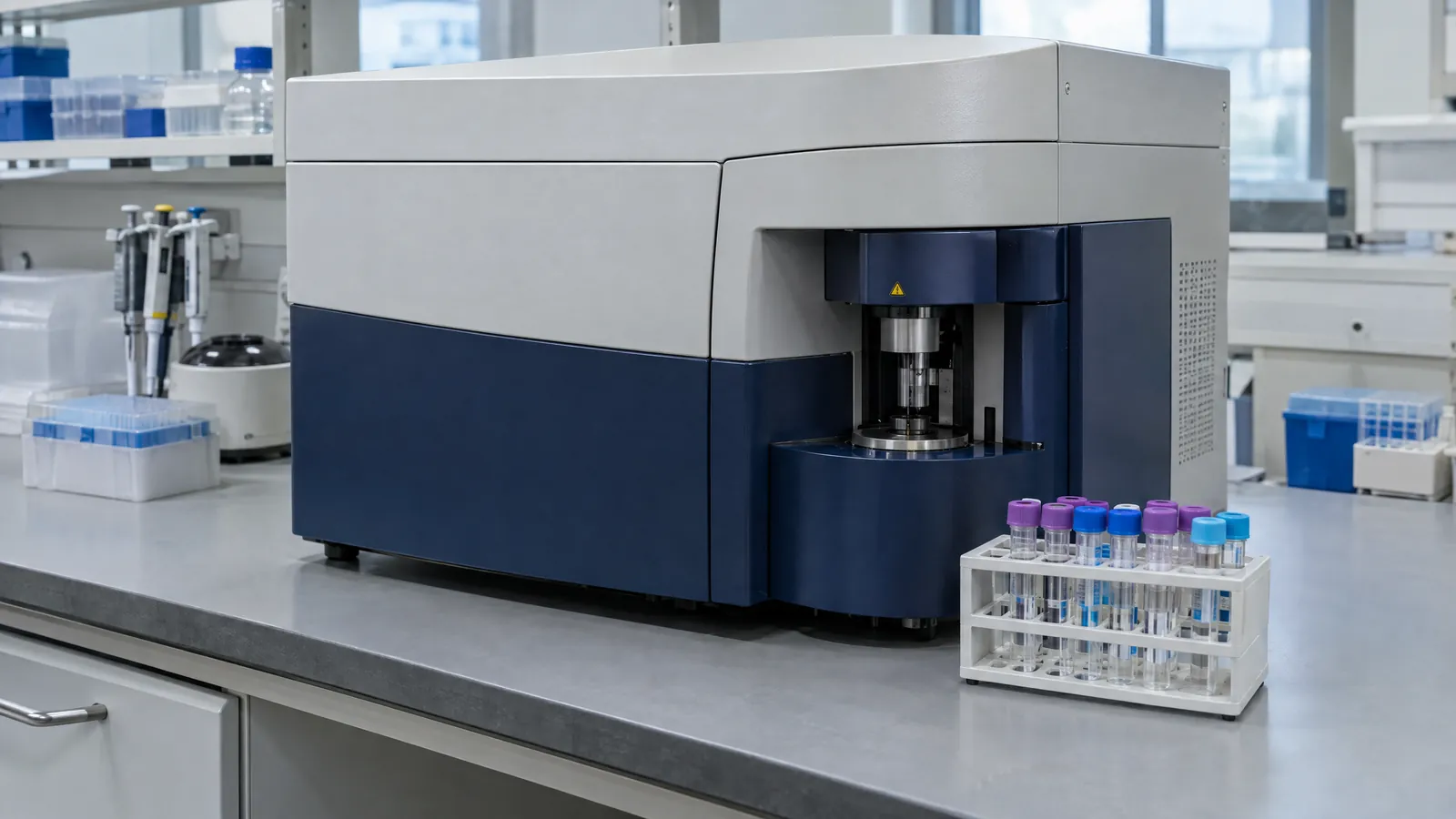
NK cell function (cytotoxicity assay) tells you how well those NK cells actually kill their targets. This requires a specialized functional test — typically co-incubating the patient’s NK cells with target cells (K562 tumor cell line) and measuring how many target cells are killed.
The distinction matters because a patient can have a normal NK cell count but profoundly impaired NK cell function. The guards are present but sleeping. This is exactly the pattern seen in ME/CFS, chronic Lyme, and post-viral syndromes — the NK cells are there, but they are not doing their job.
In my clinical experience, function testing reveals far more than count testing alone. I have seen patients with normal CD56+ counts whose NK cytotoxicity is at 5-10% (normal: 20-40%). These patients typically present with chronic fatigue, recurrent infections, and reactivated viruses — all consistent with failed immune surveillance.
What Low NK Cell Function Means
When NK cell cytotoxicity is low, the practical consequences are:
Persistent and Reactivated Infections
Without effective NK cell surveillance, viruses that should remain dormant can reactivate. This is why EBV, HHV-6, and CMV reactivation is so common in chronic Lyme and CFS patients — the NK cells that should be keeping these viruses suppressed are not functioning.
Impaired Cancer Surveillance
While the clinical cancer risk from low NK function in chronic illness patients has not been quantified precisely, the epidemiological data is suggestive. Studies have shown that individuals in the lowest quartile of NK cell activity have significantly higher cancer incidence over 11-year follow-up.
Chronic Fatigue
NK cell dysfunction is bidirectionally linked to fatigue — low NK function contributes to ongoing immune activation (the body tries harder because the first-line defense is failing), and the chronic inflammatory state that follows further suppresses NK function.
Increased Susceptibility to New Infections
Patients with low NK function report frequent colds, prolonged viral illnesses, and difficulty recovering from routine infections.
The Evidence
What We Know (Human Data)
ME/CFS: Reduced NK cell cytotoxicity is one of the most replicated immunological findings in ME/CFS research. A 2018 systematic review in Frontiers in Immunology confirmed consistently reduced NK cell cytotoxicity across multiple studies, with some showing reduction to less than half of healthy control values [2].
Chronic Lyme disease: Marques et al. documented altered NK cell phenotypes in patients with post-treatment Lyme disease, including shifts in NK cell subset distribution and functional impairment. The chronic inflammatory environment of persistent Lyme appears to exhaust NK cell function.
Post-COVID: Several studies have documented NK cell dysfunction in long COVID patients, including reduced cytotoxicity and altered activating receptor expression. This parallels the NK cell dysfunction seen in other post-viral syndromes.
Cancer risk: Imai et al. followed 3,625 Japanese residents for 11 years and found that individuals with low NK cell cytotoxicity had significantly higher cancer incidence than those with medium or high activity [3].
What We See in the Lab (Preclinical)
- Borrelia burgdorferi has been shown to directly impair NK cell function in vitro
- Chronic stress hormones (cortisol) suppress NK cell cytotoxicity through glucocorticoid receptor signaling
- Sleep deprivation reduces NK cell activity by 70% after a single night of 4-hour sleep
- Pro-inflammatory cytokines (TNF-alpha, IL-6) from chronic infection alter NK cell receptor expression and function
What I See in Practice
In our hospital, I order NK cell function testing for every patient with chronic infection, chronic fatigue, or a history of recurrent viral reactivation. The most common findings:
- NK cell count: often normal or slightly low
- NK cell function (cytotoxicity): frequently 5-15% (normal 20-40%)
- Correlation with fatigue severity: strong
- Correlation with EBV and HHV-6 reactivation: consistent
What I tell my patients: your immune system has a first-response team that is supposed to find and destroy infected cells and early cancer cells. In your case, that team is present but underperforming. Understanding why — and addressing it — is a critical part of your treatment.
Practical Application
How to Test NK Cell Function
The test: NK cell cytotoxicity assay (also called NK cell function test or NK cell activity test)
- Method: Patient blood is drawn and NK cells are co-incubated with K562 target cells at varying ratios (typically 50:1, 25:1, 12.5:1). Killing is measured by chromium release or flow cytometry.
- Where to order: Specialty immunology laboratories. In the US: Quest Diagnostics and LabCorp offer NK cell function panels. Specialty labs like Immunosciences Lab provide more detailed assessments.
- Cost: 200-400 USD, variable insurance coverage
- Turnaround: 5-10 business days
Complementary tests to order simultaneously:
- Lymphocyte subset panel (CD3, CD4, CD8, CD19, CD56 counts)
- CD57 (if Lyme disease is in the differential)
- EBV and HHV-6 antibody panels (to assess viral reactivation)
Strategies to Support NK Cell Function
Address the underlying cause first: Low NK function in Lyme disease improves with effective infection treatment. Low NK function from mold exposure improves with mold remediation. The NK cells are suppressed for a reason — find and address that reason.
Sleep optimization: NK cell activity drops dramatically with sleep deprivation and improves with adequate sleep (7-9 hours). This is one of the most evidence-based, accessible interventions.
Exercise (moderate): Moderate exercise (150 minutes/week of walking, cycling, swimming) enhances NK cell function. Extreme exercise temporarily suppresses it. For chronic illness patients, gentle, progressive exercise is key.
Vitamin D: Vitamin D receptors are expressed on NK cells, and vitamin D modulates NK cell function. Target 50-80 ng/mL.
Thymosin alpha-1: This thymic peptide directly enhances NK cell cytotoxicity and has been shown in multiple studies to restore immune function in immunocompromised patients. It is licensed in some countries outside the US and EU (not FDA- or EMA-approved) and has more human trial data than most therapeutic peptides.
Medicinal mushrooms: Beta-glucans from Reishi, Turkey Tail, and Maitake have been shown to enhance NK cell function in human studies. The evidence is moderate but consistent. The mechanism goes beyond simple stimulation — beta-glucans bind Dectin-1 receptors on monocytes and epigenetically reprogram innate immune cells toward sustained heightened responsiveness, a process now understood as trained immunity.
Zinc: Essential for NK cell development and function. Zinc deficiency — common in chronic illness — directly impairs NK cytotoxicity.

Monitoring Response
Repeat NK cell function testing after 3-6 months of targeted treatment. Improving cytotoxicity values — alongside clinical improvement (reduced fatigue, fewer infections, normalized viral titers) — confirms that the immune restoration strategy is working.
Safety and Considerations
NK cell function testing is a blood draw — no physical risk. The main consideration is interpretation: low NK cell function is not a diagnosis. It is a finding that must be interpreted in the clinical context. Many conditions can suppress NK cell function, and the appropriate response depends on the underlying cause.
Do not try to “boost” NK cells without understanding why they are low. Immune stimulation in the setting of active autoimmune disease can worsen symptoms. Work with a physician who understands the nuance of immune testing in chronic illness.
The Bottom Line
Low NK cell function is one of the most consistent and clinically meaningful immunological findings in chronic Lyme disease, ME/CFS, and post-viral syndromes. It explains persistent viral reactivation, chronic fatigue, and impaired immune surveillance. Function testing — not just count — is essential for accurate assessment. Treatment must address the underlying cause while supporting NK cell recovery through sleep, exercise, targeted supplementation, and — in appropriate cases — thymic peptides. The immune system can recover, but it needs both the right support and the removal of whatever is suppressing it.
References
- Vivier E, et al. Innate or Adaptive Immunity? The Example of Natural Killer Cells. Science. 2011;331(6013):44-49. PMID: 21212348.
- Eaton-Fitch N, et al. A systematic review of natural killer cells profile and cytotoxic function in myalgic encephalomyelitis/chronic fatigue syndrome. Systematic Reviews. 2019;8(1):279. PMC6814027.
- Imai K, et al. Natural cytotoxic activity of peripheral-blood lymphocytes and cancer incidence: an 11-year follow-up study of a general population. The Lancet. 2000;356(9244):1795-1799. PMID: 11117911.