At a Glance
| Feature | L-Arginine | L-Citrulline |
|---|---|---|
| Direct NO precursor | Yes | No (converted in kidneys) |
| Oral bioavailability | Low (30–50%) | High (>80%) |
| First-pass gut metabolism | Significant arginase activity | Bypasses arginase |
| Plasma arginine increase | Modest, short-lived | Sustained, dose-dependent |
| Effective oral dose | 6–20 g (limited by GI side effects) | 2–6 g (well tolerated) |
| GI tolerance | Poor at high doses | Excellent |
| Blood pressure benefit | Modest at high doses | Consistent at moderate doses |
| Erectile function data | Weak at oral doses | Stronger, especially combined with Pycnogenol |
| Exercise performance | Variable | Consistent for power and recovery |
Nitric oxide (NO) is one of the most important signalling molecules in the human body — a gaseous vasodilator produced by endothelial cells that governs vascular tone, platelet aggregation, immune defence, and mitochondrial biogenesis. Declining NO production is a hallmark of vascular ageing, metabolic dysfunction, and chronic inflammation. Yet the two most popular oral NO precursors are not equal, and the standard advice — “take L-arginine” — turns out to be pharmacologically naive. This guide explains why, and how to use these amino acids clinically.
How Nitric Oxide Is Made — and Where L-Arginine Falls Short
Nitric oxide synthase (eNOS, nNOS, iNOS) converts L-arginine + oxygen + NADPH into NO + L-citrulline. In a closed loop, the kidneys convert L-citrulline back to L-arginine — this argininosuccinate cycle is the key to understanding why oral citrulline outperforms oral arginine.
When you swallow L-arginine, roughly 40–60% is cleaved by arginase enzymes in the intestinal mucosa and liver before it ever reaches the systemic circulation. High oral doses saturate this pathway, but at the cost of severe GI side effects (cramping, diarrhoea, bloating) that cap the practical dose at around 6–8 g for most patients. Above this dose, more arginine does reach plasma, but compliance collapses.
L-citrulline is not a substrate for intestinal arginase. It is absorbed almost completely, transported to the kidney tubules, and converted there to arginine — flooding the systemic pool with substrate precisely where NOS enzymes use it. Pharmacokinetic studies consistently show that a 3 g oral dose of L-citrulline produces a larger and more sustained plasma arginine elevation than 3 g of L-arginine [1, 2]. This is the fundamental clinical rationale for preferring citrulline supplementation.
Cardiovascular and Blood Pressure Evidence
Endothelial Function
Endothelial dysfunction — loss of flow-mediated vasodilation — is the earliest measurable sign of vascular disease and an independent predictor of cardiovascular events. NO is the primary mediator of endothelium-dependent vasodilation. Multiple randomised controlled trials show that L-citrulline supplementation (3–6 g/day for 4–8 weeks) improves flow-mediated dilation (FMD) in healthy adults, hypertensive patients, and patients with metabolic syndrome [3].
L-arginine supplementation has been tested in similar populations, but a large meta-analysis found inconsistent effects on blood pressure and FMD, likely due to variable bioavailability and the ceiling effect from first-pass metabolism [4].
Blood Pressure Reduction
A 2017 meta-analysis of RCTs found L-citrulline supplementation produced statistically significant reductions in systolic blood pressure (mean −4.1 mmHg) and modest reductions in diastolic blood pressure, with stronger effects in hypertensive subjects [3]. The dose-response appears to plateau around 6 g/day of citrulline malate or 3–4 g/day of pure L-citrulline.
Clinical perspective: For patients with borderline or stage 1 hypertension alongside a lifestyle programme, L-citrulline is a reasonable adjunct. The magnitude of effect is comparable to moderate dietary DASH changes or low-dose thiazide diuretics in mild hypertension. I use it particularly in patients who have evidence of endothelial dysfunction on FMD testing or elevated oxidised LDL, where a pleiotropic NO-boosting strategy makes sense.
Sexual Health: Erectile Function
NO is the key mediator of penile smooth muscle relaxation — PDE5 inhibitors (sildenafil, tadalafil) work precisely by amplifying NO signalling. Oral precursors take a different route: substrate delivery rather than enzyme inhibition.
A notable 2011 double-blind RCT in men with mild erectile dysfunction (IIEF score) found that 1.5 g/day of L-citrulline for one month produced significant improvements in erection hardness score and patient satisfaction, with no adverse effects [5]. The effect size was smaller than pharmacological PDE5 inhibitors, but the safety profile and the absence of drug interactions make it attractive for younger men, men on nitrates (for whom PDE5i are contraindicated), or those seeking non-pharmaceutical support.
Combining L-citrulline with Pycnogenol (French maritime pine bark extract, 80–120 mg/day) has synergistic evidence: Pycnogenol upregulates eNOS transcription while citrulline provides substrate, producing effects that exceed either alone in erectile function studies [6].
Female Sexual Health
The evidence in women is limited but mechanistically plausible — NO mediates clitoral engorgement and vaginal lubrication via the same pathway. Some observational data and small trials suggest citrulline-based NO support may benefit women with sexual dysfunction associated with menopause or cardiovascular risk, though robust RCTs are lacking.
Exercise Performance and Recovery
L-citrulline malate (the salt form, approximately 57% citrulline by mass) has been the most studied for sports performance. Proposed mechanisms include:
- Increased NO-mediated muscle blood flow and oxygen delivery
- Enhanced ATP resynthesis via the malate-aspartate shuttle
- Reduced blood lactate and ammonia accumulation
- Improved muscle protein synthesis signalling
A well-cited 2010 RCT found that 8 g citrulline malate before lower-body resistance training increased repetitions to failure by approximately 50% compared to placebo, and reduced muscle soreness at 24 and 48 hours post-exercise [7]. Subsequent meta-analyses have confirmed modest but consistent improvements in high-intensity performance and recovery, with stronger effects when taken 60 minutes pre-exercise.
Citrulline malate vs pure L-citrulline: For sport, citrulline malate (6–8 g) is the better-studied form. For cardiovascular and blood pressure applications, pure L-citrulline (2–4 g) is sufficient and cheaper per gram of active ingredient.
Practical Dosing and Protocols
General Dosing
| Goal | Form | Dose | Timing |
|---|---|---|---|
| Blood pressure / cardiovascular | L-Citrulline | 2–4 g/day | Morning, fasted or fed |
| Erectile function | L-Citrulline | 1.5–3 g/day | Daily, consistent timing |
| Pre-workout performance | Citrulline Malate | 6–8 g | 45–60 min pre-exercise |
| Post-exercise recovery | Citrulline Malate | 6 g | Immediately after session |
| Combined protocol (CVD + performance) | L-Citrulline | 3 g AM | Daily morning |
What About L-Arginine?
L-arginine retains utility in specific contexts:
- Intravenous arginine bypasses gut metabolism entirely and remains useful in clinical settings (urea cycle disorders, pulmonary hypertension, arginine deficiency states)
- Combined with L-citrulline: some formulas use both, providing an immediate arginine rise (from arginine itself) plus a sustained one (from citrulline conversion). This makes pharmacological sense but adds cost
- Dietary arginine from protein-rich foods (red meat, nuts, seeds) contributes meaningfully and is not subject to the same oral bioavailability concerns as high-dose supplemental arginine in powder form
For most patients, oral L-citrulline is the cleaner choice.
Safety and Contraindications
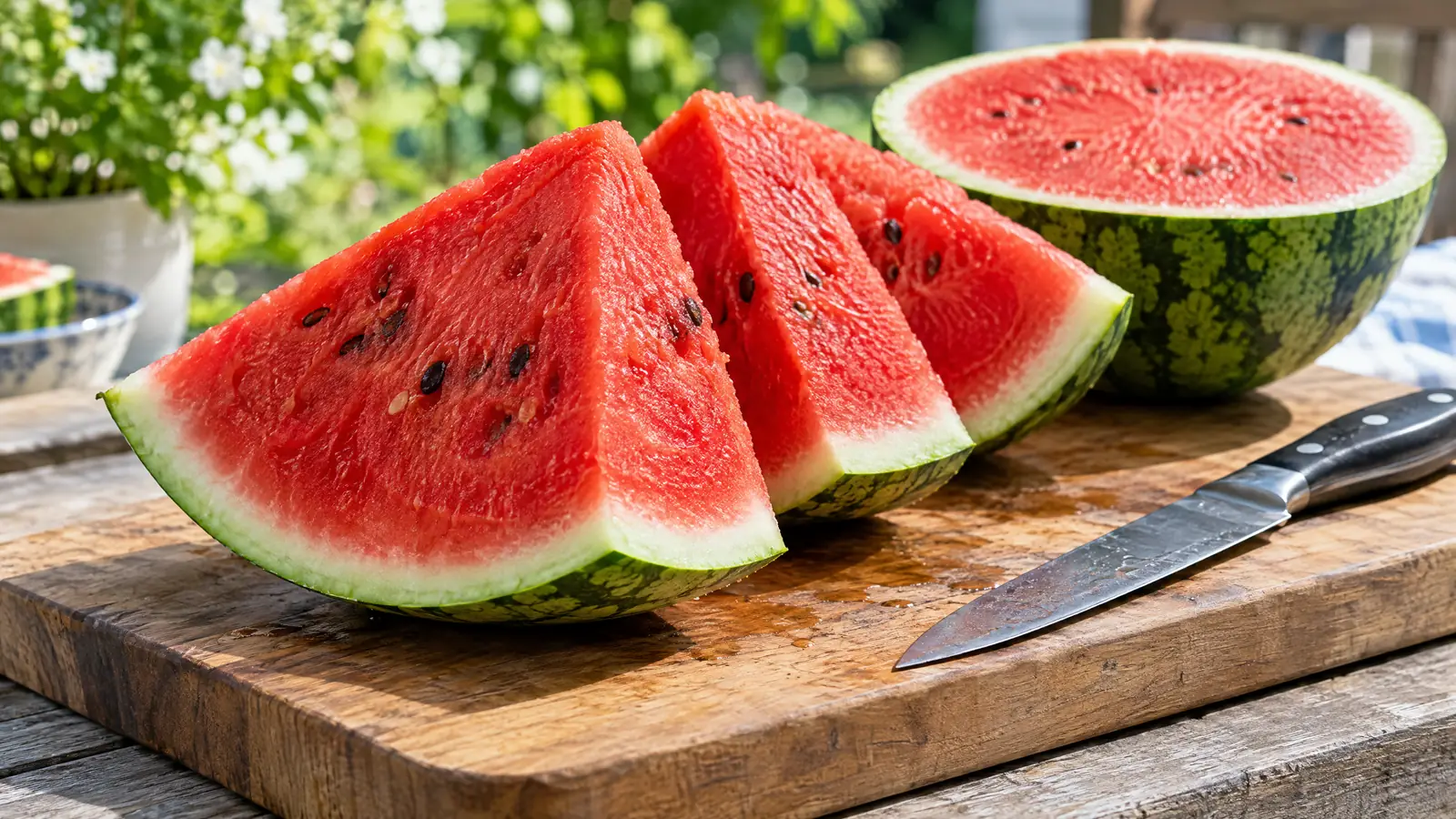
L-citrulline and L-arginine are non-essential amino acids present in normal diets (watermelon is the richest food source). At supplemental doses:
- GI tolerance: L-citrulline is well tolerated; high-dose L-arginine is not
- Blood pressure: In patients on antihypertensives, additive hypotension is possible at higher doses — start low and monitor
- Post-MI patients: A 2006 RCT (VINTAGE MI) found L-arginine supplementation post-myocardial infarction increased mortality. This signal appears specific to acute post-MI states and high-dose arginine, not to L-citrulline or chronic supplementation, but warrants caution in the early post-infarction period
- Herpes simplex: High-dose arginine has been associated with HSV reactivation in predisposed individuals; L-citrulline carries lower theoretical risk but balance with lysine in those with recurrent outbreaks
- Pregnancy: Insufficient safety data; avoid supplemental doses
Combining with Other NO-Support Strategies
NO production depends on more than substrate availability. A clinically rational approach addresses multiple nodes:
| Strategy | Mechanism | Synergy with Citrulline |
|---|---|---|
| Dietary nitrates (beetroot, leafy greens) | Nitrate → nitrite → NO via bacteria | Additive via different pathway |
| Pycnogenol 80–120 mg | eNOS transcription upregulation | Documented synergism |
| CoQ10 100–300 mg | Mitochondrial bioenergetics, antioxidant | Preserves BH4 (eNOS cofactor) |
| Vitamin C 500–1000 mg | Antioxidant, recycles BH4 | Protects NO from peroxynitrite |
| Omega-3 EPA/DHA | Anti-inflammatory, endothelial tone | Complementary mechanism |
| Zone 2 aerobic training | Shear stress → eNOS upregulation | Most potent NO-boosting strategy overall |
The last point bears emphasis: sustained moderate-intensity aerobic exercise is the most powerful upregulator of endothelial NOS expression available — supplemental NO precursors work better in combination with it, not as a substitute.
Related Articles
- CoQ10 for Heart Health: Clinical Evidence and Dosing: complementary cardiovascular support addressing mitochondrial bioenergetics alongside NO production
- Omega-3 Fatty Acids and Inflammation: A Physician’s Review: endothelial and anti-inflammatory synergy with NO pathway support
- Zone 2 Training and Longevity: Why Low-Intensity Exercise Extends Healthspan — the most powerful natural upregulator of eNOS expression
- Berberine for Blood Sugar and Cardiovascular Risk: complements NO support in metabolic syndrome patients
- Magnesium: Why Most People Are Deficient and What to Do About It — vascular tone co-factor; deficiency impairs NO sensitivity
References
-
Schwedhelm E, et al. Pharmacokinetic and pharmacodynamic properties of oral L-citrulline and L-arginine: impact on nitric oxide metabolism. Br J Clin Pharmacol. 2008;65(1):51–59. PMID 17662090
-
Curis E, et al. Almost all about citrulline in mammals. Amino Acids. 2005;29(3):177–205. PMID 16082501
-
Alsop P, Hauton D. Oral nitrate and citrulline decrease blood pressure and increase vascular conductance in young adults: a potential therapy for heart failure. Eur J Appl Physiol. 2016;116(9):1651–1661. PMID 27333912
-
Gokce N. L-arginine and hypertension. J Nutr. 2004;134(10 Suppl):2807S–2811S. PMID 15465790
-
Cormio L, et al. Oral L-citrulline supplementation improves erection hardness in men with mild erectile dysfunction. Urology. 2011;77(1):119–122. PMID 21195829
-
Stanislavov R, Nikolova V. Treatment of erectile dysfunction with pycnogenol and L-arginine. J Sex Marital Ther. 2003;29(3):207–213. PMID 12851125
-
Pérez-Guisado J, Jakeman PM. Citrulline malate enhances athletic anaerobic performance and relieves muscle soreness. J Strength Cond Res. 2010;24(5):1215–1222. PMID 20386132