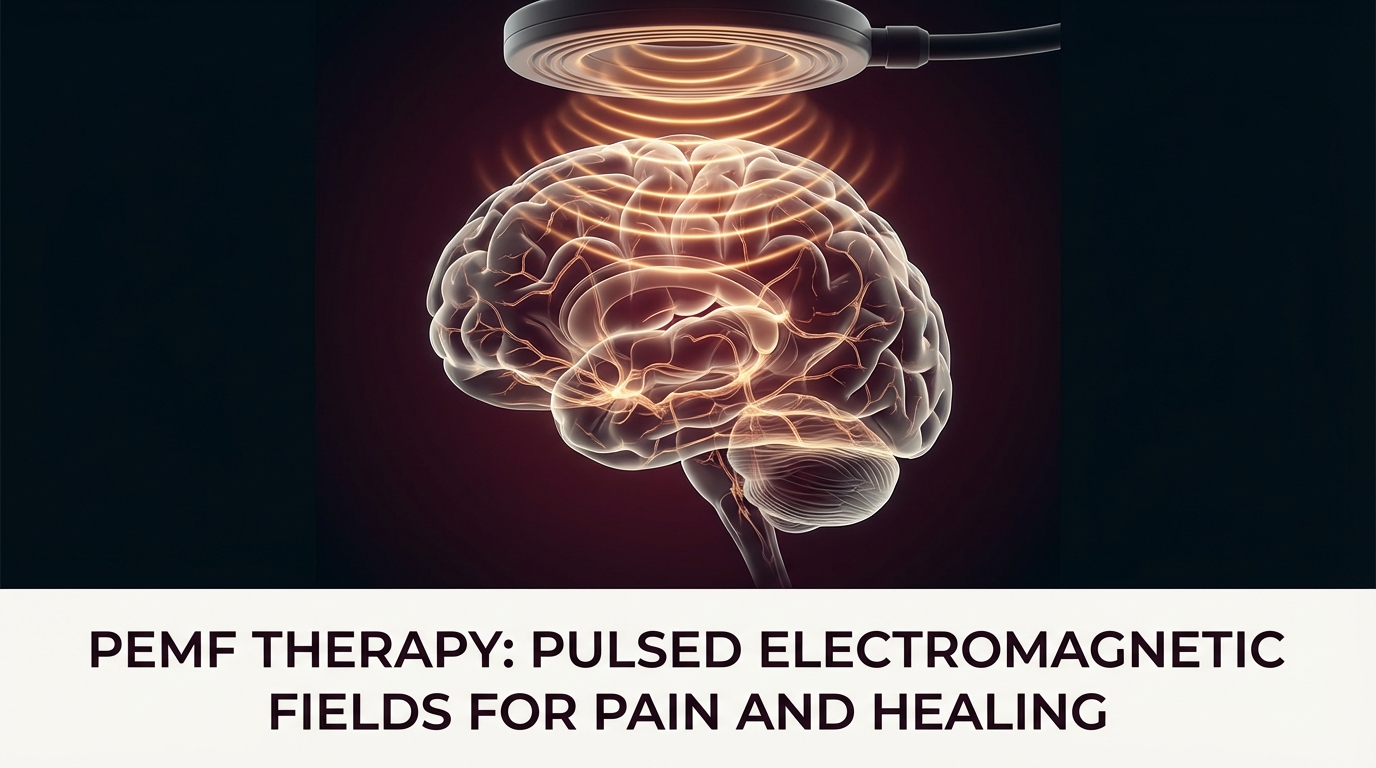

At a Glance
| Property | Value |
|---|---|
| Evidence Level | Emerging (Lyme-specific); Moderate (pain and inflammation in general) |
| Primary Use | Adjunctive pain and inflammation management in chronic Lyme disease |
| Key Mechanism | Electromagnetic pulses induce cellular microcurrents that activate voltage-gated calcium channels, stimulate nitric oxide production, and reduce NF-kB-mediated inflammatory signaling |
The Case for Electromagnetic Support in Lyme Treatment
Chronic Lyme disease produces pain through multiple mechanisms — joint inflammation, neuropathic pain, myalgia, and central sensitization. Standard analgesics provide symptomatic relief but do not address the underlying inflammatory mechanisms. Anti-inflammatory medications help but carry their own toxicity profile, particularly with long-term use.
PEMF therapy offers something different: a non-invasive, non-pharmaceutical approach that targets inflammation and pain at the cellular level, with a growing evidence base and a favorable safety profile.
Let me be direct about what PEMF is and is not in the context of Lyme disease. It is not a cure. It is not an antimicrobial. It does not kill Borrelia. What it does is reduce the inflammatory and pain burden that makes chronic Lyme so disabling — and there is mechanistic and clinical evidence supporting its use as an adjunct to comprehensive Lyme treatment.
How PEMF Works at the Cellular Level
The Basic Mechanism
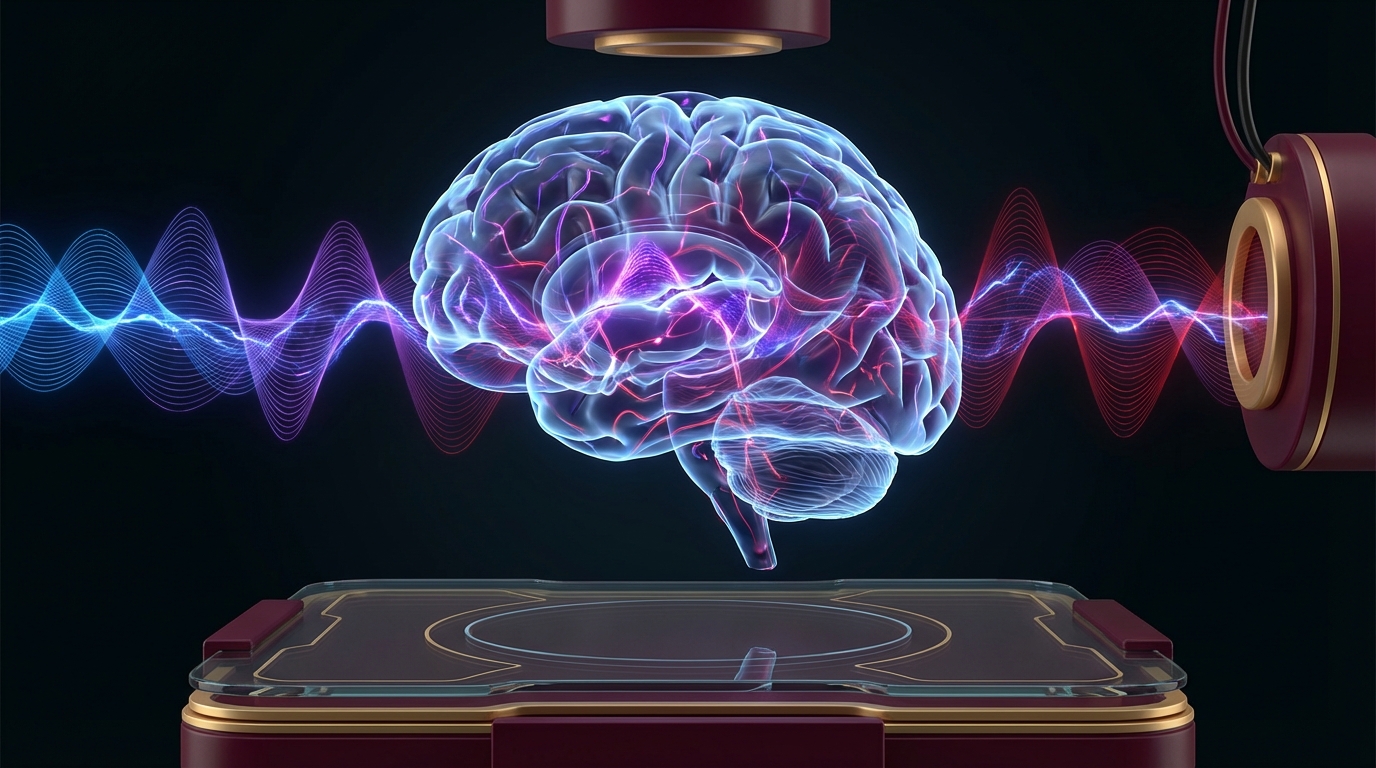
PEMF devices generate electromagnetic pulses at specific frequencies and intensities. When these pulses pass through biological tissue, they induce microcurrents in cells — tiny electrical signals that trigger cascading biological responses [1].
1. Voltage-gated calcium channel activation: PEMF pulses activate voltage-gated calcium channels (VGCCs) on cell membranes, allowing calcium influx. This calcium signaling cascade activates calmodulin-dependent nitric oxide synthase (eNOS), producing nitric oxide.
2. Nitric oxide production: Nitric oxide (NO) is a potent vasodilator and anti-inflammatory signaling molecule. PEMF-induced NO production:
- Improves local microcirculation (more blood flow to inflamed tissue)
- Reduces inflammatory cytokine production
- Enhances oxygen delivery to hypoxic tissue
- Supports mitochondrial function through cGMP signaling
3. NF-kB modulation: PEMF has been shown to reduce NF-kB activation — the master transcription factor that drives inflammatory gene expression. Lower NF-kB activity means reduced production of TNF-alpha, IL-6, IL-1beta, and other inflammatory mediators [2].
4. Adenosine receptor activation: PEMF at specific frequencies activates A2A and A3 adenosine receptors on inflammatory cells, producing anti-inflammatory effects similar to adenosine receptor agonist medications.
Why This Matters for Lyme Disease
Chronic Lyme disease inflammation involves:
- Joint inflammation: NF-kB-driven cytokine production in synovial tissue → PEMF directly reduces this
- Neuropathic pain: Neuroinflammation and nerve sensitization → PEMF modulates pain signaling and reduces neural inflammation
- Impaired microcirculation: Endothelial dysfunction and fibrin deposition → PEMF-induced NO improves vascular function
- Mitochondrial dysfunction: Chronic inflammation impairs cellular energy production → PEMF supports mitochondrial ATP synthesis
- Neuroinflammation: Microglial activation in the CNS → PEMF has shown ability to modulate microglial polarization

The Evidence
What We Know (Human Data)
PEMF for pain and inflammation (general): The evidence base for PEMF in pain management is moderate and growing:
- A meta-analysis of PEMF for osteoarthritis demonstrated significant pain reduction (SMD -0.71) compared to placebo [3]
- FDA-cleared PEMF devices exist for bone fracture healing (since 1979) and post-surgical pain management
- Multiple RCTs support PEMF for fibromyalgia pain, with improvements in pain scores, sleep quality, and physical function
PEMF for Lyme disease (specific): A clinical trial (NCT04577053) registered at ClinicalTrials.gov is evaluating PEMF specifically for lingering symptoms of Lyme disease — the first trial to examine this application rigorously. The study evaluates a specific PEMF protocol for patients with post-treatment Lyme disease syndrome [4].
Published case series from clinicians treating tick-borne diseases report symptomatic improvement with PEMF, particularly for:
- Joint and muscle pain
- Neuropathic symptoms
- Fatigue
- Sleep quality
However, controlled trial data specific to Lyme disease is limited. The existing evidence is extrapolated from PEMF’s documented effects on inflammation and pain in other chronic inflammatory conditions.
PEMF for neuroinflammation: In vitro and animal studies demonstrate that PEMF modulates microglial activation — shifting microglia from pro-inflammatory (M1) to anti-inflammatory (M2) phenotype. This is directly relevant to Lyme brain fog and neurological symptoms.
What I See in Practice
In our clinical experience, PEMF therapy provides meaningful benefit for approximately 60-70% of our Lyme patients when used as an adjunct to antimicrobial therapy and other treatments.
What I observe:
- Pain reduction: Most patients report 30-50% reduction in joint and muscle pain within 4-6 weeks of consistent PEMF use
- Sleep improvement: Many patients report improved sleep quality, possibly through pain reduction and autonomic modulation
- Herxheimer management: Some patients find that PEMF sessions during Herxheimer reactions reduce the intensity and duration of die-off symptoms — likely through anti-inflammatory effects
- Cumulative benefit: The effects of PEMF are cumulative — patients see progressive improvement over weeks to months, not immediate dramatic results
What I tell my patients: PEMF is one tool in the toolbox. It addresses the inflammation and pain components of Lyme disease, which makes other treatments more tolerable and improves quality of life during what is often a long treatment course. It does not replace antimicrobials, biofilm disruption, or immune restoration — but it makes the journey through those treatments more manageable.
Practical Application
Device Selection
PEMF devices vary enormously in frequency, intensity, and waveform. Not all devices are equivalent, and the parameters matter.
Key parameters:
- Frequency: Low frequency (1-100 Hz) devices are most commonly used for pain and inflammation. Specific frequencies have different effects (10 Hz for inflammation, 50 Hz for pain).
- Intensity: Clinical devices range from 0.1 to 100+ Gauss. Higher is not necessarily better — cellular responses follow a biphasic dose-response curve (Arndt-Schulz law).
- Waveform: Sine wave, square wave, and sawtooth waveforms produce different biological effects. Most clinical evidence uses pulsed sinusoidal or quasi-rectangular waveforms.
Categories:
- Clinical-grade devices: Higher intensity, broader frequency range, used in clinical settings. Examples: Hugo, BEMER, Pulse Centers.
- Home-use devices: Lower intensity, designed for daily self-treatment. Examples: BEMER, FlexPulse, Oska Pulse, MagnaWave.
- FDA-cleared devices: Specific devices cleared for specific indications (bone healing, post-surgical pain). Clearance for one indication does not mean validated for all applications.
Treatment Protocol for Lyme Patients
Clinical sessions:
- 2-3 sessions per week
- 20-45 minutes per session
- Low to moderate intensity
- Target affected areas (joints, back, extremities for neuropathy) AND full-body application for systemic anti-inflammatory effect
Home maintenance:
- Daily sessions: 20-30 minutes
- Low intensity appropriate for home device
- Consistency is more important than session length
- Can be combined with other recovery activities (meditation, breathing exercises)
Integration with Lyme Treatment
PEMF fits into the treatment timeline as follows:
During active antimicrobial therapy:
- Use PEMF for pain and inflammation management
- May reduce Herxheimer reaction severity
- Supports treatment tolerability
During recovery phase:
- Continue PEMF for residual pain and inflammation
- Support brain fog clearing through neuroinflammation modulation
- Combine with vagus nerve exercises for autonomic support
Long-term maintenance:
- Some patients continue periodic PEMF for ongoing symptom management
- May reduce flare frequency in patients with post-treatment Lyme disease syndrome

Safety and Considerations
- PEMF is generally well-tolerated with few side effects. The most common report is temporary symptom increase in the first 1-2 sessions (possibly a mild detox response).
- Contraindications: Pacemakers and implanted cardiac defibrillators, cochlear implants, insulin pumps, and other active implanted electronic devices. Electromagnetic pulses can interfere with device function.
- Pregnancy: Insufficient safety data. Avoid during pregnancy as a precaution.
- Active bleeding or hemorrhage: PEMF may increase blood flow. Avoid in areas of active bleeding.
- Epilepsy: Use caution with cranial PEMF application in patients with seizure history.
- PEMF is not a substitute for medical treatment of Lyme disease. It addresses symptoms and supports recovery but does not have antimicrobial activity against Borrelia.
- The consumer PEMF device market includes products with widely varying quality and evidence support. Research specific devices and look for published data supporting the claimed parameters.
The Bottom Line
PEMF therapy addresses a core mechanism of Lyme disease suffering — the chronic inflammation and pain that persist throughout and often beyond active treatment. The cellular mechanisms are well-characterized (VGCC activation, NO production, NF-kB modulation), and the clinical evidence for pain and inflammation reduction is moderate. Lyme-specific evidence is emerging, with the first dedicated clinical trial underway. In my clinical practice, PEMF is a valuable adjunct that improves treatment tolerability, reduces pain burden, and supports the multi-system recovery that chronic Lyme patients require. It is not the answer — but it is a meaningful part of a comprehensive answer.
References
- Markov MS. Pulsed electromagnetic field therapy history, state of the art and future. Environmentalist. 2007;27(4):465-475.
- Vincenzi F, Targa M, Corciulo C, et al. Pulsed electromagnetic fields increased the anti-inflammatory effect of A2A and A3 adenosine receptors in human T/C-28a2 chondrocytes and hFOB 1.19 osteoblasts. PLoS One. 2013;8(5):e65561. PMID: 23741498
- Ryang We S, Koog YH, Jeong KI, Wi H. Effects of pulsed electromagnetic field on knee osteoarthritis: a systematic review. Rheumatology. 2013;52(5):815-824. PMID: 23382357
- National Library of Medicine. Pulsed Electromagnetic Field Therapy for Lingering Symptoms of Lyme Disease. ClinicalTrials.gov Identifier: NCT04577053.