
At a Glance
| Factor | Evidence |
|---|---|
| Depression risk in IPV survivors | 2–3× higher than unexposed population (meta-analysis, N > 36,000) |
| Coercive control → depression correlation | r = 0.27 (68 studies, 2023 meta-analysis) |
| Trauma history in antidepressant non-responders | Significantly higher than responders (King’s College London, 2020) |
| Dominant mechanism | HPA axis dysregulation → sustained cortisol → hippocampal dendritic atrophy |
| Primary intervention | Remove or structurally modify the stressor; adjunct targeted TMS |
When a patient has failed two or three antidepressant trials and is told they have treatment-resistant depression (TRD), the first clinical reflex is to reach for a more complex pharmacological solution — a different drug class, augmentation, an SNRI, perhaps an atypical antipsychotic. What is rarely done is a systematic inquiry into who is at home with that patient when the clinic appointment ends.
In my clinical experience, an abusive or narcissistically controlling relationship is one of the most prevalent and least acknowledged drivers of TRD. The science is now robust enough to say this unambiguously: coercive relational control is moderately associated with both PTSD and clinical depression (r = 0.27 and r = 0.32 respectively in a 2023 meta-analysis of 68 studies), and trauma history reliably predicts antidepressant non-response. The mechanism is biological, not metaphorical. The nervous system cannot distinguish between a threat from a predator and a threat from a partner.
If you are in acute danger, please contact emergency services or a crisis line immediately.
What Narcissistic Relational Abuse Actually Looks Like
The clinical term “narcissistic abuse” is not yet a DSM category, but the behavioral pattern it describes is consistent enough across research to be useful. It is distinct from physical violence, though physical violence is often also present. The defining features are psychological:
Devaluation cycles. An initial period of idealisation (“love bombing”) followed by systematic erosion of the target’s self-worth through criticism, contempt, ridicule, and comparison to others. The target’s nervous system is chronically destabilised because the relational baseline shifts without warning.
Gaslighting. Persistent contradiction of the target’s perception of events, their memory, or their emotional responses. Over time, this induces a form of learned perceptual confusion: patients stop trusting their own experience, which presents clinically as dissociation, rumination, and catastrophising.
Coercive control. Restriction of movement, finances, social contact, or decision-making, combined with surveillance and unpredictable punishments. This is the overlap between narcissistic relational patterns and the formally studied construct of coercive control in intimate partner violence research.
Intermittent reinforcement. Periods of warmth or apparent affection interspersed with the cycles of abuse. This variable reinforcement schedule is neurobiologically significant: it produces stronger attachment and greater difficulty leaving than continuous punishment would, via dopaminergic sensitisation mechanisms similar to those seen in substance use disorders.
A 2023 systematic review and meta-analysis of 22 studies (N = 11,520) confirmed that narcissistic trait levels — particularly vulnerable narcissism — are significantly associated with intimate partner violence perpetration (r = 0.25 for vulnerable narcissism, r = 0.11 for grandiose narcissism), with psychological IPV being the most common form (r = 0.18).
The Neurobiology: How Chronic Relational Threat Rewires the Brain
The body’s stress response does not differentiate between episodic and chronic threat, but its long-term effect does. Acute HPA axis activation is adaptive. Chronic, sustained activation — which is what a narcissistically abusive relationship produces — is structurally destructive.
Under chronic relational stress, the HPA axis loses its capacity for negative glucocorticoid feedback. Cortisol output remains persistently elevated. This sustained hypercortisolaemia drives several downstream processes that directly cause the clinical presentation of depression:
Hippocampal atrophy. Elevated cortisol promotes dendritic retraction, spine loss, and reduced neurogenesis in the hippocampus — the brain region most implicated in emotional regulation, contextual memory, and extinction of threat responses. Volume reduction follows. A 2025 review in International Journal of Molecular Sciences documented this cascade in detail, linking chronic HPA dysregulation to structural hippocampal changes via neuroinflammatory and oxidative stress intermediaries.
Neuroinflammation. Prolonged glucocorticoid exposure activates microglial populations and elevates pro-inflammatory cytokines (IL-6, IL-1β, TNF-α). This is the same inflammatory signature found in treatment-resistant depression and the same biology measured by elevated CRP on routine blood panels. The CRP is not incidental; it is the footprint of the ongoing relational stressor.
Threat-sensitised amygdala. The amygdala — the brain’s threat-detection circuit — becomes hyperresponsive under chronic interpersonal stress. The anterior cingulate cortex, which normally dampens amygdala output, is functionally suppressed by sustained cortisol. The result is a nervous system locked in a low-grade permanent threat state: hypervigilance, sleep disruption, and anhedonia that do not respond to monoamine-based pharmacology because the upstream threat signal is still active.
Why Antidepressants Fail While the Relationship Continues
A 2020 study from King’s College London (N = 163 patients with major depression, 55 controls) found that antidepressant non-responders had significantly higher rates of trauma history than responders. The same population showed elevated diurnal cortisol and a higher prevalence of glucocorticoid resistance — a state in which cells have downregulated glucocorticoid receptor density in response to chronic cortisol exposure, making standard anti-inflammatory and mood-stabilising pathways less functional.
The mechanism is straightforward: SSRIs and SNRIs modulate serotonin and norepinephrine reuptake. They do not alter ongoing HPA axis activation. They cannot restore hippocampal dendritic architecture while the cortisol load continues. They cannot reduce neuroinflammation while the relational threat that generates it is still present every evening at the dinner table.
A 2025 systematic review of trauma in TRD concluded that early and recent trauma play a role in treatment resistance even without a diagnosable PTSD, and that trauma must be systematically assessed in every TRD patient as a potential therapeutic target. The systematic review by Lohmann and colleagues (2023, Trauma, Violence & Abuse), which pooled 68 studies examining coercive control, found that the association with PTSD was substantially stronger in clinical samples (shelter and support service populations, r = 0.40) than community samples (r = 0.26), suggesting that the most severely traumatised patients in clinical settings are carrying the highest relational trauma burden.
Recognising Relational Abuse in Clinical Practice
Patients rarely present reporting that their partner is abusive. They more often present reporting that they “can’t stop crying,” that they feel worthless, that they “must be going crazy,” or that they cannot explain why they feel so low when their life looks fine from the outside. Several features in a clinical interview should raise suspicion:
- Minimisation of the partner: “He doesn’t mean it,” “she’s just stressed,” “it’s not that bad”
- Self-blame as the default frame: patient assumes responsibility for the partner’s anger or moods
- Hypervigilance to the clinician’s emotional state — checking your facial expression, apologising frequently
- Vague, overgeneralised responses to direct questions about the home environment (a conditioned response to environments where honest answers were punished)
- Social isolation: gradual withdrawal from friendships and family, usually attributed to the patient’s own depression
Screening tools with psychometric validation include the Partner Violence Screen (PVS), the Composite Abuse Scale (CAS-R), and the Coercive Control Scale. None requires specialist training. Brief screening in every TRD workup is clinically justified given the prevalence data.
The 5-Domain Clinical Workup in Julian’s Practice
A patient presenting with TRD does not receive a trial of a fourth antidepressant in my practice. They receive a structured evaluation across five domains before any treatment decision is made:
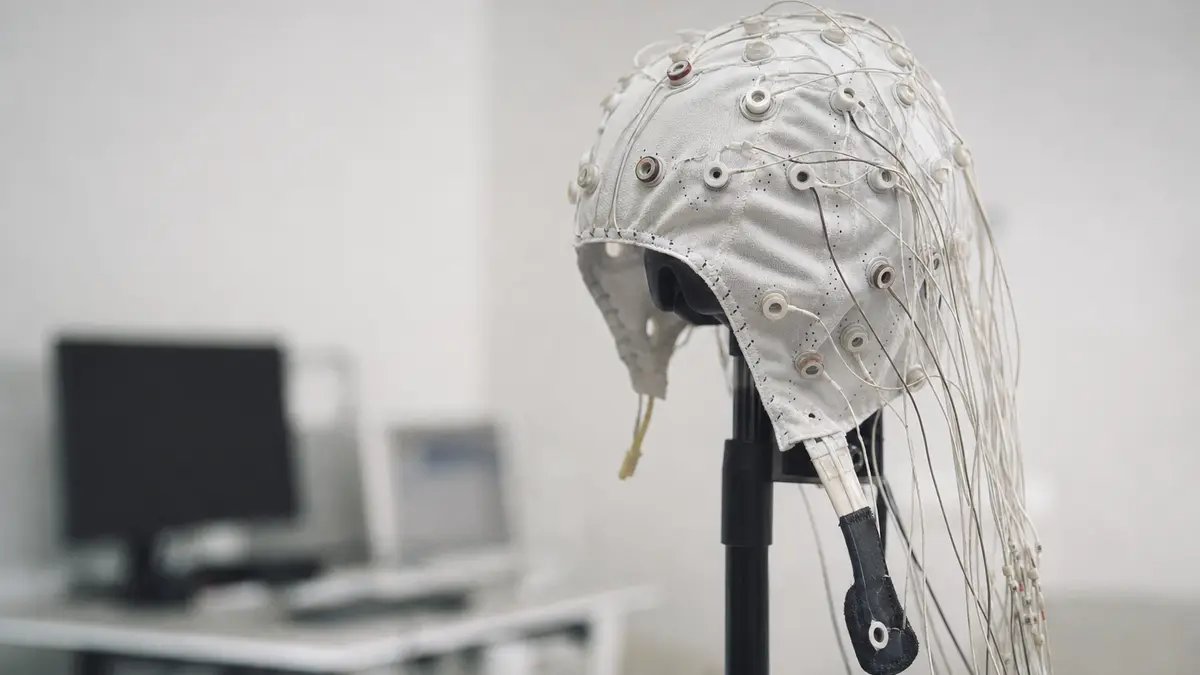
- Brain networks — qEEG mapping identifies the specific network dysregulation driving symptoms and informs TMS protocol selection (frequency, target, session density).
- Immune and inflammatory status — CRP, IL-6, complete blood count, and autoimmune markers.
- Infection and reactivated viral load — Lyme disease serology, co-infection screening, EBV, HHV-6 titres.
- Metabolic and hormonal status — thyroid panel, cortisol curve, sex hormones.
- Relational and psychosocial environment — structured inquiry into the patient’s current living situation, with validated coercive control screening.
Domain 5 is not a psychosocial footnote; it is a parallel biological investigation. An elevated CRP in a patient who lives with a narcissistically controlling partner is not primarily a pharmacological problem. The inflammation is downstream of the ongoing stressor.
For a full description of this protocol, see the treatment-resistant depression workup article.
Treatment After Recognition
Naming the relational dynamic is the first therapeutic intervention. Many patients have never had a clinician take the question seriously. Safety planning — practical planning for how to protect oneself if the situation escalates — precedes any biological treatment.
The neurobiological recovery trajectory after leaving an abusive relationship is real and measurable. HPA axis activity begins to normalise within weeks to months of removing the chronic stressor. Hippocampal neurogenesis is upregulated by sustained aerobic exercise and can be further supported by targeted TMS to the left dorsolateral prefrontal cortex, which modulates the HPA axis via its projections to the anterior cingulate and hippocampus.
Ketamine and esketamine have a narrow clinical role in this population: short-term relief for acute suicidal ideation while structural changes are made, or as a time-limited bridge to TMS engagement. They do not address the relational stressor and should never be framed as a long-term strategy. The goal is TMS once the patient is out of or structurally insulated from the abusive relationship — not pharmacological management of a biologically predictable consequence of ongoing threat.
Trauma-focused psychotherapy — specifically trauma-focused CBT and EMDR — has the strongest evidence base in this population. Psychotherapy alone, however, has the same limitation as antidepressants if the patient returns to the abusive environment after each session.
Related Articles
- Treatment-Resistant Depression Workup: The 5-Domain Protocol
- ECT in Depression: Side Effects, Alternatives and Why Julian Opposes Its Use
- CRP and Inflammation Testing in Depression
- qEEG Brain Mapping for Depression Treatment Selection
- TMS for Depression: Protocol, Evidence and Clinical Results
References
- Oliver E, Coates A, Bennett JM, Willis ML. Narcissism and intimate partner violence: a systematic review and meta-analysis. Trauma Violence Abuse. 2024;25(3):1871–1884. PMID: 37702183
- Lohmann S, Cowlishaw S, Ney L, O’Donnell M, Felmingham K. The trauma and mental health impacts of coercive control: a systematic review and meta-analysis. Trauma Violence Abuse. 2024;25(1):195–209. PMID: 37052388
- Nikkheslat N, McLaughlin AP, Hastings C, et al. Childhood trauma, HPA axis activity and antidepressant response in patients with depression. Brain Behav Immun. 2020;87:229–237. PMID: 31794798
- Lei AA, Phang VWX, Lee YZ, et al. Chronic stress-associated depressive disorders: the impact of HPA axis dysregulation and neuroinflammation on the hippocampus—a mini review. Int J Mol Sci. 2025;26(7):2940. PMID: 40243556
- Fantasia A, et al. Early or recent trauma in treatment-resistant depression: a systematic review. CNS Spectr. 2025. DOI: 10.1017/S1092852925000185