At a Glance
| Property | Value |
|---|---|
| Topic | Biological Age Testing |
| Evidence Level | Limited (early-stage research) |
| Mechanism | Biological age testing uses DNA methylation patterns (epigenetic clocks) to estimate how old your body really is, independent of your… |
| Key Takeaway | Biological age testing uses DNA methylation patterns (epigenetic clocks) to estimate how old your body really is, independent of your calendar age. |
Chronological age — the number of years since you were born — tells you very little about your biological state. Two 50-year-olds can have profoundly different organ function, disease risk, and remaining healthspan depending on their genetics, lifestyle, environmental exposures, and accumulated cellular damage.
Biological age testing attempts to answer a more useful question: how old is your body, irrespective of your birth certificate?
This is not a theoretical exercise. In my practice, biological age testing has become one of the most valuable tools for both baseline assessment and monitoring the effectiveness of longevity interventions. But like all diagnostic tools, it has strengths, limitations, and nuances that patients should understand.
Epigenetic Clocks
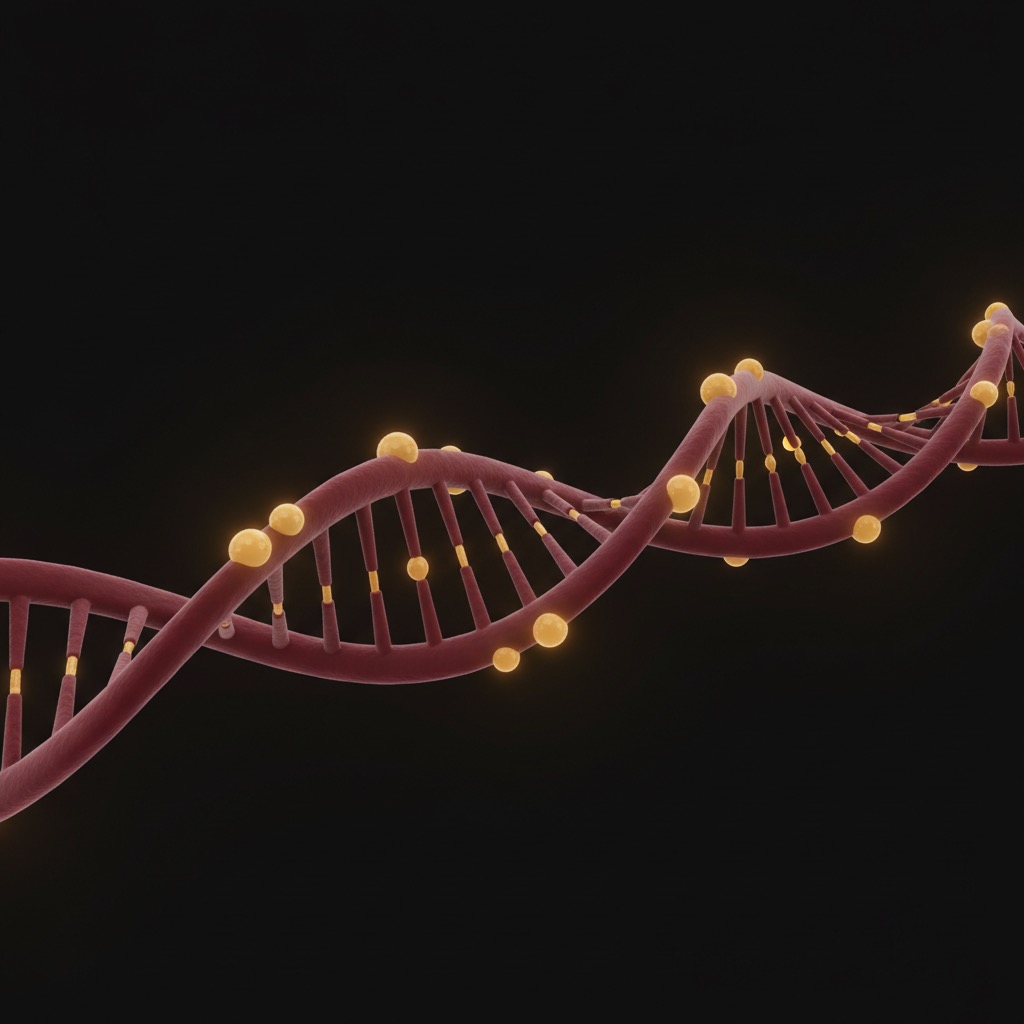
The most validated approach to biological age estimation relies on DNA methylation patterns — chemical modifications to DNA that regulate gene expression. These methylation patterns change predictably with age, and algorithms trained on large population datasets can estimate biological age from a blood or saliva sample.
First-Generation Clocks
Horvath Clock (2013): The original multi-tissue epigenetic clock, trained on over 8,000 samples across 51 tissue types. It estimates chronological age with remarkable accuracy (correlation >0.96) but was designed to predict chronological age, not health outcomes [1].
Hannum Clock (2013): Trained specifically on blood samples. Similar accuracy to Horvath for chronological age estimation.
The limitation of first-generation clocks is that they tell you your biological age relative to chronological age, but they were not specifically designed to predict disease or mortality.
Second-Generation Clocks
PhenoAge (Levine, 2018): Trained not on chronological age but on a composite of clinical biomarkers associated with mortality risk. PhenoAge better predicts disease onset, cardiovascular events, and all-cause mortality than first-generation clocks [2].
GrimAge (Lu, 2019): Incorporates DNA methylation surrogates for plasma proteins and smoking history. Among the strongest predictors of lifespan and healthspan. Acceleration on GrimAge — meaning your GrimAge is older than your chronological age — has been consistently associated with increased mortality risk.
Pace of Aging
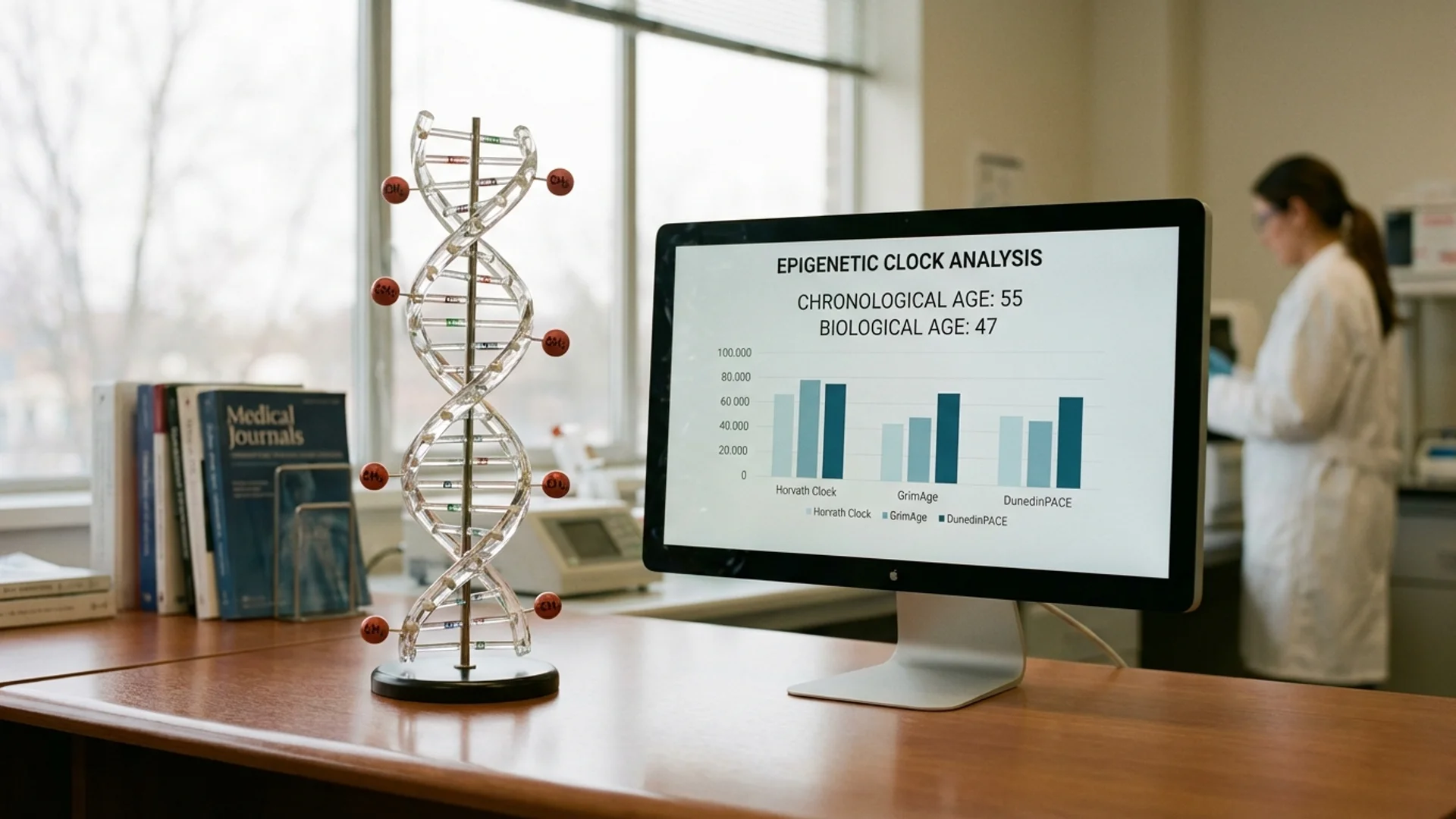
DunedinPACE (2022): This represents a different approach entirely. Rather than estimating a static biological age, DunedinPACE measures the rate of aging — how many years of biological aging occur per calendar year. A DunedinPACE of 1.0 means you are aging at the expected rate. Below 1.0 means slower aging. Above 1.0 means accelerated aging [3].
When comparing platforms like TruAge, GlycanAge, and OMICmAge, each measures a distinct biological layer — see the head-to-head comparison of commercial epigenetic clock tests for a clinical decision framework.
In my practice, I find DunedinPACE particularly useful for monitoring interventions. A patient’s static biological age may not change meaningfully over six months, but their pace of aging can shift, providing earlier feedback on whether interventions are working.
What These Tests Actually Measure
It is important to understand what epigenetic clocks capture and what they miss.
DNA methylation reflects the cumulative biological impact of genetics, lifestyle, environmental exposures, disease burden, and stochastic cellular damage. It is arguably the most integrated biomarker of biological aging we have.
However, methylation patterns are tissue-specific. A blood-based test reflects the biology of blood cells and the systemic factors that influence them. It does not directly assess brain aging, cardiovascular aging, or musculoskeletal aging, though correlations exist.
The tests also have measurement variability. The same blood sample tested twice can yield biological age estimates that differ by one to two years. This means that small changes — a one-year improvement in biological age — should be interpreted cautiously. Trends over multiple measurements are more reliable than any single result.
Other Approaches to Biological Age
Telomere Length
Discussed in my telomere article. Telomere length correlates with biological age but has greater variability between measurements and is a weaker predictor of health outcomes compared to epigenetic clocks. For those interested in telomerase activation as an intervention, see the Epithalon peptide profile.
Composite Biomarker Panels
Some approaches calculate biological age from a panel of standard blood markers — albumin, creatinine, glucose, CRP, lymphocyte count, and others. These are less precise than epigenetic clocks but are inexpensive and can be derived from routine blood work.
Functional Assessments
Grip strength, gait speed, VO2 max, and cognitive testing provide functional measures of aging that are clinically meaningful even if they are not “biological age” per se. VO2 max in particular is among the strongest predictors of all-cause mortality.
How I Use Biological Age Testing
In my longevity practice, I order epigenetic age testing at baseline and repeat it at 6-12 month intervals. My typical panel includes:
- GrimAge or PhenoAge for static biological age estimation
- DunedinPACE for rate of aging
- Standard biomarkers (inflammatory markers, metabolic markers, hormones) alongside epigenetic testing
I use the results in three ways:
- Baseline assessment: Understanding where a patient stands relative to their chronological age helps prioritize interventions. A 45-year-old with a biological age of 52 has a different risk profile and treatment urgency than one testing at 42.
- Intervention monitoring: Serial testing provides objective feedback on whether a longevity program is working. If pace of aging decreases or biological age stabilizes or reverses, we have evidence of effect.
- Patient motivation: Seeing a quantified biological age is powerfully motivating for many patients. It transforms abstract longevity goals into measurable targets.
Limitations I Discuss with Every Patient
- Epigenetic clocks are population-level tools applied to individuals. A two-year difference between biological and chronological age is within normal variation and should not cause alarm.
- No epigenetic clock has been validated as a clinical diagnostic tool by regulatory agencies. They are research-grade instruments being applied clinically.
- Lifestyle changes (improved sleep, exercise, nutrition) can influence epigenetic age, but the magnitude and timeline of response vary widely between individuals.
- Some interventions may improve how a patient feels and functions without meaningfully changing their epigenetic age score, and vice versa.
The Bottom Line
Biological age testing, particularly epigenetic clock-based assessments, represents a genuine advance in our ability to measure aging. It is imperfect, evolving, and should be interpreted within the context of a comprehensive clinical assessment — not in isolation.
For patients serious about longevity optimization, it is the closest thing we have to a speedometer for aging. Just remember that the speedometer has a margin of error, and driving well matters more than checking the gauge.
References
- Horvath S. DNA methylation age of human tissues and cell types. Genome Biology. 2013;14(10):R115.
- Levine ME, et al. An epigenetic biomarker of aging for lifespan and healthspan. Aging. 2018;10(4):573-591.
- Belsky DW, et al. DunedinPACE, a DNA methylation biomarker of the pace of aging. eLife. 2022;11:e73420.
This content is educational and does not constitute medical advice. Biological age testing should be interpreted by a qualified physician in the context of a comprehensive health assessment.