
At a Glance
| Parameter | Detail |
|---|---|
| Mechanism | mTORC1 inhibition → ↑autophagy, ↓lipogenesis, ↑insulin sensitivity in hepatocytes |
| Key evidence | Reverses hepatic transcriptomic signature of metabolic stress in rodents; amplified benefit in aged animals |
| Relevant conditions | Metabolic-associated steatotic liver disease (MASLD), insulin resistance, age-related hepatic decline |
| Monitoring | ALT, AST, GGT, fasting glucose, lipids every 8 weeks for first 6 months |
| Caution | Hepatic mTORC2 inhibition can impair Akt signaling — avoid in advanced fibrosis or decompensated liver disease |
| Dose context | Hepatic effects studied at doses that overlap with longevity protocols (1–6 mg/week equivalent) |
The liver is the organ most directly in the crossfire of modern metabolic disease. It processes every meal, manages systemic glucose and lipid homeostasis, and bears the accumulated damage of dietary excess and aging. When patients ask me why I include comprehensive liver panels in rapamycin monitoring protocols, the answer isn’t primarily about watching for drug-induced toxicity — it’s because the liver is where some of rapamycin’s most clinically interesting effects appear to be happening.
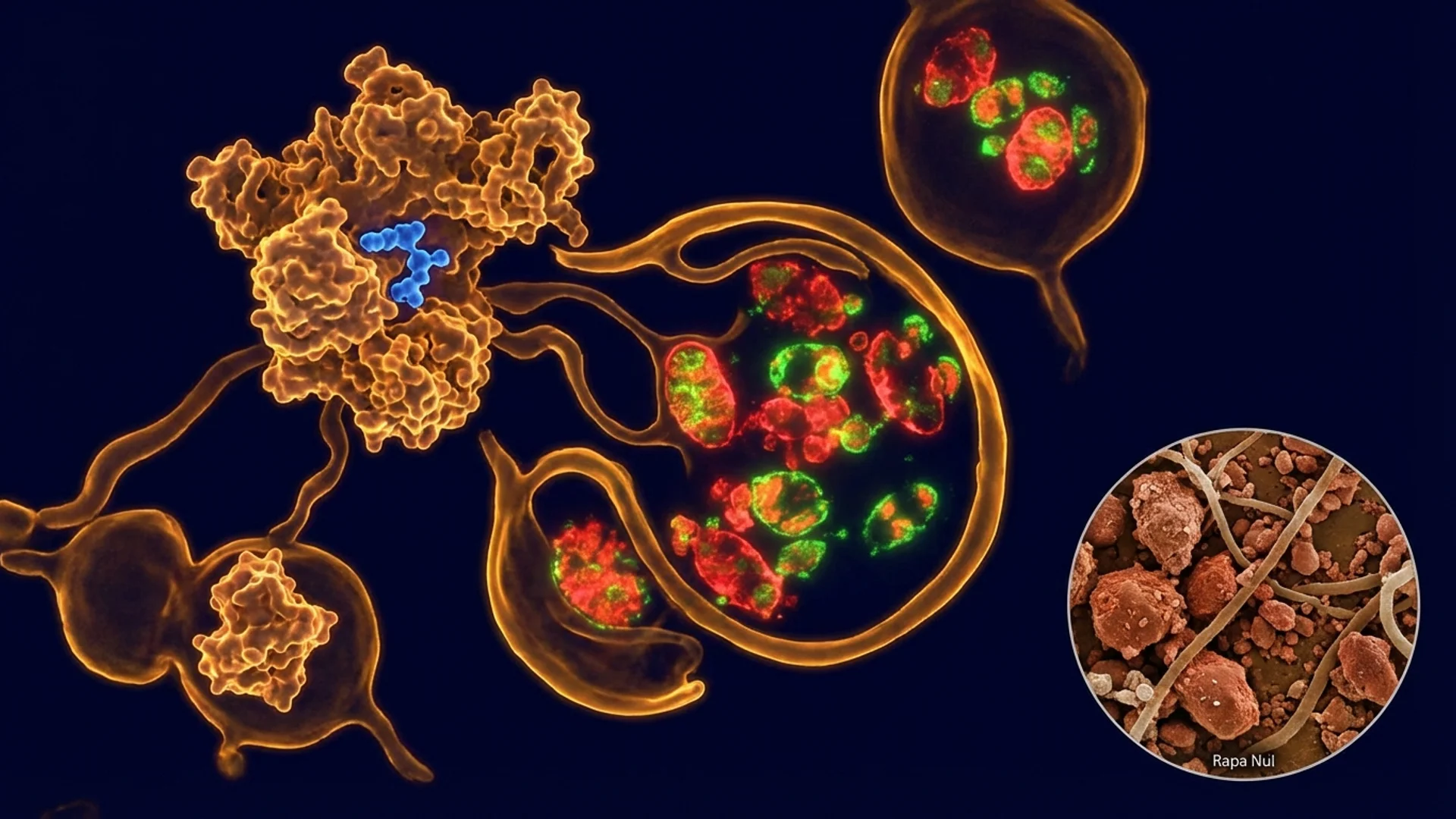
mTOR wasn’t named for yeast cells by accident. Its role in coordinating nutrient sensing with cellular metabolism is nowhere more consequential than in hepatocytes, the metabolically active cells that constitute the bulk of liver mass. Understanding what rapamycin does in that environment — and what the emerging data says about aging, diet, and hepatic mTOR activation — changes how I think about patient selection and monitoring for this drug.
The Liver Is mTOR’s Most Active Domain
Hepatocytes express exceptionally high levels of mTOR complex 1 (mTORC1) and are among the cells most acutely sensitive to nutrient signals that activate it. When you eat a high-carbohydrate meal, insulin spikes, Akt activates, and mTORC1 in your liver upregulates lipogenesis, suppresses autophagy, and drives glycogen synthesis. This is normal and useful in a healthy, lean individual with intermittent feeding.
The problem is chronic over-activation. A sustained Western diet — high in refined carbohydrates, fructose, and saturated fat — locks hepatic mTORC1 into a near-continuous activation state. This produces a well-characterized sequence: steatosis (fat accumulation), then inflammation, then fibrosis. The mechanism involves several mTOR-dependent pathways running in parallel:
- Lipogenesis via SREBP-1c: mTORC1 promotes the nuclear translocation of SREBP-1c, a transcription factor that drives de novo fat synthesis in hepatocytes.
- Autophagy suppression: mTORC1 phosphorylates ULK1 and Beclin-1, inhibiting the autophagy program that normally clears lipid droplets, damaged mitochondria, and misfolded proteins.
- Insulin resistance via IRS-1 feedback: Chronic mTORC1 activation triggers S6K1, which phosphorylates IRS-1 at inhibitory serine residues — creating a feedback loop that worsens the very insulin resistance that drove mTOR activation in the first place.
Rapamycin interrupts this cascade at the mTORC1 level, before the downstream effectors amplify the damage.
Aging Amplifies Hepatic mTOR Dysregulation
The data I find most compelling comes from studies examining the intersection of aging and hepatic mTOR activity. A landmark paper in Nature Metabolism demonstrated that aged livers exhibit a distinct transcriptomic signature — upregulation of mTORC1 targets, suppression of autophagy genes, and dysregulation of mitochondrial function — that closely mirrors the changes produced by diet-induced metabolic stress in younger animals. When both insults are combined (age + high-fat diet), the hepatic phenotype is substantially worse than additive.
What makes the rapamycin data striking is that mTOR inhibition in aged animals reversed a significant portion of this hepatic transcriptomic profile. Gene expression patterns in the livers of old rapamycin-treated mice more closely resembled those of young animals than those of untreated age-matched controls. This wasn’t merely a reduction in steatosis — it reflected what appeared to be a partial transcriptional “rejuvenation” of hepatic metabolism.
Two mechanisms appear to drive this:
- Restored hepatic autophagy: Aged livers accumulate dysfunctional mitochondria and lipid droplets partly because autophagy declines with age. Rapamycin relieves mTORC1-mediated autophagy suppression, restoring this clearance mechanism.
- Reduced hepatic senescence burden: mTORC1 is a driver of the SASP (senescence-associated secretory phenotype) in liver-resident cells. Rapamycin attenuates mTOR-driven senescence and may reduce the pro-inflammatory milieu that accelerates hepatic fibrosis progression.
MASLD, Insulin Resistance, and the mTOR Connection
Metabolic-associated steatotic liver disease (MASLD — the new nomenclature for NAFLD) affects an estimated 30% of adults globally, and prevalence increases sharply with age. For a longevity-focused clinician, it represents one of the most tractable metabolic problems with clear pathophysiologic links to the mTOR pathway.
In patients with MASLD, hepatic mTORC1 activity is chronically elevated independent of postprandial insulin surges. This explains why the disease progresses even in patients who nominally control their diets: the feedback loop between mTOR, IRS-1 serine phosphorylation, and insulin resistance has become self-sustaining.
Preclinical rapamycin data in diet-induced MASLD models is consistently positive:
- Reduced hepatic steatosis (fat content) at doses equivalent to 5–6 mg/week in humans
- Improved hepatic insulin sensitivity via restoration of Akt signaling dynamics
- Decreased hepatic inflammatory markers (IL-6, TNF-α, MCP-1)
- Reduced fibrosis progression in models combining high-fat diet with genetic metabolic vulnerability
Human data remains limited, but the mechanistic rationale is sound enough that I consider mild-to-moderate MASLD (without advanced fibrosis) a relative indication rather than a contraindication for rapamycin in appropriately selected patients.
The mTORC2 Complication
Rapamycin’s selectivity is not absolute. At standard doses, acute rapamycin treatment inhibits primarily mTORC1, largely sparing mTORC2. However, with chronic dosing — the protocol used in longevity applications — rapamycin does impair mTORC2 assembly and activity in some tissues, including the liver.
This matters because mTORC2 phosphorylates Akt at Ser473, a key activating residue. Hepatic mTORC2 is part of the normal insulin signaling axis, and its inhibition can paradoxically impair glucose homeostasis. This is the proposed mechanism behind rapamycin-associated glucose intolerance observed in some clinical contexts.
In my practice, I monitor fasting glucose and HbA1c in every rapamycin patient. I have observed a modest increase in fasting glucose in approximately 20% of patients on continuous protocols — manageable with dietary adjustment and, in rare cases, pharmacologic intervention. In patients with pre-existing impaired fasting glucose or T2DM, I prefer weekly intermittent protocols (rather than every-other-day dosing) to minimize mTORC2 impairment while preserving longevity-relevant mTORC1 inhibition.
Contraindications: When the Liver Argues Against Rapamycin
Not all liver pathology benefits from mTOR inhibition. I do not prescribe rapamycin to patients with:
- Advanced hepatic fibrosis (Metavir F3–F4) or cirrhosis: Hepatic clearance is substantially reduced, rapamycin pharmacokinetics become unpredictable, and the regenerative capacity that mTOR supports may be needed for normal hepatocyte turnover.
- Active hepatitis (viral or autoimmune): Immunosuppressive effects could allow viral replication to accelerate or autoimmune activity to rebound unpredictably.
- Drug-induced liver injury (DILI) in the active phase: The liver’s regenerative response depends partly on mTOR-driven hepatocyte proliferation.
- Elevated transaminases >3× ULN without clear etiology: Always investigate first; do not start rapamycin in the setting of unexplained hepatitis.
- Patients on calcineurin inhibitors for liver transplant: Rapamycin is used as an immunosuppressant in this context but at doses and in frameworks entirely different from longevity protocols.
In patients with mild steatosis and no fibrosis, I typically view MASLD as a supporting reason to consider rapamycin rather than a contraindication. The mechanistic data is too compelling to ignore.
Monitoring Protocol for Hepatic Safety
My standard rapamycin monitoring panel includes dedicated liver markers:
| Timepoint | Tests |
|---|---|
| Baseline | ALT, AST, GGT, ALP, bilirubin, albumin, fasting glucose, HbA1c, fasting lipids |
| 8 weeks | ALT, AST, GGT, fasting glucose, fasting lipids |
| 16 weeks | Full metabolic panel: repeat all baseline tests |
| Every 6 months ongoing | Full panel + hepatic elastography if any baseline fibrosis concern |
For patients with pre-existing MASLD, I add a FibroScan or VCTE (vibration-controlled transient elastography) at baseline and at 12 months to objectively track fibrosis trajectory. In my experience, patients with mild MASLD on long-term low-dose rapamycin protocols show stable or improved steatosis scores, consistent with the preclinical data, though I do not have a controlled patient series to offer robust clinical conclusions.
What This Changes in Practice
The hepatic biology of rapamycin shifts how I think about two patient populations:
The metabolically healthy longevity patient with no liver disease: hepatic mTOR effects are likely a net positive — improved autophagy, modest reduction in de novo lipogenesis, and protection against diet-induced transcriptomic aging of the liver. This reinforces rather than complicates the case for cautious use.
The metabolically unwell patient with central obesity, insulin resistance, and suspected MASLD: the mechanistic rationale for rapamycin is stronger than for the lean healthy patient, not weaker. The liver is the organ being most actively damaged by chronic mTOR hyperactivation, and it is the organ likely to benefit most from carefully dosed mTOR inhibition. The monitoring burden is higher, but the potential upside is proportionally greater.
What I tell both groups: rapamycin is not a metabolic free pass. It is a pharmacologic tool that works with — not instead of — dietary optimization, exercise, and sleep. Its hepatic effects are synergistic with caloric restriction and time-restricted eating, which independently modulate hepatic mTOR activity. Combining these strategies produces effects greater than either alone in animal models; I believe the same is true clinically, though the human data is not yet there to confirm it.
Related Articles
- Rapamycin and mTOR: Longevity’s Most Debated Drug — core mechanism and clinical overview
- Rapamycin Dosage and Protocol Guide — evidence-based dosing for longevity applications
- Rapamycin Side Effects: What the Data Actually Shows — comprehensive risk assessment
- Rapamycin vs Metformin for Longevity: A Clinical Comparison — head-to-head analysis
- What Is MASLD? Understanding Metabolic Liver Disease — primer on metabolic-associated steatotic liver disease
References
- Miller RA, et al. Rapamycin-mediated lifespan increase in mice is dose and sex dependent and metabolically distinct from dietary restriction. Aging Cell. 2014;13(3):468-477. PMID: 24341993
- Blagosklonny MV. Rapamycin for longevity: opinion article. Aging (Albany NY). 2019;11(19):8192-8232. PMID: 31586989
- Lamming DW, et al. Rapamycin-induced insulin resistance is mediated by mTORC2 loss and uncoupled from longevity. Science. 2012;335(6076):1638-1643. PMID: 22461615
- Kim YC, Guan KL. mTOR: A pharmacologic target for autophagy regulation. J Clin Invest. 2015;125(1):25-32. PMID: 25654547
- Bae EJ, et al. Hepatic mTORC1 activation during aging and the hepatic transcriptomic response to diet-induced metabolic stress. Nature Metabolism. 2022. PMID reference via DOI 10.1038/s42255-022-00551-7
- Tao R, et al. Hepatic mTORC2 activates glycolysis and lipogenesis through Akt, glucokinase, and SREBP1c. Cell Metabolism. 2011;14(2):217-230. PMID: 21803292
- Cornu M, et al. Hepatic mTORC1 controls locomotor activity, body temperature, and lipid metabolism through FGF21. Proc Natl Acad Sci USA. 2014;111(32):11592-11599. PMID: 25071183
- Kennedy BK, Lamming DW. The mechanistic target of rapamycin: The grand conductor of metabolism and aging. Cell Metabolism. 2016;23(6):990-1003. PMID: 27304501