Longevity Medicine

Moderate Evidence

Rapamycin

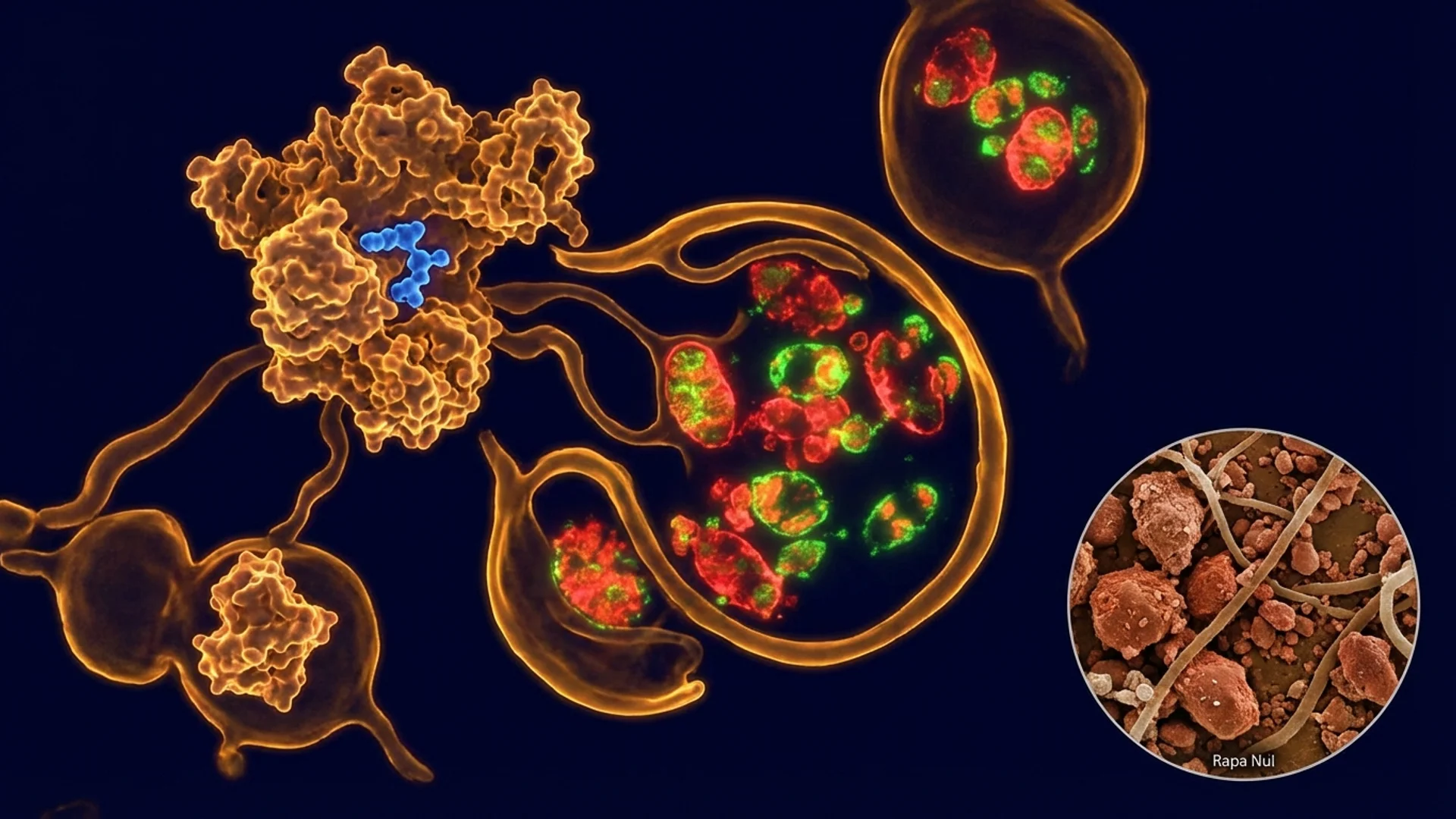
mTOR inhibition for lifespan extension — the most replicated result in aging research.

12 articles · 97 min total
01

Rapamycin for Women: Dosing, Fertility, Hormonal Interactions, and Clinical Considerations

A physician's guide to rapamycin use in women — how mTOR signaling differs by sex, fertility implications, cycling strategies, and what the evidence actually shows.


Rapamycin for Women: Dosing, Fertility, Hormonal Interactions, and Clinical Considerations
02

Rapamycin Pulsed Dosing for Longevity: Weekly Protocols, Titration, and mTORC2 Preservation

Why most longevity physicians prescribe rapamycin in weekly pulses, not daily doses — covering mTOR biology, common protocols (1–6 mg/week), titration steps, and monitoring labs.

Rapamycin Pulsed Dosing for Longevity: Weekly Protocols, Titration, and mTORC2 Preservation
03

SGLT2 Inhibitors for Longevity: What the Evidence Says About Empagliflozin and Dapagliflozin

SGLT2 inhibitors extend lifespan in animal models and reduce all-cause mortality in humans. Here is what the evidence shows—and how they fit alongside rapamycin and metformin.

SGLT2 Inhibitors for Longevity: What the Evidence Says About Empagliflozin and Dapagliflozin
04

Metformin and Exercise: Does It Blunt Your Training Adaptations?

Metformin may impair mitochondrial adaptations to exercise in older adults. Learn who should cycle off, when to skip doses, and how to get the best of both.

Metformin and Exercise: Does It Blunt Your Training Adaptations?
05

Rapamycin Contraindications: Who Should Not Take It for Longevity

A physician's guide to rapamycin contraindications for longevity use — covering immunosuppression, drug interactions, metabolic risks, and patient groups who should avoid it.

Rapamycin Contraindications: Who Should Not Take It for Longevity
06

Acarbose for Longevity: What the ITP Data Actually Shows

Acarbose extends lifespan in mice by 22% and is the most replicated ITP longevity drug. Here is what the evidence means for human longevity protocols.

Acarbose for Longevity: What the ITP Data Actually Shows
07

Rapamycin and Liver Health: What mTOR Inhibition Does to Hepatic Metabolism

How rapamycin targets mTOR in the liver to reverse diet-induced metabolic stress, protect hepatocytes, and what this means for longevity patients with metabolic risk.

Rapamycin and Liver Health: What mTOR Inhibition Does to Hepatic Metabolism
08

Rapamycin Side Effects: Longevity Dose vs Transplant Dose — What Patients Need to Know

Understand which rapamycin side effects apply at longevity doses versus transplant doses, what labs to monitor, and clear contraindications for off-label use.

Rapamycin Side Effects: Longevity Dose vs Transplant Dose — What Patients Need to Know
09

mTOR Signaling and Longevity: The Pathway That Controls How Fast You Age

How mTOR drives cellular aging, which compounds inhibit it, and why targeting this pathway is central to modern longevity medicine. Clinical overview by Dr. Julian Douwes.

mTOR Signaling and Longevity: The Pathway That Controls How Fast You Age
10

Rapamycin Dosing for Longevity: Protocols, Timing & Clinical Considerations

A physician's evidence-based guide to rapamycin dosing for longevity: weekly intermittent protocols, dose ranges, lab monitoring, and who should avoid it.

Rapamycin Dosing for Longevity: Protocols, Timing & Clinical Considerations
11

Rapamycin vs Metformin for Longevity: A Head-to-Head Comparison

A physician's honest comparison of rapamycin and metformin for longevity. mTOR inhibition vs AMPK activation, evidence quality, dosing, and who should use which.

Rapamycin vs Metformin for Longevity: A Head-to-Head Comparison
12

Rapamycin and mTOR: Longevity's Most Debated Drug

How rapamycin inhibits mTOR to potentially slow aging. Evidence from animal studies, emerging human data, risks, and honest assessment.

Rapamycin and mTOR: Longevity's Most Debated Drug
← Back to Longevity Medicine