
At a Glance
| Parameter | Detail |
|---|---|
| Full name | Chronic Inflammatory Response Syndrome (CIRS) |
| Causative biotoxins | Mold/mycotoxins, Lyme/Borrelia, ciguatoxin, dinoflagellates |
| Genetic susceptibility | ~25% of population; HLA-DR haplotype 4-3-53 highest risk |
| Core diagnostic labs | MMP-9, TGF-β1, VEGF, MSH, VIP, C4a, TGFB, NeuroQuant MRI |
| Protocol stages | 11 sequential steps (Shoemaker) |
| Response rate | ~75% on standard protocol; 90%+ with integrative additions |
| Treatment duration | 6–24 months depending on chronicity |
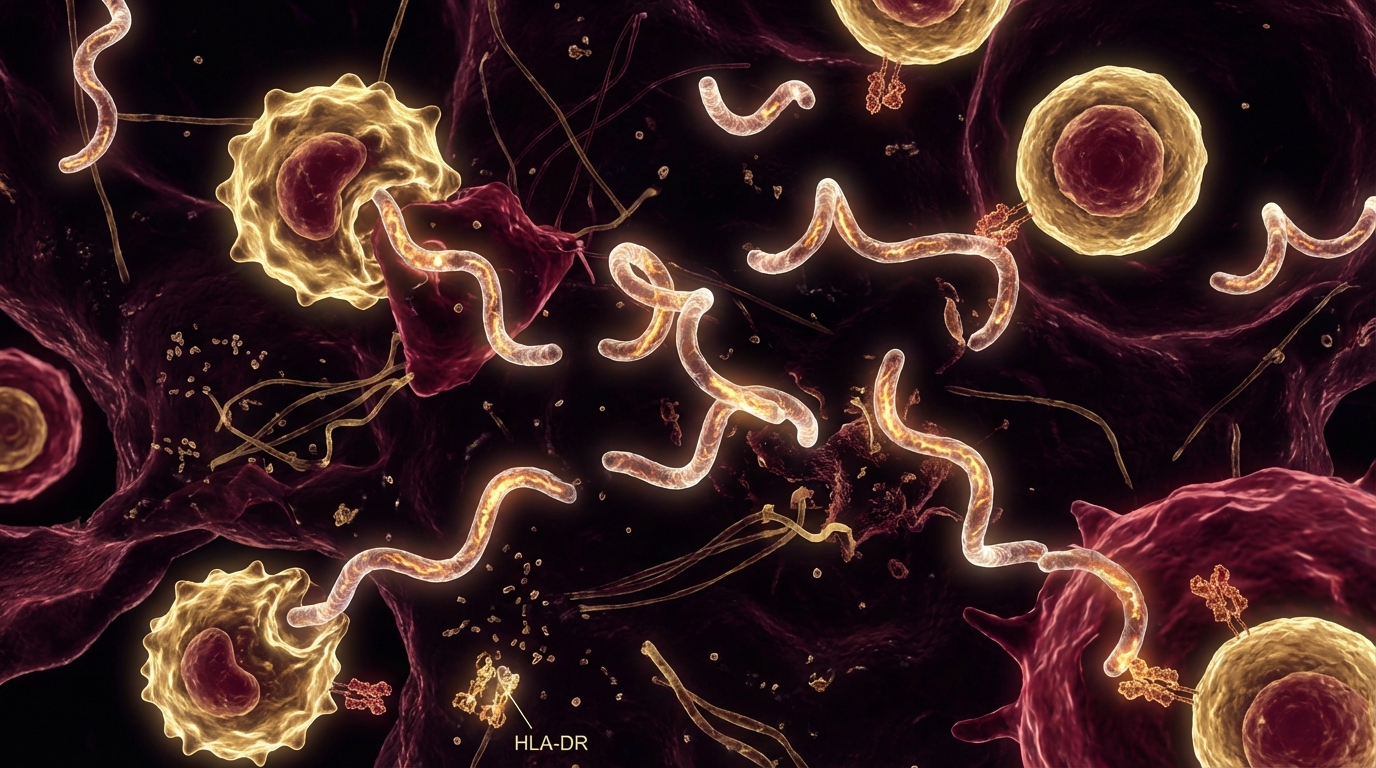
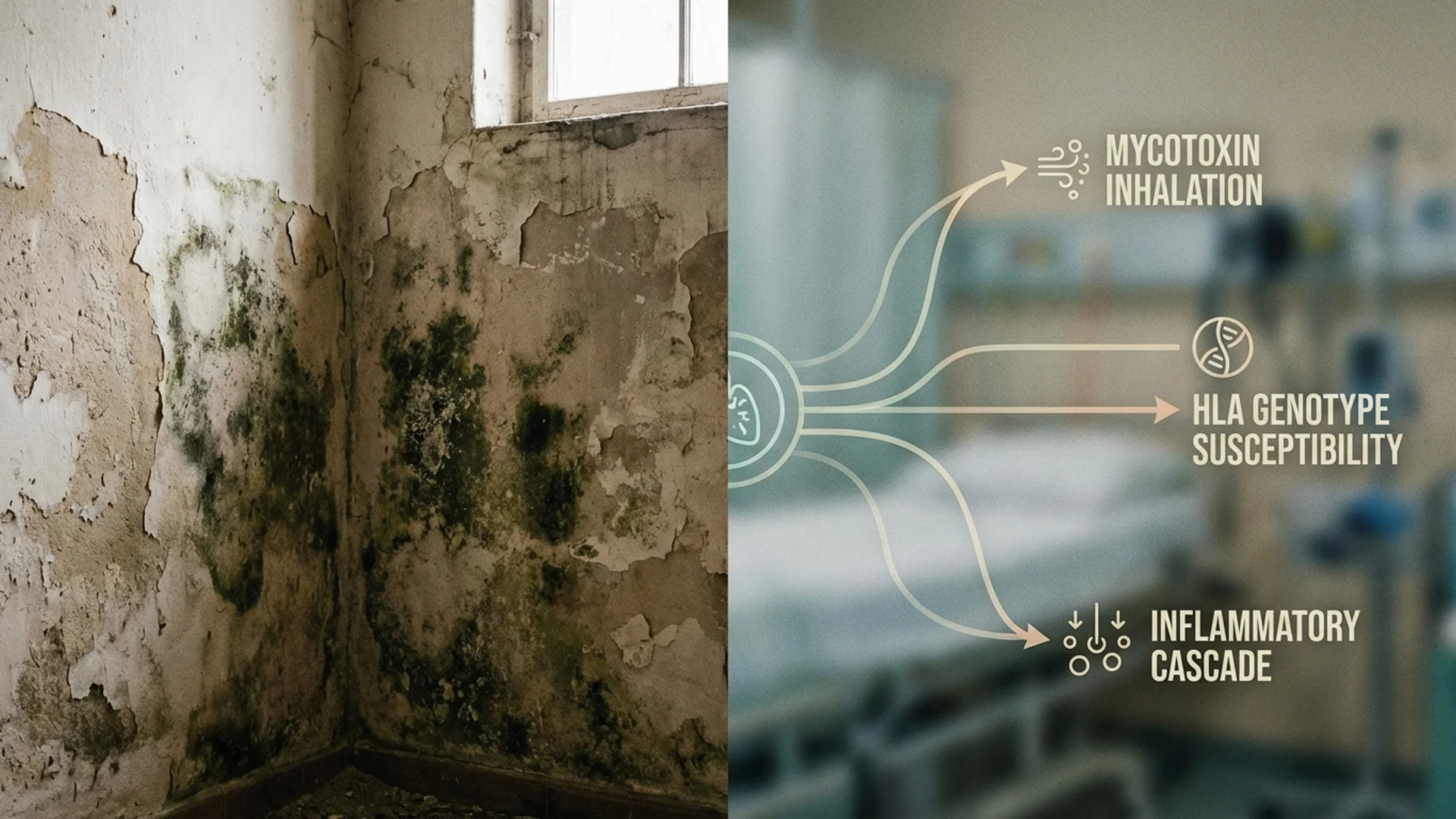
Chronic Inflammatory Response Syndrome (CIRS) is an acquired, multisystem, multisymptom illness triggered by exposure to biotoxin-producing organisms—most commonly water-damaged building (WDB) mold, but also Borrelia burgdorferi, ciguatera fish toxins, and several other sources. What separates CIRS from ordinary mold allergy or transient illness is a genetic inability to clear biotoxins through normal HLA-DR antigen-presentation pathways. For roughly one in four people, biotoxins accumulate, perpetuating a self-reinforcing neuroimmune cascade that outlasts the exposure by months or years.
The foundational treatment framework—developed by Dr. Ritchie Shoemaker and validated in peer-reviewed literature—proceeds through sequential “broken steps” in immune and hormonal signaling. Each step must normalize before advancing; skipping ahead reliably prolongs illness. This article outlines the full protocol, where it is supported by evidence, and where integrative additions meaningfully improve outcomes in complex cases seen at our clinic.
Why CIRS Requires a Sequential Approach
Most chronic conditions tolerate flexible treatment sequences. CIRS does not. The biotoxin cascade disrupts at least 11 measurable physiological parameters in a relatively predictable order: cytokine dysregulation precedes hormonal disturbance, which precedes neurological injury. Treating downstream problems (like fatigue or brain fog) before upstream drivers (like ongoing biotoxin burden or MMP-9 elevation) yields temporary relief at best and symptom amplification at worst.
A clinical analogy: prescribing VIP nasal spray—an effective final-stage intervention—to a patient still living in a moldy home consistently worsens neurological symptoms. VIP upregulates cAMP-dependent pathways that, in the presence of ongoing biotoxin burden, amplify the inflammatory signal rather than resolve it.
The practical implication is that practitioners must run the full diagnostic panel before initiating treatment, and re-test at each decision point rather than advancing on symptoms alone.
The Core 11-Step Protocol
Step 1: Remove the Source
No intervention works while active biotoxin exposure continues. This means:
- Visual Contrast Sensitivity (VCS) test at baseline (free at www.survivingmold.com)—sensitivity ~92% for ongoing biotoxin burden
- ERMI or HERTSMI-2 testing of the home and workplace. HERTSMI-2 score ≥11 is a reliable threshold for remediation before proceeding
- Patients with Lyme-related CIRS must achieve adequate antimicrobial treatment before advancing
Many patients underestimate secondary exposures: a car with mold, a frequently visited building, or a single water-damaged room. Partial removal produces partial results. In our experience, comprehensive environmental inspection—not just the bedroom—is the most important non-pharmacological investment a CIRS patient makes.
Step 2: Bind Residual Biotoxins
Biotoxins undergo enterohepatic recirculation; they are secreted into bile, reabsorbed in the terminal ileum, and recirculated. Binders interrupt this cycle.
Cholestyramine (CSM) remains the most evidence-backed binder, with multiple controlled studies showing significant symptom improvement and VCS normalization at 4 grams four times daily taken away from meals and medications. It is most effective for mold biotoxins and ciguatoxin.
Welchol (colesevelam) is used when CSM is poorly tolerated (constipation, GI distress) or for Lyme-related CIRS, where evidence slightly favors colesevelam.
Integrative binder additions: At our clinic we frequently rotate binders in refractory cases—adding pharmaceutical-grade activated charcoal (separate from CSM by 2+ hours), bentonite clay, or chlorella. Rotation minimizes enterocyte adaptation and broadens the biotoxin-binding spectrum. Cholestyramine alone does not bind all mycotoxin classes; adding a broad-spectrum charcoal-based binder addresses ochratoxin A and aflatoxin that CSM may miss.
Phase 1 endpoints: VCS normalization; subjective improvement in cognition and fatigue.
Step 3: Eradicate Stachybotrys and MARCoNS
Multiple Antibiotic Resistant Coagulase-Negative Staphylococci (MARCoNS) colonize the nasal sinuses in ~80% of CIRS patients and perpetuate the inflammatory signal through biofilm-mediated immune stimulation even after source removal. Testing is by deep nasal swab culture with special MARCoNS protocol.
Treatment: BEG nasal spray (Bactroban 0.2% + EDTA 0.5% + Gentamicin 0.5%) applied twice daily for 30 days, followed by repeat culture. Biofilm disruption agents—intranasal EDTA, NAC, or colloidal silver rinses—are used adjunctively in persistent cases.
MARCoNS eradication is a prerequisite before advancing to hormonal correction. Ongoing nasal colonization keeps MSH suppressed and prevents VIP normalization.
Step 4: Correct Antigenic Responses (MMP-9 and TGF-β1)
Elevated MMP-9 (matrix metalloproteinase-9) drives the tissue damage component of CIRS: neuroinflammation, joint damage, and lung injury. High-dose fish oil (EPA 2,400 mg + DHA 1,600 mg daily) and VGF-analogue support are used to lower MMP-9 before proceeding.
Elevated TGF-β1 drives autoimmune-like features and pulmonary fibrosis risk. Losartan 25–50 mg daily effectively suppresses TGF-β1 in controlled studies; we use it routinely when TGF-β1 exceeds 10,000 pg/mL.
Integrative addition: Low-dose naltrexone (LDN) 1.5–4.5 mg at night consistently lowers TGF-β1 and TGF-β3 by modulating microglial activation. We add it at this step in patients with neurological predominance, as it simultaneously addresses microglial priming that standard Shoemaker steps do not directly target.
Step 5: Correct Androgen Resistance (DHEA/Testosterone/Estradiol)
Sustained MMP-9 elevation and MSH deficiency impair androgen signaling. Labs show normal or low-normal DHEA-S and testosterone despite low MSH drive. Correcting upstream (steps 3–4) often normalises androgens spontaneously; if not, DHEA 25–50 mg daily for men (lower for women) provides the hormonal substrate needed for the subsequent steps.
Step 6: Correct ADH/Osmolality Dysregulation
Low ADH (vasopressin) and high serum osmolality produce a specific CIRS symptom cluster: excessive thirst, frequent urination, static shocks, and fatigue disproportionate to exertion. DDAVP (desmopressin) intranasal is used as needed, with careful monitoring to avoid hyponatremia. Patients must maintain electrolyte balance and avoid free-water loading.
Step 7: Correct MSH Deficiency
MSH (alpha-melanocyte-stimulating hormone) is a master regulator in CIRS—it governs cytokine balance, sleep-wake cycling, gut permeability, and pituitary hormone release. MSH is reliably low in established CIRS and does not normalise until MARCoNS has been eradicated and upstream inflammatory drivers resolved.
There is no direct MSH replacement available. MSH is restored indirectly by progressing through steps 1–6; the peptide PT-141 (bremelanotide) activates MC1R/MC4R pathways and shows clinical benefit in refractory cases with sustained MSH suppression, though it is not yet part of the standard Shoemaker protocol.
Steps 8–9: Correct VIP and VEGF
VEGF (vascular endothelial growth factor) is low in CIRS, contributing to exercise intolerance and “shortness of breath on exertion” as a characteristic symptom. Normalization follows correction of upstream steps.
VIP (vasoactive intestinal peptide) nasal spray (50 mcg four times daily) is the final pharmacological step and arguably the most transformative. For a detailed look at eligibility criteria, lab monitoring, and dosing, see the complete VIP peptide guide for CIRS. VIP corrects the full inflammatory signature—normalizing cytokines, improving NeuroQuant MRI abnormalities, restoring MSH and VEGF, and improving cognitive performance. It is contraindicated until MARCoNS is cleared and TGF-β1 is normalized; advancing prematurely reliably worsens outcomes.
Steps 10–11: Protect the Brain and Reassess Genomics
NeuroQuant MRI (volumetric automated brain analysis) at baseline and 3–6 months post-VIP documents reversal of gray matter atrophy and caudate nucleus enlargement—the signature structural changes of CIRS. Evidence from Shoemaker’s case series shows VIP-driven gray matter restoration in the majority of patients.
Genomic review of HLA-DR haplotype informs prognosis and susceptibility. Multi-susceptible haplotypes (11-3-52B, 12-3-52B, 7-2-53) indicate higher risk of future biotoxin reactivity and the need for permanent home and workplace vigilance.
Integrative Additions for Refractory Cases
Approximately 20–25% of patients stall on the standard protocol—usually at MARCoNS eradication, MSH normalization, or VIP stage. At our clinic, the following integrative additions have consistently improved outcomes in this group:
Peptide Support
- BPC-157 (500 mcg subcutaneous daily): Accelerates gut mucosal healing, reduces gut-derived LPS that amplifies the CIRS cytokine cascade, and has documented anti-inflammatory CNS effects. We use it early (Steps 2–4) in patients with prominent GI symptoms.
- Thymosin Alpha-1 (Tα1) (1.6 mg subcutaneous twice weekly): Restores Treg/Th1/Th2 balance, critical in CIRS patients who have shifted heavily toward Th17-dominant inflammation. TA1 also directly supports MSH normalization.
- GHK-Cu (copper peptide, intranasal or subcutaneous): Modulates TGF-β1 expression and MMP-9 activity; supports neuronal repair in patients with NeuroQuant-confirmed atrophy.
Low-Dose Immunotherapy (LDI)
LDI—ultra-low-dose antigen introduction—reduces mast cell reactivity and Th2 hypersensitivity that often accompany mold CIRS. Particularly useful when multiple chemical sensitivity (MCS) prevents tolerance of standard binders or medications.
Methylation Support
MTHFR variants (C677T, A1298C) impair the body’s ability to process biotoxin breakdown products. Methylated B-vitamin support (methylfolate, methylcobalamin, riboflavin-5-phosphate) at appropriate doses removes this bottleneck and noticeably accelerates laboratory normalization.
NAD+ IV Infusion
Sustained mitochondrial dysfunction is a common CIRS complication not addressed by the standard Shoemaker steps. NAD+ IV infusions (500–1,000 mg over 2–4 hours) dramatically improve fatigue, brain fog, and exercise tolerance in the neurological phase, particularly in patients stalling between Steps 7–9. We typically recommend 4–6 infusions over 2–3 weeks during this phase.
Monitoring and Decision Points
| Lab | Optimal Range | Significance |
|---|---|---|
| MSH | 35–81 pg/mL | Central CIRS biomarker; must normalize before VIP |
| MMP-9 | <332 ng/mL | Tissue damage driver |
| TGF-β1 | <2,380 pg/mL | Autoimmune and fibrotic risk |
| VEGF | 31–86 pg/mL | Exercise tolerance |
| VIP | 23–63 pg/mL | Final VIP step endpoint |
| C4a | <2,830 ng/mL | Complement activation |
| ADH | 1.0–13.3 pg/mL | Osmolality dysregulation |
VCS testing remains a rapid, free, in-office monitoring tool. A VCS score that deteriorates after initial improvement signals ongoing biotoxin exposure and requires reassessment before continuing.
Treatment Timeline: What to Expect
Months 1–3: Binder initiation, environmental remediation, MARCoNS eradication. Most patients notice 20–40% improvement in fatigue and cognitive clarity by end of month 2. Herxheimer-like reactions to binders in the first 1–2 weeks are common and self-limited.
Months 3–6: Hormonal and inflammatory correction (Steps 4–7). Lab normalization precedes symptomatic improvement at this stage; patients often feel the same clinically but labs are improving. Managing expectation during this phase is critical to retention.
Months 6–12: VIP phase and neurological recovery. This is typically the phase patients describe as “getting their life back”—cognitive clarity, sleep quality, and exercise capacity return.
Months 12–24: Consolidation and relapse prevention. Ongoing environmental vigilance, periodic lab checks, and strategies for managing re-exposure events.
Related Articles
- What Is CIRS? Symptoms, Diagnosis, and Who Is at Risk
- CIRS vs MCAS: How to Distinguish and Treat Both
- Mold Illness and CIRS: From Water Damage to Whole-Body Inflammation
- Biofilm Disruption: Why Chronic Infections Are So Hard to Treat
- Thymosin Alpha-1: Immune Regulation for Chronic Illness
References
- Shoemaker RC, House D, Ryan JC. “Structural brain abnormalities in patients with inflammatory illness acquired following exposure to water-damaged buildings: a volumetric MRI study using NeuroQuant®.” Neurotoxicol Teratol. 2014;45:18-26. PMID: 24842168
- Shoemaker RC, Latz M, Dooley M, Lutsko T. “Intranasal VIP safely restores the NeuroQuant-confirmed neurological deficits of CIRS.” Internal Medicine Review. 2016;2(12).
- Shoemaker RC, Katz D, Ackerley M, et al. “Intranasal VIP in Patients with Inflammatory Illness Acquired Following Exposure to Water-Damaged Buildings.” Internal Medicine Review. 2016.
- Berndtson K. “Review of evidence for immune evasion and persistent infection in Lyme disease.” Int J Gen Med. 2013;6:291-306. PMID: 23637545
- Ackerley M, Shoemaker RC. “Sick building syndrome: making the diagnosis: building-related illness versus clinical presentations.” Biotoxin.net Working Paper. 2023.
- Kleef R, Anderson JM, Shoemaker RC. “CIRS: Transforming Functional Medicine via Precision Diagnostics and Systematic Immunology.” Integrative Medicine: A Clinician’s Journal. 2022;21(1):14-22.
- Rasmussen AL, Bhagath A. “Regulation of NF-κB Signaling by the Anti-Inflammatory Neuropeptide VIP.” Front Immunol. 2021;12:674478. PMID: 34025672