At a Glance
| Property | Value |
|---|---|
| Evidence Level | Emerging |
| Primary Use | Differential diagnosis and treatment strategy for overlapping biotoxin and mast cell conditions |
| Key Mechanism | CIRS: biotoxin-triggered innate immune dysregulation in HLA-susceptible individuals. MCAS: inappropriate mast cell degranulation releasing histamine, tryptase, prostaglandins |
Two Conditions, One Patient
You react to everything. Foods you used to tolerate now cause flushing, GI distress, or headaches. Fragrances trigger brain fog. Your symptoms fluctuate wildly from day to day. You have been told you might have MCAS — Mast Cell Activation Syndrome. You may have also been told you have CIRS — Chronic Inflammatory Response Syndrome from mold or biotoxin exposure.
The question that brings most patients to this article is: which one do I actually have?
Here is what the evidence shows: in many cases, the answer is both. And the order in which you treat them matters enormously.
What Each Condition Is
CIRS (Chronic Inflammatory Response Syndrome)
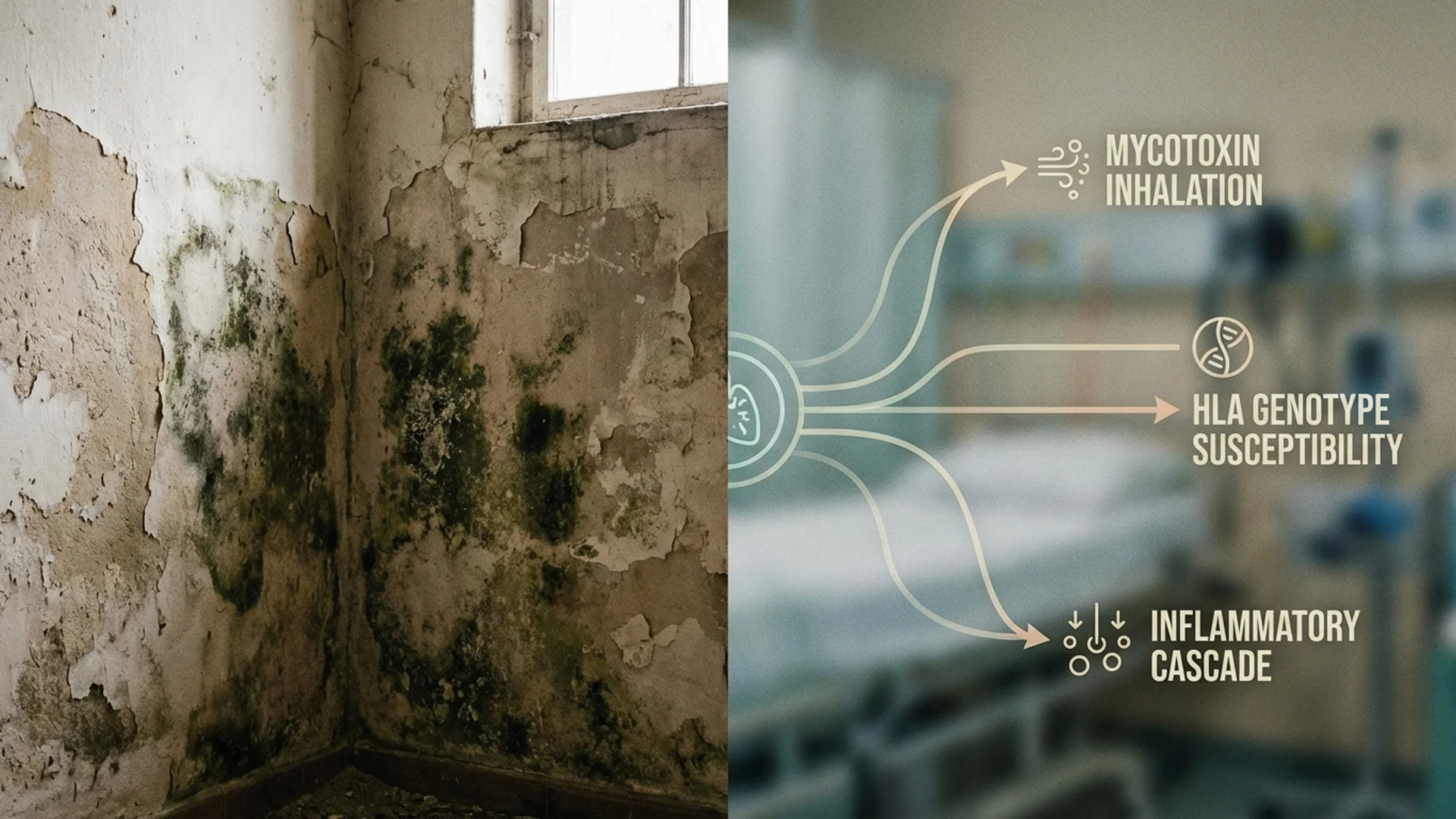
CIRS, as defined by Dr. Ritchie Shoemaker, is a multi-system, multi-symptom illness caused by exposure to biotoxins — most commonly from water-damaged buildings (mold species producing mycotoxins), but also from Lyme disease (Borrelia lipoproteins), cyanobacteria, dinoflagellates, and other biological sources [1].
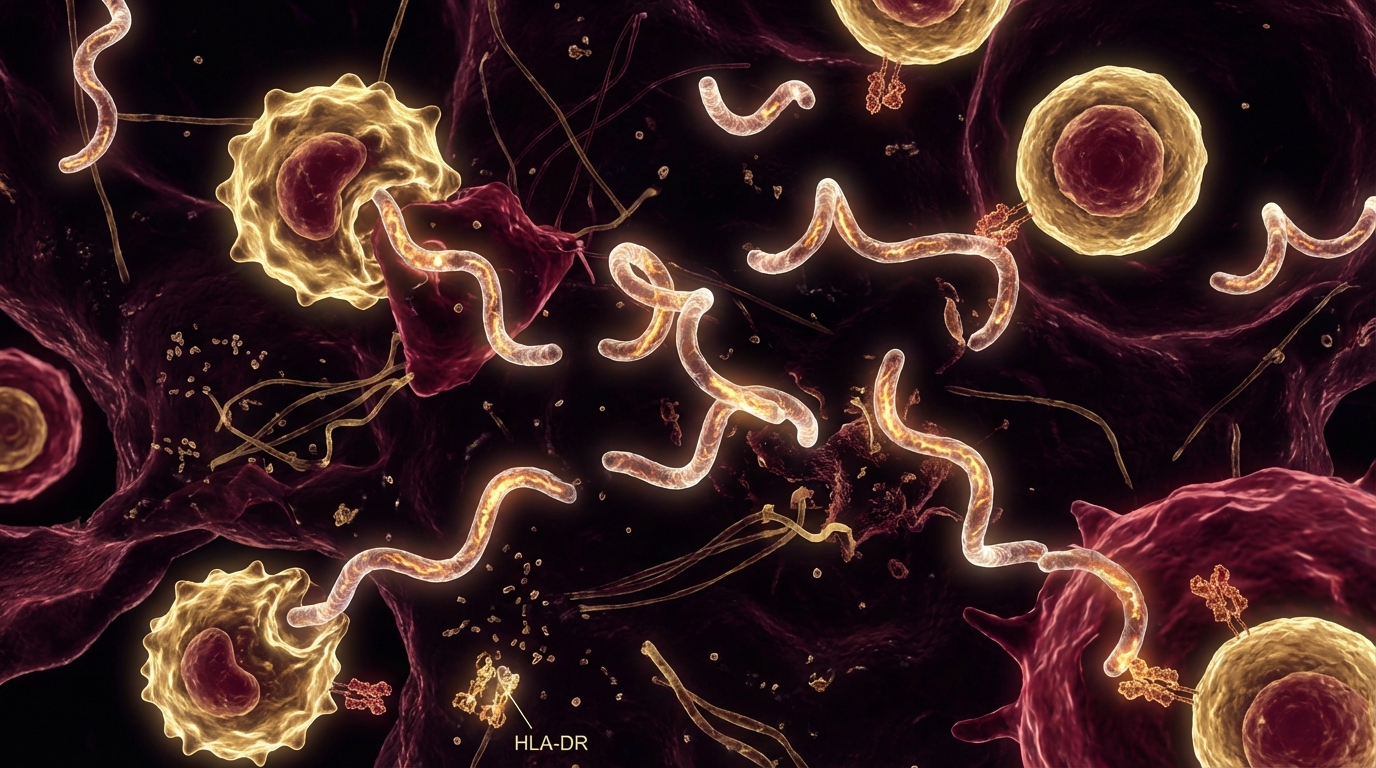
The critical factor is genetic susceptibility. Approximately 25% of the population carries HLA-DR genotypes that impair the immune system’s ability to recognize and clear biotoxins. In these individuals, biotoxins are not processed and eliminated normally — they recirculate, triggering a chronic, self-perpetuating inflammatory cascade.
The CIRS inflammatory cascade:
- Biotoxin exposure (mold, Lyme endotoxins)
- HLA-susceptible immune system fails to tag biotoxin for clearance
- Biotoxin activates innate immune toll-like receptors
- Chronic cytokine elevation (TGF-beta 1, C4a, MMP-9, VEGF dysregulation)
- Hypothalamic-pituitary dysfunction (MSH depletion, VIP depletion, ADH/osmolality dysregulation)
- Multi-system symptoms: fatigue, cognitive dysfunction, pain, GI, respiratory, neurological
MCAS (Mast Cell Activation Syndrome)
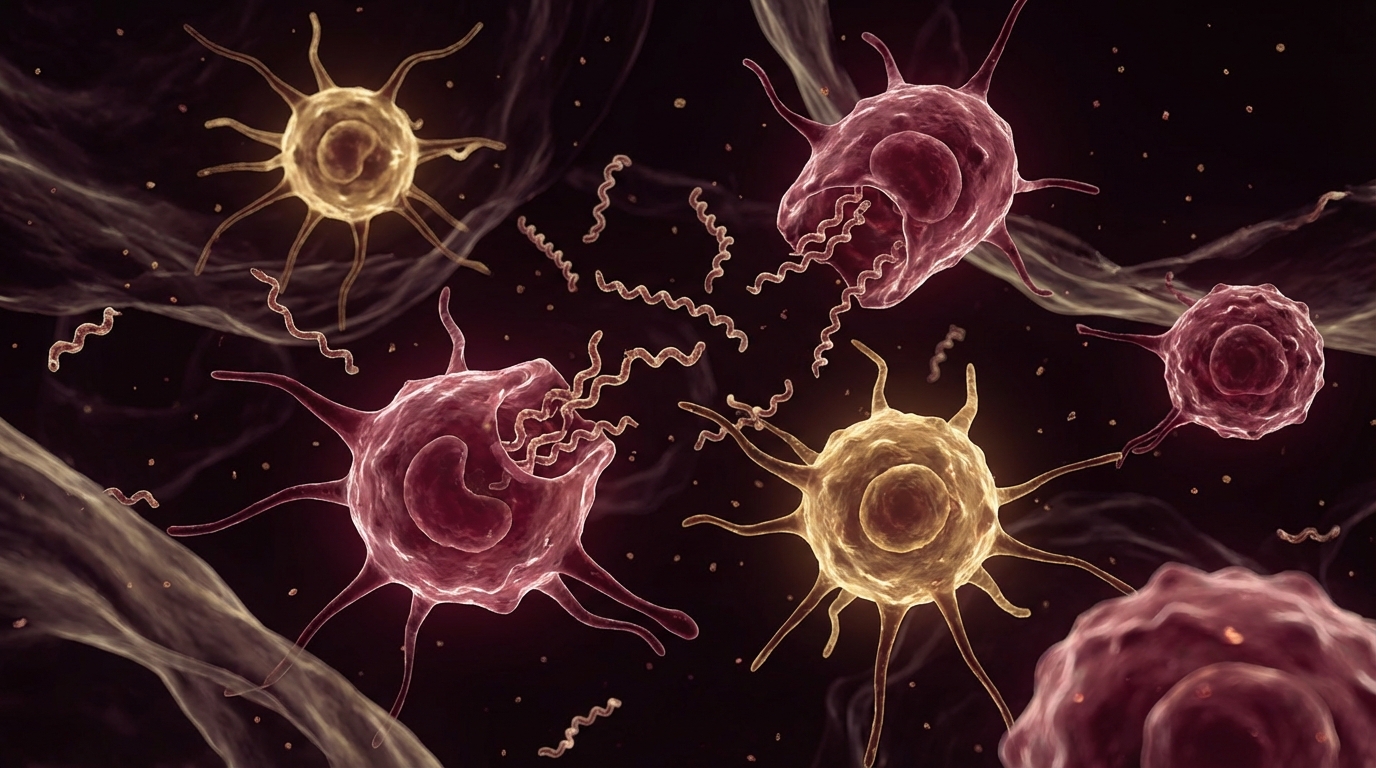
MCAS is a condition in which mast cells — immune cells distributed throughout connective tissues, particularly near blood vessels, nerves, and mucosal surfaces — degranulate inappropriately, releasing inflammatory mediators including histamine, tryptase, prostaglandins, leukotrienes, and cytokines [2].
Normal mast cell activation is part of healthy immune defense. In MCAS, the threshold for activation is pathologically lowered — mast cells respond to stimuli that should not trigger degranulation.
MCAS triggers:
- Foods (particularly high-histamine foods)
- Temperature changes
- Fragrances and chemicals
- Stress (physical or emotional)
- Exercise
- Medications
- Infections
MCAS mediator effects:
- Histamine: flushing, itching, GI disturbance, tachycardia, headache
- Prostaglandins: pain, GI cramping, flushing
- Leukotrienes: respiratory symptoms, congestion
- Tryptase: tissue inflammation
- Cytokines: fatigue, malaise, brain fog
Where They Overlap
The diagnostic confusion between CIRS and MCAS arises because they share a large symptom overlap:
| Symptom | CIRS | MCAS | Both |
|---|---|---|---|
| Fatigue | Yes | Yes | Very common |
| Brain fog | Yes | Yes | Very common |
| GI disturbance | Yes | Yes | Very common |
| Headache | Yes | Yes | Common |
| Joint/muscle pain | Yes | Less common | Moderate |
| Skin flushing | Less common | Yes | Moderate |
| Histamine intolerance | Secondary | Primary | Common |
| Respiratory symptoms | Yes | Yes | Common |
| Temperature dysregulation | Yes | Yes | Common |
| Anxiety | Yes | Yes | Common |
| Light/sound sensitivity | Yes | Yes | Common |
In my clinical practice, I estimate that 40-60% of patients with confirmed CIRS also meet criteria for MCAS. This is not coincidence — there is a mechanistic connection.

The Upstream Driver Theory
This is the clinical insight that changes treatment strategy: CIRS can be the upstream driver of MCAS.
Here is the mechanism:
- Chronic biotoxin exposure in an HLA-susceptible individual creates sustained innate immune activation
- Chronic elevation of TGF-beta 1 and complement activation (C3a, C4a) directly activates mast cells
- Depleted MSH (melanocyte-stimulating hormone) — characteristic of CIRS — removes a key anti-inflammatory brake on mast cell activity
- Chronic inflammation lowers the mast cell degranulation threshold
- The patient now reacts to foods, chemicals, and environmental stimuli that would not normally trigger a mast cell response
In this model, MCAS is a downstream consequence of CIRS. The mast cells are not inherently defective — they are being destabilized by the ongoing biotoxin-driven inflammatory cascade.
This explains why treating MCAS alone — with antihistamines, mast cell stabilizers, and trigger avoidance — often provides partial but incomplete relief. The mast cells keep getting reactivated because the upstream inflammatory driver (biotoxin burden) has not been addressed.
The Evidence
What We Know (Human Data)
CIRS has been characterized through Shoemaker’s work involving thousands of patients, with published data on biomarker patterns (TGF-beta 1, C4a, MMP-9, MSH, VIP, VEGF, ADH/osmolality), HLA-DR genotype distributions, and treatment outcomes [1]. The Shoemaker Protocol has published case series data but lacks large randomized controlled trials.
MCAS diagnostic criteria were formalized by the American Academy of Allergy, Asthma & Immunology (AAAAI) and include: (1) episodic symptoms consistent with mast cell mediator release affecting two or more organ systems, (2) elevated mast cell mediators (tryptase, histamine metabolites, prostaglandin D2 metabolites), and (3) response to mast cell-targeted therapy [2].
The connection between biotoxin illness and mast cell activation has been described in the clinical literature but formal research establishing causation (vs. correlation) is still emerging. Dr. Neil Nathan and others have published clinical observations supporting the upstream driver model [3].
What I See in Practice
In our clinical experience, the patients who present with “treatment-resistant MCAS” almost always have an unidentified upstream driver — and in our patient population, the most common upstream drivers are:
- Mold/CIRS — biotoxin-mediated mast cell destabilization
- Chronic tick-borne infections — Borrelia, Bartonella endotoxins activate mast cells
- Reactivated viruses — EBV, HHV-6 immune dysregulation
What I tell my patients: if your MCAS responds to antihistamines and mast cell stabilizers but never fully resolves — or requires escalating interventions to maintain the same level of control — there is likely an upstream driver that has not been identified and treated.
I also observe that patients who undergo the Shoemaker Protocol for CIRS (cholestyramine binding, VIP nasal spray, environmental remediation) frequently report improvement in their MCAS symptoms even without specific mast cell-targeted therapy. This supports the upstream driver model: address the biotoxin burden, and the mast cells stabilize.
Practical Application
Step 1: Establish Which Condition(s) Are Present
CIRS workup:
- CIRS symptom checklist (37 symptoms across 13 clusters)
- HLA-DR genotype (identifies genetic susceptibility)
- Biomarker panel: TGF-beta 1, C4a, C3a, MMP-9, MSH, VIP, VEGF, ADH/osmolality
- Visual Contrast Sensitivity (VCS) test
- Environmental assessment: mold testing of home/workplace
MCAS workup:
- Serum tryptase (baseline and during flare, if possible)
- 24-hour urine for N-methylhistamine, prostaglandin D2, leukotriene E4
- Trial of H1 + H2 antihistamine therapy (diagnostic and therapeutic)
- Symptom diary correlating episodes with triggers
Step 2: Determine the Treatment Priority
If CIRS is identified as the upstream driver:
- Remove from biotoxin exposure (environmental remediation, relocation if necessary)
- Begin biotoxin binding (cholestyramine 4g 3x daily or welchol as alternative)
- Correct biomarker abnormalities (VIP, MSH restoration)
- MCAS often improves as CIRS is treated
- Add targeted MCAS therapy only if mast cell symptoms persist after CIRS management
If MCAS is primary (no evidence of CIRS or biotoxin exposure):
- H1 antihistamine (cetirizine, loratadine) + H2 antihistamine (famotidine)
- Mast cell stabilizers (cromolyn sodium, quercetin, luteolin)
- Trigger identification and avoidance
- Low-histamine diet trial
- Consider DAO enzyme supplementation
If both are present (the majority of complex patients):
- Begin environmental remediation and biotoxin binding (address CIRS)
- Add H1/H2 antihistamines for symptom control (manage MCAS)
- Introduce mast cell stabilizers
- Low-histamine diet during active treatment
- Reassess MCAS severity after 3-6 months of CIRS treatment
- Many patients can reduce MCAS medications as CIRS resolves
Step 3: Address Concurrent Infections
Do not forget that chronic infections can drive both conditions:
- Lyme disease — Borrelia lipoproteins activate innate immunity and mast cells
- Bartonella — vascular inflammation destabilizes local mast cells
- Reactivated viruses — EBV/HHV-6 immune dysregulation
- Biofilm-protected organisms — chronic endotoxin release

Safety and Considerations
- Cholestyramine is a powerful binder that must be taken 1 hour before or 2+ hours after all medications. It can cause significant constipation and must be introduced gradually.
- HLA-DR genotyping identifies susceptibility but does not diagnose CIRS by itself. Clinical presentation and biomarker patterns are required.
- MCAS diagnosis requires documentation of mast cell mediator elevation. Symptoms alone are insufficient for diagnosis.
- Environmental remediation can be expensive and disruptive. Proper ERMI testing and professional assessment guide the decision about whether remediation or relocation is necessary.
- Neither CIRS nor MCAS has definitive, universally accepted diagnostic criteria. Both are recognized by functional and integrative medicine practitioners but remain controversial in some conventional medical settings.
- Self-diagnosis from online checklists is common but unreliable. Both conditions require systematic clinical evaluation.
The Bottom Line
CIRS and MCAS are distinct conditions that frequently co-exist — and CIRS can be the upstream driver of MCAS. If you are being treated for mast cell activation but not improving, the question to ask is: what is destabilizing your mast cells? Biotoxin illness from mold or chronic infections is one of the most common answers. The nuance matters: treating the downstream symptoms (antihistamines for MCAS) without addressing the upstream cause (biotoxin clearance for CIRS) produces partial, unsustainable results. Addressing both simultaneously — with CIRS treatment as the foundation — gives patients the best chance at meaningful recovery.
References
- Shoemaker RC, House D, Ryan JC. Structural brain abnormalities in patients with inflammatory illness acquired following exposure to water-damaged buildings. Neurotoxicol Teratol. 2014;45:18-26. PMID: 25064587
- Valent P, Akin C, Bonadonna P, et al. Proposed diagnostic algorithm for patients with suspected mast cell activation syndrome. J Allergy Clin Immunol Pract. 2019;7(4):1125-1133. PMID: 30737190
- Nathan N. Toxic: Heal Your Body from Mold Toxicity, Lyme Disease, Multiple Chemical Sensitivities, and Chronic Environmental Illness. Victory Belt Publishing; 2018.
- Theoharides TC, Valent P, Akin C. Mast cells, mastocytosis, and related disorders. N Engl J Med. 2015;373(2):163-172. PMID: 26154789