At a Glance
| Property | Detail |
|---|---|
| Evidence Level | Limited — animal studies and clinical observation; no human dose-finding trials |
| Typical Loading Dose | 2-2.5 mg SC, twice weekly for 4-6 weeks |
| Typical Maintenance Dose | 2 mg SC, once weekly or biweekly |
| Cycle Length | 8-12 weeks total (loading + maintenance) |
| Route | Subcutaneous injection |
| Regulatory Status | Not FDA-approved; WADA-prohibited substance |
How Should You Dose TB-500?
Let me be direct: the dosing protocols for TB-500 tissue repair peptide are not based on human pharmacokinetic studies or dose-finding clinical trials. They are derived from allometric scaling of animal data, extrapolation from the Thymosin Beta-4 (full-length protein) research, and years of accumulated clinical observation. This is the reality for most peptide therapies, and you should understand it before committing to a protocol.
What I can tell you is that the loading-and-maintenance approach has emerged as the most widely used protocol across clinical practices, and there are logical reasons for this structure. Here is what the evidence shows, where it comes from, and how it translates to practical application.
Understanding TB-500 vs. Thymosin Beta-4
Before discussing dosing, a critical clarification. TB-500 is a synthetic fragment of Thymosin Beta-4 (Tb4), a 43-amino-acid protein that is naturally present in virtually all human cells. TB-500 corresponds to the active region of Tb4, specifically the actin-binding domain that is responsible for much of the protein’s biological activity.
This distinction matters for dosing because most of the published research uses full-length Thymosin Beta-4, not the TB-500 fragment. When translating study doses to TB-500 protocols, we are making an additional assumption — that the fragment retains equivalent potency to the relevant region of the full-length protein. The animal data supports this assumption, but it has not been rigorously validated in humans.
The Loading Phase
The loading phase is the initial period of higher-frequency dosing designed to establish tissue saturation and initiate the repair process.
Standard Loading Protocol
| Parameter | Recommendation |
|---|---|
| Dose | 2-2.5 mg per injection |
| Frequency | Twice weekly (e.g., Monday and Thursday) |
| Duration | 4-6 weeks |
| Route | Subcutaneous injection |
| Injection site | Abdominal fat or near injury site |
Why a Loading Phase?
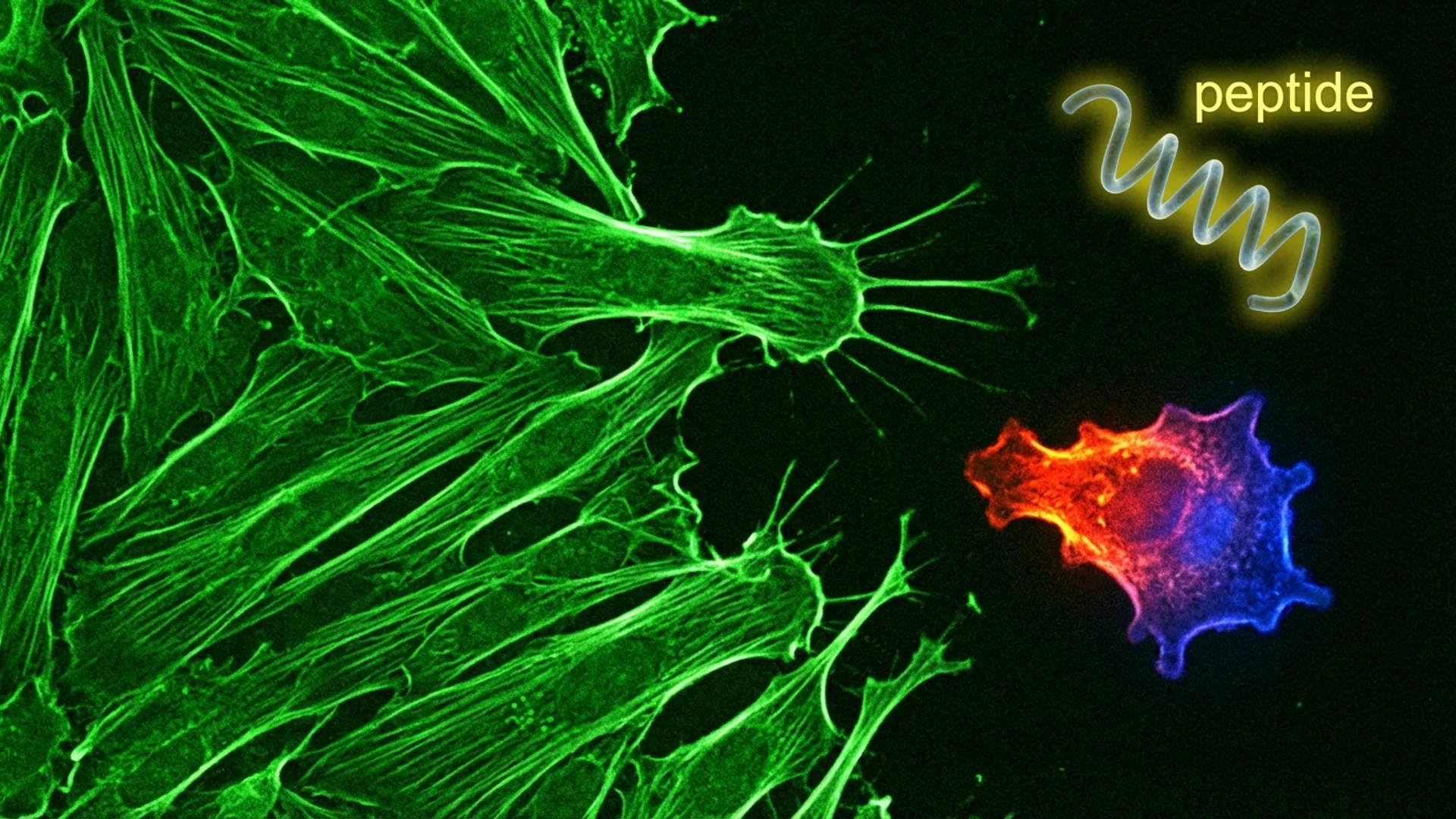
The rationale for loading is based on the pharmacokinetics of tissue repair. When TB-500 promotes cell migration and actin organization in damaged tissue, the initial response requires establishing sufficient peptide concentration to overcome the threshold for biological activity. Think of it as filling a reservoir — once tissue levels are adequate, less peptide is needed to maintain them.
In the published Thymosin Beta-4 research, the studies that showed the most robust healing effects used protocols with an initial intensive dosing period. The Phase II clinical trial for dry eye syndrome, for example, used twice-daily application of Tb4 eye drops for an initial period before reducing frequency. While the route of administration is different, the loading principle is consistent.
Dosing by Body Weight
TB-500 dosing in clinical practice is not strictly weight-adjusted. However, for patients at the extremes of body weight, some practitioners make modifications:
| Body Weight | Loading Dose |
|---|---|
| Under 65 kg | 1.5-2 mg, twice weekly |
| 65-90 kg | 2-2.5 mg, twice weekly |
| Over 90 kg | 2.5 mg, twice weekly |
These adjustments are based on clinical judgment, not pharmacokinetic modeling. In my experience, most adults respond well within the 2-2.5 mg range regardless of body weight.
The Maintenance Phase
After the loading phase, the frequency of administration is reduced. The goal is to sustain tissue-level peptide availability while the repair process continues, without the intensity of the loading period.
Standard Maintenance Protocol
| Parameter | Recommendation |
|---|---|
| Dose | 2 mg per injection |
| Frequency | Once weekly or once every two weeks |
| Duration | 4-6 weeks |
| Route | Subcutaneous injection |
When to Transition from Loading to Maintenance
The transition typically occurs at 4-6 weeks, based on clinical response. Signs that the loading phase has been effective and maintenance is appropriate include:
- Measurable improvement in pain, range of motion, or function
- Imaging evidence of tissue repair (if applicable)
- Reduction in inflammation markers (if being monitored)
If there is no meaningful response after 6 weeks of loading, extending the loading phase is unlikely to produce a different outcome. In such cases, I reassess the diagnosis, consider whether the injury is amenable to peptide therapy, and evaluate other contributing factors.
Cycling Protocols
Standard Cycle
| Phase | Duration | Dose | Frequency |
|---|---|---|---|
| Loading | Weeks 1-4 | 2.5 mg SC | Twice weekly |
| Maintenance | Weeks 5-8 | 2 mg SC | Once weekly |
| Rest | Weeks 9-12 | None | — |
| Reassess | Week 12 | — | Repeat cycle if needed |
Extended Cycle for Chronic Conditions
| Phase | Duration | Dose | Frequency |
|---|---|---|---|
| Loading | Weeks 1-6 | 2 mg SC | Twice weekly |
| Maintenance | Weeks 7-12 | 2 mg SC | Once weekly |
| Taper | Weeks 13-14 | 2 mg SC | Every 2 weeks |
| Rest | Weeks 15-18 | None | — |
Why Cycle?
The reasons for cycling TB-500 parallel those for other peptides:
-
Receptor sensitivity preservation. Continuous stimulation of any signaling pathway can lead to desensitization. The rest period allows receptors to reset.
-
Assessment windows. The rest period provides an opportunity to evaluate whether the healing achieved during the active cycle is durable and whether additional cycles are needed.
-
Safety conservatism. Without long-term continuous-use safety data, intermittent use is the more prudent approach.
Injection Technique and Practical Considerations
Reconstitution
TB-500 is typically supplied as a lyophilized powder. Reconstitution protocol:
- Add bacteriostatic water to the vial — 1-2 mL depending on desired concentration
- Swirl gently; do not shake
- Allow to dissolve completely (may take 5-10 minutes)
- Store reconstituted peptide refrigerated at 2-8°C
- Use within 3-4 weeks
Concentration Table
| Vial Size | Water Added | Concentration | 2 mg = | 2.5 mg = |
|---|---|---|---|---|
| 5 mg | 1 mL | 5 mg/mL | 0.4 mL (40 units) | 0.5 mL (50 units) |
| 5 mg | 2 mL | 2.5 mg/mL | 0.8 mL (80 units) | 1.0 mL (100 units) |
| 10 mg | 2 mL | 5 mg/mL | 0.4 mL (40 units) | 0.5 mL (50 units) |
Injection Site
TB-500 is administered subcutaneously. Unlike BPC-157 peptide therapy, where local injection near the injury site is often recommended, TB-500 is considered to distribute systemically regardless of injection site. This is because Tb4’s primary mechanism — actin regulation and promotion of cell migration — is not dependent on local tissue concentration in the same way that BPC-157’s VEGF upregulation may be.
That said, some clinicians still prefer injecting near the injury site. There is no data demonstrating superiority of either approach. The abdomen remains the most practical injection site for most patients. An exception is scalp-directed therapy: when TB-500 is used as part of a peptide hair restoration protocol, some practitioners administer it via mesotherapy directly into the scalp dermis to maximize local concentration alongside systemic dosing.
Combination with BPC-157
The combination of TB-500 and BPC-157 — sometimes called the “recovery stack” — is one of the most common peptide combinations in clinical use. The rationale is mechanistic complementarity:
| Peptide | Primary Mechanism | Strength |
|---|---|---|
| TB-500 | Actin regulation, cell migration, anti-fibrotic | Tissue remodeling, reducing scar formation |
| BPC-157 | Angiogenesis, growth factor modulation, NO system | Blood vessel formation, growth factor support |
Combination Protocol
| Peptide | Loading Phase | Maintenance Phase |
|---|---|---|
| TB-500 | 2 mg SC, 2x/week (weeks 1-4) | 2 mg SC, 1x/week (weeks 5-8) |
| BPC-157 | 250-500 mcg SC, 1x/day (weeks 1-6) | 250 mcg SC, 1x/day (weeks 7-8) |
For a detailed comparison of these two peptides, see BPC-157 vs TB-500: Which Healing Peptide and When.
WADA Prohibition: Context for Athletes
TB-500 (and Thymosin Beta-4) is on the World Anti-Doping Agency (WADA) Prohibited List under Section S2: Peptide Hormones, Growth Factors, Related Substances and Mimetics. This has been the case since 2010. Detection methods for Tb4 in urine have been published and are in use.
If you are a competitive athlete subject to anti-doping testing, TB-500 is not an option. Period. The detection window extends well beyond the duration of use, and there is no sanctioned therapeutic use exemption (TUE) pathway for TB-500 in most sports.
What the Evidence Does Not Tell Us
Here is what the evidence shows: Thymosin Beta-4 has consistent tissue repair effects across numerous animal models at doses that scale to the human ranges described above. Here is what it does not tell us:
- Whether the TB-500 fragment has identical potency to full-length Tb4 in humans
- The optimal loading duration for different injury types
- Whether twice-weekly dosing is superior to three-times-weekly or once-weekly during loading
- Long-term safety of repeated cycles
- Interaction with other medications
In my clinical practice, I treat these unknowns with respect rather than dismissal. The protocols work well enough that I continue to use them. But I never overstate the quality of the evidence that supports them.
The Bottom Line
TB-500 dosing follows a loading-and-maintenance structure: typically 2-2.5 mg subcutaneously twice weekly for 4-6 weeks, followed by 2 mg once weekly for an additional 4-6 weeks. All dosing is extrapolated from animal data and clinical experience. The loading approach is logical based on tissue repair biology but has not been validated in human dose-finding trials. Work with a qualified physician, cycle appropriately, and maintain realistic expectations.
For the full TB-500 overview, see TB-500: Thymosin Beta-4 Fragment for Recovery. For tendon-specific applications, see TB-500 for Tendon and Ligament Repair.
References
- Philp D, et al. “Thymosin beta4 promotes angiogenesis, wound healing, and hair follicle development.” Mech Ageing Dev. 2004;125(2):113-115. PMID: 15037012.
- Malinda KM, et al. “Thymosin beta4 accelerates wound healing.” J Invest Dermatol. 1999;113(3):364-368. PMID: 10469334.
- Sosne G, et al. “Thymosin beta 4 promotes corneal wound healing and decreases inflammation in vivo following alkali injury.” Exp Eye Res. 2002;74(2):293-299. PMID: 11950239.
- Crockford D. “Development of thymosin beta4 for treatment of patients with ischemic heart disease.” Ann N Y Acad Sci. 2007;1112:385-395. PMID: 17600286.
- WADA. “The 2024 Prohibited List: International Standard.” World Anti-Doping Agency. 2024.
Disclaimer: This article is for educational purposes and reflects current published research and clinical observation. It is not medical advice. TB-500 is not FDA-approved for any therapeutic indication and is prohibited by WADA. Consult a qualified physician before pursuing any peptide therapy.