At a Glance
| Property | Detail |
|---|---|
| Full Name | Thymosin Beta-4 (Tb4) |
| Synthetic Version | TB-500 (active region of Tb4) |
| Amino Acid Count | 43 (full Tb4); TB-500 contains the central active domain |
| Primary Mechanism | Actin sequestration, cell migration, anti-inflammatory, angiogenic |
| Evidence Level | Animal studies (strong); human clinical trials for parent molecule (ophthalmic, cardiac) |
| Regulatory Status | Not FDA-approved for systemic use; Tb4 studied in clinical trials (RegeneRx Biopharmaceuticals) |
| Route of Administration | Subcutaneous injection |
| Typical Cycle | 4-6 week loading phase, followed by maintenance |
| Cost Range | 100-300 EUR/month depending on source and dosing |
Most patients who ask me about TB-500 have already heard about it from someone who used it for a tendon injury, a muscle tear, or post-surgical recovery. They come in with high expectations and incomplete information. Some have already been self-administering it. Others want an honest assessment before they start.
This guide is that honest assessment. I will walk you through what TB-500 is, how it works at the molecular level, what the research actually shows, how I use it in clinical practice, and where the evidence has real gaps that no amount of enthusiasm can fill.
What TB-500 Is — and What It Is Not
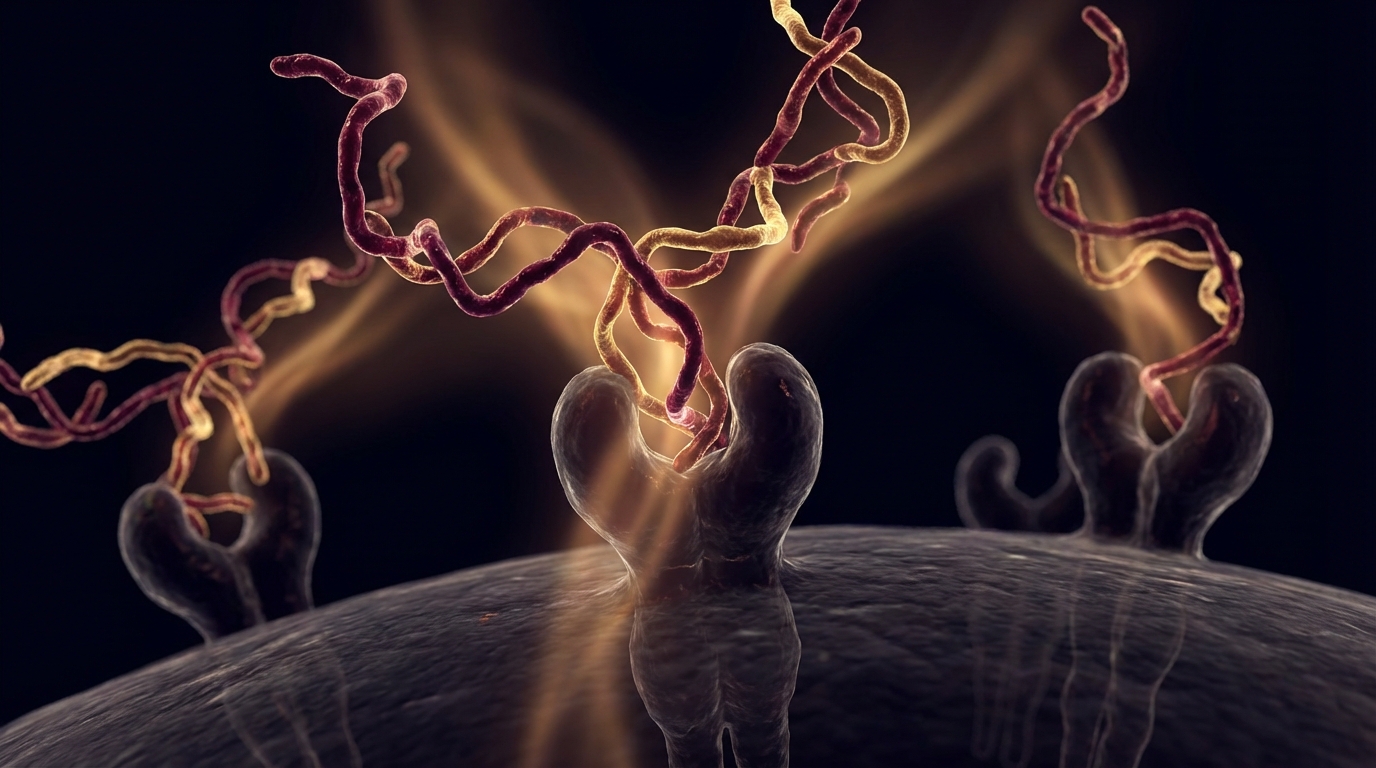
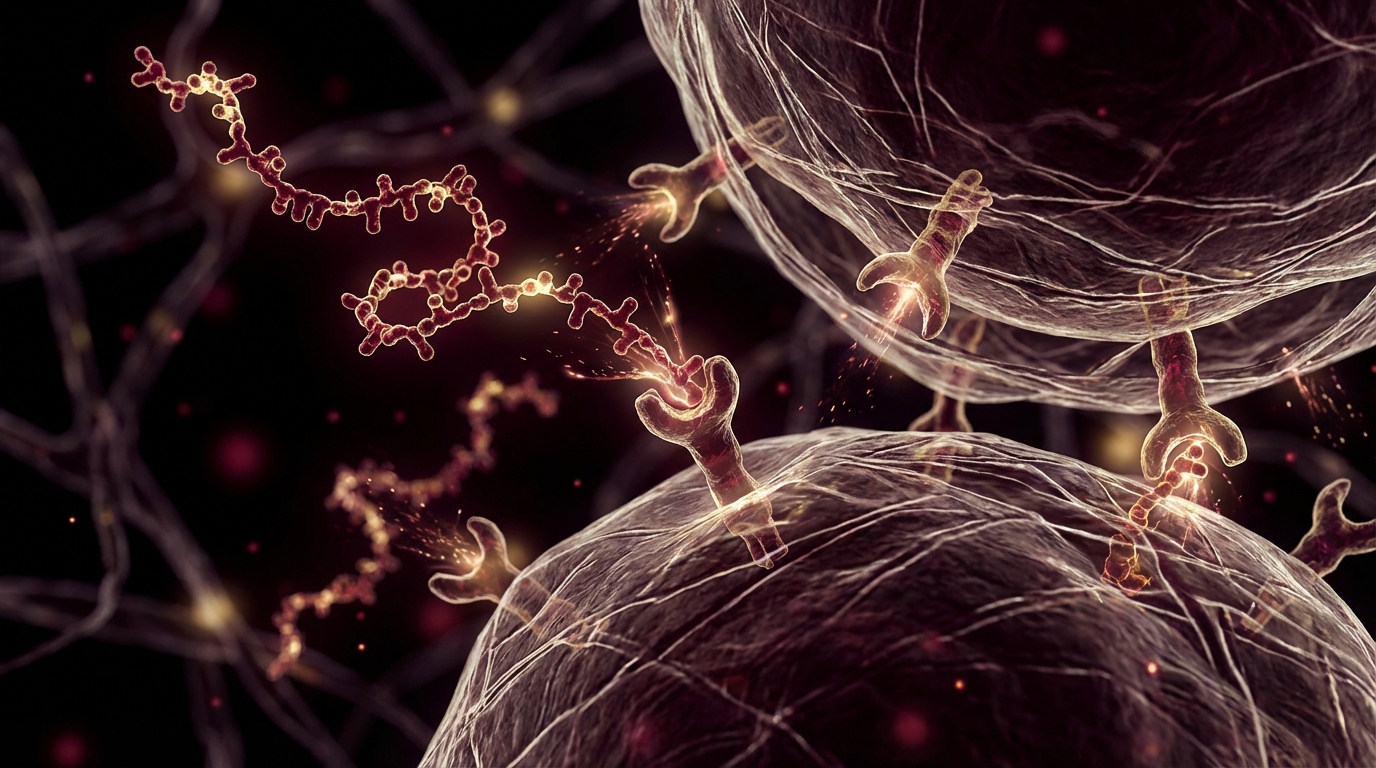
Thymosin beta-4 (Tb4) is a 43-amino-acid peptide found in virtually every human cell. It is one of the most abundant intracellular peptides in the body. Its discovery dates to the 1960s, when Allan Goldstein and colleagues isolated a series of peptides from calf thymus tissue. The name “thymosin” reflects that original isolation — it does not mean the peptide functions only in the thymus. Tb4 is produced by nearly every nucleated cell type, with particularly high concentrations in platelets, wound fluid, and developing tissue.
TB-500 is the commercially available synthetic version of the biologically active region of thymosin beta-4. It is centered around the actin-binding domain, specifically the sequence Leu-Lys-Lys-Thr-Glu-Thr (LKKTET at positions 17-22), which is responsible for the peptide’s core tissue repair functions.
Here is the distinction that matters clinically: thymosin beta-4 is the full 43-amino-acid molecule that has been studied in human clinical trials. TB-500 refers to the synthetic fragment containing the active region. In practice, the two terms are used interchangeably, but they are not identical molecules. When I cite clinical trial data in this article, it comes from studies on the full thymosin beta-4 molecule unless otherwise noted.
This distinction is not trivial. The assumption that the active fragment retains all properties of the parent molecule is reasonable but has not been rigorously validated across all applications. What I tell my patients is that TB-500 likely carries the same biological activity for tissue repair, but intellectual honesty requires acknowledging that “likely” is not “proven.”
Mechanism of Action: How TB-500 Works
Actin Sequestration and Cell Migration
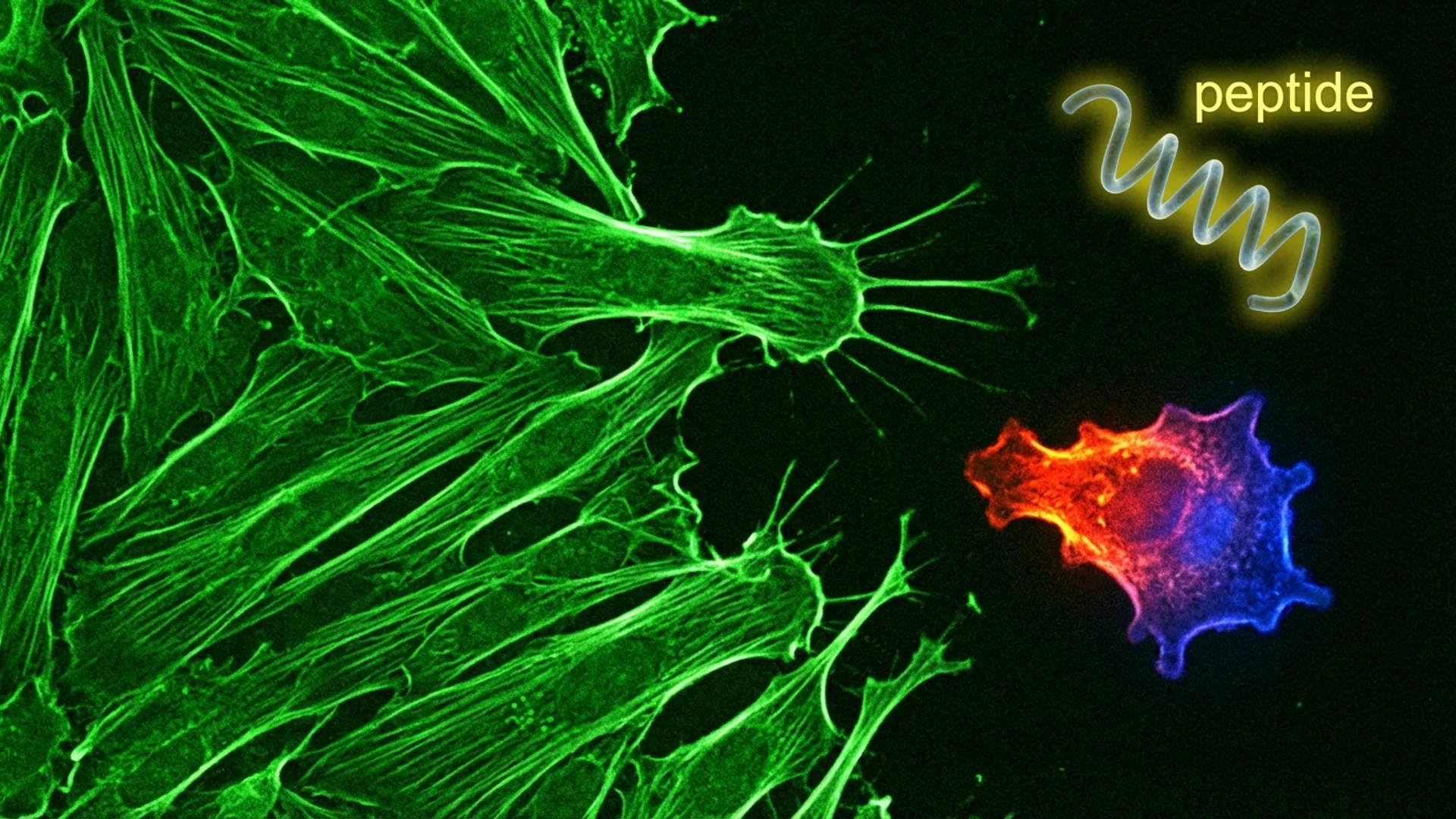
The most well-characterized function of thymosin beta-4 is its role as a G-actin sequestering peptide. Actin is the structural protein that forms the internal skeleton of cells. It exists in two forms: monomeric globular actin (G-actin) and polymerized filamentous actin (F-actin). The dynamic conversion between these two forms is what allows cells to move, divide, and change shape.
Tb4 binds to G-actin in a 1:1 complex, preventing premature polymerization and maintaining a pool of available monomers. When a cell needs to migrate — say, a fibroblast moving toward a wound site — it can rapidly draw on this pool to extend membrane protrusions (lamellipodia) in the direction of movement.
In practical terms, this means TB-500 enhances the speed and efficiency with which repair cells reach an injury. Fibroblasts, endothelial cells, and keratinocytes all depend on actin remodeling for migration. In my clinical experience, this mechanism is the primary reason TB-500 is valuable for injuries characterized by slow or incomplete tissue repair.
Anti-Inflammatory Signaling
Thymosin beta-4 reduces inflammation through several converging pathways:
- NF-kB suppression. Tb4 downregulates NF-kB, the master transcription factor that drives expression of pro-inflammatory genes. This reduces production of IL-1 beta, IL-6, and TNF-alpha — the cytokines responsible for the pain, swelling, and tissue destruction associated with chronic inflammation.
- Macrophage polarization. Tb4 shifts macrophage phenotype from M1 (pro-inflammatory, tissue-destructive) toward M2 (anti-inflammatory, tissue-reparative). This is relevant because chronic injuries often become stuck in an M1-dominant state that perpetuates tissue damage instead of resolving it.
- Oxidative stress reduction. Animal studies have demonstrated that Tb4 reduces reactive oxygen species production at injury sites, which limits secondary tissue damage from oxidative stress.
Angiogenesis
Like BPC-157, thymosin beta-4 promotes the formation of new blood vessels — a critical step in tissue repair because healing tissue requires oxygen and nutrient delivery. The mechanism differs from BPC-157’s VEGF-centric pathway. Tb4 promotes angiogenesis primarily through enhanced endothelial cell migration and by upregulating VEGF via the Akt/mTOR signaling cascade.
This means Tb4 and BPC-157 promote angiogenesis through complementary, non-redundant mechanisms. This is part of the rationale for combining them in clinical protocols.
Anti-Fibrotic Effects
One of the most clinically relevant properties of TB-500 is its ability to reduce pathological fibrosis — the excessive scar tissue formation that impairs function after injury. This effect has been demonstrated in cardiac injury models, hepatic fibrosis models, and dermal wound healing studies.
The mechanism involves modulation of TGF-beta signaling, the primary driver of fibroblast-to-myofibroblast conversion and excessive collagen deposition. By reducing TGF-beta activity at the appropriate phase of wound healing, Tb4 allows tissue to remodel into functional architecture rather than disorganized scar.
In my clinical experience, this anti-fibrotic property is what separates TB-500 from simple anti-inflammatory agents. Anti-inflammatories reduce pain; TB-500 appears to improve the quality of the tissue that forms during repair.
Evidence Assessment: What We Know and What We Do Not
Strong Evidence (Human Clinical Trials)
Ophthalmic applications. RegeneRx Biopharmaceuticals developed RGN-259, a thymosin beta-4 formulation for topical ophthalmic use. Clinical trials for dry eye syndrome and neurotrophic keratopathy demonstrated both safety and preliminary efficacy. Sosne and colleagues (2016) published results showing significant improvements in corneal healing markers. This is the strongest human evidence for Tb4’s tissue repair properties.
Cardiac repair. Bock-Marquette and colleagues published a landmark 2004 study in Nature demonstrating that thymosin beta-4 promoted cardiac cell migration and survival following myocardial infarction in mouse models. Subsequent work by Smart and colleagues (2011) showed that Tb4 could reactivate epicardial progenitor cells and promote neovascularization in injured adult hearts. Phase I human studies have been conducted for cardiac applications, confirming safety.
Moderate Evidence (Animal Studies with Consistent Results)
Wound healing. Malinda and colleagues (1999) demonstrated accelerated wound healing in rat dermal wound models, with increased angiogenesis and collagen deposition at wound sites. Multiple subsequent studies have confirmed these findings across different injury models.
Anti-inflammatory effects. Badamchian and colleagues (2003) demonstrated that Tb4 reduced lethality and inflammatory mediators in endotoxin-induced septic shock in animal models. The anti-inflammatory mechanism has been consistently reproduced across different research groups and models.
Neurological repair. Xiong and colleagues (2012) showed that Tb4 administration improved functional outcomes after traumatic brain injury in rats, including reduced brain edema, improved neurological severity scores, and enhanced neurogenesis.
Emerging Evidence (Preliminary)
Hair regrowth. Philp and colleagues (2004) reported that Tb4 promoted hair follicle development in mouse models. This finding has generated interest but remains at the preclinical stage.
Musculoskeletal repair. Despite being the most popular clinical application, systemic TB-500 administration for musculoskeletal injuries in humans has not been studied in controlled clinical trials. The evidence base for this use comes from extrapolation of the wound healing and cell migration data, veterinary applications (particularly in equine medicine), and clinical observation.
What the Evidence Does Not Support
There are no controlled human studies demonstrating that systemic TB-500 injection accelerates tendon healing, reduces muscle recovery time, or improves outcomes after orthopedic surgery. The clinical observation is encouraging — I will discuss my own experience below — but clinical observation is the lowest level on the evidence hierarchy. Patients deserve to know that distinction.
Dosing Protocols
| Phase | Dose | Frequency | Duration | Source of Data |
|---|---|---|---|---|
| Loading | 2-2.5 mg | Twice weekly | 4-6 weeks | Clinical practice, allometric scaling |
| Maintenance | 2-2.5 mg | Once weekly | 4-8 weeks | Clinical practice |
| Acute injury | 5 mg | Twice weekly | 2-4 weeks | Clinical practice (higher loading) |
Important context: These dosing ranges are derived from clinical practice conventions and allometric scaling from animal studies. They are not based on human dose-finding studies for systemic musculoskeletal applications. The loading-maintenance structure reflects clinical convention, not controlled trial data.
Source: Dosing protocol table in this article — clinical-practice conventions and allometric scaling; not human dose-finding data.
In my practice, I typically start with 2 mg twice weekly for four weeks (loading), then transition to 2 mg once weekly for maintenance. For acute injuries — a fresh tendon tear or post-surgical recovery — I may use a higher loading dose of up to 5 mg twice weekly for two weeks before stepping down.
TB-500 is administered via subcutaneous injection. The injection site should be rotated. Many practitioners recommend injecting as close to the injury site as practical, though the evidence supporting localized injection over systemic administration is anecdotal.
Reconstitution follows standard peptide protocols: bacteriostatic water, gentle swirling (not shaking), refrigerated storage after reconstitution, used within 3-4 weeks.
Side Effects and Safety Profile
Observed Side Effects
Thymosin beta-4 has demonstrated a favorable safety profile in the clinical trials conducted to date. In ophthalmic trials, no serious adverse events were reported. In clinical observation of systemic TB-500 use, reported side effects include:
- Injection site reactions — redness, mild swelling, or irritation (most common, typically transient)
- Transient headache — reported in the first 1-2 weeks, usually mild
- Flu-like symptoms — occasionally reported during the first week of use, likely reflecting immune modulation
- Temporary lethargy — some patients report fatigue during the loading phase
- Lightheadedness — rare, more common with higher doses
In my clinical experience, the side effect profile of TB-500 is mild. The majority of patients report no side effects beyond minor injection site irritation. When side effects occur, they typically resolve within the first week without dose adjustment.
Theoretical Concerns
Angiogenesis and cancer risk. Because TB-500 promotes blood vessel formation, there is a theoretical concern about supporting tumor vasculature in patients with active malignancy. Tumors require angiogenesis to grow beyond a few millimeters. While no clinical evidence links TB-500 to cancer promotion, the mechanistic concern is real enough that I do not prescribe it to patients with active or recently treated cancer without careful oncological consultation.
Cell motility and metastasis. Tb4’s enhancement of cell migration raises a theoretical question about whether it could increase the motility of cancer cells. Again, this has not been observed clinically, but it represents a mechanism that warrants caution.
Contraindications
- Active malignancy — theoretical concern based on angiogenic and cell migration properties
- Pregnancy and lactation — no safety data
- Pediatric patients — no pediatric data
- Active autoimmune conditions — use only under close supervision due to effects on cell migration and tissue remodeling
- Known hypersensitivity to thymosin beta-4 or any component
Legal and Regulatory Status
TB-500 occupies a complex regulatory space. Thymosin beta-4 has been investigated in clinical trials (RegeneRx Biopharmaceuticals) and holds Orphan Drug designation from the FDA for specific ophthalmic indications. However, it is not FDA-approved for systemic musculoskeletal use.
In the United States, TB-500 is not classified as a controlled substance. It has been available through compounding pharmacies, though the FDA’s evolving stance on peptide compounding continues to create regulatory uncertainty. The World Anti-Doping Agency (WADA) prohibits thymosin beta-4 in competitive sports.
In the European Union, regulatory status varies by country. In Germany, where I practice, TB-500 can be prescribed as an off-label therapy under the direct supervision of a licensed physician.
What I tell my patients: the regulatory status reflects the incomplete state of clinical evidence, not a safety concern. The compound itself has a well-documented safety profile from clinical trials of the parent molecule. The regulatory gap exists because no pharmaceutical company has completed the full approval pathway for systemic musculoskeletal indications.
When TB-500 Makes Sense — and When It Does Not
Strong Candidates
In my clinical experience, the patients who benefit most from TB-500 share specific characteristics:
- Chronic tendinopathies with poor tissue quality. Tendons that have failed to heal properly after months of conservative treatment — characterized by disorganized collagen, neovascularization on ultrasound, and persistent functional limitation. The anti-fibrotic and cell migration properties of TB-500 are mechanistically appropriate here.
- Post-surgical adhesions. Patients recovering from surgery who develop adhesions or excessive scar tissue that limits range of motion. TB-500’s anti-fibrotic effects through TGF-beta modulation directly address this pathology.
- Complex musculoskeletal injuries. Injuries involving multiple tissue types (muscle, tendon, ligament) where broad tissue repair signaling is needed. I often combine TB-500 with BPC-157 in these cases for complementary mechanisms.
- Injuries in patients with known healing impairment. Diabetic patients, patients on chronic corticosteroids, and older patients with documented poor wound healing responses.
Poor Candidates
- Acute, uncomplicated injuries. A simple muscle strain in a healthy young patient does not need peptide therapy. Appropriate rehabilitation, loading protocols, and time are sufficient.
- Patients seeking a substitute for rehabilitation. TB-500 is an adjunct to proper rehabilitation, not a replacement. Patients who expect a peptide to do the work of progressive loading and physical therapy will be disappointed.
- Active cancer patients. The theoretical angiogenic and cell migration concerns make this an inappropriate population without oncological clearance.
- Patients unwilling to accept evidence limitations. If a patient needs certainty from randomized controlled trial data for systemic musculoskeletal use, TB-500 is not the right choice. That data does not yet exist.
Combining TB-500 with BPC-157
The combination of TB-500 and BPC-157 is one of the most common peptide protocols in clinical practice. The rationale is mechanistic:
- BPC-157 primarily promotes angiogenesis through VEGF upregulation, protects endothelial tissue, and accelerates growth factor signaling.
- TB-500 primarily enhances cell migration through actin regulation, reduces fibrosis through TGF-beta modulation, and promotes angiogenesis through the Akt/mTOR pathway.
These are complementary, non-overlapping mechanisms targeting different aspects of tissue repair. Whether the combination is genuinely synergistic in humans remains an open question — no controlled study has compared the combination against either peptide alone. But the mechanistic rationale is sound, and clinical observation supports its use.
| Peptide | Primary mechanism | Typical dose | Frequency |
|---|---|---|---|
| TB-500 (Tβ4) | Actin-regulated cell migration; anti-fibrotic via TGF-β | 2–2.5 mg | 2×/wk load → 1×/wk |
| BPC-157 | VEGF-driven angiogenesis; endothelial protection | 250–500 µg | 1–2×/day |
Source: Mechanism and dosing figures as stated in this article (see the mechanism sections above and the combination protocol below).
In my practice, a typical combination protocol involves:
- BPC-157: 250-500 mcg subcutaneously, once or twice daily
- TB-500: 2-2.5 mg subcutaneously, twice weekly (loading) then once weekly (maintenance)
- Duration: 6-8 weeks total
For a detailed comparison, see BPC-157 vs TB-500: Which Peptide for Tissue Repair?.
Clinical Perspective
I want to be direct about where I stand on TB-500. It is a peptide I use selectively and with clear expectations. I do not prescribe it to every patient with a musculoskeletal complaint. I prescribe it when the clinical scenario matches its mechanism — specifically, when poor tissue remodeling, excessive fibrosis, or impaired cell migration is contributing to incomplete recovery.
In my clinical experience, the patients who respond best to TB-500 are those with chronic injuries that have plateaued despite adequate rehabilitation. The tendon that refuses to remodel. The surgical site with persistent adhesions. The athlete whose injury healed with disorganized scar tissue that limits function. These are situations where the conventional approach has been given adequate time and has fallen short.
Here is what the evidence shows: thymosin beta-4 has legitimate biological activity in tissue repair. The parent molecule has been through human clinical trials for specific indications — ophthalmic and cardiac — and demonstrated both safety and preliminary efficacy. The molecular mechanisms are well-characterized. The animal data is consistent across multiple research groups and injury models.
Here is what the evidence does not show: that subcutaneous injection of TB-500 for a torn rotator cuff produces better outcomes than rehabilitation alone. That specific data does not exist. When I prescribe TB-500 for musculoskeletal indications, I am making a clinical judgment based on the totality of the evidence — the mechanism, the animal data, the human data from related applications, and my clinical observation. I am not making a claim that contradicts the evidence. I am making a decision in the space where the evidence has not yet reached.
That distinction matters, and patients who understand it make better decisions about their care.
References
- Goldstein AL, et al. “Isolation from calf thymus of a polypeptide with thymosin-like activity.” Proc Natl Acad Sci USA. 1966;63(3):800-807.
- Bock-Marquette I, et al. “Thymosin beta4 activates integrin-linked kinase and promotes cardiac cell migration, survival and cardiac repair.” Nature. 2004;432(7016):466-472.
- Sosne G, et al. “Thymosin beta 4: a potential novel therapy for neurotrophic keratopathy, dry eye, and ocular surface diseases.” Vitam Horm. 2016;102:277-306.
- Malinda KM, et al. “Thymosin beta 4 accelerates wound healing.” J Invest Dermatol. 1999;113(3):364-368.
- Philp D, et al. “Thymosin beta4 promotes angiogenesis, wound healing, and hair follicle development.” Mech Ageing Dev. 2004;125(2):113-115.
- Smart N, et al. “Thymosin beta4 facilitates epicardial neovascularization of the injured adult heart.” Ann N Y Acad Sci. 2010;1194:97-104.
- Xiong Y, et al. “Treatment of traumatic brain injury with thymosin beta4 in rats.” J Neurosurg. 2012;116(5):1081-1092.
- Badamchian M, et al. “Thymosin beta 4 reduces lethality and down-regulates inflammatory mediators in endotoxin-induced septic shock.” Int Immunopharmacol. 2003;3(8):1225-1233.
Disclaimer: This article is intended for educational purposes. TB-500 (thymosin beta-4) is not FDA-approved for systemic musculoskeletal use. Consult a qualified physician before pursuing any peptide therapy.