At a Glance
| Administration Route | Risk Level | Clinical Status | Key Precaution |
|---|---|---|---|
| Major Autohemotherapy (MAH) | Low | Standard in EU | G6PD screen required |
| Rectal Insufflation | Very Low | Well-established | Bowel inflammation check |
| Minor Autohemotherapy | Very Low | Adjunct use | Volume limits |
| Direct IV Ozone Injection | High | Contraindicated | Air embolism risk |
| Inhalation | Severe | Never appropriate | Pulmonary epithelium damage |
| Topical / Ozonated Oil | Minimal | Safe at any dose | Surface use only |
Ozone therapy is one of the most polarizing interventions in integrative medicine. Proponents cite decades of clinical use across Europe and Cuba. Critics point to a literature that is largely observational and uncontrolled. Both are partially right — and neither position captures the most important clinical variable: the route of administration determines almost the entire risk profile.
In fifteen years of clinical practice using ozone therapy, the adverse events I have seen have shared a common thread. They were not random occurrences; they followed a predictable pattern tied to protocol deviations, missed contraindications, or inappropriate route selection. This article maps that pattern in plain terms, so patients and clinicians can engage with the evidence rather than the mythology in either direction.
Why Route Determines Everything
Ozone (O₃) is a potent oxidant — roughly ten times more reactive than molecular oxygen. At physiological concentrations, it does not act as a direct therapeutic agent so much as a signaling molecule. When ozone contacts biological fluids, it reacts within milliseconds to generate lipid oxidation products (LOPs) and reactive oxygen species (ROS) that trigger a cascade of downstream effects: upregulation of antioxidant enzymes, improved red cell oxygen delivery, modulation of cytokine expression, and activation of endogenous antioxidant pathways.
The key phrase is biological fluids. In the presence of blood, plasma proteins, and lipids, ozone is buffered and transformed before it can cause direct tissue damage. The dose reaching any cell is a fraction of what was delivered to the fluid medium.
Pulmonary tissue has no such buffer. The alveolar-capillary interface is a thin, lipid-rich membrane in continuous contact with inhaled air. When ozone enters this space — even at concentrations well below therapeutic blood-contact doses — it reacts directly with the epithelium. The result is lipid peroxidation of alveolar membranes, surfactant inactivation, and inflammatory infiltration. The EPA’s air quality threshold for ambient ozone is 70 parts per billion (ppb). Therapeutic ozone concentrations used in clinical practice run from 10,000 to 80,000 ppb. Inhalation of these concentrations is not a protocol error; it is a medical emergency.
Every legitimate ozone risk discussion should begin here: the risk hierarchy is determined almost entirely by whether ozone contacts a buffering biological fluid before reaching sensitive tissue.
Risk Profile by Administration Route
Major Autohemotherapy (MAH)
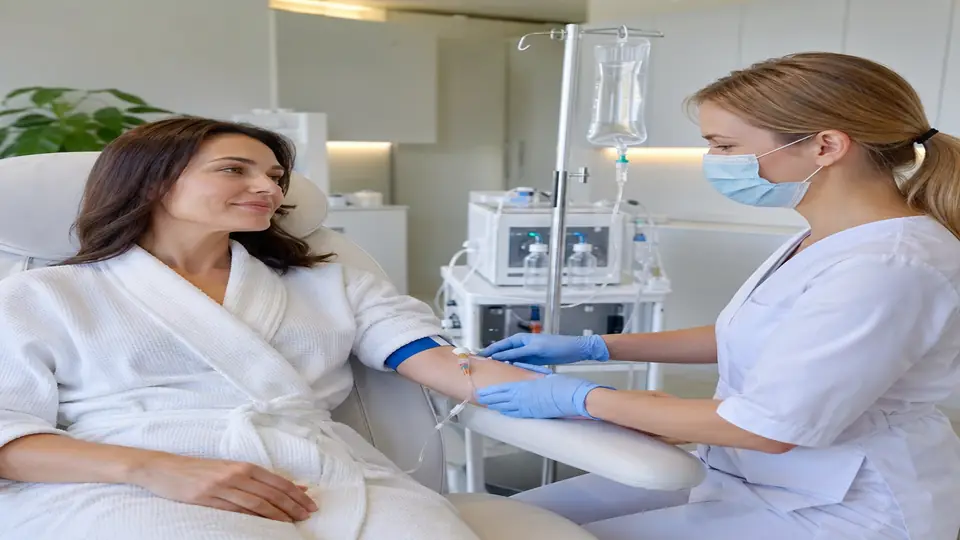
Major autohemotherapy is the most widely studied systemic ozone route. Typically 50–200 mL of venous blood is withdrawn, ozonated at a therapeutic concentration (usually 20–40 μg/mL), and re-infused via IV. The process takes 30–45 minutes under clinical supervision.
Adverse event data. A 2012 survey of 644 German practitioners reporting on over 384,000 treatments found a complication rate of approximately 0.0007 per application — lower than many IV vitamin protocols. The most common adverse events were phlebitis at the puncture site, brief vasovagal reactions during blood draw, and transient Herxheimer-type responses in patients with active infectious burden.
The largest serious risk in MAH is inadvertent gas embolism, which occurs when the re-infusion line contains free gas beyond the ozonated blood. This is an equipment and protocol failure, not an inherent property of ozone. Proper closed-loop systems with inline bubble detectors and trained operators make this event essentially theoretical in a compliant clinical setting.
A minority of patients experience a 24–48 hour fatigue or flu-like response after MAH, particularly in early sessions or when pathogen burden is high. This is not a toxic reaction; it reflects the immunological shift triggered by the oxidative signaling cascade. Dose titration in the first two sessions — starting at lower ozone concentrations and smaller volumes — substantially reduces this response.
Rectal Insufflation
Rectal insufflation delivers ozone gas (typically 100–500 mL at 10–30 μg/mL) via a thin catheter into the colon, where it contacts the mucosal surface and is partially absorbed into the portal circulation.
The risk profile is exceptionally low. The rectal mucosa tolerates ozone contact well at standard concentrations, and the portal absorption route bypasses the systemic circulation long enough for detoxification. I use rectal insufflation as a primary route in patients with active bowel pathology — dysbiosis, inflammatory bowel disease in remission, SIBO — where local mucosal effects are part of the therapeutic intent.
Contraindications specific to this route include active rectal bleeding, recent bowel surgery, and severe acute colitis. Mild cramping during insufflation is normal and resolves quickly. Flatulence in the hour following treatment is common and not clinically significant.
Minor Autohemotherapy
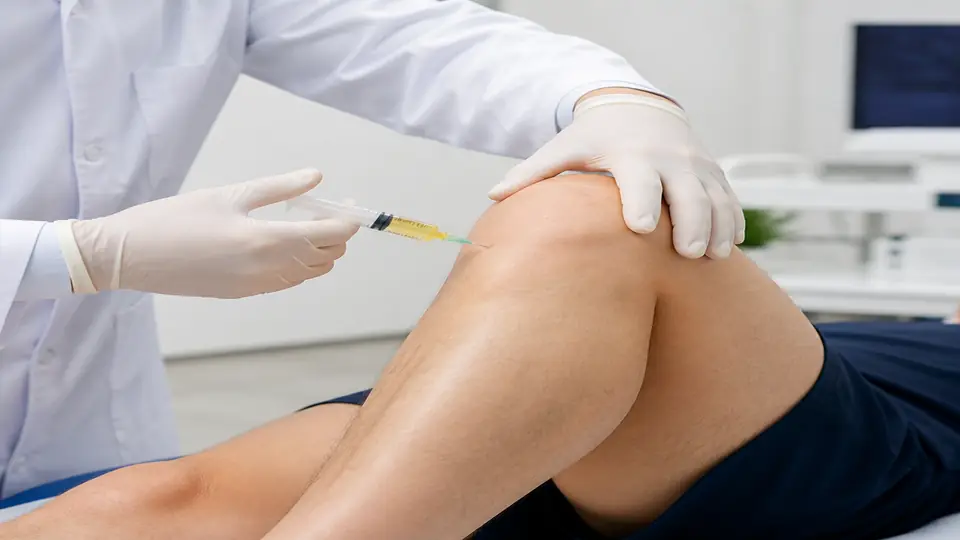
Minor autohemotherapy withdraws 5–10 mL of blood, mixes it with ozone, and re-injects intramuscularly or subcutaneously. It is used more as an immune-stimulating adjunct than a primary therapeutic route. Risk is minimal; local hematoma at the injection site is the main reported adverse effect.
Direct IV Ozone Injection
Direct injection of ozone gas into a vein — without first mixing it with blood — is not a recognized clinical protocol in evidence-based ozone practice. The gas-liquid interface of pure ozone in the venous circulation creates immediate embolization risk. This is occasionally encountered at non-medical or poorly regulated providers and is responsible for the majority of serious ozone adverse events in the literature. It is not the same as major autohemotherapy and should not be conflated with it.
Absolute and Relative Contraindications
Absolute Contraindications
Glucose-6-phosphate dehydrogenase (G6PD) deficiency is the single non-negotiable absolute contraindication for systemic ozone therapy. G6PD is the rate-limiting enzyme for glutathione regeneration in red blood cells. Ozone generates an oxidative challenge; without adequate G6PD activity, erythrocytes cannot neutralize this challenge and hemolytic anemia results. G6PD deficiency affects up to 8% of global populations — higher in individuals of Mediterranean, Middle Eastern, African, and South Asian descent — and is frequently undiagnosed. Every patient undergoing systemic ozone therapy should have G6PD activity confirmed before the first session.
Recent (within 3 months) myocardial infarction is a relative-to-absolute contraindication depending on extent and recovery trajectory. Cardiac healing tissue does not tolerate sudden oxidative shifts.
Active uncontrolled hyperthyroidism warrants caution; ozone therapy can accelerate thyroid hormone release. Thyroid function should be within acceptable parameters before initiation.
Relative Contraindications (Require Case-by-Case Assessment)
- Active hemolytic disorders
- Thrombocytopenia (platelet count below 50,000 — increased phlebotomy bleeding risk)
- Pregnancy (insufficient safety data; avoid systemic routes)
- Severe anemia (limited oxidative tolerance)
- Hypersensitivity to ozone documented by prior reaction
- Unstable cardiovascular disease
- Active alcohol intoxication (depletes antioxidant reserves, increases oxidative burden)
Patients on anticoagulants can generally undergo ozone therapy with appropriate phlebotomy site management, though this warrants individual assessment.
Patient population also shapes the risk conversation. Fibromyalgia patients, for example, often have heightened somatic vigilance — explicitly framing expected mild sensations (warmth during re-infusion, brief bloating with rectal insufflation) before the first session prevents nocebo responses that can confound outcomes. For a condition-specific breakdown of screening, dosing, and responder selection, see Ozone Therapy for Fibromyalgia: What the Evidence Says.
Herxheimer-Type Responses and Oxidative Reactions
Patients with high pathogen burden — chronic Lyme disease, chronic EBV reactivation, mold illness — frequently experience what I term an oxidative Herxheimer response after the first one or two ozone sessions. This is distinct from a classical Jarisch-Herxheimer reaction in that it is not driven by sudden spirochetal die-off and lipopolysaccharide release, though both pathways may be simultaneously active.
The oxidative Herxheimer presents as: pronounced fatigue lasting 24–72 hours, mild flu-like symptoms, mild headache, and occasionally a low-grade fever. It typically peaks at 12–24 hours post-treatment and resolves fully within 72 hours. In some patients, it is actually a clinical sign that ozone is engaging the immune system meaningfully.
Management protocol: start with conservative ozone concentrations (15–20 μg/mL) in the first session, ensure adequate hydration, and consider antioxidant support — oral glutathione, vitamin C, or NAC — in the 48 hours following treatment. I advise patients not to schedule demanding physical or cognitive activities for the 24 hours after their first three sessions.
Distinguishing a Herxheimer-type response from a true adverse event: a Herxheimer worsens over the first 12 hours then steadily resolves. A true adverse event (anaphylaxis, significant hemolysis, embolism) presents acutely during or immediately after the session and does not follow this resolving trajectory. If a patient deteriorates progressively beyond 72 hours, that warrants immediate clinical evaluation.
What a Proper Pre-Treatment Workup Looks Like
Before initiating any systemic ozone protocol, a responsible clinical assessment should include:
Laboratory screening: Complete blood count (CBC), G6PD quantitative activity, metabolic panel, thyroid function (TSH, fT3, fT4), and an assessment of baseline oxidative stress markers if available (8-OHdG, oxidized LDL, or plasma antioxidant capacity).
Medical history review: Focus on personal and family history of G6PD deficiency, hemolytic events, anemia, cardiovascular history, and current medications (particularly anticoagulants, antiepileptics, and immunosuppressants).
Dose titration: The first session should use conservatively low ozone concentrations regardless of the patient’s apparent robustness. Escalation should be based on tolerance and clinical response, not a standardized ascending schedule.
Monitoring during MAH: Oxygen saturation and blood pressure monitoring during the re-infusion phase is standard in my practice. The 10–15 minutes of re-infusion is the highest-risk window for vasovagal events.
If a clinic is offering ozone therapy without G6PD screening, ask why. The answer will tell you whether their protocol reflects current clinical standards.
Red Flags When Evaluating an Ozone Provider
Not all ozone clinics operate equivalently. The following should prompt careful scrutiny:
No G6PD screening. This is the most important single safety screen. Absence suggests the provider either is unaware of the contraindication or is cutting procedural costs.
Offering direct IV ozone injection. This is not a legitimate clinical protocol. Any clinic marketing it as a “faster” or “more potent” alternative to autohemotherapy is operating outside evidence-based boundaries.
No dose titration in initial sessions. Starting all patients at maximum concentration without assessment of tolerance reflects a standardized product approach rather than medical practice.
Ozone administered in non-clinical settings. Systemic ozone therapy involves venous access, blood handling, and potential for acute reactions that require an environment capable of clinical response.
No physician oversight. In Germany and most of Europe, ozone therapy is administered under physician prescription and supervision. Wellness centers offering self-administered ozone protocols (even rectal insufflation kits) bypass the medical assessment that makes the intervention safe.
Related Articles
- Ozone Therapy: What the Evidence Actually Shows — A review of the clinical evidence for ozone across conditions, including the strongest and weakest indications.
- Ozone vs. IV Laser Therapy: How I Choose Between Them — A clinical comparison of two oxidative/photobiological IV therapies, including patient selection criteria.
- Understanding the Herxheimer Reaction — Why symptom flares after antimicrobial or oxidative treatment happen and how to manage them.
- IV Laser Therapy and Immune Function — How intravascular photobiomodulation and ozone complement each other in immune modulation.
- Functional Medicine Lab Testing: What I Order and Why — The lab panels I use before initiating any advanced IV protocol, including G6PD and oxidative markers.
References
-
Sagai M, Bocci V. Mechanisms of action involved in ozone therapy: Is healing induced via a mild oxidative stress? Med Gas Res. 2011;1:29. doi:10.1186/2045-9912-1-29
-
Smith NL, Wilson AL, Gandhi J, Vatsia S, Khan SA. Ozone therapy: An overview of pharmacodynamics, current research, and clinical utility. Med Gas Res. 2017;7(3):212–219. doi:10.4103/2045-9912.215752
-
Elvis AM, Ekta JS. Ozone therapy: A clinical review. J Nat Sci Biol Med. 2011;2(1):66–70. doi:10.4103/0976-9668.82319
-
Bocci VA. Scientific and medical aspects of ozone therapy. State of the art. Arch Med Res. 2006;37(4):425–435. doi:10.1016/j.arcmed.2005.08.006
-
Viebahn-Haensler R, León Fernández OS. Ozone in medicine: The low-dose ozone concept and its basic biochemical mechanisms of action in chronic inflammatory diseases. Int J Mol Sci. 2021;22(15):7890. doi:10.3390/ijms22157890
-
Clavo B, Rodríguez-Esparragón F, Rodríguez-Abreu D, et al. Modulation of oxidative stress by ozone therapy in the prevention and treatment of chemotherapy-induced toxicity. J Cancer. 2019;10(24):5952–5961. doi:10.7150/jca.33472
-
Re L, Malcangi G, Martinez-Sanchez G. Medical ozone is now ready for a scientific challenge. J Exp Integr Med. 2012;2(3):193–196. doi:10.5455/jeim.230412.ed.005