The debate around chronic Lyme disease is one of the most contentious in modern medicine. On one side, mainstream infectious disease guidelines maintain that Lyme disease is reliably diagnosed by two-tier testing and reliably treated with two to four weeks of doxycycline. On the other, millions of patients worldwide report persistent symptoms months or years after standard treatment — fatigue, joint pain, cognitive dysfunction, neurological symptoms — and struggle to find physicians who take their condition seriously.
After treating thousands of Lyme patients in my practice, many of whom have traveled from other countries specifically because they could not find adequate care at home, I have formed a perspective that sits between these positions. Here is what I tell my patients.
The Diagnostic Problem
The standard two-tier testing protocol for Lyme disease — a screening ELISA followed by confirmatory Western blot — has significant limitations that are acknowledged even in the mainstream literature.

Sensitivity gaps. The two-tier protocol has a sensitivity of approximately 50-70% in early disease and improves in later stages, but a negative test does not exclude infection [1]. The test measures antibody response, not the presence of the organism. Patients with early disease, immunocompromised patients, and patients who received early antibiotic treatment may never mount an adequate antibody response to register as positive.
The testing was designed for surveillance, not diagnosis. The CDC has explicitly stated that the two-tier protocol was intended for epidemiological surveillance purposes and should not be the sole basis for clinical diagnosis [2]. In practice, however, insurance companies, guidelines committees, and many physicians treat a negative two-tier test as proof that Lyme disease is absent.
Co-infections complicate the picture. Standard Lyme testing does not test for co-infections — Bartonella, Babesia, Ehrlichia, Anaplasma, Mycoplasma — that frequently accompany Borrelia infection. A patient with negative Lyme serology may still be profoundly ill from co-infections acquired from the same tick bite.
In my practice, I use a broader diagnostic approach:
- Two-tier serology as a starting point, not an endpoint
- Immunoblot with expanded antigen panels
- Elispot/LTT (lymphocyte transformation test) for cellular immune response assessment
- Clinical correlation — the patient’s history, symptom pattern, exposure risk, and response to treatment all inform the diagnostic picture
- Comprehensive co-infection panel
Why Standard Treatment Fails Some Patients
The IDSA guidelines recommend 14-28 days of doxycycline for most Lyme presentations. For many patients, this is sufficient. But for a meaningful minority — estimates range from 10-20% of treated patients — symptoms persist.
The conventional explanation for persistent symptoms is “Post-Treatment Lyme Disease Syndrome” (PTLDS) — an immune-mediated process that continues after the infection has been eradicated. This is a legitimate hypothesis with some supporting evidence.
However, it is not the only hypothesis, and the evidence for persistent infection is substantial:
Animal studies. Borrelia has been demonstrated to persist after antibiotic treatment in mice, dogs, and non-human primates. Embers et al. (2012) showed persistence of viable Borrelia in rhesus macaques after 28 days of doxycycline, with the organism detected in multiple tissues including the brain [3].
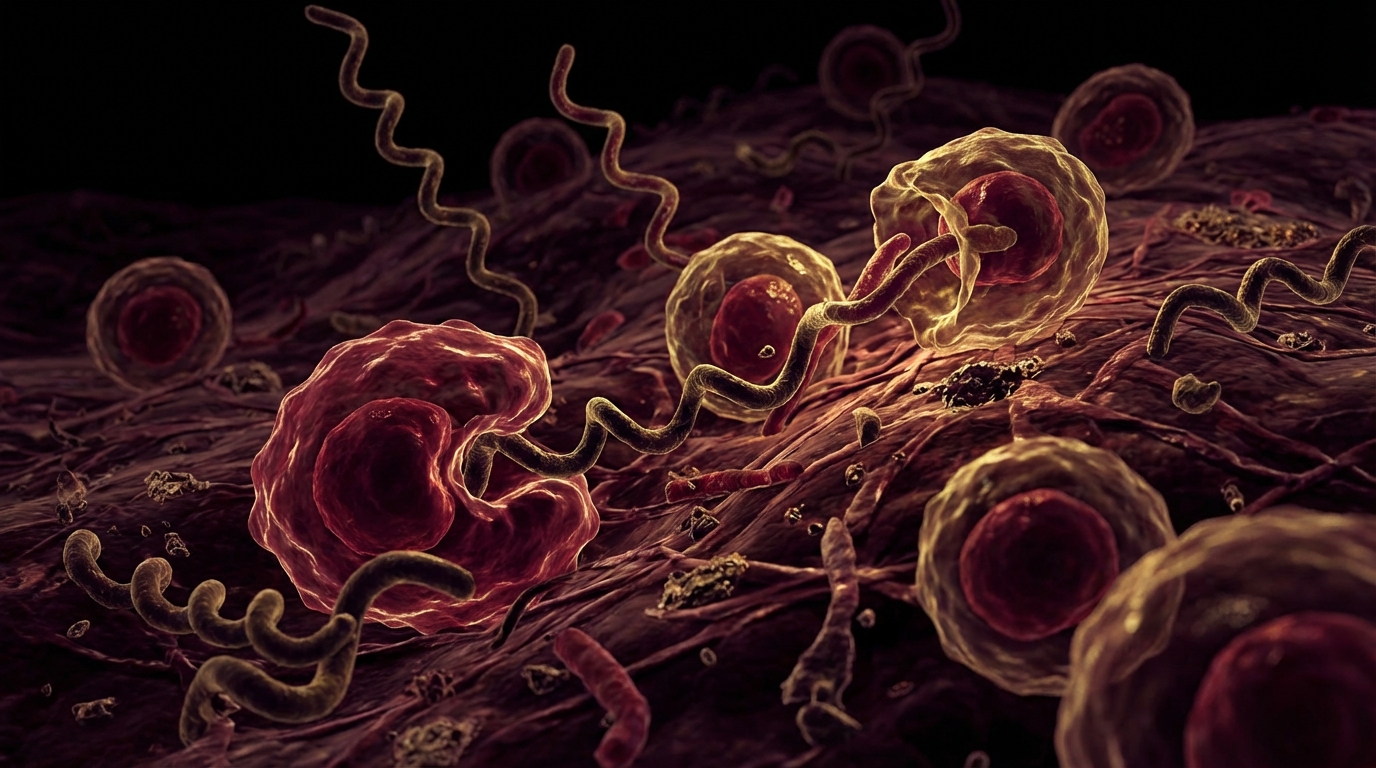
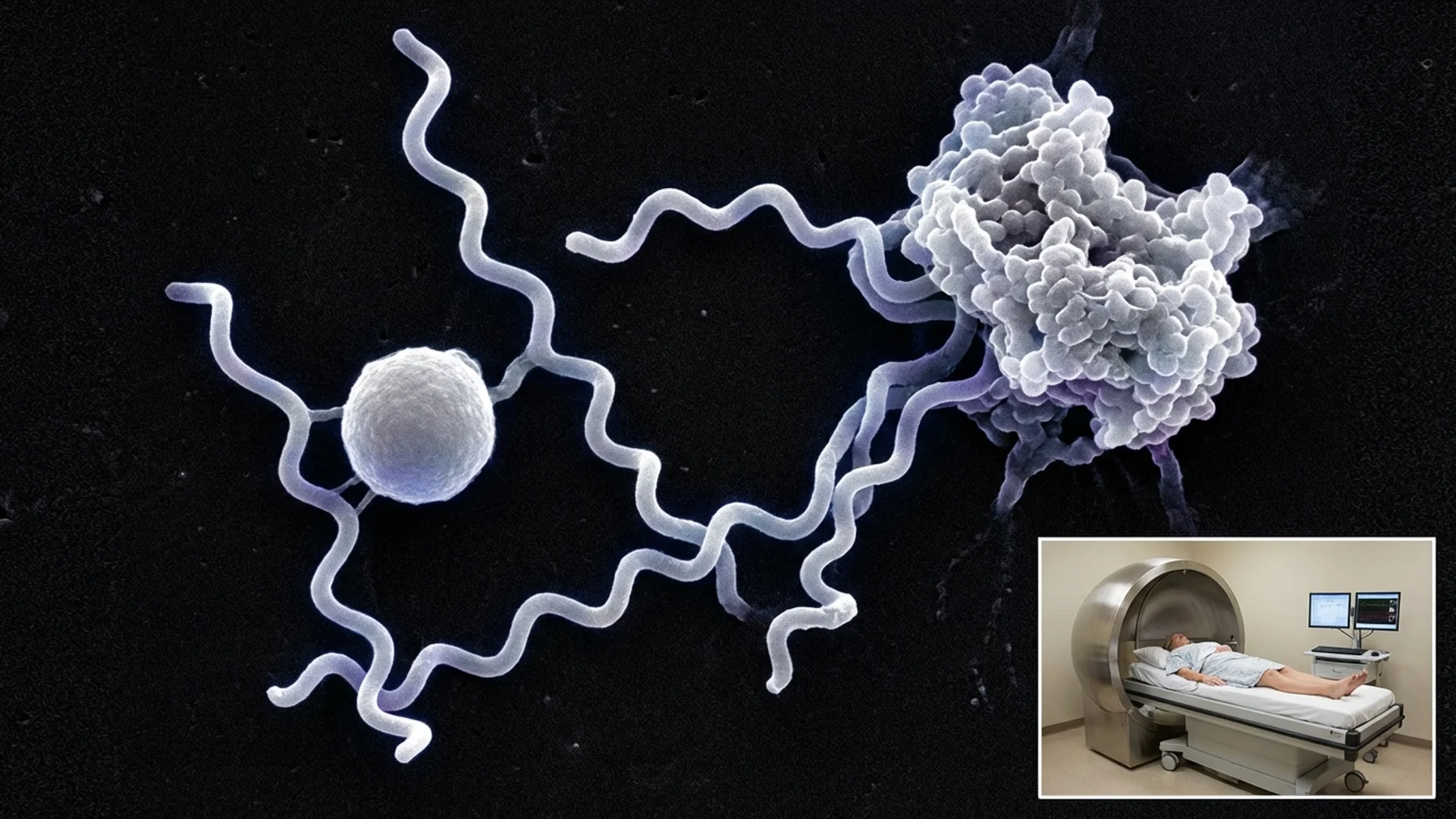
Morphological variants. Borrelia can assume different morphological forms — round bodies (cysts), L-forms, and biofilm aggregates — that are less susceptible to standard antibiotic regimens. These are not theoretical constructs; they have been documented in vitro and detected in patient tissues.
Biofilm formation. Borrelia forms biofilms both in vitro and in vivo. Biofilm-encased organisms require antibiotic concentrations that exceed what standard oral therapy achieves in most tissues.
Intracellular persistence. Borrelia can invade and persist within human cells, including fibroblasts, endothelial cells, and synovial cells, where intracellular antibiotic concentrations may be insufficient.
The honest assessment: the relative contribution of persistent infection versus post-infectious immune dysregulation in any individual patient is difficult to determine with current diagnostics. In practice, the clinical approach I use addresses both possibilities.
Our Treatment Approach
At our facility, Lyme disease treatment is not a single prescription. It is a structured program that typically spans several weeks of intensive treatment, often followed by a longer outpatient phase.
Phase 1: Assessment and Stabilization
- Comprehensive diagnostic workup as described above
- Assessment of co-infections, immune function, mitochondrial status, nutritional deficiencies, and toxic burden
- Stabilization of gut function and nutritional status before initiating aggressive antimicrobial therapy
- Baseline inflammatory markers, organ function, and neurological assessment
Phase 2: Antimicrobial Therapy
- Combination antibiotic protocols targeting different morphological forms of Borrelia: cell-wall forms (beta-lactams, cephalosporins), intracellular forms (macrolides, tetracyclines), and cystic/persister forms (metronidazole, tinidazole, hydroxychloroquine)
- Biofilm disruption agents administered before antibiotic dosing
- Pulsed dosing protocols in some cases, based on the observation that Borrelia has growth cycles that may create windows of increased antibiotic susceptibility
- IV antibiotic therapy when oral therapy is insufficient, particularly in neurological Lyme
Phase 3: Immune Support and Recovery
- Immunomodulatory therapies to support the patient’s own immune response
- Hyperthermia therapy — whole-body hyperthermia has been used in our facility for decades to create conditions hostile to heat-sensitive organisms while simultaneously stimulating immune function
- Detoxification support to manage the inflammatory burden from pathogen die-off (Herxheimer reactions)
- Mitochondrial support — chronic Lyme disease consistently impairs mitochondrial function, and recovery requires active mitochondrial rehabilitation
- Nutritional rehabilitation addressing the deficiencies common in chronically ill patients
Ongoing Management
Many patients require a period of outpatient follow-up with maintenance therapies, lifestyle modification, and periodic reassessment. I am honest with patients: some achieve complete resolution, others achieve substantial improvement with some residual symptoms, and some require ongoing management. The most important predictors of outcome are the duration of illness before adequate treatment and the complexity of co-infections.
What I Want Patients to Know
Chronic Lyme disease is real. The suffering is real. The limitations of standard testing and treatment are real. But the path forward requires a physician who can navigate the complexity honestly — without dismissing patients’ symptoms and without overpromising outcomes.
The evidence supports a more nuanced approach than either “take two weeks of doxycycline and you are fine” or “you have chronic Lyme and nothing will help.” The truth, as usual, is in the middle.

References
- Marques AR. Laboratory diagnosis of Lyme disease: advances and challenges. Infectious Disease Clinics of North America. 2015;29(2):295-307.
- Centers for Disease Control and Prevention. Lyme Disease: Diagnosis and Testing. www.cdc.gov/lyme/
- Embers ME, et al. Persistence of Borrelia burgdorferi in Rhesus Macaques following Antibiotic Treatment of Disseminated Infection. PLoS ONE. 2012;7(1):e29914.
This content is educational and does not constitute medical advice. Lyme disease treatment should be managed by a physician experienced in complex tick-borne illness.