At a Glance
| Property | Value |
|---|---|
| Evidence Level | Moderate (hydration, anti-inflammatory); Emerging (binders, detox protocols) |
| Primary Use | Symptom management during antimicrobial-induced die-off reactions |
| Key Mechanism | Accelerating clearance of endotoxins and inflammatory mediators released during pathogen death |
You Started Treatment and Now You Feel Terrible
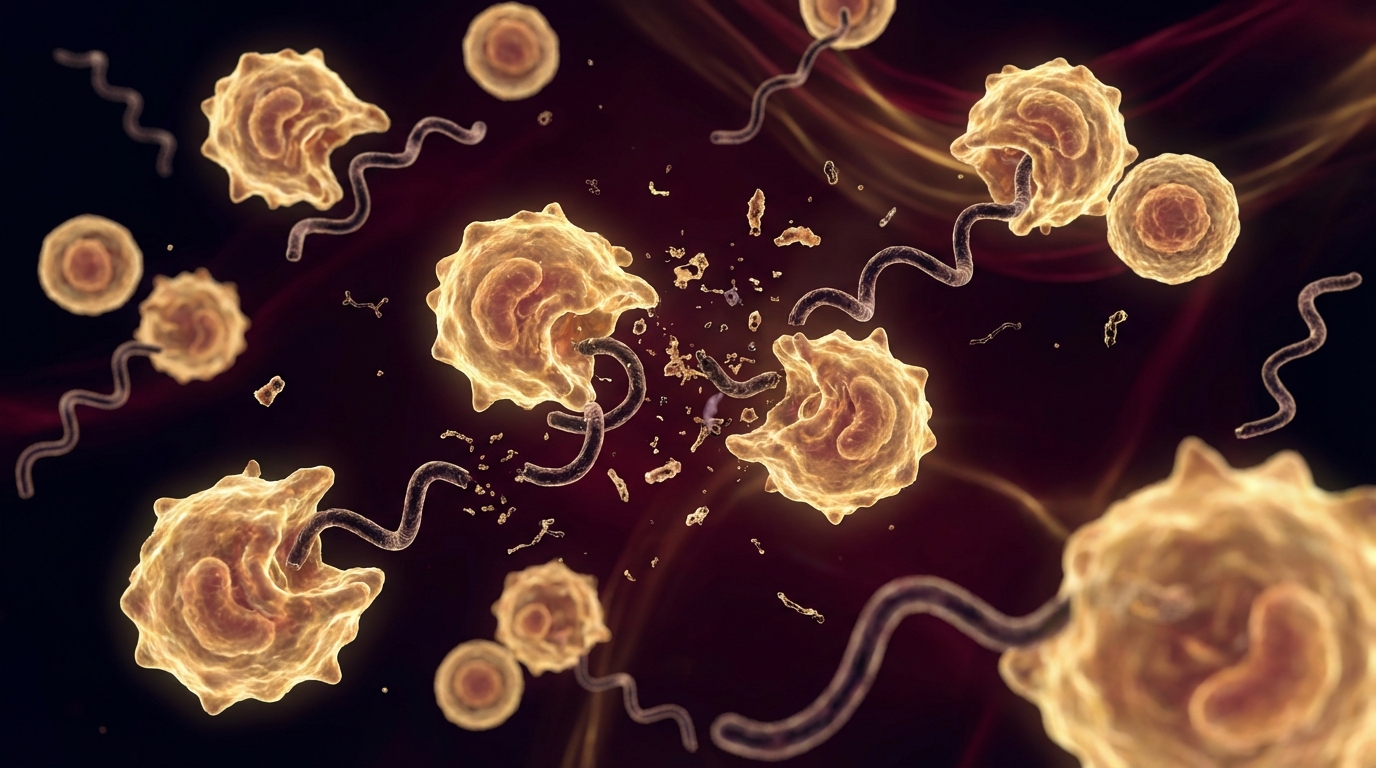
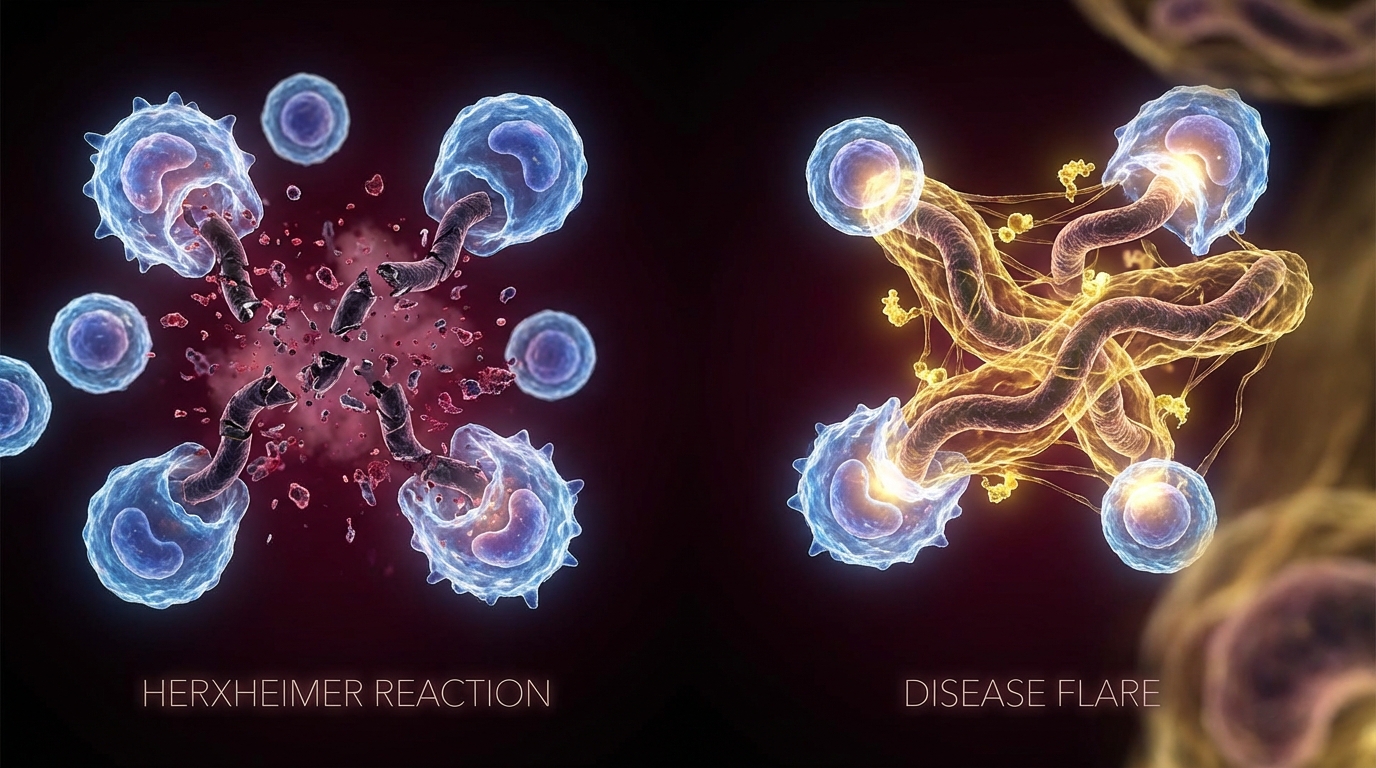
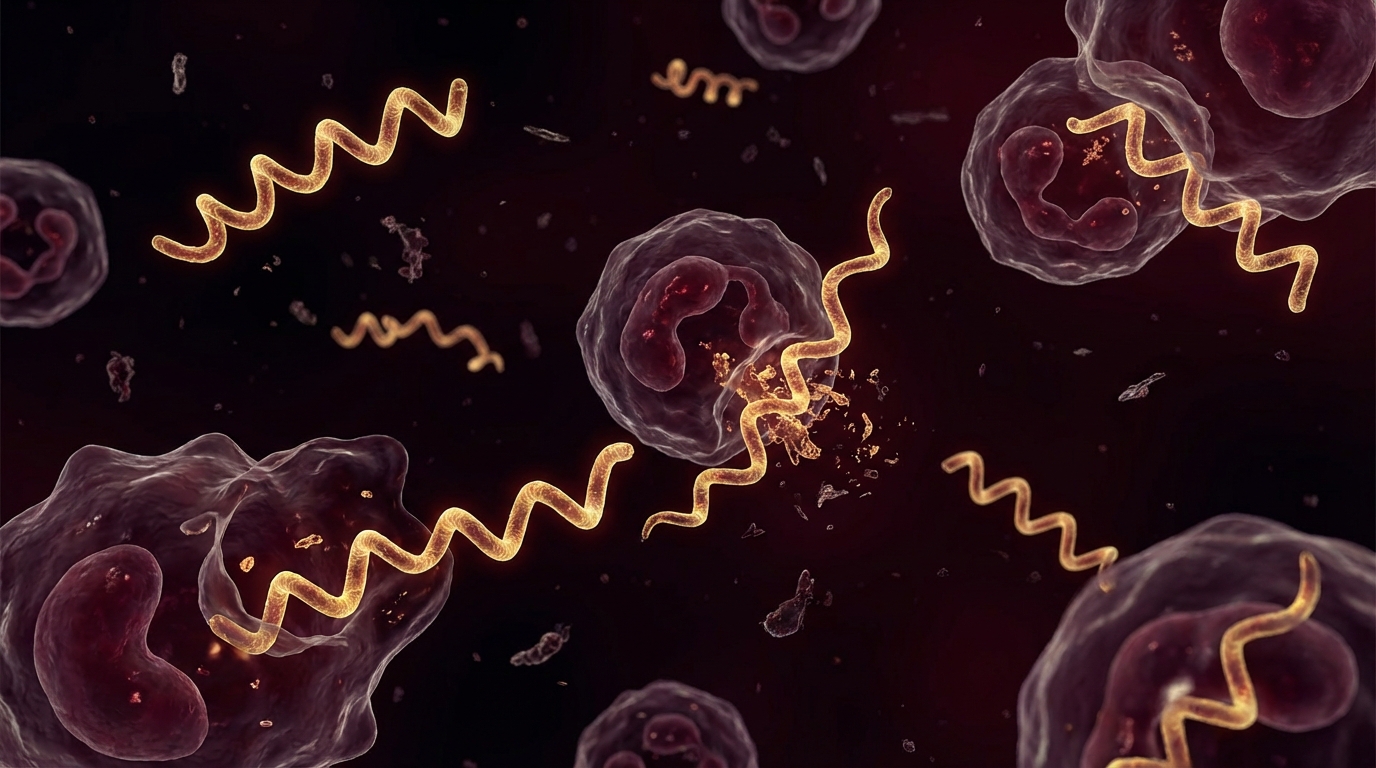
If you have landed on this article, you are probably in the middle of a Herxheimer reaction, or about to start treatment and want to be prepared. Either way, feeling worse during the first days to weeks of antimicrobial therapy for Lyme disease and co-infections is common, expected, and manageable.
This article is the practical playbook for what to do at home when die-off symptoms hit. For what the Herxheimer reaction is, see our guide to Herxheimer reactions. If you are unsure whether you are having a Herx or a disease flare, read that article first.
The Five Pillars of Herx Management
Pillar 1: Hydration
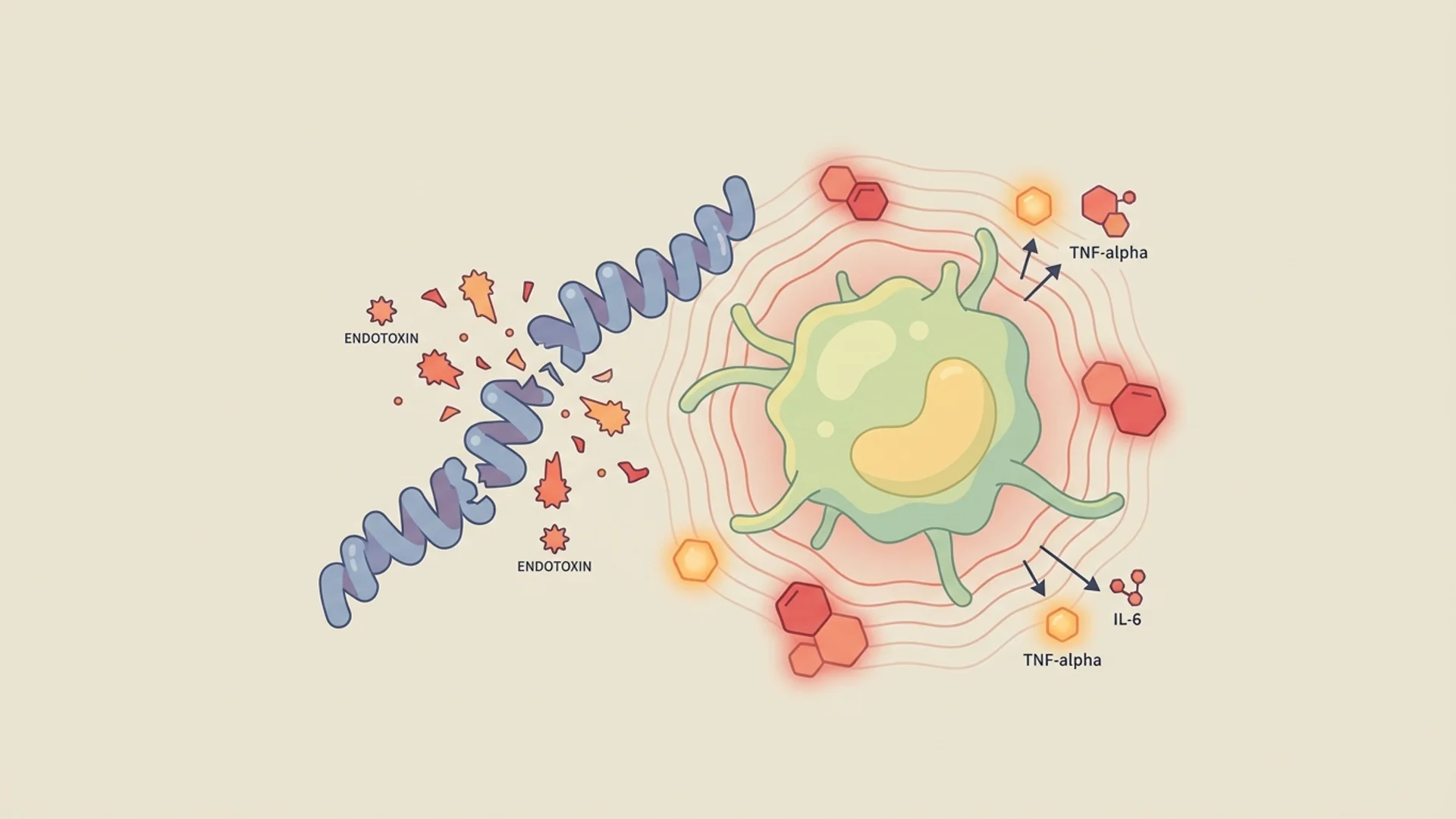
This is the single most important and most underestimated intervention. Herxheimer reactions are driven by endotoxins and cytokines that need to be processed by the liver and excreted by the kidneys. Both organs require adequate hydration to function optimally.
Minimum target: 2-3 liters of water daily during active Herx
Enhanced hydration strategies:
- Add electrolytes (sodium, potassium, magnesium): mineral-enriched water or electrolyte powder without artificial sweeteners
- Lemon water (supports bile production and hepatic detoxification)
- Herbal teas: ginger (anti-inflammatory), peppermint (GI support), dandelion root (hepatic support)
- Avoid alcohol completely during Herx (competes for hepatic detoxification pathways)
- Avoid caffeine in excess (can worsen anxiety and tachycardia that already accompany Herx)
Why this works: Endotoxins released from killed organisms are processed through hepatic Phase I and Phase II detoxification, then excreted via bile (gut) and urine (kidneys). Dehydration slows both pathways, prolonging exposure to inflammatory mediators.
Pillar 2: Binders
Binders are substances that physically adsorb toxins in the gastrointestinal tract, preventing reabsorption through enterohepatic recycling. This is particularly important because endotoxins excreted in bile can be reabsorbed in the intestine, creating a recycling loop that prolongs Herx symptoms.
Activated charcoal:
- Dose: 500-1000mg twice daily
- Broad-spectrum binding capacity
- Must be taken 2 hours away from ALL medications and supplements (it will bind them too)
- Can cause constipation: ensure adequate hydration and fiber
Cholestyramine:
- Prescription bile acid sequestrant
- Particularly effective for biotoxin binding (used in Shoemaker CIRS protocol)
- Dose: 4g (one packet) 1-3 times daily
- Powerful binder: maintain strict 2-hour separation from medications
- Can cause significant constipation and GI discomfort in some patients
Modified citrus pectin:
- Gentler binder option for patients who cannot tolerate charcoal or cholestyramine
- Dose: 5-15g daily
- Less potent but better tolerated
- May also bind heavy metals
Bentonite clay:
- Mineral-based binding
- Dose: 1 tablespoon in water once daily
- Can bind minerals: use with caution during extended treatment
Critical timing rule: ALL binders must be taken at least 2 hours before or after any medications, supplements, or food. The most common protocol is binders at bedtime, when the gap from other agents is longest.
Pillar 3: Anti-Inflammatory Support
Herxheimer reactions are inflammatory events, driven by surges of TNF-alpha, IL-6 and IL-1beta [1]. Reducing the inflammatory component reduces symptom severity without stopping the antimicrobial kill.
Epsom salt baths:
- Magnesium sulfate transdermal absorption
- 2 cups Epsom salts in warm (not hot) bath for 20-30 minutes
- 3-4 times per week during active Herx
- Magnesium has natural anti-inflammatory and muscle-relaxing properties
- Added benefit: relaxation and parasympathetic activation
Curcumin:
- Potent NF-kB inhibitor
- Use bioavailable formulation (liposomal, phytosomal, or with piperine)
- Dose: 500-1000mg twice daily
- One of the most evidence-supported anti-inflammatory supplements [2]
Omega-3 fatty acids:
- EPA and DHA reduce pro-inflammatory prostaglandin production
- Dose: 2-4g combined EPA/DHA daily
- Use molecular distilled, third-party tested products
Glutathione:
- Master intracellular antioxidant
- Liposomal form: 500-1000mg daily
- IV glutathione: available in clinical settings, faster acting
- NAC (N-acetylcysteine) 600-1200mg daily as a glutathione precursor
- Directly supports Phase II hepatic detoxification
Infrared sauna (if tolerated):
- Promotes toxin elimination through sweat
- Start with 15-20 minutes at lower temperature
- Some patients are too symptomatic during active Herx for sauna: listen to your body
- Always replenish fluids and electrolytes after sauna
Pillar 4: Dose Pacing
This is where communication with your treating physician is essential. The goal of antimicrobial therapy is controlled, sustainable pathogen kill, and a more severe Herxheimer reaction does not mean better treatment.
Strategies for managing treatment intensity:
Slow titration: Start antimicrobials at reduced dose and increase gradually over 1-2 weeks. This is standard practice in experienced tick-borne disease clinics.
Temporary dose reduction (with your physician): If the Herx is too severe, your physician may reduce the antimicrobial dose by 50% for 3-5 days, then gradually increase back to the target dose. That paces the kill rate without stopping treatment.
Pulsed dosing: Some clinicians use pulsed antibiotic protocols (4 days on / 3 days off, or 2 weeks on / 1 week off) to manage Herx intensity while maintaining treatment pressure.
Sequential introduction: When multiple antimicrobials are planned, start one agent at a time, separated by 1-2 weeks. This allows you to identify which agent is producing the most significant die-off and manage accordingly.
Biofilm disruption timing: If you are adding enzymes or biofilm disruption agents, introduce them after you have stabilized on antimicrobials rather than at the same time. Disrupting biofilms while already in a significant Herx can produce overwhelming symptoms.
Pillar 5: Know When to Call Your Doctor
Most Herxheimer reactions are uncomfortable but medically safe. However, some symptoms require medical evaluation:
Call your doctor if you experience:
- Fever above 39.5C (103F) lasting more than 24 hours
- Heart rate above 120 at rest or new irregular heartbeat
- Difficulty breathing not relieved by rest
- Severe hypotension (dizziness, near-syncope)
- Inability to keep fluids down for more than 12 hours
- Severe chest pain
- New neurological symptoms (severe headache, vision changes, weakness, confusion)
- Allergic reaction symptoms (hives, facial swelling, throat tightness)
Go to the emergency department if:
- Anaphylaxis symptoms (throat closing, severe breathing difficulty)
- Loss of consciousness
- Seizures
- Severe uncontrolled bleeding
The distinction between a severe Herx and a genuine medical emergency matters. When in doubt, call your physician.
The Evidence
What We Know (Human Data)
The management strategies for Herxheimer reactions are largely based on physiological principles and clinical experience rather than randomized controlled trials. There are no published RCTs comparing Herx management protocols head-to-head, mainly because the reaction itself has historically been under-studied outside of acute syphilis treatment.
What is well-established:
- Hydration supports hepatic and renal excretory function (basic physiology)
- Activated charcoal and cholestyramine reduce enterohepatic recycling of toxins (demonstrated in poisoning management and biotoxin binding studies) [3]
- Anti-inflammatory agents reduce cytokine-mediated symptoms (extensive evidence in inflammatory conditions)
- Gradual dose titration reduces die-off intensity (standard pharmacological practice)
What I See in Practice
In our clinical experience, patients who implement all five pillars experience shorter, less severe Herxheimer reactions than those who simply “push through.” The difference shows in symptom diaries, with faster return to baseline when proactive management is in place.
What I tell my patients: the aim is to keep the Herx within a tolerable range so you can continue treatment without unnecessary suffering. A complete absence of reaction can mean the treatment is not working. Think of a controlled burn versus a wildfire: the same fire, managed differently.
I observe that the patients who struggle most with Herx management are those with compromised detoxification pathways: mold/CIRS patients, patients with genetic methylation issues (MTHFR, COMT variants), and those with significant liver burden from prior medication use. These patients need their detoxification pathways optimized before aggressive antimicrobial therapy.

Practical Application: The Daily Protocol
Morning (empty stomach):
- Hydrate: 500ml water with electrolytes immediately upon waking
- Anti-inflammatory: Curcumin 500mg, Omega-3 2g
- NAC 600mg (glutathione precursor)
30-60 minutes later:
- Take prescribed antimicrobials as directed
- Eat a light, anti-inflammatory meal
Mid-day:
- Continue hydrating (target: 2-3L total by end of day)
- Light movement if tolerated (gentle walking, stretching: not intense exercise)
Evening:
- Epsom salt bath: 2 cups in warm water for 20-30 minutes (3-4x/week)
- Continue hydration
- Anti-inflammatory supplements with dinner
Bedtime (2+ hours after all other supplements/medications):
- Binder: Activated charcoal 500mg OR cholestyramine 4g
- Glass of water
Weekly additions (as tolerated):
- Infrared sauna: 2-3 sessions per week (20-30 minutes)
- Castor oil pack over liver area (traditional support for hepatic detoxification)
- Gentle lymphatic massage or dry brushing
Safety and Considerations
- Binders MUST be separated from medications by minimum 2 hours. This includes activated charcoal, cholestyramine, and clay-based binders.
- Curcumin can interact with blood thinners and certain medications. Review with your physician.
- Epsom salt baths may be contraindicated in patients with severe cardiovascular disease or renal impairment. Check with your doctor.
- Infrared sauna is not appropriate during fever or severe cardiovascular symptoms.
- Do not adjust antimicrobial doses without consulting your treating physician.
- These strategies complement but do not replace medical management. They are supportive measures, not standalone treatments.
The Bottom Line
Managing a Herxheimer reaction at home means actively supporting your body’s ability to process and clear the inflammatory byproducts of effective treatment, instead of suffering through it. The five pillars (hydration, binders, anti-inflammatory support, dose pacing and monitoring) work together to keep die-off reactions within a manageable range. In our clinical experience, patients who follow this structured approach tolerate treatment better, stay on effective therapy longer, and ultimately have better outcomes than those who either push through unsupported or abandon treatment because the Herx was unbearable.
References
- Butler T. The Jarisch-Herxheimer reaction after antibiotic treatment of spirochetal infections: a review of recent cases and our understanding of pathogenesis. Am J Trop Med Hyg. 2017;96(1):46-52. PMID: 28077740
- Hewlings SJ, Kalman DS. Curcumin: a review of its effects on human health. Foods. 2017;6(10):92. PMID: 29065496
- Shoemaker RC, House D, Ryan JC. Vasoactive intestinal polypeptide (VIP) corrects chronic inflammatory response syndrome (CIRS) acquired following exposure to water-damaged buildings. Health. 2013;5(3):396-401.
- Pound MW, May DB. Proposed mechanisms and preventative options of Jarisch-Herxheimer reactions. J Clin Pharm Ther. 2005;30(3):291-295. PMID: 15896248