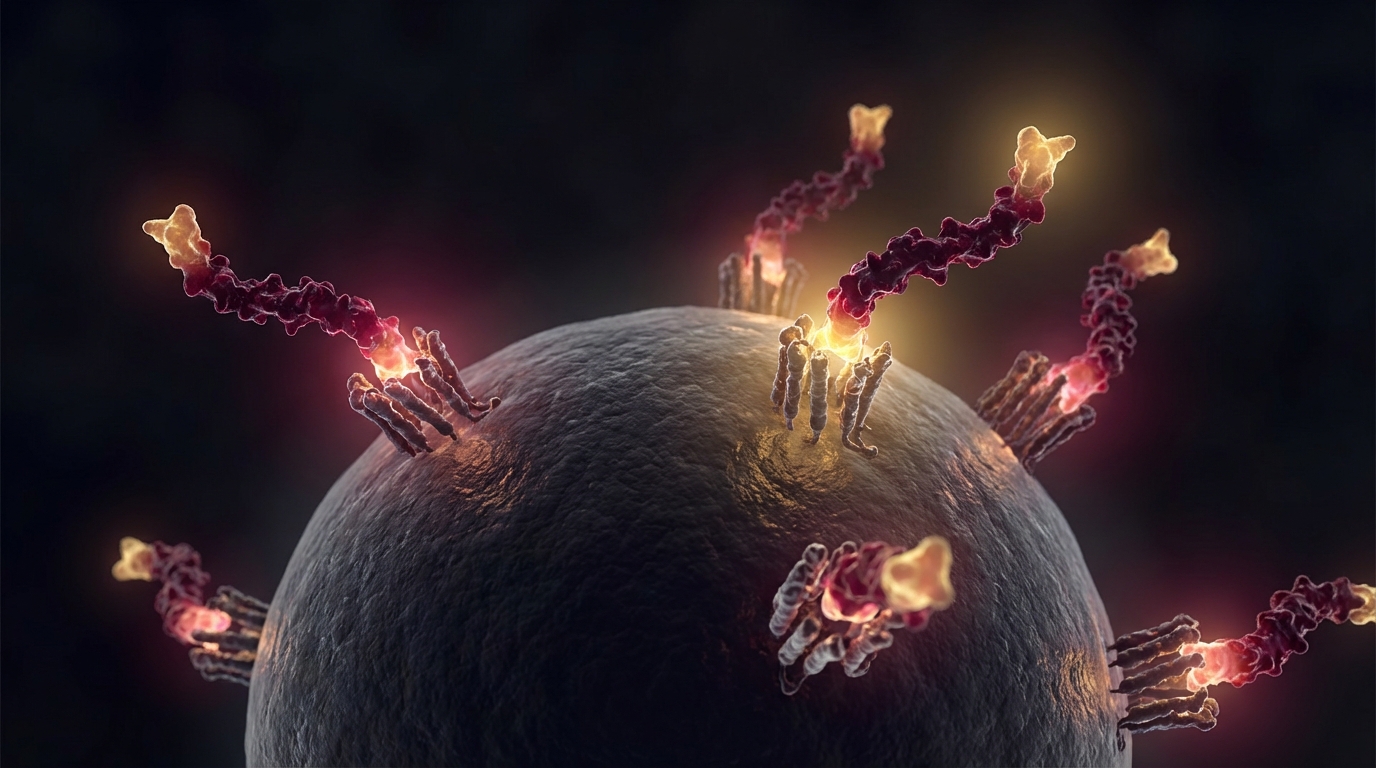

This is an article I feel compelled to write because the safety question surrounding Dihexa is not being adequately addressed in the peptide therapy community. Most Dihexa content focuses on its extraordinary potency as a cognitive enhancer — the “10 million times more potent than BDNF” claim. Far fewer sources give equal weight to the fact that Dihexa’s mechanism of action involves one of the most well-characterized oncogenic signaling pathways in cancer biology.
I am not writing this to condemn Dihexa categorically. I am writing it because informed consent requires patients to understand both sides of this equation. Here is what the evidence shows.
At a Glance
| Property | Value |
|---|---|
| Primary Safety Concern | HGF/c-Met pathway is a proto-oncogenic signaling axis |
| Has Dihexa Been Shown to Cause Cancer? | No (but never tested long-term in humans) |
| Key Study Status | Retracted (McCoy et al., 2013, JPET) |
| Clinical Derivative Trial | Failed Phase 2 (fosgonimeton, LIFT-AD, 2024) |
| Cancer Types Driven by c-Met | Lung, liver, gastric, breast, colorectal, renal, glioblastoma |
| Pharma Investment in c-Met Inhibition | Multiple approved drugs (crizotinib, cabozantinib, capmatinib) |
The c-Met Problem: Why This Is Not Hypothetical
What Is c-Met?
c-Met (also called MET or hepatocyte growth factor receptor) is a receptor tyrosine kinase that sits on the surface of cells. When its ligand, hepatocyte growth factor (HGF), binds to it, c-Met activates a cascade of intracellular signals that promote:
- Cell proliferation (growth)
- Cell survival (anti-apoptosis)
- Cell migration (movement)
- Angiogenesis (new blood vessel formation)
- Tissue repair and morphogenesis
In the context of the brain, these effects translate to synaptogenesis (new synapse formation), neurite outgrowth, and neuroprotection — which is why Dihexa’s cognitive effects are mechanistically plausible.
In the context of cancer, these same effects translate to tumor growth, invasion, metastasis, and treatment resistance — which is why c-Met is one of the most heavily targeted oncogenes in pharmaceutical development.
The Scale of the Oncology Concern
To understand why the c-Met question is serious, consider the pharmaceutical industry’s investment in c-Met suppression:
Approved c-Met inhibitors:
- Crizotinib (Xalkori) — approved for MET-altered non-small cell lung cancer
- Capmatinib (Tabrecta) — approved for MET exon 14 skipping mutations
- Cabozantinib (Cabometyx) — multi-kinase inhibitor including c-Met, approved for renal cell carcinoma and hepatocellular carcinoma
- Tepotinib (Tepmetko) — approved for MET-altered NSCLC
c-Met pathway involvement in cancer:
- Non-small cell lung cancer: MET amplification or mutation drives 3-5% of cases
- Hepatocellular carcinoma: HGF/c-Met overexpression correlates with poor prognosis
- Gastric cancer: MET amplification is associated with aggressive disease
- Colorectal cancer: c-Met overexpression predicts metastasis
- Breast cancer: HGF/c-Met signaling promotes invasion and drug resistance
- Glioblastoma: c-Met amplification is common and drives treatment resistance
The pharmaceutical industry does not invest billions developing inhibitors for pathways that are only theoretically involved in cancer. The HGF/c-Met pathway is a validated oncogenic driver across multiple tumor types.
Dihexa activates this pathway. That is not a fringe concern. It is a mechanistically grounded safety question.
The Three Problems with Dihexa’s Evidence Base
Problem 1: The Retracted Study
The foundational paper for Dihexa — McCoy et al. (2013), published in the Journal of Pharmacology and Experimental Therapeutics — has been retracted. This is the study that produced the “10 million times more potent than BDNF” claim and the rat cognitive restoration data that underpins all current Dihexa interest.
Retraction in scientific publishing is serious. It means the journal or institution determined that the published data cannot be relied upon. Possible reasons include data fabrication, data manipulation, irreproducible results, or ethical violations. The specific reasons are not always publicly detailed.
What this means for Dihexa users: The central efficacy claim — that Dihexa is extraordinarily potent and can restore cognition in aged animals — rests on data that the publishing journal itself has flagged as unreliable. Other studies exist that support HGF/c-Met’s role in neuroplasticity, but the specific Dihexa potency and efficacy claims come from a retracted paper.
Problem 2: The Failed Clinical Trial
Athira Pharma, founded by one of the original Dihexa researchers, developed fosgonimeton — a prodrug designed to activate the same HGF/c-Met pathway through a clinically optimized molecule. The LIFT-AD Phase 2 trial:
- Enrolled 312 patients with mild-to-moderate Alzheimer’s disease
- Tested fosgonimeton at multiple doses against placebo
- Ran for 26 weeks
- Result: Failed all primary and secondary endpoints
This is directly relevant to Dihexa safety and efficacy discussions. If a pharmaceutical-grade, clinically optimized version of Dihexa’s mechanism cannot produce cognitive improvement in a well-designed trial, what does that say about Dihexa itself?
Possible interpretations:
- The HGF/c-Met mechanism may not produce sufficient cognitive enhancement in the human brain at safe doses
- The doses tested may have been insufficient (but higher doses increase the oncogenic concern)
- Alzheimer’s disease may not be amenable to this mechanism (but Dihexa’s preclinical data was in general age-related cognitive decline)
- The prodrug design may not adequately replicate Dihexa’s pharmacology
None of these interpretations is reassuring for Dihexa users.
Problem 3: No Long-Term Safety Data
Dihexa has never been administered to humans in a controlled setting with safety monitoring. Everything we know about Dihexa safety in humans comes from self-experimentation reported in online communities. This is not an adequate basis for assessing a compound that activates a known oncogenic pathway.
The animal studies (before retraction) did not report increased tumor incidence, but they were short-term studies in young-to-middle-aged animals, not long-term carcinogenicity studies. The standard preclinical carcinogenicity assessment (2-year rodent studies) has never been conducted for Dihexa.
The Counterarguments
In fairness, there are arguments that moderate the cancer concern:
“Normal c-Met activation is part of healthy biology”
This is true. HGF/c-Met signaling is essential for embryonic development, wound healing, and tissue homeostasis. Normal, regulated c-Met activation does not cause cancer. The concern is with chronic or supraphysiological activation — particularly in tissues where pre-malignant cells may already exist.
”Cancer cells already have c-Met mutations”
Many cancers with c-Met involvement have gain-of-function mutations (MET amplification, exon 14 skipping) that constitutively activate the pathway regardless of exogenous HGF. In these cases, Dihexa would theoretically add little additional risk because the pathway is already maximally active.
However, not all cancers are c-Met-driven. The concern is whether Dihexa could provide a growth signal to incipient tumors that have not yet developed autonomous c-Met activation — essentially giving a push to cells that are on the edge of malignant transformation.
”The doses are too low to matter”
This is an untested assumption. We do not know the dose-response relationship between exogenous c-Met activation and cancer risk in humans. The claim that Dihexa is “10 million times more potent than BDNF” (from the retracted study) would, if true, mean that very small amounts could produce significant c-Met activation. You cannot simultaneously claim extraordinary potency and dismiss the oncogenic implications of that potency.
Who Should Absolutely Not Use Dihexa
Based on the evidence available, the following patients should not use Dihexa:
- Anyone with active cancer — regardless of type
- Anyone with a history of cancer — particularly c-Met-associated cancers (lung, liver, gastric, breast, renal, glioblastoma)
- Anyone with elevated tumor markers or suspicious findings on screening
- Anyone with a strong family history of c-Met-associated cancers (particularly if genetic testing reveals MET-related variants)
- Anyone with known precancerous conditions (Barrett’s esophagus, dysplastic liver nodules, advanced adenomatous polyps)
- Anyone not under active physician supervision — Dihexa should never be self-administered without medical oversight
- Anyone under 25 — brain development is still ongoing, and the long-term effects of c-Met activation during development are unknown
- Pregnant or lactating women — no safety data
If Patients Choose to Proceed
For patients who, after a thorough informed consent discussion, choose to use Dihexa under medical supervision, the following safety measures are the minimum standard I would expect:
Pre-Treatment Assessment
- Complete physical examination
- Comprehensive cancer screening appropriate for age and risk (colonoscopy, mammography, low-dose CT chest for smokers, PSA for men)
- Baseline tumor markers (CEA, AFP, CA 125/CA 19-9 where indicated)
- Baseline liver function tests
- Baseline cognitive assessment (standardized, not self-report)
During Treatment
- Shortest effective cycle (2 weeks maximum)
- Lowest effective dose (start at 10 mg oral or 0.5 mg subcutaneous)
- No more than 2-3 courses per year
- Immediate discontinuation if any unexplained symptoms arise (weight loss, new masses, persistent pain, bleeding)
Post-Treatment Monitoring
- Repeat tumor markers at 3 months post-course
- Annual comprehensive cancer screening (accelerated schedule compared to general population recommendations)
- Cognitive retesting to document whether a measurable benefit was achieved
- If no measurable cognitive benefit after one course, do not repeat — the risk-benefit calculation shifts further against continuation
My Clinical Position
I want to be transparent about where I stand. I do not prescribe Dihexa as a standard part of my practice, and I actively counsel patients against it when safer alternatives exist.
The reasoning:
- The evidence for efficacy is fundamentally compromised. A retracted primary study and a failed clinical trial do not inspire confidence.
- The safety concern is mechanistically grounded. The c-Met pathway is not a theoretical oncogenic risk — it is a validated cancer target with multiple approved drugs designed to suppress it.
- Safer alternatives exist. Semax, Selank, and Cerebrolysin provide meaningful nootropic effects through mechanisms that do not activate known oncogenic pathways. The evidence base for these alternatives is stronger and the safety profiles are established.
- Informed consent is nearly impossible. How do you obtain meaningful informed consent for a compound whose primary efficacy data has been retracted and whose mechanism of action raises a cancer concern that cannot be quantified because no long-term studies exist?
What I tell my patients: every conventional medicine was once alternative medicine, and I believe in exploring the full toolshed. But part of being a responsible physician is knowing when the evidence does not yet support a particular tool’s use — and Dihexa is currently in that category. The mechanism is fascinating. The potential is real. But the evidence is not there, and the risk profile is uniquely concerning among peptides.
The Bottom Line
The c-Met cancer risk question with Dihexa is not hypothetical — it is mechanistically grounded in the well-established role of HGF/c-Met signaling in oncogenesis. No study has shown Dihexa causes cancer, but no study has adequately tested for this risk either. The primary efficacy study has been retracted, and the clinical derivative failed Phase 2 trials. Patients considering Dihexa deserve to understand that they are using a compound with an unresolved safety profile, compromised evidence, and uniquely concerning mechanism among nootropic peptides. Safer alternatives exist for cognitive enhancement. If patients proceed despite these concerns, aggressive cancer screening and conservative protocols under physician supervision are essential.
Back to Dihexa Overview | All Peptide Articles
References
- McCoy AT, Benoist CC, Wright JW, et al. “Evaluation of metabolically stabilized angiotensin IV analogs as procognitive/antidementia agents.” J Pharmacol Exp Ther. 2013;344(1):141-154. (Retracted)
- Organ SL, Bhatt D, Bhatt A, et al. “An overview of the c-Met signaling pathway.” Ther Adv Med Oncol. 2011;3(1 Suppl):S7-S19. DOI: 10.1177/1758834011422556.
- Birchmeier C, Birchmeier W, Gherardi E, Vande Woude GF. “Met, metastasis, motility and more.” Nat Rev Mol Cell Biol. 2003;4(12):915-925. DOI: 10.1038/nrm1261.
- Athira Pharma. “Athira Pharma Announces Topline Results from LIFT-AD Phase 2 Clinical Trial of Fosgonimeton in Mild-to-Moderate Alzheimer’s Disease.” Press Release, September 2024.
- Harding JW, Wright JW. “The brain hepatocyte growth factor/c-Met receptor system: a new target for the treatment of Alzheimer’s disease.” J Alzheimers Dis. 2015;45(4):985-1000.
Disclaimer: This article is provided for educational purposes and reflects one physician’s clinical assessment. Dihexa is not approved by any regulatory agency. The primary preclinical study has been retracted. The HGF/c-Met pathway is a validated oncogenic signaling axis in cancer biology. This article is not a recommendation to use or avoid Dihexa — it is an evidence-graded risk assessment to support informed decision-making. Consult a qualified physician before considering any peptide protocol.