If your child has ADHD — or if you do — someone has probably suggested neurofeedback. Maybe a clinic near you offers it with confident claims about “training the brain” to focus. Maybe a well-meaning friend sent you an article. And now you want to know: does neurofeedback for ADHD actually work, or is this just an expensive placebo?
The honest answer is more nuanced than either camp wants to admit. The evidence is not zero. But it is not as strong as some clinics represent, and the replication problems in this field deserve transparent discussion.
At a Glance
| Property | Detail |
|---|---|
| Evidence Level | Moderate to Emerging (some positive RCTs, but inconsistent replication in sham-controlled trials) |
| Primary Use | Attention deficit hyperactivity disorder (ADHD), particularly inattentive symptoms |
| Key Mechanism | Operant conditioning of EEG patterns — reinforcing desired brainwave frequencies |
| Typical Protocol | 30-40 sessions, 2-3x per week, 30-45 minutes per session |
| Cost | $75-200 per session ($2,250-8,000 per course) |
| Response Timeline | Gradual, typically 15-20 sessions before noticeable change |
Neurofeedback ADHD: What the Concept Is
The Basic Mechanism
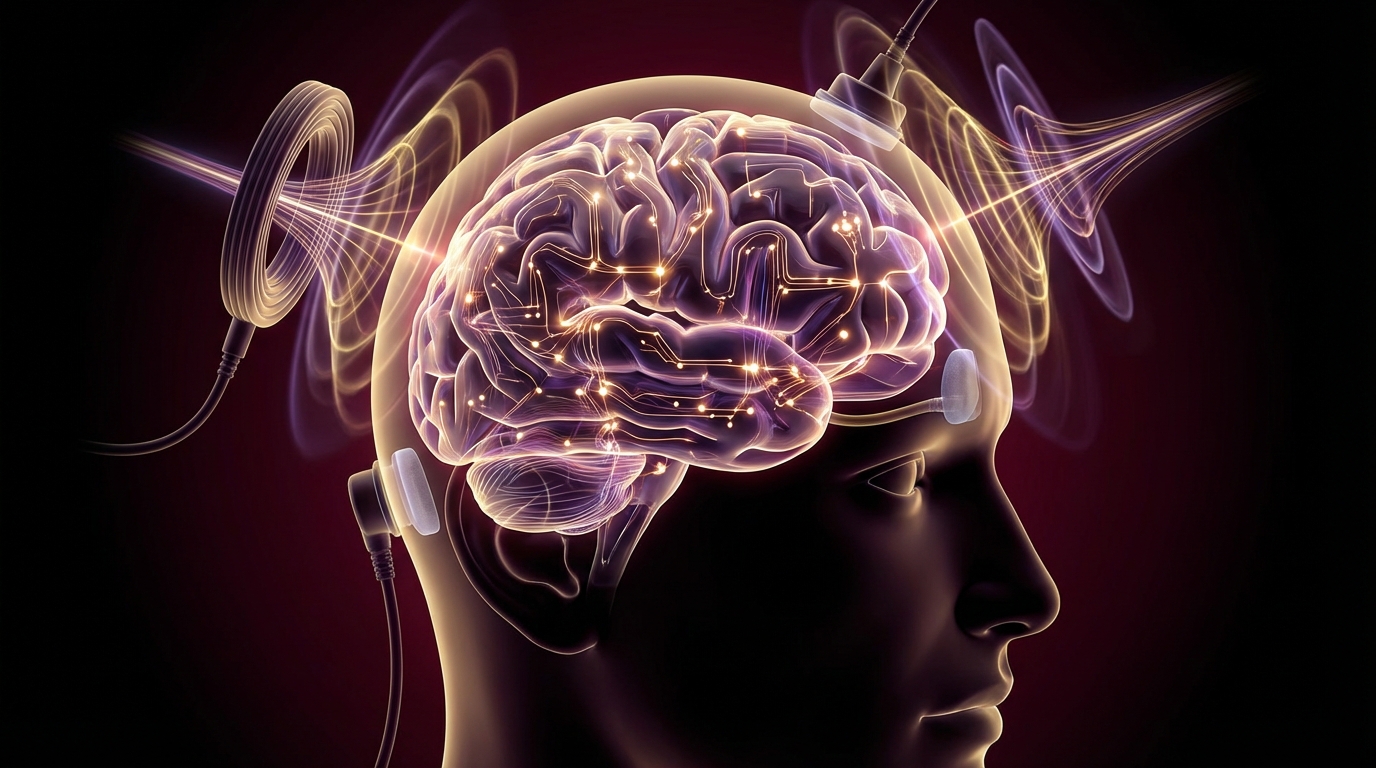
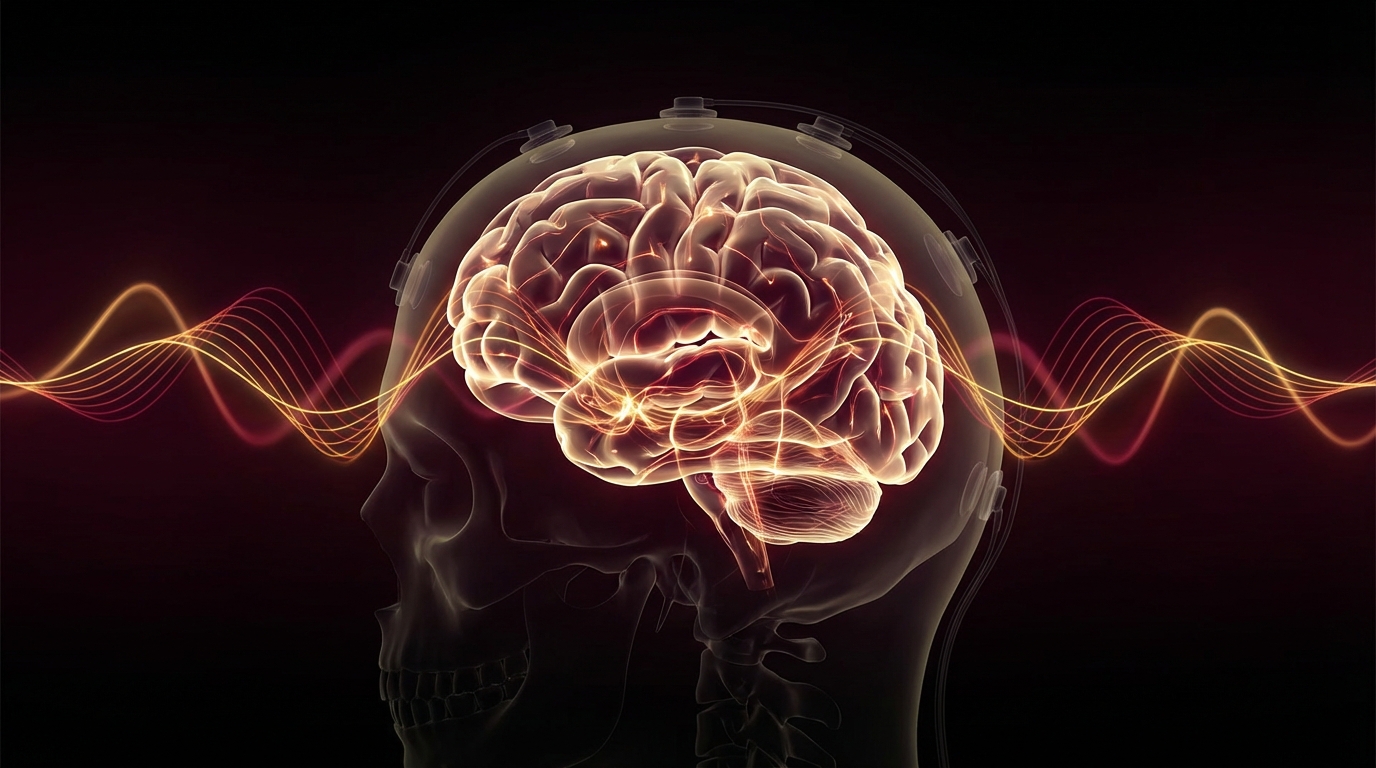
Neurofeedback — also called EEG biofeedback — is a form of operant conditioning applied to brain electrical activity. The logic is straightforward:
- Electrodes placed on the scalp measure EEG (electroencephalography) signals in real time
- A computer analyzes the frequency composition of those signals
- When the brain produces a desired pattern, the patient receives immediate positive feedback (a visual or auditory reward)
- When the brain produces an undesired pattern, the reward stops
- Over repeated sessions, the brain learns to produce more of the desired pattern
This is not a fringe concept. Operant conditioning of physiological processes is well established — biofeedback has been used for decades to treat conditions like chronic pain, urinary incontinence, and anxiety. The question specific to neurofeedback is whether this same principle, applied to EEG frequencies, can produce clinically meaningful changes in ADHD symptoms.
The Theta/Beta Ratio
The most common neurofeedback protocol for ADHD targets the theta/beta ratio. Here is the rationale:
Theta waves (4-8 Hz): Associated with drowsiness, daydreaming, and unfocused states. Elevated theta activity during tasks that require attention is a consistent (though not universal) finding in children and adults with ADHD [1].
Beta waves (13-30 Hz): Associated with alert, focused, task-engaged states. Relatively reduced beta activity during cognitive tasks has been observed in some ADHD populations.
The theta/beta ratio (TBR): The ratio of theta to beta power during eyes-open, task-focused EEG recording. An elevated TBR was initially proposed as a diagnostic biomarker for ADHD. The FDA even cleared a TBR-based device (the NEBA system) as a diagnostic aid in 2013.
The neurofeedback intervention attempts to train the brain to reduce theta power and increase beta power — essentially teaching sustained focus at the level of neural oscillations.
I need to be transparent about an important caveat: the reliability of elevated TBR as a universal ADHD biomarker has been questioned. A large meta-analysis by Arns et al. (2013) found that while group-level differences in TBR exist between ADHD and control populations, the overlap is substantial, and TBR does not reliably discriminate at the individual level [2]. This matters because if the target biomarker is not consistently abnormal, training to normalize it may not always be addressing the right problem.
The Evidence: What the Studies Actually Show
Positive Findings
Several randomized controlled trials have reported benefits:
Gevensleben et al. (2009): A well-designed RCT of 102 children with ADHD compared theta/beta neurofeedback (plus SCP — slow cortical potential training) to computerized attention training. The neurofeedback group showed significantly greater improvement on parent-rated ADHD symptoms, with medium effect sizes. Improvements were maintained at 6-month follow-up [3].
Steiner et al. (2014): A three-arm RCT comparing neurofeedback, cognitive training, and a waitlist control in 104 children with ADHD. Neurofeedback produced significantly greater improvements in attention and executive function compared to both control conditions. Teacher ratings showed improvements persisting at the 6-month follow-up [4].
Van Doren et al. (2019): A meta-analysis combining individual patient data from several RCTs found that neurofeedback produced sustained improvements in inattention symptoms at follow-up assessments, even when compared to active control conditions [5].
Arns et al. (2020): A large European multicenter trial (the ICAN study) found that neurofeedback with personalized theta/beta protocols produced clinically meaningful improvements in a substantial proportion of ADHD patients, with effects maintained beyond the treatment period [6].
These are not trivial findings. The effect sizes for inattention symptoms are in the small-to-medium range, and the durability of effects beyond the treatment period is a meaningful advantage over stimulant medication, which only works while you take it.
The Replication Problem
Here is where I have to be equally direct about the limitations:
Cortese et al. (2016): A Cochrane-style meta-analysis examined neurofeedback RCTs for ADHD using “probably blinded” assessments (meaning raters who did not know which treatment the child received). When only these blinded assessments were analyzed, the effect of neurofeedback on ADHD symptoms was not statistically significant [7]. This finding has been cited as strong evidence against neurofeedback.
Arnold et al. (2021): A large sham-controlled trial found no significant difference between real neurofeedback and sham neurofeedback on ADHD symptom measures. The sham condition — where patients believed they were receiving real neurofeedback but the feedback signal was not contingent on their actual brain activity — produced similar improvements [8].
The blinding problem: This is the fundamental methodological challenge. In neurofeedback, the patient is an active participant. They are trying to learn a skill. If they believe the training is working, their engagement, motivation, and expectation may drive improvement regardless of whether the feedback is neurologically meaningful. Designing a convincing sham control for neurofeedback is extremely difficult, and many studies that showed positive results used inadequate blinding.
What I Make of the Mixed Evidence
In my assessment, the evidence for neurofeedback in ADHD falls into the “moderate to emerging” category. Here is how I frame it:
What appears likely: Neurofeedback produces real changes in EEG patterns. Patients who complete full treatment courses (30-40 sessions) do show improvements in attention measures. Some of these improvements persist after treatment ends, which medication alone does not offer.
What remains uncertain: Whether the improvements are specifically due to learned EEG regulation (the proposed mechanism) or whether they result from the structured attention practice, therapeutic relationship, expectation effects, and regular engagement that neurofeedback inherently provides. The sham-controlled data does not convincingly separate these factors.
What this means clinically: Neurofeedback may work, but the mechanism by which it works may not be what proponents claim. And the magnitude of benefit, when assessed by blinded raters, is smaller than unblinded assessments suggest.
How Neurofeedback Works in Practice
The Session
A typical neurofeedback session looks like this:
-
Setup (5-10 minutes): EEG electrodes are placed on the scalp — typically at sites Cz, Fz, or C3/C4 depending on the protocol. A reference electrode is placed on the ear. Good electrode contact is essential for reliable signal acquisition.
-
Baseline recording (2-3 minutes): The system captures a brief baseline of the patient’s EEG to calibrate the feedback thresholds.
-
Training (20-30 minutes): The patient watches a screen — it might be a simple animation, a video, or a game-like interface. When the brain produces the target pattern (e.g., reduced theta, increased beta), the screen becomes brighter, the video plays, or a character advances. When the pattern drifts away from the target, the reward stops.
-
The patient’s experience: Most describe it as trying to maintain a focused, calm-alert state. They learn through trial and error which mental state produces rewards. Early sessions can be frustrating. Over time, patients report that the “right” state becomes easier to access.
The Time Commitment
This is a point that many clinics understate. Neurofeedback for ADHD is not a 5-session intervention. The evidence — even the positive evidence — is based on protocols of 30-40 sessions, delivered 2-3 times per week over 3-5 months.
That means:
- Minimum 30 sessions for a meaningful treatment course
- 3-5 months of consistent, regular attendance
- $2,250-8,000 total cost (rarely covered by insurance)
- 60-90 minutes per visit including setup and debriefing
For a child with ADHD and a family already juggling school, homework, and other appointments, this is a significant logistical and financial commitment. I want patients and families to understand this before they begin — not after they have completed 10 sessions and wonder why nothing has changed.
When Effects Appear
In my clinical observation and consistent with the trial literature, patients typically do not notice significant changes before session 15-20. This is important because it means a substantial investment of time and money occurs before anyone can assess whether the intervention is working.
Some patients and families report subtle changes earlier — improved homework focus, less fidgeting during meals, calmer bedtime routines. These early signals are encouraging but should be interpreted cautiously.
Practical Application: Who Should Consider Neurofeedback?
Potentially Good Candidates
Based on the available evidence and my clinical assessment, neurofeedback for ADHD may be worth considering for:
- Patients who cannot tolerate stimulant medication due to side effects (appetite suppression, insomnia, anxiety, tics)
- Families who prefer non-pharmacological approaches and understand the evidence limitations
- Adults with ADHD who want to explore brain training as an adjunct to medication
- Patients with elevated theta/beta ratio on QEEG — if the proposed target is actually present, the rationale for training is stronger
- Individuals willing to commit to the full protocol (30-40 sessions minimum)
Less Ideal Candidates
- Patients seeking a quick solution: Neurofeedback takes months, and effects are gradual
- Families who cannot sustain the time or cost commitment: An incomplete course is likely an expensive disappointment
- Patients with primarily hyperactive/impulsive ADHD: The evidence is strongest for inattentive symptoms; hyperactivity/impulsivity improvements are less consistently demonstrated
- Those who expect neurofeedback to replace medication entirely: For most patients with moderate-to-severe ADHD, neurofeedback is better positioned as an adjunct, not a replacement
Neurofeedback vs. First-Line ADHD Treatments
Let me be clear about the hierarchy of evidence:
Stimulant medication (methylphenidate, amphetamine salts): Strong evidence. Effect sizes for ADHD symptom reduction are large (d = 0.8-1.0). Onset is rapid (within days). The limitation is that effects are only present while the medication is active — they do not produce lasting changes once the drug is discontinued [9].
Behavioral therapy / CBT: Moderate evidence, particularly for organizational skills, emotional regulation, and family functioning. Effects are durable. Recommended as first-line for preschool ADHD and as adjunct for all ages.
Neurofeedback: Moderate to emerging evidence. Effect sizes are small to medium for inattention when assessed by blinded raters. The potential advantage is durability — if the effects are real, they may persist after treatment ends. The disadvantage is cost, time commitment, and inconsistent replication.
Exercise: Moderate evidence for acute improvements in attention and executive function. Underutilized and underappreciated in ADHD management [10].
What I tell my patients: medication and behavioral strategies are first-line for a reason — the evidence is strongest and the response is most reliable. Neurofeedback is a reasonable consideration for patients who have not responded adequately to first-line treatments, cannot tolerate medication, or want to explore complementary approaches with informed expectations.
The Quality Problem in Neurofeedback Clinics
This is where my frustration with the field shows, and I think it needs to be said openly.
The neurofeedback industry has a quality control problem. Many providers offer neurofeedback with:
- Insufficient training: Some clinics are run by technicians with minimal clinical neuroscience background
- Exaggerated marketing claims: “Train your brain to cure ADHD” is not what the evidence supports
- Non-standard protocols: Some providers use proprietary protocols that have not been validated in published trials
- No pre-treatment assessment: A proper QEEG baseline should inform whether the proposed training target is actually abnormal for that individual
- No outcome measurement: Many clinics do not systematically track symptom scores before, during, and after treatment
If you are considering neurofeedback, ask the provider:
- What specific protocol will you use, and what is the published evidence for it?
- Will you perform a baseline QEEG to confirm the training target is relevant for my brain?
- How will you measure outcomes objectively throughout treatment?
- What is your training and clinical background in neurophysiology?
- What happens if there is no improvement after 20 sessions?
A provider who cannot answer these questions clearly should give you pause.
Safety and Considerations
Neurofeedback is generally safe. Side effects are mild and transient:
- Fatigue after sessions: Common, especially early in treatment. The sustained mental effort is genuinely tiring.
- Headache: Occasional, typically mild
- Irritability or mood changes: Reported in some children, usually temporary
- Sleep disturbance: Can occur if sessions are conducted too late in the day
There are no serious adverse events documented in the literature. This is a meaningful advantage — even if the efficacy evidence is imperfect, the risk profile is favorable.
Important caveat: Neurofeedback should not delay initiation of evidence-based treatments. A child struggling significantly with ADHD who needs medication now should not spend 4 months on neurofeedback while their academic and social functioning deteriorates. The timing and sequencing of interventions matters.
Emerging Approaches
The neurofeedback field is evolving. Several approaches may improve outcomes:
fMRI neurofeedback: Instead of EEG, patients learn to regulate activity in specific brain regions visualized via real-time functional MRI. Early research shows promise for ADHD, but the cost and infrastructure requirements are prohibitive for routine clinical use [11].
Personalized protocols: Rather than applying the same theta/beta protocol to every ADHD patient, some researchers advocate for individualized protocols based on each patient’s specific EEG patterns. This makes theoretical sense but lacks standardization.
Combination with TMS: Transcranial magnetic stimulation could potentially prime neural circuits before neurofeedback training, enhancing learning. This is speculative but being explored in research settings.
Machine learning optimization: AI-driven systems that adapt feedback parameters in real time based on the patient’s learning trajectory. Early-stage but conceptually promising.
The Bottom Line
Neurofeedback for ADHD is not snake oil — but it is not a proven cure either. The evidence is genuinely mixed: some well-designed trials show meaningful and lasting improvements in attention, while other sham-controlled studies fail to demonstrate superiority over placebo. The blinding problem remains the field’s Achilles heel.
What I tell patients and families: if you are considering neurofeedback, go in with realistic expectations, verify your provider’s credentials and protocols, commit to a full treatment course, and track outcomes objectively. Do not abandon evidence-based treatments in favor of neurofeedback alone. And understand that the most honest summary of the evidence is that neurofeedback probably helps some people with ADHD, but we are not yet sure exactly who will benefit or whether the mechanism is what the marketing claims suggest.
The nuance matters. In medicine, “probably helps some people” is not nothing — it is the starting point for better research and more refined clinical application.
References
- Barry RJ, et al. A review of electrophysiology in attention-deficit/hyperactivity disorder: I. Qualitative and quantitative electroencephalography. Clinical Neurophysiology. 2003;114(2):171-183. PMID: 12559224.
- Arns M, et al. A decade of EEG theta/beta ratio research in ADHD: a meta-analysis. Journal of Attention Disorders. 2013;17(5):374-383. PMID: 23264365.
- Gevensleben H, et al. Is neurofeedback an efficacious treatment for ADHD? A randomised controlled clinical trial. Journal of Child Psychology and Psychiatry. 2009;50(7):780-789. PMID: 19207632.
- Steiner NJ, et al. Neurofeedback and cognitive attention training for children with attention-deficit hyperactivity disorder in schools. Journal of Developmental and Behavioral Pediatrics. 2014;35(1):18-27. PMID: 24399101.
- Van Doren J, et al. Sustained effects of neurofeedback in ADHD: a systematic review and meta-analysis. European Child & Adolescent Psychiatry. 2019;28(3):293-305. PMID: 30132094.
- Arns M, et al. Neurofeedback for ADHD: current evidence and next steps — The ICAN study. European Child & Adolescent Psychiatry. 2020;29(7):887-901.
- Cortese S, et al. Neurofeedback for attention-deficit/hyperactivity disorder: meta-analysis of clinical and neuropsychological outcomes from randomized controlled trials. Journal of the American Academy of Child and Adolescent Psychiatry. 2016;55(6):444-455. PMID: 27238063.
- Arnold LE, et al. Double-blind placebo-controlled randomized clinical trial of neurofeedback for attention-deficit/hyperactivity disorder with 13-month follow-up. Journal of the American Academy of Child and Adolescent Psychiatry. 2021;60(7):841-855. PMID: 33202267.
- Faraone SV, et al. The world federation of ADHD international consensus statement: 208 evidence-based conclusions about the disorder. Neuroscience & Biobehavioral Reviews. 2021;128:789-818. PMID: 33549739.
- Cerrillo-Urbina AJ, et al. The effects of physical exercise in children with attention deficit hyperactivity disorder: a systematic review and meta-analysis of randomized control trials. Child: Care, Health and Development. 2015;41(6):779-788. PMID: 25988743.
- Zilverstand A, et al. fMRI neurofeedback facilitates anxiety regulation in females with spider phobia. Frontiers in Behavioral Neuroscience. 2015;9:148. PMID: 26106311.