Chronic Inflammatory Response Syndrome (CIRS) — originally characterized by Dr. Ritchie Shoemaker in the context of water-damaged buildings — represents a distinct but frequently overlapping condition in the world of chronic illness. While not an infection per se, mold illness produces a clinical picture so similar to chronic infection that many patients are initially evaluated and treated in the infectiology framework. And in my experience, mold exposure and chronic infection frequently coexist, each exacerbating the other.
What CIRS Is
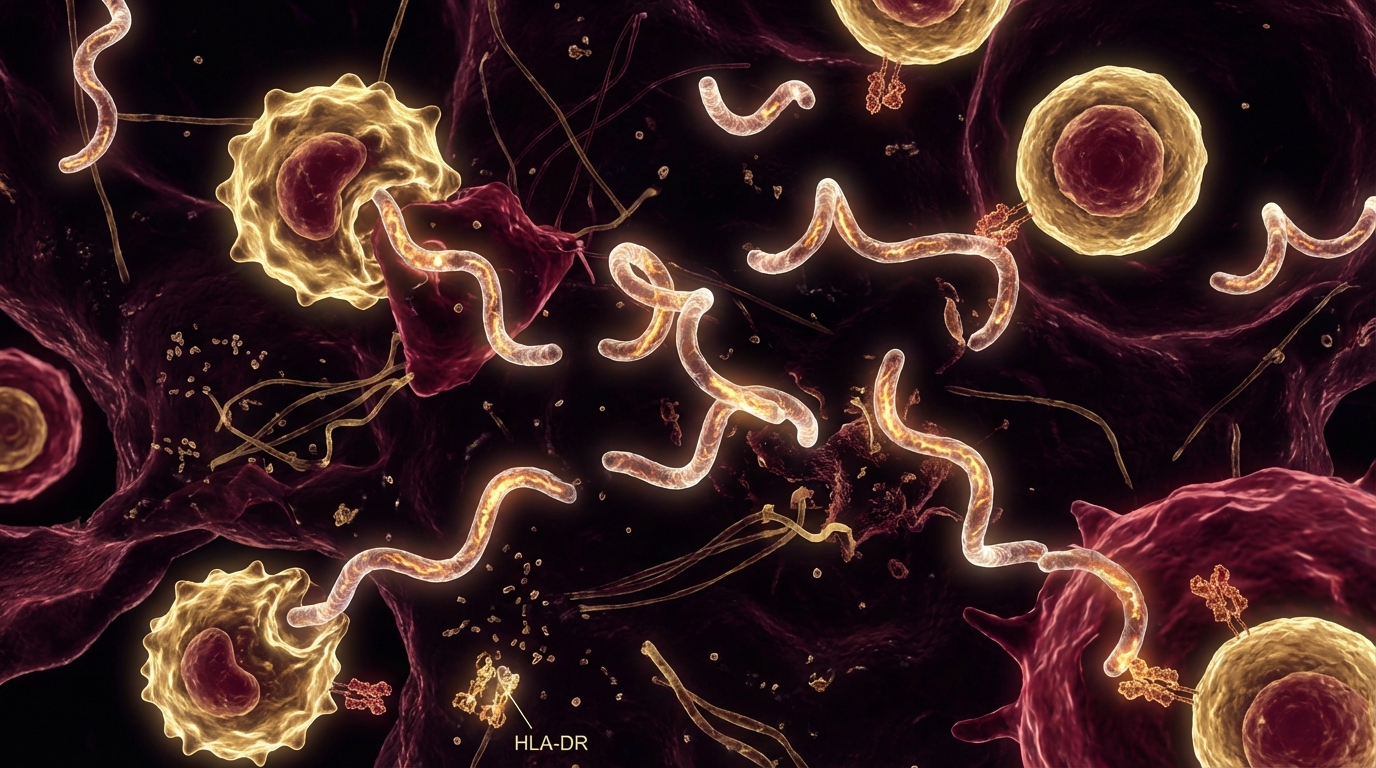
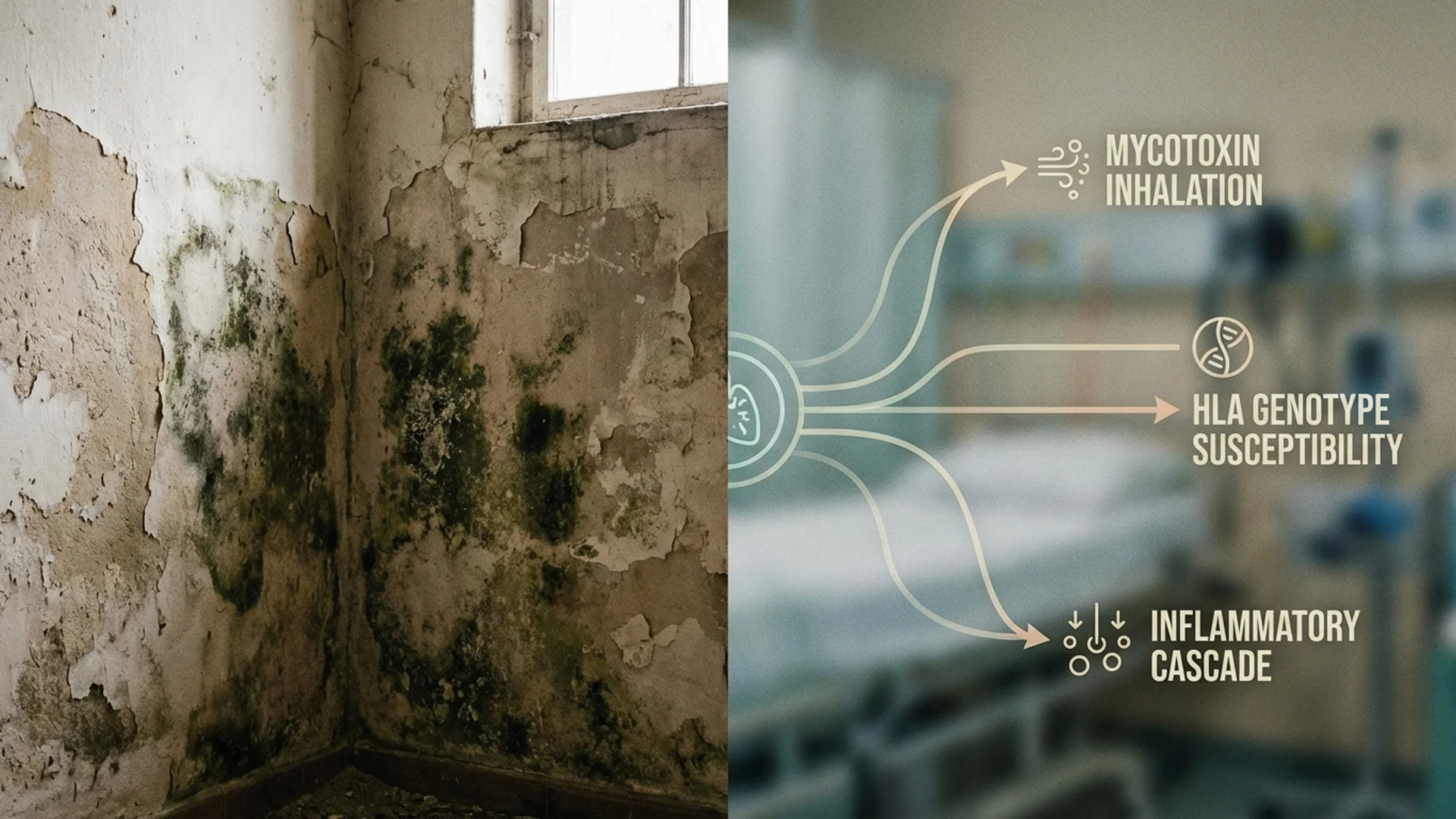
CIRS is a multi-system, multi-symptom illness caused by exposure to biotoxins — primarily mycotoxins produced by mold species that colonize water-damaged buildings. The key insight in Shoemaker’s work is that approximately 24% of the population carries HLA genotypes that impair their ability to clear these biotoxins. In genetically susceptible individuals, mycotoxin exposure triggers a chronic, self-perpetuating inflammatory cascade that does not resolve even after the exposure ends [1].
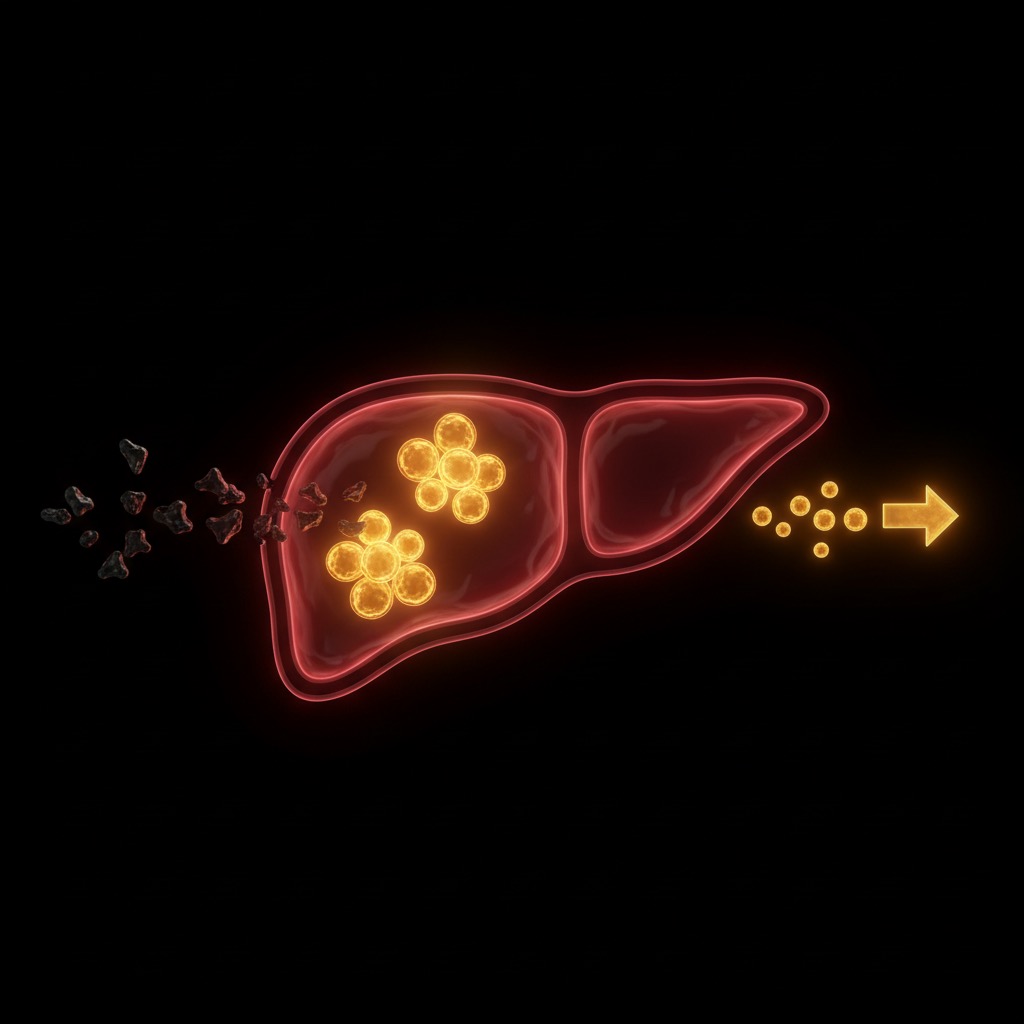
The condition is not an allergy to mold. It is not a psychological response to living in a damaged building. It is a genetically mediated inflammatory response to specific biotoxins that the patient’s immune system cannot adequately process.
Clinical Presentation
The symptom profile of CIRS overlaps extensively with chronic Lyme disease, chronic fatigue syndrome, and fibromyalgia:
- Fatigue
- Cognitive dysfunction (“brain fog”)
- Widespread pain
- Headache
- Respiratory symptoms (sinusitis, cough, shortness of breath)
- Gastrointestinal symptoms
- Sensitivity to light, sound, and chemicals
- Temperature dysregulation
- Mood disturbance (anxiety, depression)
- Skin symptoms (rash, unusual sensations)
The overlap with chronic infection symptoms is so significant that distinguishing between the two — or identifying their coexistence — requires careful evaluation.
Diagnosis
CIRS diagnosis relies on a combination of clinical criteria and biomarkers:
Biomarkers
- TGF-beta 1: Often markedly elevated in CIRS (levels above 2,380 pg/mL are significant)
- C4a: Complement activation marker, often elevated
- MMP-9: Matrix metalloproteinase, reflects inflammation and tissue breakdown
- MSH (alpha-melanocyte stimulating hormone): Often low in CIRS, contributing to immune dysregulation
- ADH and osmolality: Dysregulation of antidiuretic hormone is common
- VIP (vasoactive intestinal peptide): Often low, contributing to vascular and immune dysfunction
- VEGF: Vascular endothelial growth factor, often abnormal
- Cortisol/ACTH: May be dysregulated
HLA Genotyping
Specific HLA-DR/DQ haplotypes are associated with susceptibility to CIRS. Testing identifies patients who are genetically unable to adequately process biotoxins.
Environmental Assessment
Professional inspection of the patient’s home and workplace for water damage and mold contamination. ERMI (Environmental Relative Moldiness Index) testing provides a quantitative assessment of mold exposure.
Mycotoxin Testing
Urinary mycotoxin testing can identify specific mycotoxins (aflatoxins, ochratoxin A, trichothecenes, gliotoxin). Interpretation requires caution — provocative testing (challenging with glutathione or sauna before collection) may increase sensitivity but also increases the risk of false positives in the broader population.
The Overlap with Chronic Infections
This is an area where I want to be direct about a pattern I see repeatedly. Many patients with chronic Lyme disease are also mold-exposed. Many patients who believe they have “just” mold illness also carry chronic infections. The two conditions exacerbate each other through shared immunological mechanisms:
- Mold exposure suppresses immune function, allowing latent infections to reactivate or persist
- Chronic infections impair the detoxification pathways needed to clear mycotoxins
- Both conditions drive chronic inflammation through overlapping cytokine pathways
- Both conditions impair mitochondrial function
Treating one while ignoring the other often produces incomplete results. In my practice, I evaluate for both and address both when present.
Treatment
Step 1: Remove the Exposure
This is non-negotiable. No treatment will work if the patient continues to live or work in a moldy environment. Professional remediation or relocation is often necessary. Belongings that cannot be adequately cleaned may need to be discarded.
This is the hardest step for many patients, both practically and emotionally. But it is the foundation of any treatment program.
Step 2: Binding Agents
Cholestyramine (CSM) is the most studied binding agent for CIRS. It binds bile-conjugated mycotoxins in the gastrointestinal tract, preventing enterohepatic recirculation. Typical dose: 4 g four times daily, taken away from other medications.
Alternatives include:
- Welchol (colesevelam) — better tolerated but possibly less effective
- Activated charcoal
- Bentonite clay
- Chlorella
Step 3: Address Biomarker Abnormalities
The Shoemaker protocol addresses specific biomarker abnormalities sequentially:
- MARCoNS (multiply antibiotic-resistant coagulase-negative staphylococci) eradication from the nasal passages, when present
- Correction of MMP-9 and TGF-beta through anti-inflammatory agents
- VIP nasal spray for patients who have completed earlier steps and still have low VIP levels
Step 4: Immune and Mitochondrial Support
Supporting the overall immune and metabolic recovery through the same approaches I use for chronic infection patients — mitochondrial support, nutritional optimization, hormonal assessment, and targeted supplementation.
The Honest Limitations
I want to be transparent: the evidence base for CIRS, while clinically compelling, is primarily derived from the work of Shoemaker and his collaborators. Independent, large-scale validation studies are limited. The specific biomarker protocols have not been subjected to randomized controlled trials at the level that would satisfy mainstream evidence-based medicine criteria.
That said, the clinical observations are consistent across practitioners who treat this condition, the biomarker abnormalities are measurable and reproducible, and patients who follow the protocol frequently improve. This is an area where clinical observation is ahead of formal clinical trial validation.

References
- Shoemaker RC, et al. Prevalence and clinical significance of mycotoxins in dust and air samples. International Society for Indoor Air Quality and Climate. 2014.
This content is educational and does not constitute medical advice. CIRS evaluation and treatment require a physician experienced in biotoxin illness, and environmental assessment by a qualified professional is an essential first step.