At a Glance
| Property | Value |
|---|---|
| Evidence Level | Emerging |
| Primary Use | Screening and diagnostic guidance for biotoxin illness |
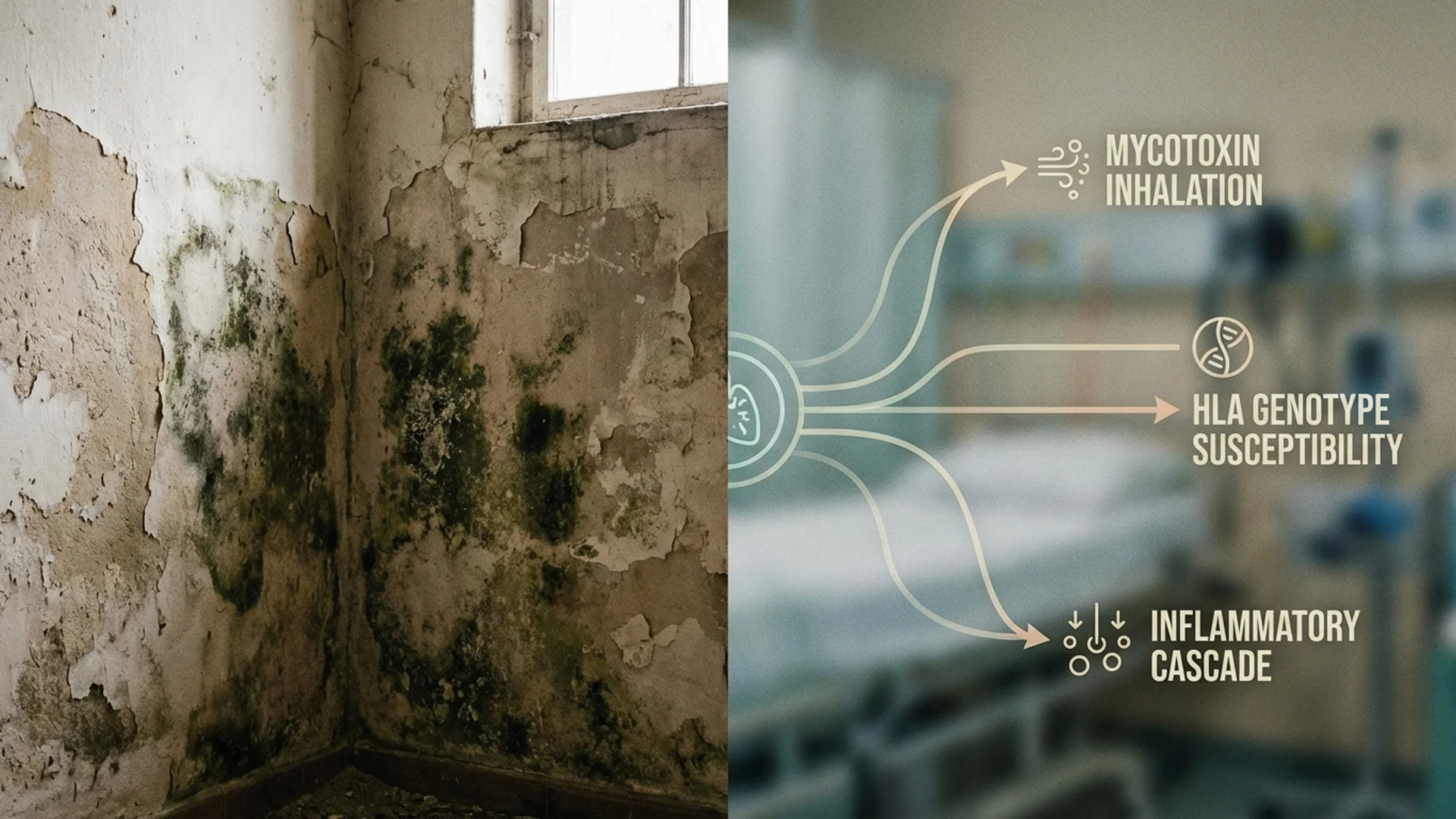
| Key Mechanism | HLA-DR genetic susceptibility impairs biotoxin clearance, creating chronic innate immune activation |
The Illness That Looks Like Everything
You have been to six doctors. Maybe more. Your symptoms are real — debilitating fatigue, cognitive dysfunction, pain that moves around, GI problems, sensitivity to light and sound, temperature dysregulation. Each specialist examines their organ system and finds nothing definitively wrong. Or they find something minor that does not explain the severity of your symptoms.
You have been told it is stress. Depression. Fibromyalgia. Chronic fatigue syndrome. Anxiety.
What I tell my patients is this: when a patient presents with multi-system, multi-symptom illness that does not fit neatly into a single diagnosis, and when standard workups come back “normal” or inconclusive, biotoxin illness — specifically CIRS — should be on the differential.
Here is the checklist and the genetics behind it.
The 37 Symptoms Across 13 Clusters
Dr. Ritchie Shoemaker developed the CIRS symptom clusters based on analysis of thousands of patients with biotoxin illness [1]. The symptoms are grouped into 13 clusters. The screening criterion: 8 or more positive symptoms across 6 or more clusters suggests CIRS and warrants further evaluation.
Cluster 1: Fatigue
- Unusual fatigue
- Weakness
Cluster 2: Cognitive
- Difficulty concentrating
- Difficulty with word finding
- Confusion
- Decreased assimilation of new knowledge
- Disorientation
Cluster 3: Pain
- Headache
- Muscle aches
- Joint pain (non-inflammatory)
- Morning stiffness
Cluster 4: Neurological
- Numbness and tingling
- Tremor
- Vertigo
Cluster 5: Respiratory
- Shortness of breath
- Sinus congestion
- Cough
Cluster 6: Sensitivity
- Light sensitivity
- Sensitivity to bright or fluorescent light
Cluster 7: Constitutional
- Sweats (especially night sweats)
- Mood swings
- Appetite changes
- Body temperature dysregulation
Cluster 8: Skin
- Skin sensitivity
- Unusual skin sensations
- Static shocks (increased frequency)
Cluster 9: GI
- Abdominal pain
- Diarrhea
- Nausea
Cluster 10: Neurocognitive
- Memory problems (recent memory)
- Decreased learning speed
Cluster 11: Urinary/Thirst
- Excessive thirst
- Increased urination
- Frequent urination at night
Cluster 12: Visual
- Blurred vision
- Tearing
- Red eyes
Cluster 13: Miscellaneous
- Metallic taste
- Ice pick pain (sharp, sudden, brief)
- Vertigo/lightheadedness
The Static Shock Clue
One symptom that surprises patients is increased static electrical shocks. This is actually one of the more specific indicators of CIRS — it relates to the altered electrical charge of cell membranes in the setting of chronic inflammation and is not commonly reported in other conditions. When a patient mentions that they are getting shocked by doorknobs, car doors, and other metal objects more frequently than usual, my clinical suspicion for CIRS increases significantly.
The Genetics: HLA-DR and the 25% Problem
What HLA-DR Is
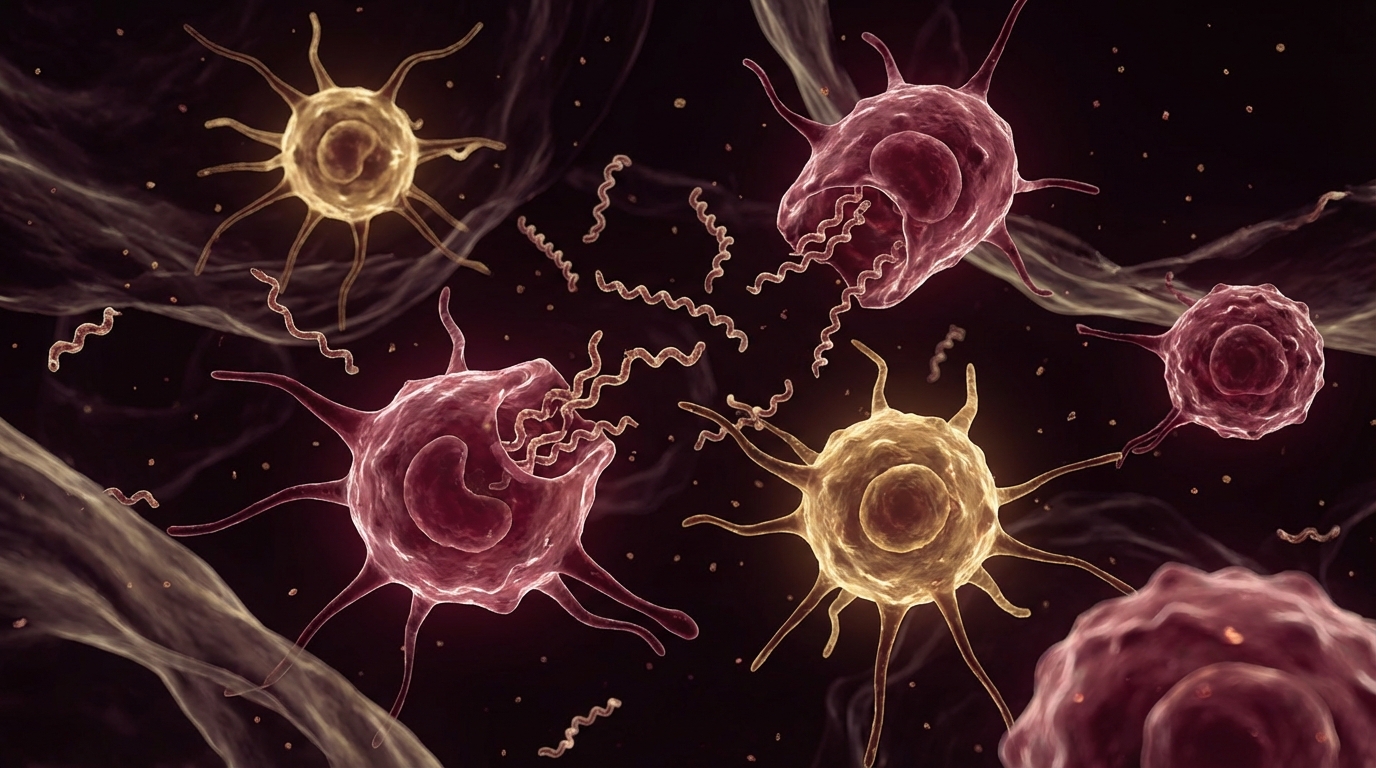
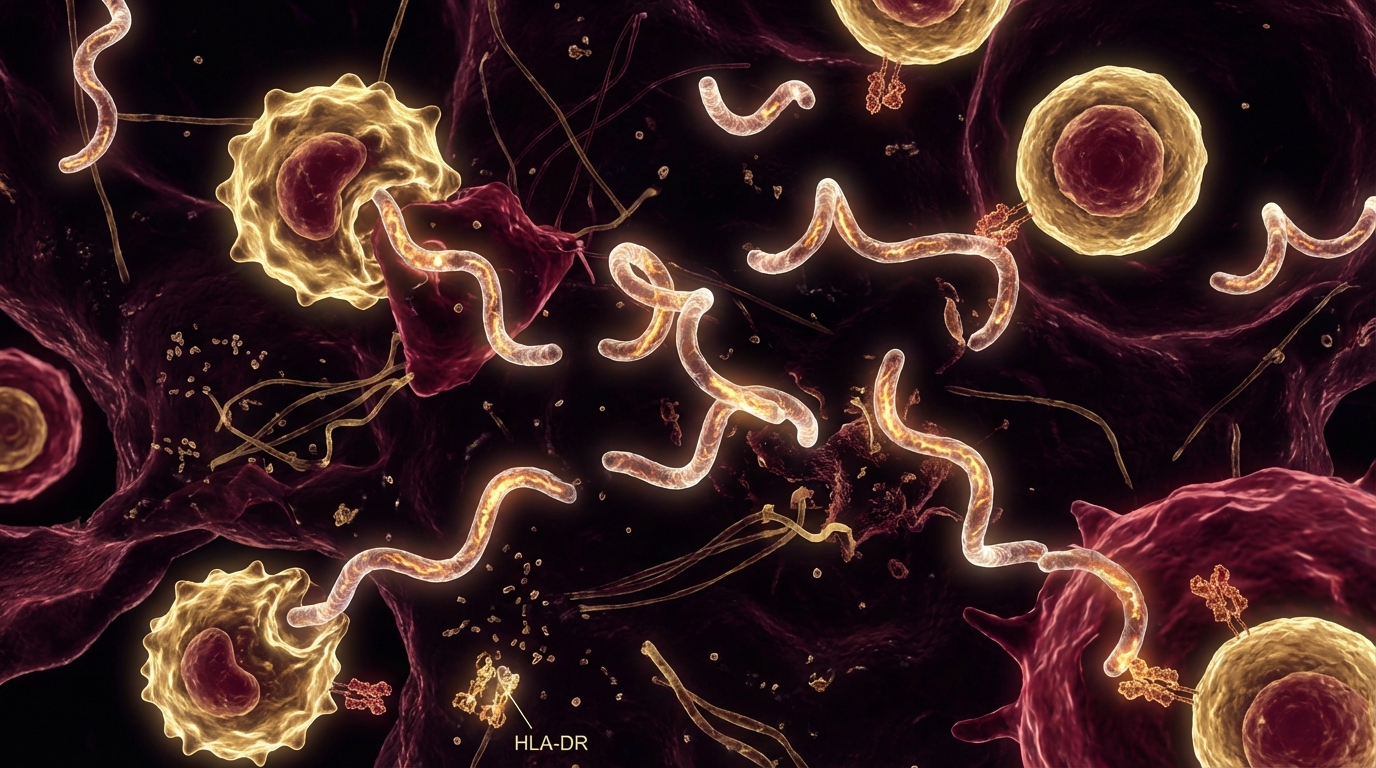
HLA (Human Leukocyte Antigen) genes encode proteins on the surface of immune cells that present foreign substances (antigens) to T-cells. The HLA-DR region specifically codes for antigen-presenting proteins critical to adaptive immune recognition [2].
In the context of CIRS, certain HLA-DR genotypes impair the immune system’s ability to recognize and clear biotoxins. When the immune system cannot tag these molecules for clearance, they recirculate indefinitely, triggering chronic innate immune activation.
Who Is Susceptible
Approximately 25% of the general population carries HLA-DR genotypes associated with impaired biotoxin clearance. These include:
| HLA-DR Genotype | Associated Susceptibility |
|---|---|
| 11-3-52B | Multisusceptible (mold + Lyme) |
| 4-3-53 | Mold susceptible |
| 12-3-52B | Mold susceptible |
| 14-5-52B | Mold susceptible |
| 7-2-53 | Mold susceptible (less severe) |
| 15-6-51 | Lyme susceptible |
| 16-5-51 | Lyme susceptible |
Multisusceptible genotypes (11-3-52B, particularly) confer vulnerability to multiple biotoxin sources — mold, Lyme, and other environmental triggers. These patients are often the most severely affected.
What This Means Clinically
The 25% susceptibility figure explains something that puzzles many patients: “My family lives in the same house, but I am the only one who is sick.” If you carry a susceptible HLA-DR genotype and your family members do not, the same mold exposure that devastates your health may produce no symptoms in them. Their immune systems clear the biotoxins. Yours does not.
This is not psychological. This is not weakness. This is immunogenetics. And it is testable.

The Evidence
What We Know (Human Data)
Dr. Shoemaker’s published data includes analysis of over 6,000 patients with biotoxin illness, documenting consistent patterns of:
- Symptom cluster distributions matching the 37-symptom checklist
- Biomarker abnormalities (TGF-beta 1 elevation, C4a elevation, MSH depletion, VIP depletion, MMP-9 elevation, VEGF dysregulation)
- HLA-DR genotype associations with disease susceptibility
- Treatment response to the Shoemaker Protocol (biotoxin binding, biomarker correction) [1]
The limitation of this evidence base is that it comes primarily from one research group (Shoemaker and colleagues) and consists of observational data and case series rather than multicenter randomized controlled trials. This is important to acknowledge — but it does not invalidate the clinical observations, which are consistent and reproducible.
The Visual Contrast Sensitivity (VCS) test — a screening tool for CIRS — has been validated as a biomarker for neurotoxin exposure, with published sensitivity of 92% and specificity of 85% for biotoxin illness [3].
What I See in Practice
In our clinical experience, CIRS is one of the most commonly missed diagnoses in patients with chronic complex illness. The reason is structural: the symptoms span multiple organ systems, so patients are referred to multiple specialists, each of whom evaluates their own domain and finds nothing definitive.
What I observe in practice is that patients with CIRS who also have Lyme disease (not uncommon — the same HLA-DR genotypes that confer mold susceptibility can also confer Lyme susceptibility) are among the most complex and difficult to treat. The biotoxin burden from mold exposure compounds the endotoxin burden from Borrelia, and both must be addressed for the patient to improve.
I also observe that the symptom checklist, while not perfect, is remarkably sensitive. Patients who score high (8+ symptoms across 6+ clusters) and subsequently test positive for HLA-DR susceptibility and biomarker abnormalities almost always improve with the Shoemaker Protocol — provided environmental exposure is also addressed.
Practical Application
Self-Screening
Count your symptoms from the 37-item checklist above:
- 0-7 symptoms across fewer than 6 clusters: CIRS less likely (but not excluded)
- 8+ symptoms across 6+ clusters: CIRS should be formally evaluated
- 13+ symptoms across 8+ clusters: Strongly suggestive — prioritize evaluation
Diagnostic Workup
If screening is positive, the following evaluation confirms or excludes CIRS:
Step 1: Visual Contrast Sensitivity (VCS) test
- Can be done online as a screening tool (survivingmold.com VCS test)
- In-office testing with standardized equipment is more reliable
- Abnormal VCS supports CIRS but is not specific (other neurotoxic conditions can cause abnormal VCS)
Step 2: HLA-DR genotyping
- Blood test ordered through standard laboratory
- Identifies whether you carry a susceptible genotype
- Positive genotype + positive symptoms = high pre-test probability for CIRS
Step 3: Biomarker panel
- TGF-beta 1 (typically elevated)
- C4a (complement activation — typically elevated)
- C3a (complement activation)
- MMP-9 (matrix metalloproteinase — tissue inflammation)
- MSH (melanocyte stimulating hormone — typically low)
- VIP (vasoactive intestinal peptide — typically low)
- VEGF (vascular endothelial growth factor — may be high or low)
- ADH and osmolality (dysregulation common)
- Leptin (often elevated)
Step 4: Environmental assessment
- Mold testing of home and workplace
- ERMI or HERTSMI-2 scoring
- Professional environmental inspection if indicated
Treatment Overview
The Shoemaker Protocol follows a sequential approach:
- Remove from exposure (environmental remediation or relocation)
- Biotoxin binding (cholestyramine or welchol)
- Correct MARCoNS (nasal staph colonization, if present — BEG spray)
- Correct biomarkers sequentially: antigliadin, MMP-9, C3a, C4a, TGF-beta 1, VEGF
- Restore MSH (VIP nasal spray when other markers are corrected)
Each step must be completed before progressing to the next. Skipping steps or treating out of order reduces efficacy.
If MCAS is also present, H1/H2 antihistamines and mast cell stabilizers are added for symptom management while the underlying CIRS is treated.

Safety and Considerations
- HLA-DR genotyping identifies susceptibility, not diagnosis. A susceptible genotype alone does not confirm CIRS — clinical presentation and biomarker patterns are required.
- Environmental remediation can be costly. ERMI testing and professional assessment guide whether remediation or relocation is the appropriate intervention.
- Cholestyramine can cause significant GI side effects (constipation, bloating). Start at low dose and titrate. Maintain strict timing separation from medications.
- The Shoemaker Protocol is best administered by physicians trained in the approach. The sequential nature of treatment requires careful monitoring and adjustment.
- CIRS is not universally accepted in conventional medicine. However, the biomarker abnormalities are measurable, reproducible, and responsive to treatment — which speaks to the biological reality of the condition regardless of diagnostic label.
- Patients living in water-damaged buildings should not begin treatment until the environmental exposure is addressed. Binding biotoxins while continuing to be exposed is futile.
The Bottom Line
CIRS produces a recognizable pattern of 37 symptoms across 13 clusters, driven by biotoxin accumulation in genetically susceptible individuals. The 25% of the population carrying vulnerable HLA-DR genotypes cannot clear biotoxins from mold, Lyme, and other sources — creating a self-perpetuating inflammatory cycle. If your symptoms are multi-system, multi-symptom, and do not fit a clean diagnosis, CIRS deserves a place on the evaluation list. The checklist is your first step. HLA-DR genotyping and biomarker testing confirm whether the path leads here. And importantly, confirmed CIRS is treatable — with a structured protocol that addresses the biotoxin burden at its source.
References
- Shoemaker RC, House D, Ryan JC. Vasoactive intestinal polypeptide (VIP) corrects chronic inflammatory response syndrome (CIRS) acquired following exposure to water-damaged buildings. Health. 2013;5(3):396-401.
- Shiina T, Hosomichi K, Inoko H, Kulski JK. The HLA genomic loci map: expression, interaction, diversity and disease. J Hum Genet. 2009;54(1):15-39. PMID: 19158813
- Shoemaker RC, House D. Sick building syndrome (SBS) and exposure to water-damaged buildings: time series study, clinical trial and mechanisms. Neurotoxicol Teratol. 2006;28(5):573-588. PMID: 17010568
- Shoemaker RC, Rash JA, Simon EK. Sick Building Syndrome in water-damaged buildings: generalization of the chronic biotoxin-associated illness paradigm to indoor toxigenic fungi. In: Bioaerosols Handbook. CRC Press; 2017.