Key Takeaways:
- Proper preparation significantly improves treatment outcomes
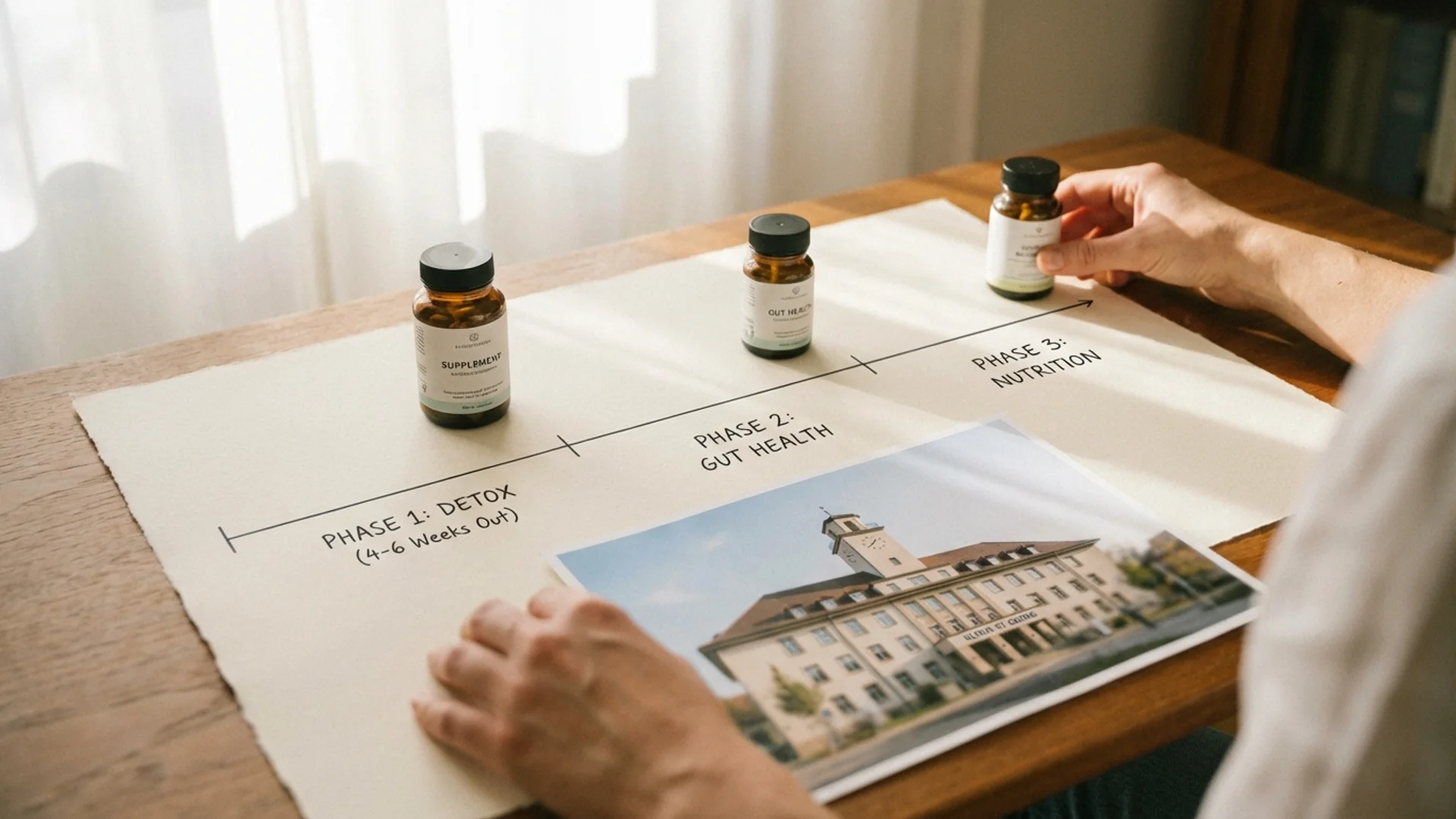
- Start 4-6 weeks before your scheduled treatment
- Focus on detox capacity, gut health, and nutritional status
- Arrive rested, hydrated, and with your body’s elimination pathways open
Why Preparation Matters
The treatments at St. George Hospital — whole-body hyperthermia, IV laser therapy, apheresis, antimicrobials — are intensive by design. They provoke strong immune responses and release significant amounts of toxins, dead pathogens, and inflammatory mediators.
Patients who prepare properly:
- Tolerate treatment better
- Experience less severe Herxheimer reactions
- Recover faster between sessions
- Achieve better long-term outcomes
4-6 Weeks Before Treatment
Open Detox Pathways
Your liver, kidneys, lymphatic system, and gut need to be functioning well to process the toxin load from treatment.
Action Purpose How
Support kidney function Toxin excretion Hydrate (3L daily), reduce sodium
Support lymphatic drainage Waste removal Dry brushing, rebounding, walking 30+ min daily
Open bowels Toxin elimination Fiber (25-30g daily), magnesium citrate (400mg at bedtime), hydration
Optimize Gut Health
Many treatments include antimicrobials that stress the gut:
- Start a multi-strain probiotic (50B+ CFU)
- Add L-Glutamine (5g daily) for intestinal barrier support
- Reduce inflammatory foods (sugar, processed food, alcohol)
- Consider a week of bone broth to support gut lining
Build Nutritional Reserves
Treatment depletes micronutrients. Arrive with full reserves:
- Vitamin D3 (4000 IU daily) — immune modulation
- Vitamin C (1-2g daily) — antioxidant, immune support
- Zinc (30mg daily) — immune function, wound healing
- B-Complex — methylation, energy metabolism
- Magnesium Glycinate (400mg) — muscle relaxation, sleep, enzyme function
- Omega-3 (2-3g EPA/DHA) — anti-inflammatory foundation
2 Weeks Before Treatment
Reduce Toxic Load
- Stop alcohol completely
- Minimize caffeine (1 cup/day maximum)
- Avoid unnecessary medications (consult your doctor)
- Eat clean: organic where possible, no processed food
- Consider activated charcoal (500mg away from meals) to bind circulating toxins
Prepare Mentally
Treatment can be physically and emotionally demanding:
- Set realistic expectations (improvement is a process, not instant)
- Understand Herxheimer reactions (read our guide)
- Arrange companion support if possible
- Plan for rest time after treatment (do not schedule work immediately after)
Gather Medical Records
Bring to your appointment:
- Complete medical history
- Recent blood work (within 3 months)
- Previous Lyme/infection test results (ELISpot, Western Blot, etc.)
- Imaging reports if relevant
- Current medication and supplement list
- Allergies and sensitivities
3 Days Before Treatment
- Hydrate aggressively (3-4L water daily)
- Sleep 8+ hours each night
- Gentle movement only (no intense exercise)
- Light, anti-inflammatory meals
- Stop binders (charcoal, cholestyramine) 24 hours before — they can interfere with treatment medications
- Pack comfortable clothing, entertainment for rest periods, and any personal comfort items
What NOT to Do
- Do not start a new intense exercise program
- Do not begin a strict fast or caloric restriction
- Do not take high-dose immune stimulants without physician guidance
- Do not stop prescribed medications without consulting your doctor
- Do not arrive exhausted from travel — plan an arrival day for rest
Clinical Perspective
The patients who have the best outcomes at our clinic are almost always the ones who prepared properly. I cannot overstate how much difference it makes when someone arrives with their detox pathways open, their gut supported, and their nutritional reserves full. It is the difference between a body that can handle intensive treatment and one that gets overwhelmed by the process. I give this protocol to every patient before they arrive, and those who follow it consistently report smoother treatment courses and faster recovery.
Related Reading
- Herxheimer Reactions Explained
- Gentle Detox Protocol
- St. George Hospital
- Your First Visit
This protocol is for educational purposes only. Always consult with your treating physician before starting any preparation protocol, especially if you are on medications.