At a Glance
| Property | Detail |
|---|---|
| Evidence Level | Moderate — multiple clinical studies, approved in 30+ countries, limited large Western RCTs |
| Primary Mechanism | T-cell activation, dendritic cell maturation, NK cell enhancement |
| Brand Name | Zadaxin (thymalfasin) |
| Regulatory Status | Approved in 30+ countries (hepatitis B, immune adjunct); not FDA-approved |
| Cancer Application | Adjunct to chemotherapy, radiation, and checkpoint inhibitors |
| Key Advantage | Immune restoration without immune overstimulation |
What Role Does Thymosin Alpha-1 Play in Cancer Treatment?
Let me be clear from the outset: Thymosin Alpha-1 is not a standalone cancer treatment. It is an immune modulator that, when combined with conventional cancer therapies, may improve immune function and potentially improve outcomes. The distinction matters — I am not presenting this as an alternative to surgery, chemotherapy, or radiation. I am presenting it as a potential adjunct that addresses a real clinical problem: cancer treatment destroys the immune system at precisely the time the immune system is most needed.
This is the fundamental paradox of cancer therapy. Chemotherapy and radiation kill cancer cells, but they also suppress the immune system — the very system that should be surveilling for and destroying residual cancer cells. Thymosin Alpha-1 addresses this paradox by supporting immune recovery during and after cytotoxic therapy.
At Klinik St. Georg, where we have treated cancer patients for over three decades, immune support during oncological treatment is a core principle. Thymosin Alpha-1 is one of the tools we use in this context, and I want to share what the evidence actually shows.
Mechanism: How Thymosin Alpha-1 Supports Anti-Tumor Immunity
Thymosin Alpha-1 (Ta1) is a 28-amino-acid peptide originally isolated from thymic tissue by Allan Goldstein in the 1970s. It is an endogenous immune modulator — your body naturally produces it. The synthetic version (thymalfasin, branded as Zadaxin) is bioidentical to the naturally occurring peptide.
T-Cell Activation and Maturation
Ta1 promotes the differentiation and maturation of T-cells, particularly from thymocyte precursors. It enhances expression of T-cell surface markers (CD3, CD4, CD8) and promotes the transition from naive T-cells to functional effector T-cells. In cancer patients whose T-cell populations have been depleted by chemotherapy, this restoration of T-cell numbers and function is directly relevant.
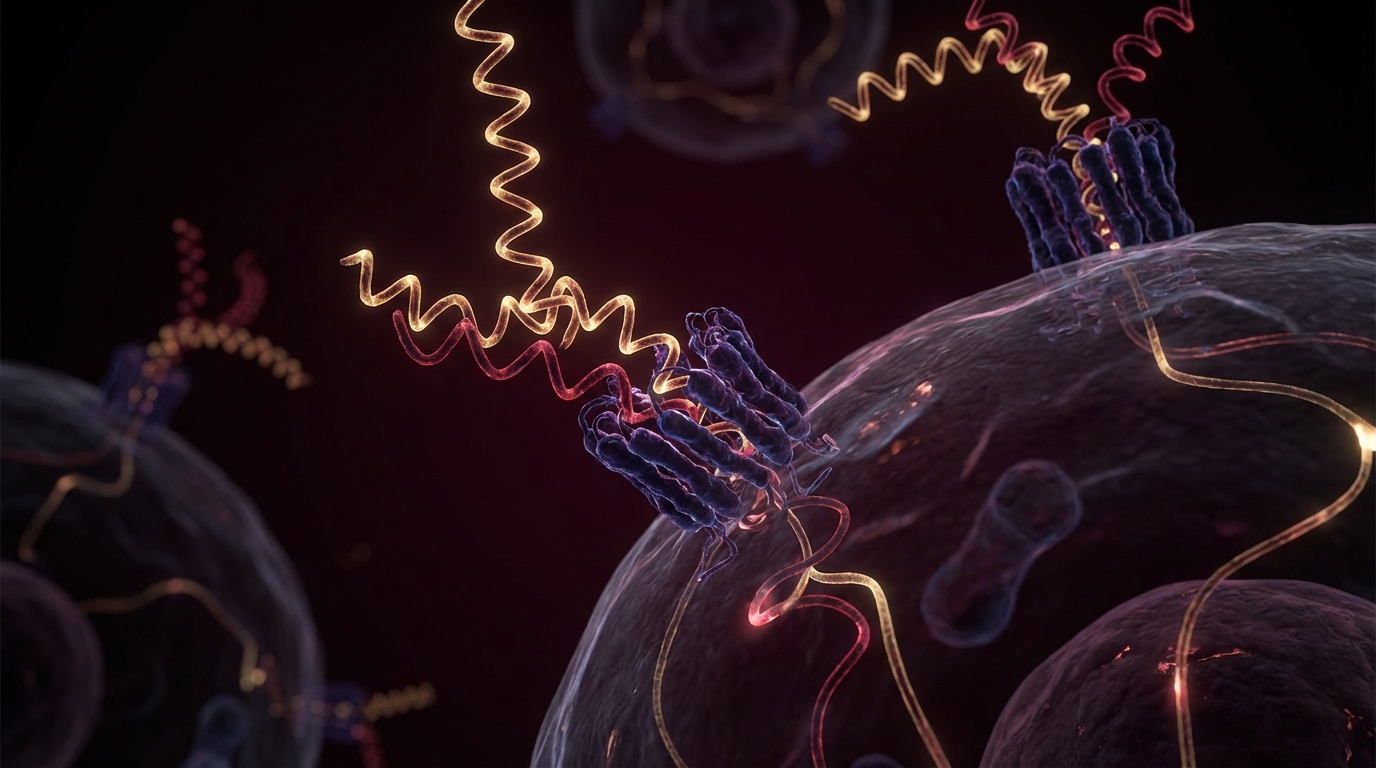
Specifically, Ta1 acts on Toll-like receptors (TLR2 and TLR9) on dendritic cells, triggering downstream signaling cascades that enhance antigen presentation and T-cell priming. This means it does not simply increase T-cell numbers — it improves the quality of the immune response by ensuring T-cells are properly educated about their targets.
Dendritic Cell Maturation
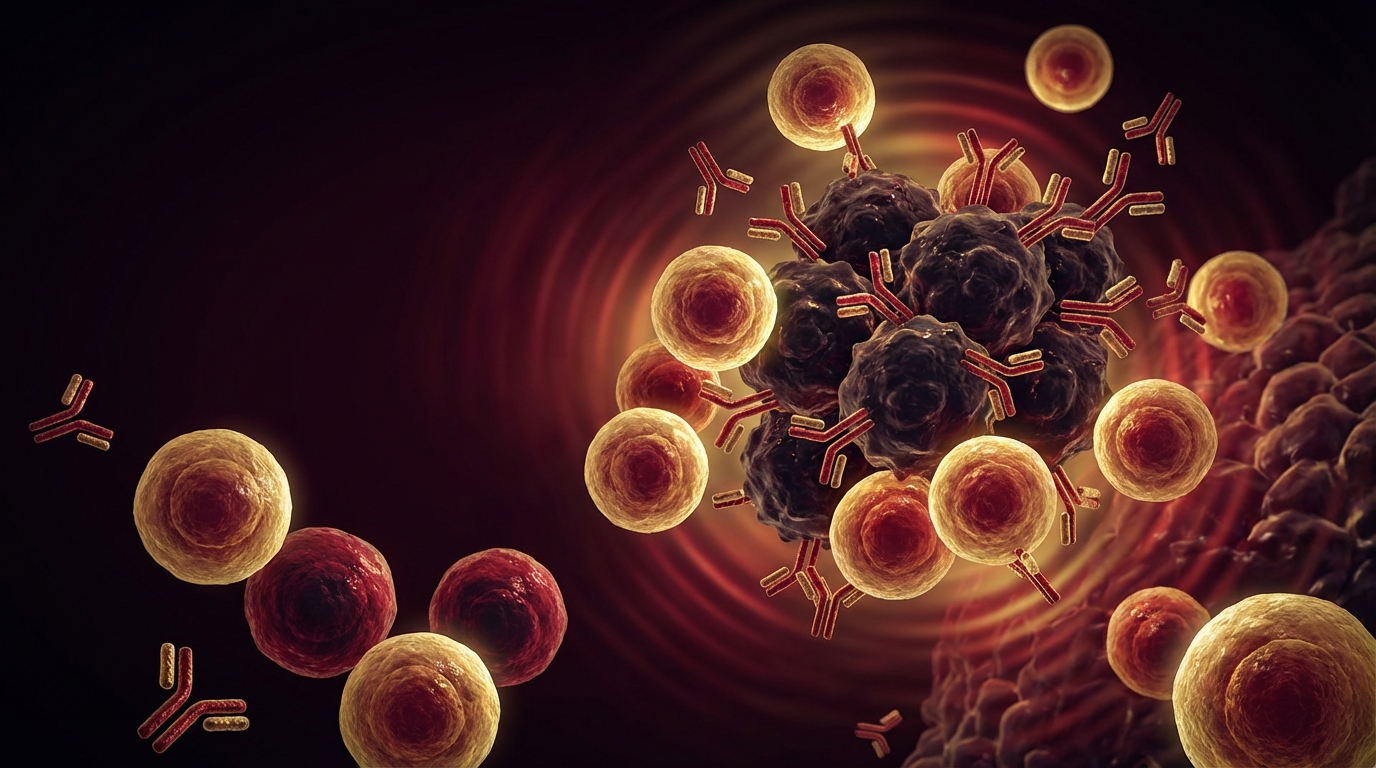
Dendritic cells are the antigen-presenting cells that serve as the bridge between innate and adaptive immunity. They capture tumor antigens, process them, and present them to T-cells, effectively “teaching” the immune system what to attack. Ta1 promotes dendritic cell maturation and enhances their antigen-presenting capacity. In a tumor microenvironment where dendritic cell function is often suppressed, this is a meaningful intervention.
Natural Killer Cell Enhancement
Ta1 enhances natural killer (NK) cell activity. NK cells are part of the innate immune system and can kill tumor cells without prior antigen exposure. They are particularly important for immune surveillance — detecting and destroying cancer cells that escape T-cell recognition by downregulating MHC class I molecules.
Immune Balance, Not Overstimulation
This is a critical distinction. Ta1 is an immune modulator, not a simple immune stimulant. It promotes appropriate immune activation without driving the kind of immune overstimulation that can cause autoimmune reactions or cytokine storms. This safety margin is what makes it suitable for use in cancer patients, who are already immunologically fragile.
What the Clinical Evidence Shows
Combination with Chemotherapy
Multiple clinical studies have examined Ta1 combined with standard chemotherapy regimens:
Non-small cell lung cancer (NSCLC): A Chinese randomized study by Shi et al. (2007) examined 78 patients with advanced NSCLC receiving cisplatin-based chemotherapy with or without Ta1. The Ta1 group showed significantly improved CD4+/CD8+ T-cell ratios and higher 1-year survival rates compared to chemotherapy alone.
Hepatocellular carcinoma (HCC): Given Ta1’s established efficacy in hepatitis B (a major cause of HCC), multiple studies have examined its role in liver cancer. A study by Gish et al. examined Ta1 as an adjunct in HCC patients and found improved immune parameters and quality of life measures.
Melanoma: A Phase II study combined Ta1 with dacarbazine in metastatic melanoma patients. While the primary endpoint was not met, the study demonstrated that Ta1 significantly enhanced immune function biomarkers without adding toxicity to the chemotherapy regimen.
Combination with Radiation
Radiation therapy, like chemotherapy, suppresses immune function. Ta1 has been studied as an immune-protective agent during radiation:
| Study Context | Finding |
|---|---|
| NSCLC with concurrent chemoradiation | Ta1 group showed faster lymphocyte recovery |
| Hepatocellular carcinoma with TACE | Improved immune function and reduced infection rates |
| Various solid tumors with radiotherapy | Reduced lymphopenia duration in multiple reports |
Combination with Checkpoint Inhibitors
This is the most exciting emerging application. Checkpoint inhibitors (anti-PD-1, anti-PD-L1, anti-CTLA-4) work by removing the “brakes” on T-cell function. Ta1 works by enhancing T-cell function itself. The hypothesis is that combining checkpoint inhibition (removing brakes) with Ta1 (pressing the accelerator) may produce synergistic anti-tumor immune responses.
A 2025 Chinese study published in a Springer journal examined the combination of Ta1 with immunoradiotherapy and reported improved immune reconstitution and clinical outcomes. While the study has limitations (single-center, relatively small sample size), the mechanistic rationale is strong and the direction of the evidence is consistent.
Evidence Summary Table
| Application | Evidence Level | Key Findings |
|---|---|---|
| Adjunct to chemotherapy | Moderate | Improved immune recovery, possible survival benefit in some cancers |
| Adjunct to radiation | Moderate | Reduced lymphopenia duration, improved immune parameters |
| Adjunct to checkpoint inhibitors | Emerging | Mechanistically compelling; early clinical data positive |
| Post-surgical immune support | Limited | Favorable case series, no RCTs |
| Standalone cancer treatment | None | Not supported by evidence; should not be used as monotherapy |
Clinical Application: How I Use Thymosin Alpha-1 in Oncology
In my practice at Klinik St. Georg, Ta1 is used as an immune adjunct within comprehensive cancer treatment protocols. It is never a standalone therapy.
Typical Oncology Protocol
| Parameter | Detail |
|---|---|
| Dose | 1.6 mg subcutaneously |
| Frequency | Twice weekly (standard); daily during active chemotherapy cycles |
| Timing | Begin 1-2 weeks before chemotherapy when possible |
| Duration | Throughout chemotherapy course plus 4-8 weeks post-completion |
| Monitoring | CBC with differential, lymphocyte subsets (CD4, CD8, NK) |
What I Tell My Cancer Patients
I present Ta1 as immune support, not cancer treatment. I explain that chemotherapy is the primary intervention against the tumor, and Ta1 is there to protect and restore the immune system during that process. I show them the evidence — including its limitations — and let them make an informed decision.
What I see in practice is consistent with the published data: patients receiving Ta1 during chemotherapy tend to have faster lymphocyte recovery, fewer infectious complications, and better overall quality of life during treatment. I cannot attribute improved survival to Ta1 alone because our protocols include multiple interventions. But the immune parameters consistently track in the right direction.
The Zadaxin Advantage
Ta1 as thymalfasin (Zadaxin) has regulatory approval in over 30 countries — predominantly in Asia, but also in parts of Europe and Latin America. This is significant because it means the compound has undergone formal regulatory review for safety and manufacturing standards in those jurisdictions. While the approved indications are primarily for hepatitis B and as an immune adjunct (not cancer specifically), the safety data from post-marketing surveillance across millions of doses is reassuring.
Safety in Cancer Patients
Ta1 has an exceptionally favorable safety profile, which is particularly important in cancer patients who are already managing the toxicities of primary treatment.
Reported Side Effects
| Side Effect | Frequency | Severity |
|---|---|---|
| Injection site reaction | Common | Mild |
| Transient low-grade fever | Uncommon | Mild |
| Fatigue | Uncommon | Mild |
| Serious adverse events | Not reported in published literature | — |
The absence of significant immunotoxicity is notable. Unlike some immune stimulants (such as high-dose IL-2), Ta1 does not cause cytokine storms, capillary leak syndrome, or severe autoimmune reactions. This is consistent with its mechanism as a modulator rather than a pure stimulant.
Contraindications in Oncology
- Immunosuppressive therapy for organ transplant — Ta1 could theoretically counteract transplant immunosuppression
- Active autoimmune disease requiring immunosuppression — potential conflict with immunosuppressive management
- Known hypersensitivity to thymosin peptides — rare but documented
Where the Evidence Falls Short
I want to be honest about the limitations:
-
Most robust clinical data comes from Chinese studies. While these studies are generally well-designed, the lack of large multicenter Western RCTs is a limitation that affects how the evidence is weighted in international oncology guidelines.
-
Heterogeneous cancer types. Studies span NSCLC, HCC, melanoma, and others, making it difficult to draw cancer-specific conclusions.
-
Surrogate endpoints. Many studies report immune biomarker improvements (CD4 counts, NK cell activity) rather than hard endpoints like overall survival. Improved immune parameters are not guaranteed to translate to improved survival.
-
Combination therapy confounding. When Ta1 is used alongside chemotherapy, radiation, and other supportive care, isolating its specific contribution is methodologically challenging.
These limitations are real, but they do not negate the consistent direction of the evidence. Every study that has measured immune parameters during Ta1 use in cancer patients has shown improvement. The question is whether that immune improvement translates to meaningful clinical benefit across cancer types, and that question remains open.
The Bottom Line
Thymosin Alpha-1 is a well-characterized immune-modulating peptide with moderate evidence supporting its use as an adjunct in cancer treatment. It enhances T-cell function, dendritic cell maturation, and NK cell activity — all relevant to anti-tumor immunity. Clinical data consistently shows immune recovery benefits when combined with chemotherapy and radiation. It is not a cancer treatment by itself and should never be presented as one. The safety profile is favorable, making it a low-risk addition to comprehensive oncological protocols.
For dosing protocols, see Thymosin Alpha-1 Dosage and Protocol. For the full overview, see Thymosin Alpha-1: Immune Modulation Deep Dive.
References
- Goldstein AL, et al. “Thymalfasin: chemistry, activity, and clinical applications of the primary thymic hormone.” Expert Opin Biol Ther. 2009;9(5):593-608. PMID: 19392575.
- Garaci E, et al. “Thymosin alpha 1: from bench to bedside.” Ann N Y Acad Sci. 2007;1112:225-234. PMID: 17600286.
- Shi L, et al. “Effects of thymalfasin on immune function in patients with advanced non-small cell lung cancer.” Chin J Integr Med. 2007;5(2):192-196.
- Maio M, et al. “Thymosin alpha 1 in the treatment of cancer: from basic research to clinical application.” Int J Immunopharmacol. 1996;18(10):545-548. PMID: 9080247.
- Romani L, et al. “Thymosin alpha 1 activates dendritic cell tryptophan catabolism and establishes a regulatory environment for balance of inflammation and tolerance.” Blood. 2006;108(7):2265-2274. PMID: 16788103.
Disclaimer: This article is for educational purposes and reflects current published research and clinical observation. It is not medical advice. Thymosin Alpha-1 is not FDA-approved for cancer treatment. Cancer therapy decisions should be made with your oncology team. Consult a qualified physician before pursuing any peptide therapy.