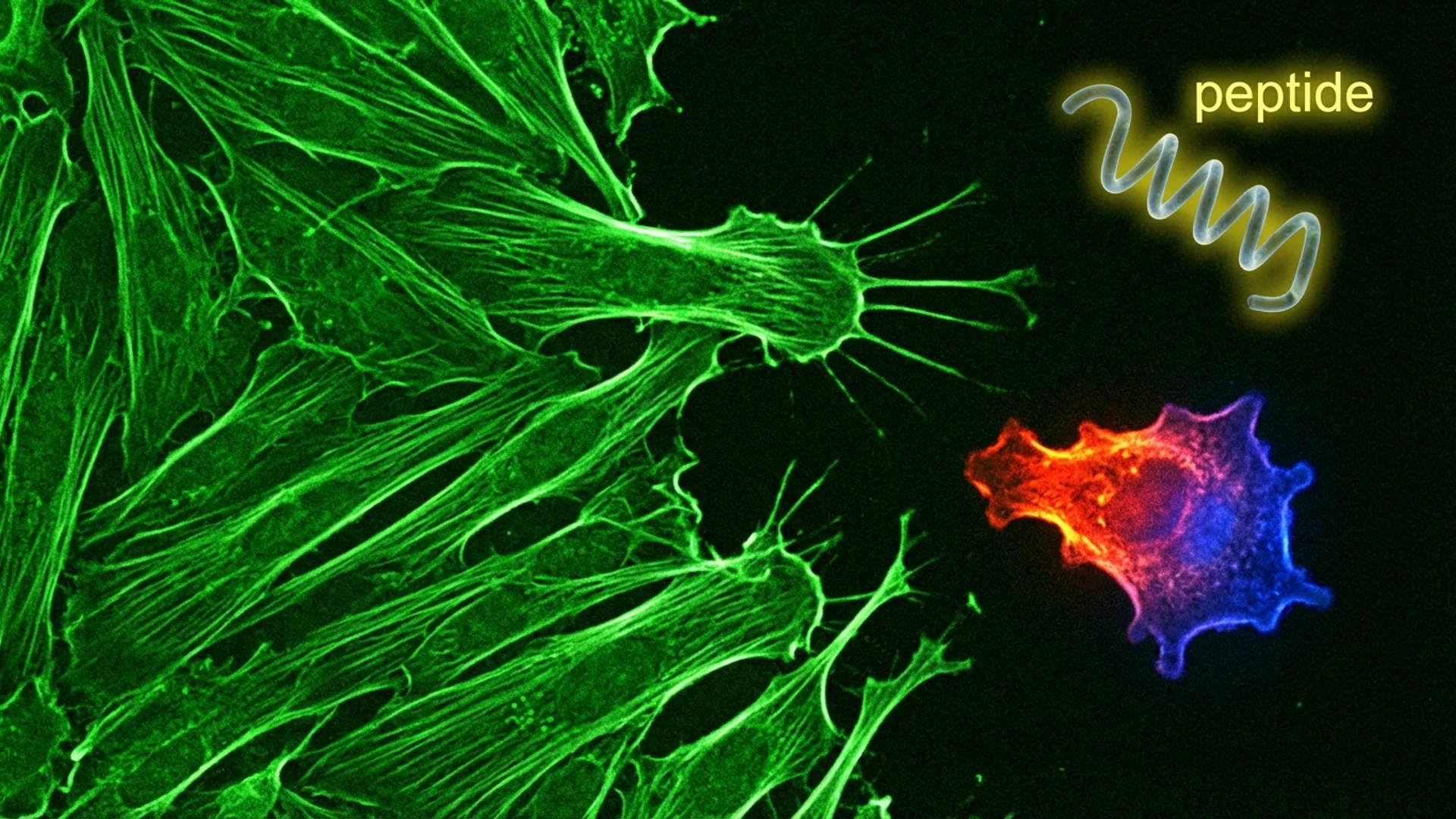
TB-500 is frequently mentioned alongside BPC-157 peptide therapy as a tissue repair peptide, and the two are often combined in clinical protocols. But TB-500 operates through a fundamentally different mechanism, and understanding that difference is essential for using either peptide appropriately. This article provides an honest assessment of what TB-500 is, what the evidence supports, and where our knowledge remains incomplete.
At a Glance
Property Detail
Type Synthetic fragment of endogenous peptide
Amino acid count 43 (full thymosin beta-4); TB-500 is the active region
Primary mechanism Actin sequestration, cell migration, anti-inflammatory
Evidence level Animal studies; limited human trials (for parent molecule)
Regulatory status Not FDA-approved for systemic use; thymosin beta-4 studied in clinical trials for dry eye and cardiac repair
Route of administration SC injection
What Is TB-500?
TB-500 is a synthetic version of the active region of thymosin beta-4 (Tb4), a 43-amino-acid peptide found in virtually all human cells. Thymosin beta-4 is one of the most abundant intracellular peptides in the body. Its primary biological function is the regulation of actin — a structural protein that forms the cytoskeleton and is essential for cell movement, division, and shape.
Thymosin beta-4 was first isolated from the thymus gland in the 1960s by Allan Goldstein, though it was later found to be produced by nearly every cell type. The name “thymosin” reflects its original isolation from thymic tissue, not a thymus-specific function.
The distinction between thymosin beta-4 and TB-500 is important. Thymosin beta-4 is the full 43-amino-acid peptide. TB-500 refers to a commercially available synthetic version that encompasses the active region of thymosin beta-4, centered around the actin-binding domain. In practice, the terms are often used interchangeably, though they are not identical molecules.
Mechanism of Action
Primary Pathways
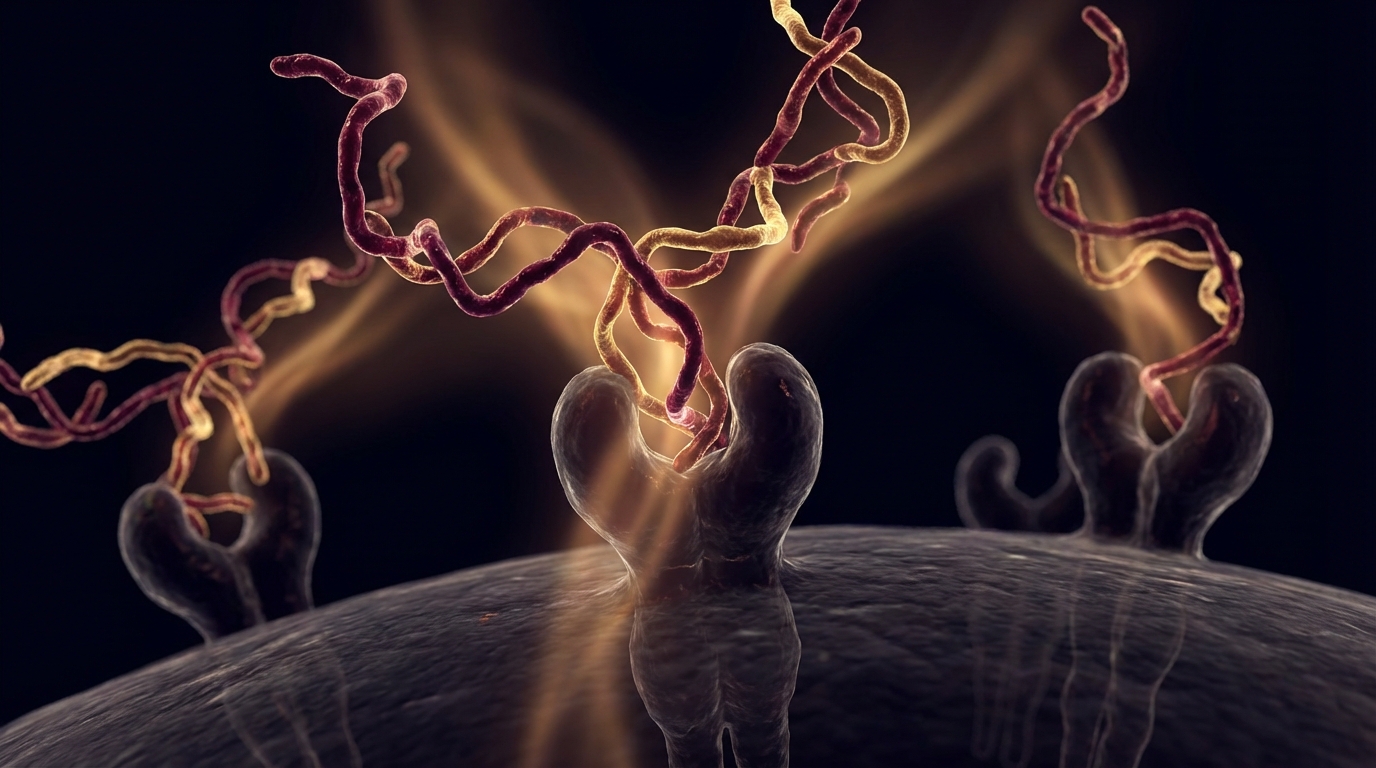
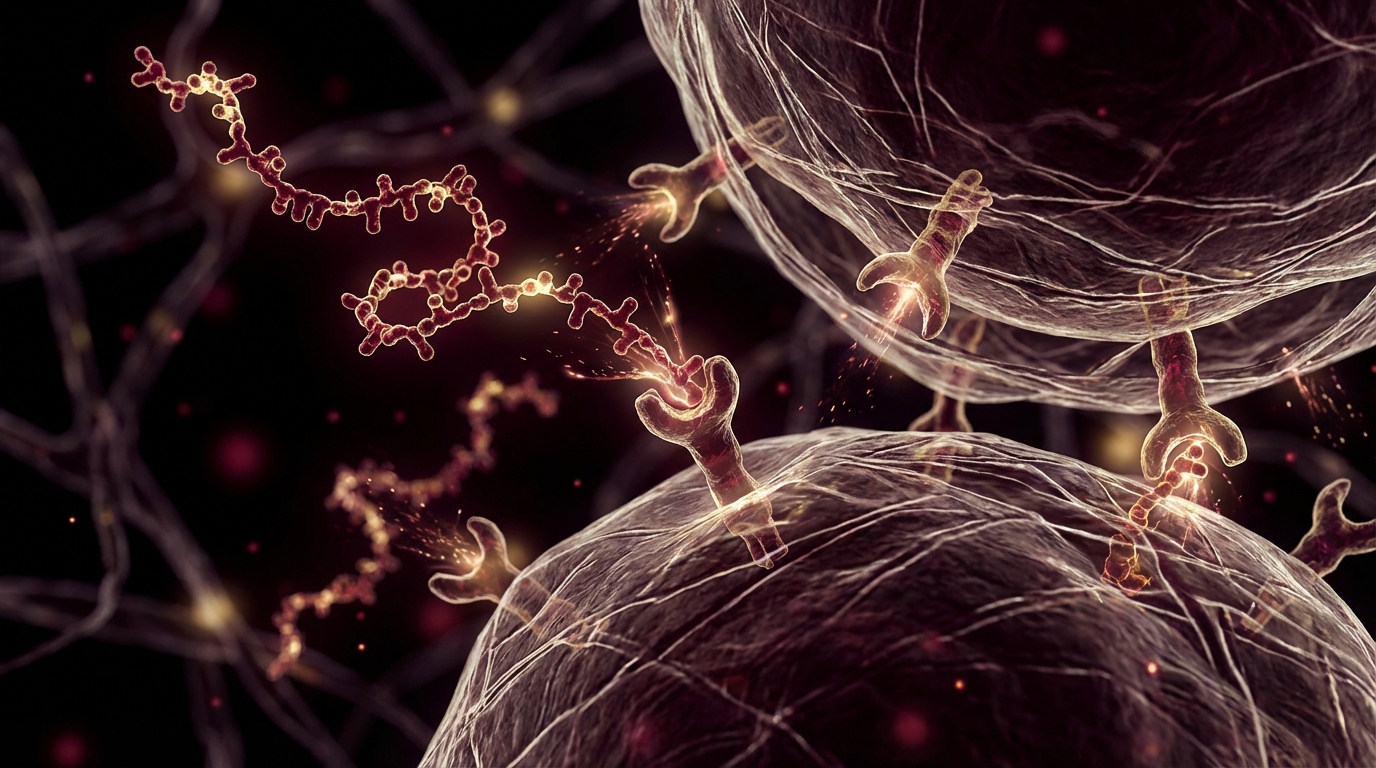
- Actin Sequestration and Cell Migration: The most well-characterized function of thymosin beta-4 is its role as a G-actin sequestering peptide. By binding to monomeric actin (G-actin), it regulates the polymerization of actin filaments (F-actin). This has direct implications for cell migration, because cells must continuously remodel their actin cytoskeleton to move. In the context of wound healing, enhanced cell migration means that fibroblasts, endothelial cells, and keratinocytes can reach injury sites more rapidly.
- Anti-inflammatory Signaling: Thymosin beta-4 has demonstrated anti-inflammatory effects through multiple mechanisms, including downregulation of NF-kB signaling, reduction of pro-inflammatory cytokines (IL-1beta, IL-6, TNF-alpha), and modulation of macrophage polarization from the pro-inflammatory M1 phenotype toward the tissue-repair-promoting M2 phenotype.
- Angiogenesis: Like BPC-157, thymosin beta-4 promotes the formation of new blood vessels. However, the mechanism differs. While BPC-157 appears to primarily upregulate VEGF expression, thymosin beta-4 promotes angiogenesis largely through its effects on endothelial cell migration and by upregulating VEGF through a distinct signaling pathway involving the Akt/mTOR pathway and longevity cascade.
- Anti-fibrotic Effects: In cardiac and hepatic injury models, thymosin beta-4 has demonstrated the ability to reduce pathological fibrosis — the excessive scar tissue formation that impairs organ function after injury. This anti-fibrotic effect appears to be mediated through modulation of TGF-beta signaling.
Research Assessment
What the Evidence Shows
Claimed Effect Evidence Level Key Studies Assessment
Cardiac repair post-infarction Animal studies + Phase I human Bock-Marquette 2004, Smart 2011 Promising
Corneal healing / dry eye Human clinical trials (RegeneRx) Sosne 2016 Strong for topical ophthalmic use
Anti-inflammatory effects Animal studies Badamchian 2007 Promising
Hair regrowth Animal studies Philp 2004 Preliminary
Neurological repair Animal studies Xiong 2012 Preliminary
The evidence base for thymosin beta-4 has a significant advantage over many other therapeutic peptides: the parent molecule has been studied in human clinical trials, particularly for ophthalmic applications. RegeneRx Biopharmaceuticals conducted clinical trials of RGN-259 (a thymosin beta-4 formulation) for dry eye syndrome and neurotrophic keratopathy, with published results showing safety and preliminary efficacy.
For cardiac applications, Bock-Marquette and colleagues demonstrated in 2004 that thymosin beta-4 could promote cardiac cell migration and survival in mouse models of myocardial infarction. Subsequent studies, including a Phase II trial in ischemic cardiomyopathy, have explored its potential for cardiac repair — see the dedicated review of TB-500 for cardiac muscle repair and post-MI recovery for the full evidence breakdown.
What the Evidence Does Not Show
The systemic administration of TB-500 for musculoskeletal repair in humans has not been studied in controlled clinical trials. The wound healing and cardiac repair data, while encouraging, comes primarily from animal models or from topical ophthalmic applications that may not translate directly to systemic use.
The relationship between the commercially available TB-500 fragment and the full thymosin beta-4 molecule studied in clinical trials is not fully characterized. It is reasonable to assume that the active region retains the parent molecule’s biological activity, but this assumption has not been rigorously validated for all applications.
Dosing
Route Dose Range Frequency Duration Source of Data
Note: These dosing ranges are derived from clinical practice and allometric scaling. They are not based on human dose-finding studies for systemic musculoskeletal applications. The loading phase (higher frequency for the first 4 weeks, followed by weekly maintenance) is a convention from clinical practice, not from controlled trial data.
Safety and Side Effects
Known
Thymosin beta-4 has demonstrated a favorable safety profile in the clinical trials that have been conducted. The ophthalmic trials reported no serious adverse events. In clinical observation of systemic TB-500 use, reported side effects are generally mild: injection site irritation, transient headache, and occasional flu-like symptoms in the first week of use.
Theoretical Concerns
As with BPC-157, the angiogenic properties of TB-500 raise theoretical concerns in the context of active malignancy. Additionally, because thymosin beta-4 is involved in actin dynamics, there is a theoretical question about whether exogenous administration could influence cell motility in undesirable ways — for instance, in the context of metastatic cancer cells. This concern is mechanistic and has not been observed clinically, but it warrants caution in oncology patients.
Contraindications
No formal contraindications established. Active malignancy (theoretical concern), pregnancy and lactation (no data), and children (no pediatric data) warrant caution. Given its effects on cell migration and tissue remodeling, patients with active autoimmune mechanismse conditions should use TB-500 only under close medical supervision.
Drug and Supplement Interactions
No drug interactions have been formally studied. This represents a gap in the evidence, not evidence of safety. Given the immunomodulatory properties of thymosin beta-4, theoretical interactions with immunosuppressive medications are possible.
Clinical Perspective
TB-500 is a peptide I use selectively, typically in combination with BPC-157 for musculoskeletal injuries where both tissue repair and cell migration are relevant — complex tendon injuries, post-surgical recovery, and chronic tendinopathies that have been resistant to conventional approaches.
The rationale for combining BPC-157 and TB-500 is mechanistic: BPC-157 primarily promotes angiogenesis and growth factor signaling, while TB-500 primarily enhances cell migration and reduces fibrosis. Whether this combination is genuinely synergistic in humans remains an open question, but the complementary mechanisms provide a reasonable rationale.
What I tell my patients is that the parent molecule, thymosin beta-4, has a more robust evidence base than many peptides because it has been through human clinical trials for specific indications. This provides some confidence in safety, though it does not confirm efficacy for the musculoskeletal applications for which TB-500 is most commonly used in practice.
In my clinical experience, the patients who respond best to TB-500 are those with injuries characterized by poor tissue remodeling — chronic tendinopathies with disorganized collagen, post-surgical adhesions, and injuries where fibrosis is impeding functional recovery. These are precisely the situations where enhanced cell migration and anti-fibrotic effects would be most relevant.
I want to be transparent about the limitations: I cannot isolate TB-500’s contribution from the other components of the treatment protocols I use. What I can say is that the addition of TB-500 to comprehensive musculoskeletal rehabilitation protocols has been associated with outcomes that meet or exceed my expectations based on the natural history of these injuries.

References
- Goldstein AL, et al. “Isolation from calf thymus of a polypeptide with thymosin-like activity.” Proc Natl Acad Sci USA. 1966;63(3):800-807.
- Sosne G, et al. “Thymosin beta 4: a potential novel therapy for neurotrophic keratopathy, dry eye, and ocular surface diseases.” Vitam Horm. 2016;102:277-306.
- Bock-Marquette I, et al. “Thymosin beta4 activates integrin-linked kinase and promotes cardiac cell migration, survival and cardiac repair.” Nature. 2004;432(7016):466-472.
- Malinda KM, et al. “Thymosin beta 4 accelerates wound healing.” J Invest Dermatol. 1999;113(3):364-368.
- Philp D, et al. “Thymosin beta4 promotes angiogenesis, wound healing, and hair follicle development.” Mech Ageing Dev. 2004;125(2):113-115.
- Smart N, et al. “Thymosin beta4 facilitates epicardial neovascularization of the injured adult heart.” Ann N Y Acad Sci. 2010;1194:97-104.
- Xiong Y, et al. “Treatment of traumatic brain injury with thymosin beta4 in rats.” J Neurosurg. 2012;116(5):1081-1092.
- Badamchian M, et al. “Thymosin beta 4 reduces lethality and down-regulates inflammatory mediators in endotoxin-induced septic shock.” Int Immunopharmacol. 2003;3(8):1225-1233.
Disclaimer: This peptide profile is intended for educational purposes. TB-500 (thymosin beta-4) is not FDA-approved for systemic musculoskeletal use. Consult a qualified physician before pursuing any peptide therapy.